





In the world of travel, the way people choose to stay during their trips is evolving rapidly. Gone are the days when hotels were the only viable accommodation option for travelers. With the rise of creative and non-traditional lodging, people are now embracing unique, personalized, and sometimes unconventional ways to experience new places. Whether it’s sleeping in a treehouse, staying in a refurbished train carriage, or booking a night in an igloo, alternative forms of accommodation are capturing the imaginations of modern travelers. These options go beyond providing just a bed for the night—they offer a completely different kind of experience that often immerses guests in local culture, nature, or history.
This article explores the growing trend of creative and non-traditional accommodations. We will delve into the factors driving this shift, the various types of alternative lodging, the benefits and challenges for travelers and hospitality providers, and how these unique stays are reshaping the way people think about travel. Additionally, we’ll look at how these unconventional options are linked to broader trends in the travel industry, including sustainability, cultural tourism, and the desire for authenticity.
The Evolution of Travel Accommodations: From Hotels to Unique Stays
The concept of accommodation has always been central to the travel experience. Historically, travelers stayed in inns, motels, and hotels, which offered basic services and comfort. These establishments were functional, but they rarely contributed to a deeper sense of place or culture. In recent years, however, the demand for experiences that are memorable, authentic, and personalized has led to the rise of creative and non-traditional forms of lodging.
A Desire for Authenticity
One of the driving forces behind the rise of non-traditional accommodations is the increasing demand for authentic travel experiences. In an age where mass tourism often leads to over-tourism and generic experiences, more travelers are seeking options that allow them to immerse themselves in local culture, history, and nature. Unique accommodations, whether it’s a yurt in Mongolia or a floating hotel in the Maldives, provide a more intimate and genuine connection to the destination.
Technology and Social Media Influence
Social media platforms like Instagram, TikTok, and Pinterest have significantly influenced the travel industry, with travelers seeking out Instagrammable moments and distinct experiences to share with their followers. The viral nature of social media content has turned unconventional accommodations into trending topics, with treehouses, tiny homes, and luxury safari tents becoming increasingly popular. These non-traditional stays offer the opportunity to experience something extraordinary while also capturing those moments for social media, enhancing their appeal.
The Rise of the “Experience Economy”
As consumer preferences evolve, there’s a growing emphasis on experiences over material goods. People are more inclined to spend on unique experiences that enrich their lives, and accommodations are no exception. This shift toward the experience economy has paved the way for the rise of creative lodging options that provide guests with a memorable, often once-in-a-lifetime, stay. Whether it’s staying in a treehouse in Costa Rica or a glass igloo in Finland, these accommodations offer experiences that transcend the ordinary.
Types of Creative and Non-Traditional Accommodation Forms
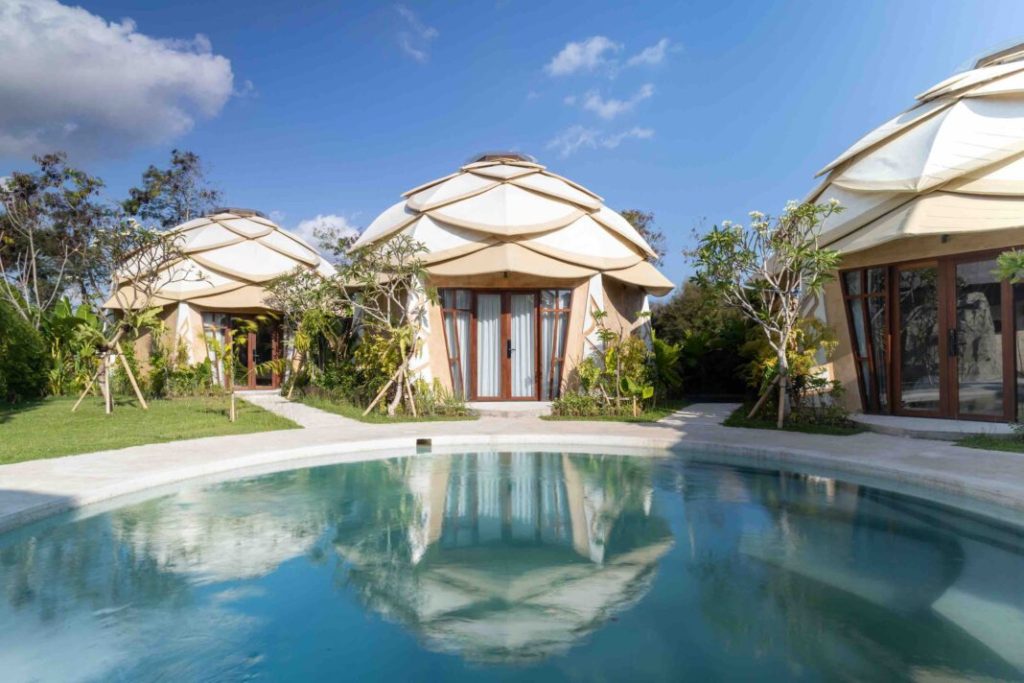
The diversity and creativity in alternative lodging options today are astounding. From eco-friendly retreats to artistic hotels, here are some of the most popular and innovative forms of non-traditional accommodation:
1. Treehouses and Elevated Stays
Treehouses are among the most beloved non-traditional accommodations. They provide a unique opportunity to connect with nature while offering all the comforts of a modern stay. Whether nestled in the treetops of a tropical rainforest or perched high in a mountain forest, treehouses offer an immersive experience that is simultaneously cozy and adventurous.
Treehouses often feature luxurious amenities, such as hot tubs, fireplaces, and panoramic windows, making them the perfect choice for travelers seeking relaxation combined with the thrill of being high above the ground. In places like Costa Rica, Thailand, and the Pacific Northwest, treehouses allow travelers to feel like they’re part of the natural environment while enjoying top-tier accommodations.
2. Overwater Bungalows and Floating Hotels
The appeal of overwater bungalows is undeniable. Located on crystal-clear lagoons in places like the Maldives, Fiji, and Bora Bora, these luxurious accommodations offer direct access to the water and an unparalleled sense of tranquility. With glass floors that allow you to observe the underwater world, private pools, and over-the-top service, overwater bungalows combine luxury with adventure.
In addition to bungalows, floating hotels are gaining popularity in destinations where water is a central feature of the landscape. These hotels are often designed with sustainability in mind, offering guests a truly eco-friendly stay while allowing them to live in harmony with the water.
3. Yurts and Glamping
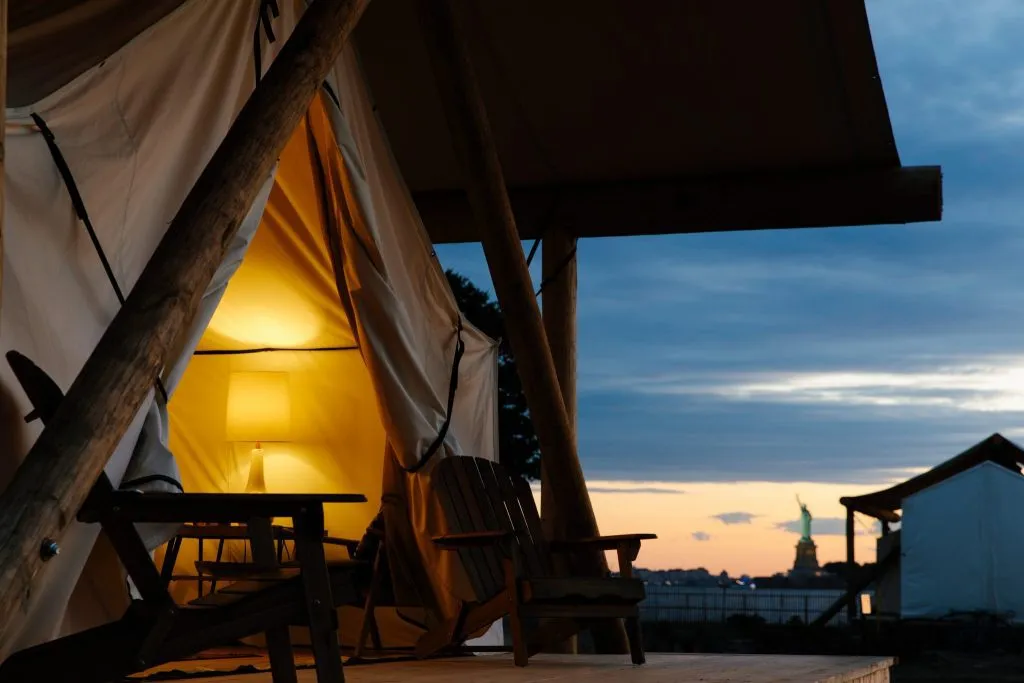
The rise of glamping (glamorous camping) has opened up a whole new world of unique accommodations. For travelers who want to enjoy the beauty of nature without sacrificing comfort, luxury tents, yurts, and safari tents offer the perfect solution. These accommodations often come with comfy beds, heating, plush linens, and stylish furnishings, creating a cozy atmosphere in the middle of the wilderness.
Popular in places like Africa, Scandinavia, and North America, glamping sites allow travelers to spend the night under the stars in an opulent environment, with some even offering private hot tubs and gourmet meals. It’s the perfect blend of outdoor adventure and luxurious comfort.
4. Cave Hotels and Underground Lodging
In regions like Turkey, Italy, and Greece, travelers can stay in cave hotels or underground lodgings that have been carved out of rock or natural formations. These ancient dwellings have been repurposed for modern use, offering guests a fascinating glimpse into the past while providing an innovative and cozy stay. The cool, stable temperature inside cave hotels makes them a perfect retreat, particularly in hot climates.
Cave hotels are often designed with minimalistic elegance, showcasing the natural beauty of the rock formations, while providing all the modern amenities expected from a high-end hotel. Staying in a cave offers a unique historical and cultural experience, adding an extra layer of depth to any trip.
5. Converted Buildings: Churches, Castles, and More
Turning old, historical buildings into boutique accommodations is a growing trend in many parts of the world. Travelers can sleep in a converted church, a reclaimed castle, or even a former prison, offering a truly distinctive experience. These repurposed spaces allow guests to stay in places that are both architecturally fascinating and rich in history.
Converted buildings often retain their original features, such as stained-glass windows, wooden beams, or stone walls, while incorporating modern elements like chic décor and state-of-the-art facilities. Such places offer a perfect blend of nostalgia and luxury, allowing guests to feel like they are living in history.
6. Floating Villas and Houseboats
For a truly offbeat experience, some travelers opt to stay in floating villas or houseboats. Whether anchored on serene lakes or on the open sea, these floating accommodations allow guests to enjoy an ever-changing view, direct access to the water, and an intimate connection with the surroundings. Popular destinations for floating villas include Thailand, Norway, and Canada.
Some floating accommodations are designed for luxury, featuring spacious living areas, private balconies, and pools. Others are more rustic, offering a return to simpler, nature-filled stays, perfect for those looking to escape the distractions of everyday life.
7. Ice Hotels and Igloos
For travelers seeking something truly extraordinary, ice hotels and glass igloos offer a one-of-a-kind stay. These artificially built structures are made entirely of ice and snow, providing a winter wonderland experience. Guests sleep in temperature-controlled rooms designed from ice sculptures and can enjoy activities like ice carving and snowshoeing during their stay.
In places like Sweden, Finland, and Canada, visitors can experience the thrill of sleeping in a room made entirely of ice while also enjoying modern amenities such as hot saunas, heated lounges, and luxurious dining options. These types of accommodations cater to travelers who want to experience extreme but safe forms of lodging.
The Benefits of Creative and Non-Traditional Stays
Staying in a creative or non-traditional accommodation offers several advantages:
- Authentic and Memorable Experiences: Non-traditional accommodations often provide guests with experiences that are tied to the local culture, landscape, or history, making the stay more meaningful and memorable.
- Immersion in Nature: Many unique accommodations, like treehouses and glamping sites, allow guests to be surrounded by nature, providing a sense of escape and a chance to disconnect from the modern world.
- Instagram-Worthy Moments: In the age of social media, staying in unconventional accommodations offers plenty of opportunities for shareable moments. Whether it’s posing in front of a quirky treehouse or capturing the stunning view from an overwater bungalow, these unique stays are perfect for social media.
- Sustainability: Many non-traditional accommodations, such as eco-lodges and floating hotels, emphasize sustainable practices, allowing travelers to minimize their environmental impact while enjoying a unique stay.
- Variety and Choice: The diversity of options—from luxury to budget-friendly—means there is a creative accommodation for every type of traveler, whether they are looking for a lavish retreat or an off-the-beaten-path adventure.
Challenges of Non-Traditional Accommodations
While creative and non-traditional accommodations offer plenty of benefits, there are also challenges:
- Cost: Many of these accommodations can be expensive, especially those that offer luxurious features and remote locations. Travelers may need to weigh the experience against the price tag.
- Accessibility: Some non-traditional accommodations are located in remote or hard-to-reach areas, requiring travelers to plan their trips carefully or face difficulties with transportation.
- Limited Availability: Popular unconventional stays, such as treehouses and igloos, are often in high demand and may require early bookings to secure a spot.
- Environmental Impact: While many alternative accommodations focus on sustainability, there are concerns about the environmental impact of building and maintaining structures like floating hotels or ice hotels. Sustainable practices must be prioritized to minimize ecological damage.
Conclusion
The rise of creative and non-traditional accommodation forms represents a paradigm shift in the travel industry, one that embraces unique, immersive, and memorable experiences. These unconventional stays offer travelers more than just a place to sleep—they provide an opportunity to engage with nature, culture, and history in ways that traditional hotels cannot match. Whether staying in a treehouse in the jungle or an overwater bungalow in the Maldives, these accommodations reflect the growing demand for authentic and personalized travel experiences.
As travelers continue to seek out one-of-a-kind adventures, creative lodging options will only continue to expand, offering more diverse and exciting ways to experience the world. With the growing emphasis on sustainability, innovation, and personal connection, the future of travel accommodations is poised to be as dynamic and inspiring as the travelers themselves.