




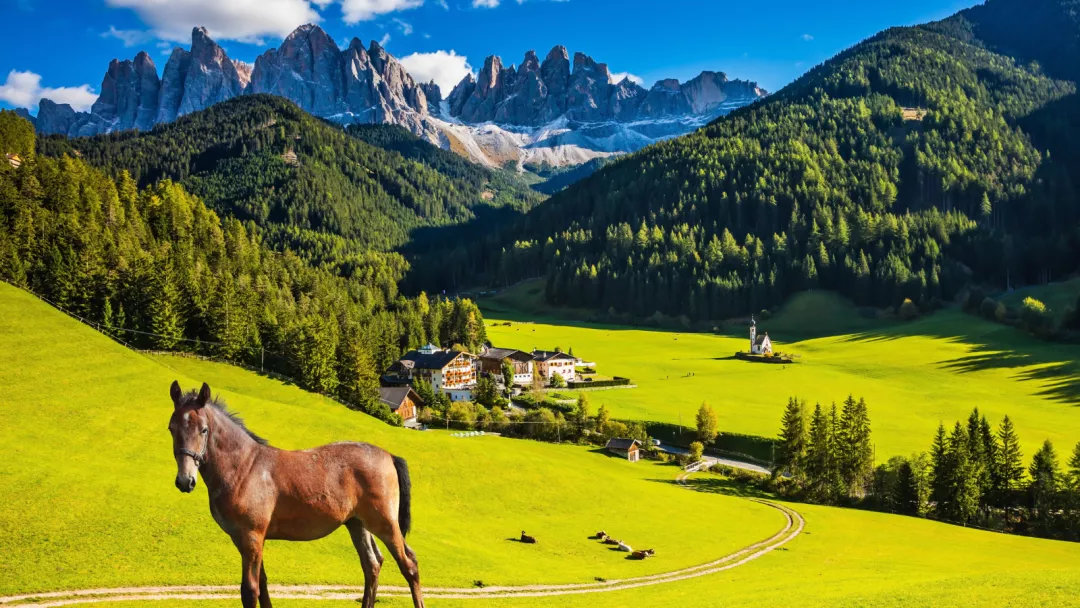

Introduction: The Growing Appeal of Rural and Small Town Tourism
In an era of mass tourism and global travel hubs, rural and small town tourism has gained significant popularity as travelers seek more authentic, serene, and immersive experiences. While bustling metropolises like New York, Paris, and Tokyo attract millions of visitors each year, an increasing number of tourists are turning their attention to the quiet charm of rural areas and small towns. These destinations offer a slower pace of life, rich cultural experiences, and the opportunity to connect with nature and local traditions in ways that large cities simply cannot.
Rural and small town tourism is not just about escaping the hustle and bustle of urban life; it is about experiencing a deeper connection to the land, the community, and the cultural heritage that shapes these unique places. From farming villages nestled in rolling hills to quaint towns with cobblestone streets, these destinations offer a wealth of experiences that allow travelers to discover the heart and soul of a country.
In this article, we will explore the rise of rural and small town tourism, its benefits for both travelers and local communities, and how this form of travel contributes to sustainable and responsible tourism. We will also look at some of the most popular rural destinations worldwide and highlight the kinds of experiences that travelers can expect when visiting these lesser-known but equally fascinating parts of the world.
The Appeal of Rural and Small Town Tourism
1. A Return to Authenticity and Simplicity
One of the primary reasons why rural and small town tourism has seen a surge in recent years is the desire for authenticity. In an age where mass tourism can often feel impersonal and commercialized, travelers are seeking experiences that allow them to connect with the real culture, traditions, and people of a destination. Small towns and rural areas offer a chance to escape the commercialized tourism industry and enjoy a more genuine, unspoiled experience.
In these settings, visitors can interact with locals who often take great pride in sharing their way of life. Whether it’s through sampling traditional cuisine, attending local festivals, or simply chatting with farmers at a village market, rural destinations provide opportunities for deeper cultural immersion.
2. Connection to Nature and the Environment
Rural areas and small towns are often surrounded by pristine landscapes—lush forests, rolling hills, tranquil lakes, and vast plains—that offer visitors a chance to reconnect with nature. For many, the opportunity to escape the concrete jungles of modern cities and immerse themselves in the tranquility of rural surroundings is a major draw.
Outdoor activities such as hiking, cycling, birdwatching, and even agritourism activities like farm stays and vineyard tours are common in rural destinations. These activities not only provide a refreshing change of pace but also foster a greater appreciation for the environment and the natural resources that sustain local communities.
3. Cultural and Historical Exploration
Many small towns and rural areas are steeped in history, with well-preserved architecture, ancient traditions, and local stories that have been passed down through generations. From medieval villages in Europe to remote mountain towns in Asia, rural destinations offer a unique opportunity to explore cultural heritage in a more intimate and accessible way than larger, more touristy cities.
In addition to historical sites, rural areas often host traditional festivals, craft fairs, and agricultural exhibitions that showcase local customs, food, and art. These experiences provide travelers with a chance to engage with the community and gain a deeper understanding of local customs and practices.
4. Slower Pace of Life and Mental Wellness
The fast-paced, high-stress lifestyle of modern cities can take a toll on mental and physical health. For many, rural and small town tourism offers a much-needed break from the demands of urban life. The slower pace of life in these areas allows visitors to unwind, relax, and rejuvenate in ways that are difficult to achieve in larger, more hectic cities.
Studies have shown that spending time in nature and experiencing a slower lifestyle can reduce stress, improve mental clarity, and even boost creativity. Whether it’s through enjoying a quiet walk through the countryside or relaxing in a small town café, rural and small town tourism provides a sanctuary for those seeking respite from the pressures of modern living.
Economic Benefits of Rural and Small Town Tourism
While the benefits of rural and small town tourism are clear for travelers, this form of tourism also offers significant economic advantages for local communities. Unlike mass tourism, which is often centered in urban areas and controlled by large corporations, rural tourism focuses on smaller-scale, community-driven experiences that directly benefit local businesses and workers.
1. Diversifying Local Economies
Rural and small town tourism provides an important source of income for communities that may otherwise rely heavily on agriculture, fishing, or other primary industries. By attracting tourists, these communities can diversify their income streams and create new opportunities for employment and entrepreneurship.
Local businesses, such as family-run guesthouses, small hotels, local artisans, and farmers, benefit directly from rural tourism. The income generated by tourists allows small businesses to thrive, which in turn supports local employment and helps reduce out-migration from rural areas.
2. Preservation of Local Heritage and Traditions
Tourism can also be a force for preserving local culture and traditions. In many rural communities, traditional ways of life, crafts, and cultural practices are at risk of disappearing due to the pressures of modernization. However, tourism can provide an incentive to maintain and share these traditions with visitors.
For example, rural tourism may encourage the preservation of historic buildings, ancient crafts such as pottery or weaving, and traditional farming methods. Additionally, local festivals and cultural events that attract tourists can help sustain and revitalize community customs, providing a sense of pride and identity to local residents.
3. Sustainable Tourism Practices
Unlike mass tourism, which can often lead to overdevelopment and environmental degradation, rural tourism tends to be more sustainable by nature. Smaller-scale tourism operations, such as family-owned lodges or eco-friendly tour companies, have a lighter environmental footprint than large-scale resorts and hotels. Rural destinations are also less likely to suffer from the same levels of overcrowding and over-tourism that can negatively impact urban centers.
By promoting sustainable practices like eco-tourism, responsible wildlife viewing, and support for local farmers and artisans, rural tourism can help preserve both the environment and the local culture for future generations.
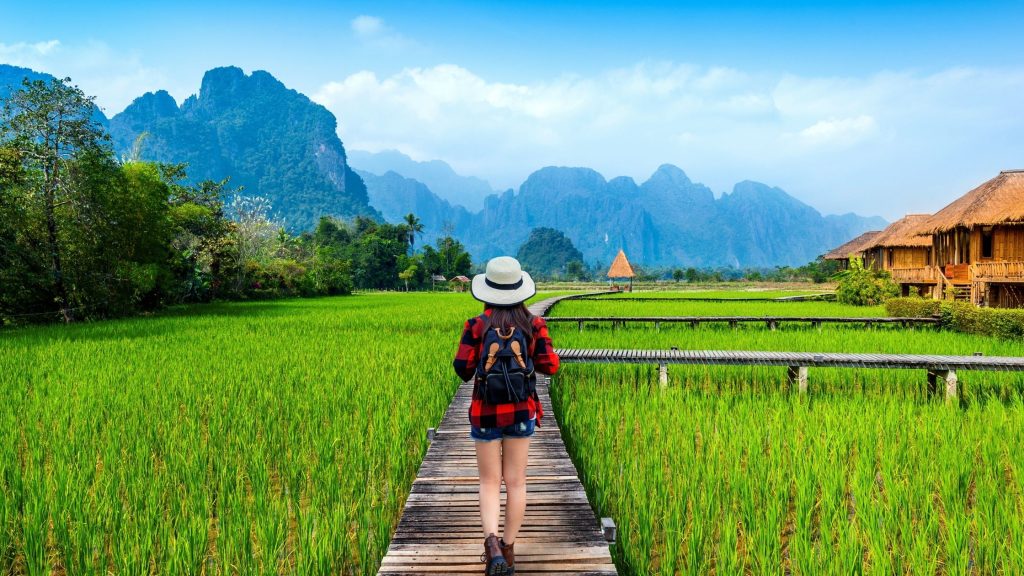
Types of Rural and Small Town Tourism Experiences
Rural and small town tourism is incredibly diverse, with a wide range of experiences available depending on the region and the interests of the traveler. Here are some of the most popular types of rural tourism:
1. Agritourism
Agritourism involves visiting farms, vineyards, orchards, and other agricultural sites to learn about farming practices, participate in harvest activities, and sample fresh, local produce. This type of tourism is particularly popular in areas with strong agricultural traditions, such as Italy, France, and New Zealand.
Many agritourism experiences include farm stays, where visitors can live on a working farm, help with daily chores, and enjoy homegrown meals. This hands-on experience allows travelers to gain a deeper appreciation for the hard work that goes into food production and provides an opportunity to support small-scale, sustainable agriculture.
2. Eco-Tourism
Eco-tourism focuses on responsible travel to natural areas that conserve the environment and improve the well-being of local communities. Eco-tourism activities in rural areas might include hiking, wildlife watching, birdwatching, and visits to national parks or nature reserves. The goal is to promote environmental stewardship while offering visitors the chance to experience the natural beauty of rural landscapes.
Rural eco-tourism often emphasizes sustainability, conservation, and minimal impact on the environment, allowing travelers to enjoy the outdoors while supporting local conservation efforts.
3. Cultural and Heritage Tourism
Cultural tourism in rural and small town settings often involves exploring historic sites, attending local festivals, and experiencing traditional crafts and performances. These destinations provide an opportunity to learn about the local way of life, the history of the area, and the unique cultural practices that define the community.
Many rural areas host traditional festivals, where visitors can witness local dances, music, and customs that have been passed down through generations. These festivals often include food, arts, and crafts markets that showcase local products and culinary specialties.
4. Adventure Tourism
For travelers seeking more active experiences, rural destinations offer a wealth of adventure tourism options. Activities such as hiking, cycling, horseback riding, kayaking, and rock climbing are common in rural areas, especially those with diverse landscapes like mountains, forests, and lakes.
Adventure tourism in small towns and rural areas allows travelers to engage with nature and enjoy outdoor activities in peaceful, unspoiled environments. These experiences often provide a sense of achievement and connection to the land that cannot be found in more commercialized destinations.
Prominent Rural and Small Town Destinations
From the rolling hills of Tuscany to the rugged landscapes of Patagonia, rural and small town destinations offer a wide variety of experiences. Here are some notable examples from around the world:
1. Tuscany, Italy
Tuscany is renowned for its picturesque landscapes, rolling vineyards, and charming medieval towns. The region offers a range of agritourism experiences, where visitors can tour wineries, sample local olive oils, and stay in traditional farmhouses. Tuscany’s small towns, like San Gimignano and Pienza, provide a glimpse into Italy’s rich cultural and architectural heritage.
2. The Cotswolds, England
The Cotswolds is a region in southern England famous for its idyllic villages, honey-colored stone cottages, and scenic countryside. Visitors can explore charming small towns like Bibury and Bourton-on-the-Water, take leisurely walks through the countryside, and enjoy traditional afternoon teas in local tearooms.
3. Kyoto, Japan
While Kyoto is a city, it retains much of its traditional rural charm, with temples, gardens, and tea houses that have been preserved for centuries. The surrounding countryside, including Arashiyama and Uji, offers scenic landscapes and opportunities for hiking, visiting tea plantations, and experiencing rural Japan’s rich cultural heritage.
4. Patagonia, Argentina and Chile
Patagonia, located at the southern tip of South America, offers some of the most dramatic landscapes in the world. Visitors can explore glaciers, pristine lakes, and rugged mountains, all while enjoying the hospitality of small towns like El Calafate and Puerto Natales. Adventure tourism is popular here, including trekking in Torres del Paine National Park and Los Glaciares National Park.
Conclusion: The Future of Rural and Small Town Tourism
Rural and small town tourism offers a wealth of opportunities for travelers seeking authentic, sustainable, and immersive experiences. By choosing to explore these lesser-known destinations, travelers not only enjoy a more personalized and meaningful vacation but also contribute to the local economy and help preserve cultural traditions.
As global tourism trends continue to shift toward more responsible and sustainable practices, rural and small town tourism will play an increasingly important role in shaping the future of travel. By promoting these destinations and supporting local businesses, we can create a more balanced, sustainable tourism industry that benefits both travelers and the communities they visit.