




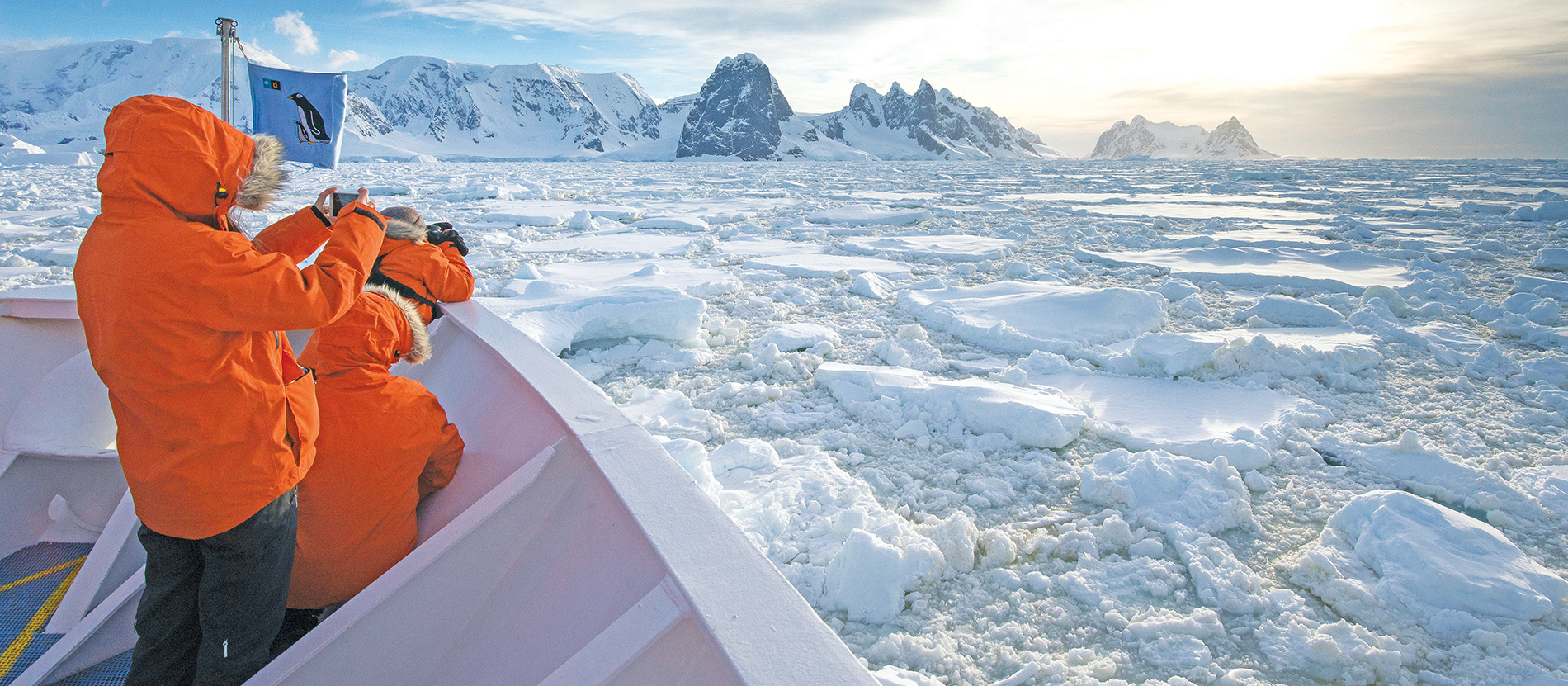

Polar regions, comprising the Arctic in the north and Antarctica in the south, are among the most extreme and captivating environments on Earth. Their dramatic landscapes, unique wildlife, and fragile ecosystems have fascinated explorers, scientists, and travelers for centuries. In recent years, polar expeditions have become increasingly accessible, offering opportunities for adventure, research, and environmental awareness. However, these journeys require meticulous planning, specialized training, and a deep respect for the delicate polar ecosystems.
This article provides a comprehensive exploration of polar expeditions, including historical context, preparation strategies, environmental considerations, wildlife encounters, and practical guidance for modern travelers.
1. Understanding Polar Regions
1.1 Geographic and Climatic Overview
- The Arctic is an ocean surrounded by continents, characterized by sea ice, tundra, and permafrost.
- Antarctica is a continent surrounded by oceans, dominated by vast ice sheets, glaciers, and mountain ranges.
- Both regions experience extreme cold, polar nights, and long periods of daylight, influencing travel conditions and wildlife behavior.
1.2 Historical Significance
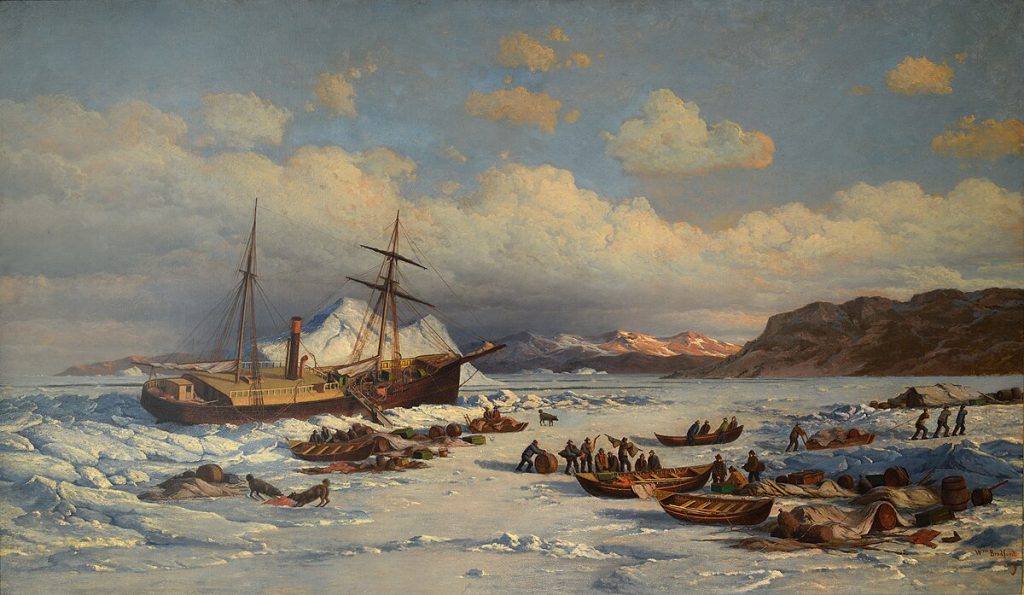
- Polar exploration dates back to the early 19th and 20th centuries, with iconic figures such as Roald Amundsen, Robert Falcon Scott, and Ernest Shackleton.
- These expeditions contributed to geographical mapping, scientific knowledge, and understanding of human endurance.
1.3 Scientific and Ecological Importance
- Polar regions play a critical role in global climate regulation, ocean currents, and biodiversity.
- Ice cores, glacial studies, and wildlife monitoring provide insights into climate change, sea level rise, and ecosystem dynamics.
2. Types of Polar Expeditions
2.1 Arctic Expeditions
- Typically focus on Greenland, Svalbard, Canada’s High Arctic, and northern Russia.
- Activities include:
- Icebreaker cruises through fjords and polar seas
- Dog sledding and snow trekking
- Scientific research tours
2.2 Antarctic Expeditions
- Accessed primarily via cruise ships from South America, New Zealand, or South Africa.
- Activities include:
- Zodiac landings on ice shelves
- Wildlife observation, including penguins and seals
- Glacier and ice cave exploration
2.3 Adventure and Extreme Expeditions
- Includes skiing to the North or South Pole, mountaineering on polar peaks, and extended trekking across ice sheets.
- Requires high physical fitness, specialized gear, and experienced guides.
3. Preparing for a Polar Expedition
3.1 Physical Conditioning
- Polar travel demands endurance, strength, and cold-weather resilience.
- Recommended training includes:
- Cardiovascular exercises for stamina
- Strength training for carrying gear
- Cold exposure adaptation and balance training
3.2 Specialized Equipment
- Essential gear includes:
- Layered clothing systems, thermal insulation, and waterproof outer layers
- Polar-grade boots, gloves, and head protection
- Navigation devices, communication tools, and emergency kits
3.3 Travel Planning and Logistics
- Expeditions require careful consideration of:
- Weather patterns, sea ice conditions, and seasonal accessibility
- Transport modes: icebreakers, small boats, aircraft, or snow vehicles
- Permits and environmental regulations
3.4 Safety and Risk Management
- Risks include hypothermia, frostbite, ice hazards, and unpredictable weather.
- Safety measures:
- Pre-expedition training in survival skills
- Emergency evacuation plans
- Satellite communication and GPS tracking
4. Wildlife Encounters
4.1 Arctic Wildlife
- Iconic species: polar bears, Arctic foxes, walruses, and migratory birds
- Marine life includes seals, whales, and Arctic cod
- Observing wildlife requires ethical practices to minimize disturbance
4.2 Antarctic Wildlife
- Penguins, seals, and seabirds dominate the continent’s fauna
- Whales and orcas are common in surrounding Southern Ocean waters
- Strict regulations under the Antarctic Treaty System protect wildlife from exploitation
4.3 Conservation Considerations
- Polar ecosystems are extremely sensitive to human presence
- Guidelines for visitors include:
- Keeping distance from animals
- Avoiding interference with breeding or feeding grounds
- Minimizing waste and environmental impact
5. Environmental and Ethical Responsibilities
5.1 Climate Change Awareness
- Polar regions are rapidly warming, affecting ice coverage, species distribution, and sea levels
- Expeditions provide opportunities for education and citizen science
5.2 Minimizing Ecological Footprint
- Use eco-friendly transport, reusable materials, and strict waste management
- Avoid introducing non-native species or pollutants
5.3 Supporting Conservation Efforts
- Collaborate with research institutions, NGOs, and local communities
- Contribute to scientific monitoring programs or environmental awareness campaigns
6. Notable Polar Expeditions and Routes
6.1 Arctic Highlights
- Svalbard, Norway: Glacial fjords, polar bears, and Northern Lights
- Greenland Ice Sheet: Trekking, dog sledding, and Inuit cultural experiences
- Canadian Arctic Archipelago: Remote islands, indigenous heritage, and ice navigation
6.2 Antarctic Highlights
- Antarctic Peninsula: Most accessible, diverse wildlife, and stunning ice formations
- South Georgia Island: Large penguin colonies and rugged landscapes
- Ross Sea and Weddell Sea: Remote, pristine areas for scientific exploration
6.3 Iconic Pole Expeditions
- North Pole: Accessible via icebreaker cruises or ski expeditions
- South Pole: Extreme adventure requiring multi-week skiing and survival skills
7. Cultural and Scientific Dimensions
7.1 Indigenous Knowledge in the Arctic
- Inuit, Sámi, and other indigenous communities provide deep ecological knowledge and cultural context
- Collaborative expeditions integrate traditional practices and modern science
7.2 Scientific Research in Polar Regions
- Studies include:
- Glaciology and ice core analysis
- Climate modeling and environmental monitoring
- Marine biology and ecosystem dynamics
7.3 Educational Opportunities
- Polar expeditions offer first-hand learning experiences for students, researchers, and enthusiasts
- Participants can contribute to data collection, wildlife monitoring, and environmental advocacy
8. Modern Tourism Trends in Polar Regions
8.1 Growth of Polar Tourism
- Increasing interest in adventure tourism, eco-tourism, and educational travel
- Cruise operators and tour companies offer customized itineraries and luxury experiences
8.2 Responsible and Sustainable Tourism Practices
- Compliance with IAATO (International Association of Antarctic Tour Operators) guidelines
- Adoption of carbon offset programs, small-group travel, and zero-waste policies
8.3 Technology in Polar Travel
- Drones, GPS, and remote sensing enhance navigation, safety, and documentation
- Virtual reality and online platforms extend polar experiences to wider audiences
9. Challenges of Polar Expeditions
9.1 Extreme Weather and Terrain
- High winds, blizzards, and sudden temperature drops pose serious risks
- Icebergs, crevasses, and unstable sea ice require careful navigation
9.2 Logistical Complexities
- Remote locations make resupply, emergency evacuation, and communication challenging
- Expeditions are high-cost and require specialized planning
9.3 Environmental Impact and Ethical Considerations
- Even small groups can affect fragile ecosystems
- Requires strict adherence to conservation protocols
9.4 Physical and Psychological Demands
- Cold, isolation, and extended travel require mental resilience and physical preparedness
- Teamwork, leadership, and adaptability are critical for success
10. Preparing for a Polar Adventure: Practical Tips
- Physical Preparation: Engage in endurance, strength, and cold-weather training
- Gear Selection: Prioritize layering, insulation, and safety equipment
- Travel Insurance: Include emergency evacuation and medical coverage
- Environmental Responsibility: Follow all guidelines for wildlife and ecosystem protection
- Mental Preparation: Prepare for isolation, extreme conditions, and group dynamics
- Cultural Respect: Engage respectfully with indigenous communities and researchers
11. Future of Polar Expeditions
11.1 Sustainable Exploration
- Emphasis on low-impact travel, eco-friendly vessels, and responsible tourism
- Collaborations with scientific institutions and environmental NGOs
11.2 Climate Change Mitigation
- Polar tourism can raise awareness about global warming and environmental conservation
- Expeditions increasingly include educational programs and citizen science initiatives
11.3 Technological Innovations
- Advancements in transportation, safety, and digital engagement make polar regions more accessible and safer
- Remote monitoring and data collection enhance research while minimizing human footprint
11.4 International Cooperation
- Polar regions are governed by international agreements, including the Antarctic Treaty and Arctic Council guidelines
- Ensures shared responsibility for conservation, scientific research, and sustainable tourism
12. Conclusion
Polar expeditions offer unparalleled opportunities for adventure, scientific discovery, and environmental education. Travelers are not merely visitors—they are ambassadors for conservation, engaging with some of the planet’s most fragile and extraordinary landscapes.
Successful polar expeditions require meticulous planning, physical preparation, ethical responsibility, and a profound respect for the environment. By integrating sustainable practices, scientific engagement, and cultural awareness, travelers can experience the majesty of polar regions while contributing to their long-term preservation.
As tourism continues to expand in these extreme frontiers, responsible exploration is essential to ensure that future generations can witness the pristine beauty, extraordinary wildlife, and scientific value of the Arctic and Antarctic.