




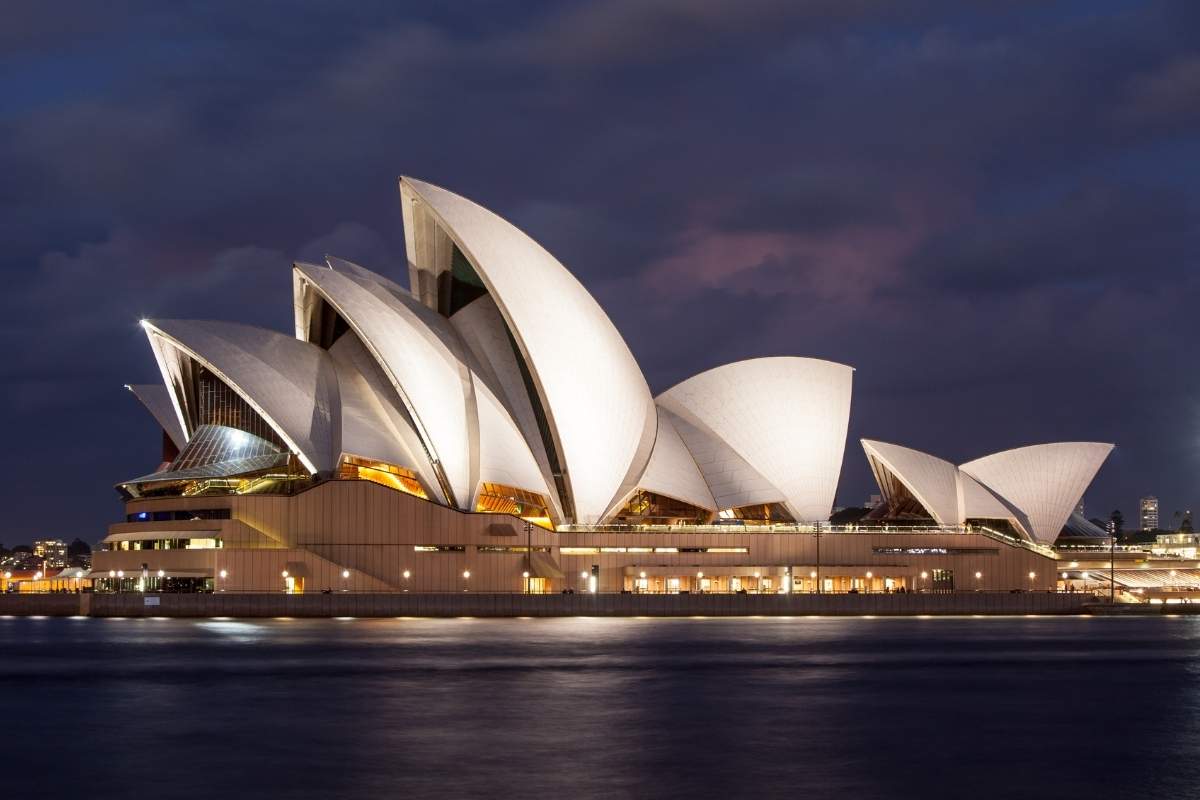

Introduction: The Call of the World’s Greatest Landmarks
Travelers from every corner of the globe have one thing in common: a desire to experience the world’s classic landmarks. These iconic attractions draw millions of visitors each year, not just for their beauty and historical significance, but for the sense of awe they inspire. Whether it’s the architectural marvel of the Eiffel Tower, the ancient mystique of the Pyramids of Giza, or the spiritual allure of Machu Picchu, these landmarks are more than just tourist destinations; they are cultural symbols, historical milestones, and sources of inspiration.
In this article, we will explore the most celebrated landmarks worldwide, from the towering man-made structures to the breathtaking natural wonders. These places not only tell the story of human ingenuity and history but also offer travelers a chance to connect with different cultures and time periods.
1. The Pyramids of Giza, Egypt: A Testament to Ancient Engineering
1.1. The Great Pyramid of Giza
Undoubtedly one of the most recognizable structures in the world, the Pyramids of Giza stand as an awe-inspiring testament to the advanced engineering skills of ancient Egyptian civilization. Located on the outskirts of Cairo, these pyramids were built as tombs for the pharaohs, with the Great Pyramid being the largest and most famous of the three.
- Significance: The Great Pyramid, originally built for Pharaoh Khufu around 2580 BC, was the tallest man-made structure in the world for over 3,800 years.
- Interesting Fact: The pyramid is estimated to have been constructed using approximately 2.3 million stone blocks, each weighing several tons.
1.2. The Sphinx: Guardian of the Pyramids
Near the Pyramids of Giza lies the Great Sphinx, a colossal limestone statue with the body of a lion and the head of a pharaoh. The Sphinx is often considered a symbol of mystery, as the exact reasons for its construction and the identity of the pharaoh it represents are still debated.
- Significance: The Sphinx is thought to represent the power and majesty of the pharaoh, combining the strength of the lion with the intelligence and wisdom of a human.
2. The Eiffel Tower, France: An Icon of Elegance and Innovation
2.1. Construction and Design
The Eiffel Tower, located in the heart of Paris, is an enduring symbol of French art, culture, and industrial ingenuity. Designed by the engineer Gustave Eiffel for the 1889 World’s Fair, it was initially met with skepticism, but today it is one of the most visited monuments in the world.
- Significance: At 330 meters tall, the Eiffel Tower was the tallest man-made structure in the world until the completion of the Chrysler Building in New York in 1930.
- Interesting Fact: The Eiffel Tower is made of wrought iron, a material that was relatively new at the time, symbolizing the era’s embrace of industrial advancement.
2.2. Cultural Influence and Views
Over the years, the Eiffel Tower has become not just a monument but a cultural touchstone. It appears in films, paintings, and photographs and is often associated with romance, French cuisine, and Parisian style. Visitors can take an elevator ride to the top for panoramic views of the city, with landmarks like the Louvre Museum, Notre-Dame Cathedral, and the Seine River visible from above.
3. Machu Picchu, Peru: A Lost City of the Incas
3.1. The Mystery of Machu Picchu
Hidden high in the Andes Mountains, Machu Picchu is one of the most remarkable ancient sites in the world. This Incan city, built around the 15th century, remained forgotten by most of the world until its rediscovery by Hiram Bingham in 1911. Despite its remote location, Machu Picchu has become one of the most popular tourist destinations in South America.
- Significance: Machu Picchu is a symbol of the Inca Empire and represents their remarkable achievements in architecture, agriculture, and astronomy.
- Interesting Fact: The site is located at 2,430 meters (7,970 feet) above sea level, making it an impressive feat of engineering considering the steep terrain.
3.2. The Incan Architecture
The site’s architecture is one of the most impressive aspects of Machu Picchu. The Incas built stone structures that are so perfectly aligned that it is nearly impossible to fit a knife blade between them. Many of the buildings are thought to have been used for ceremonial purposes, while others were residential spaces or even astronomical observatories.
4. The Great Wall of China: A Monumental Feat of Defense
4.1. The Magnitude of the Wall
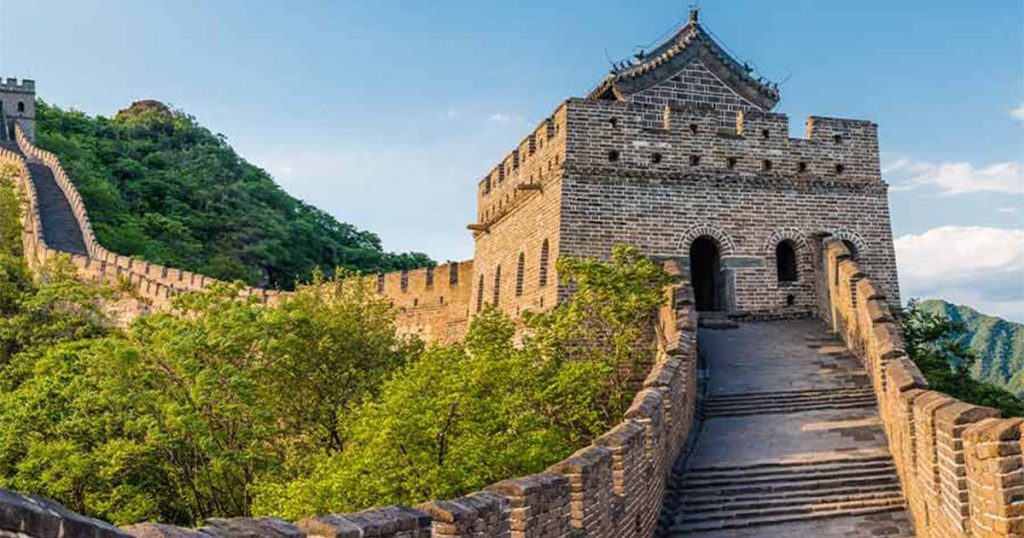
The Great Wall of China stretches over 13,000 miles, winding through mountains, deserts, and plains, and is one of the longest and most complex man-made structures ever built. Originally constructed as a defensive barrier against nomadic invaders, the wall spans several dynasties, with the most famous sections built during the Ming Dynasty.
- Significance: The wall’s sheer length and historical significance make it one of the most powerful symbols of Chinese strength, unity, and resilience.
- Interesting Fact: Despite its vast size, the Great Wall was not a single continuous wall but rather a series of walls and fortifications built by various rulers over many centuries.
4.2. A UNESCO World Heritage Site
Recognized by UNESCO as a World Heritage Site, the Great Wall attracts millions of visitors every year. Some of the most famous sections, such as those near Beijing, are easily accessible and offer panoramic views of the surrounding landscape.
5. The Colosseum, Italy: Rome’s Ancient Arena
5.1. The Legacy of the Colosseum
The Colosseum in Rome stands as a symbol of the grandeur of ancient Roman architecture. Completed in 80 AD, it was originally used for gladiatorial combat, mock sea battles, and other public spectacles. It could hold up to 50,000 spectators, making it one of the largest amphitheaters of its time.
- Significance: The Colosseum is a testament to the engineering prowess of the Romans, with its complex system of tunnels, elevators, and trapdoors used for dramatic effect during the games.
- Interesting Fact: Despite the destruction caused by earthquakes and stone-looting over the centuries, the Colosseum remains a central symbol of Rome’s rich history.
6. The Statue of Liberty, USA: A Symbol of Freedom
6.1. The Origins of Liberty
Gifted to the United States by France in 1886, the Statue of Liberty has become an enduring symbol of freedom and democracy. Standing on Liberty Island in New York Harbor, the statue was designed by French sculptor Frédéric Auguste Bartholdi and built by Gustave Eiffel (the same engineer who designed the Eiffel Tower).
- Significance: The statue represents the welcoming spirit of America, particularly for immigrants arriving by sea in the late 19th and early 20th centuries.
- Interesting Fact: The statue is made of copper, which has oxidized over time to create the greenish patina it is known for today.
6.2. Visiting the Statue
Visitors can take a ferry to Liberty Island, where they can tour the statue and the museum dedicated to its history. From the statue’s pedestal or crown, visitors enjoy stunning views of New York City and the Harbor.
7. The Taj Mahal, India: A Monument to Love
7.1. A Masterpiece of Mughal Architecture
Located in Agra, India, the Taj Mahal is an exquisite white marble mausoleum built by Emperor Shah Jahan in memory of his beloved wife, Mumtaz Mahal. Widely regarded as one of the greatest examples of Mughal architecture, the Taj Mahal combines elements from Persian, Ottoman, and Indian architectural styles.
- Significance: The Taj Mahal is a universal symbol of love, with its stunning gardens, reflecting pools, and ornate carvings.
- Interesting Fact: It took 20,000 workers over 20 years to complete the Taj Mahal, and it is widely considered one of the New Seven Wonders of the World.
7.2. Visiting the Taj Mahal
The Taj Mahal is especially breathtaking at sunrise and sunset, when the changing light casts a golden glow over the monument. A UNESCO World Heritage Site, it draws millions of visitors each year who come to marvel at its beauty and learn about its rich history.
Conclusion: The Enduring Appeal of Iconic Landmarks
From ancient wonders to modern masterpieces, the classic landmarks of the world offer something for every type of traveler. These destinations transcend time and place, representing the heights of human achievement, creativity, and history. Whether you’re exploring the ancient pyramids of Egypt or marveling at the modern elegance of the Eiffel Tower, these iconic sites are more than just travel destinations—they are the stories of our shared human journey.
As you plan your next adventure, consider including some of these timeless landmarks on your travel bucket list. Each one provides an opportunity not only to explore the world’s rich history but also to connect with the global tapestry of cultures that make our planet so diverse and fascinating.