




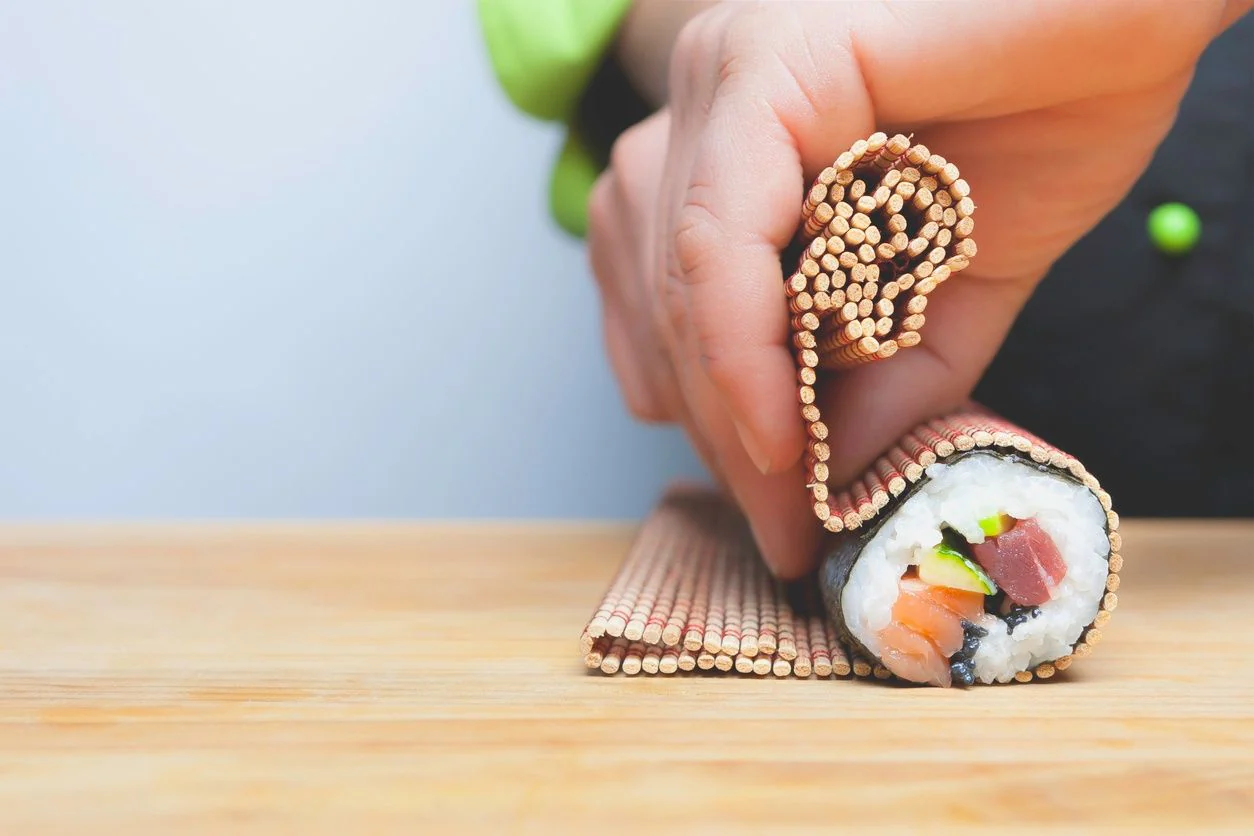

Japan is renowned worldwide for its culinary artistry, and sushi stands out as one of its most iconic contributions. Beyond being a mere dish, sushi embodies centuries of tradition, precision, and cultural philosophy. In recent years, sushi-making experiences have become increasingly popular among tourists and culinary enthusiasts, offering a hands-on opportunity to learn from skilled chefs and immerse oneself in Japanese culture.
This article explores the sushi-making experience in Japan, covering its historical background, cultural significance, types of sushi, preparation techniques, training approaches, culinary etiquette, and practical tips for participating in these immersive workshops.
1. Historical and Cultural Background
1.1 Origins of Sushi
- Sushi originated as a method of preserving fish in fermented rice, known as narezushi, during the Edo period.
- Over time, techniques evolved into modern nigiri and maki sushi, emphasizing freshness, balance, and aesthetic presentation.
1.2 Sushi as a Cultural Symbol
- Sushi represents meticulous attention to detail, harmony of flavors, and respect for seasonal ingredients.
- It reflects broader Japanese cultural values, including precision, patience, and mindfulness.
1.3 Global Influence and Tourism
- International interest in sushi has led to culinary tourism, with many travelers seeking authentic hands-on experiences in Japan.
- Sushi-making workshops serve as both educational and cultural immersion experiences, enhancing appreciation for Japanese traditions.
2. Types of Sushi and Their Characteristics
2.1 Nigiri Sushi
- Consists of hand-pressed rice topped with fresh fish or seafood.
- Requires precise rice texture, portioning, and balance with the topping.
2.2 Maki Sushi
- Rolled sushi wrapped in nori (seaweed) with fillings like fish, vegetables, and rice.
- Varieties include hosomaki (thin rolls), futomaki (thick rolls), and uramaki (inside-out rolls).
2.3 Sashimi
- Thinly sliced raw fish served without rice.
- Focuses on freshness, knife skills, and presentation artistry.
2.4 Specialty Sushi
- Includes temaki (hand rolls), chirashi (scattered sushi), and pressed sushi (oshizushi).
- Each type requires specific techniques and presentation skills.
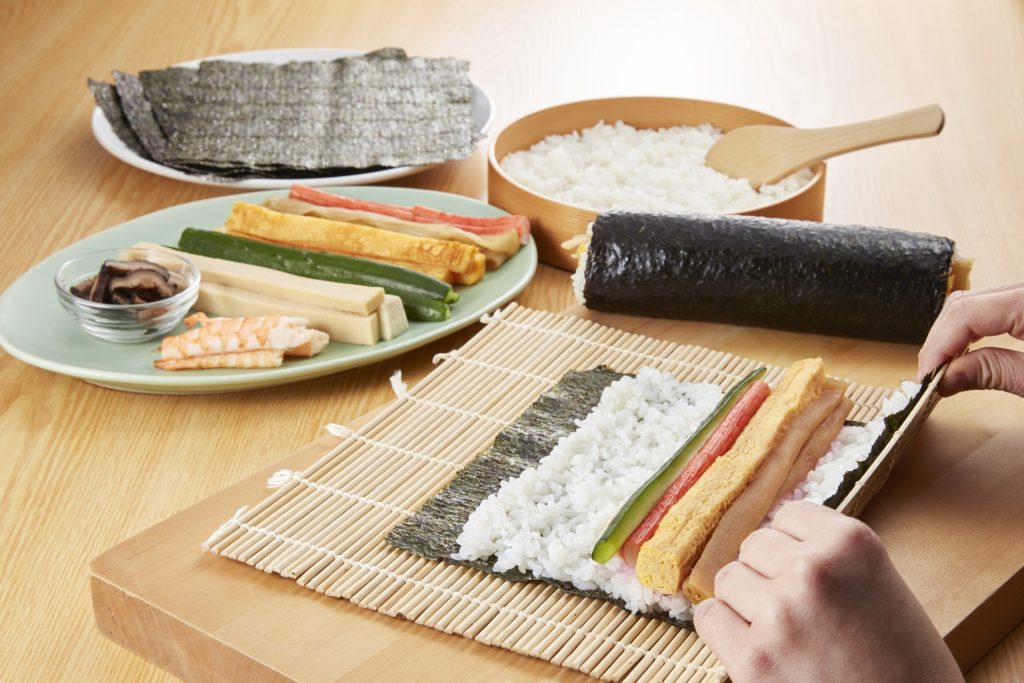
3. Sushi-Making Experience: Structure and Approach
3.1 Orientation and Introduction
- Participants are introduced to Japanese culinary culture, ingredient selection, and sushi history.
- Chefs demonstrate basic techniques and emphasize safety and hygiene.
3.2 Ingredient Preparation
- Rice is washed, cooked, seasoned, and cooled to achieve the ideal sticky yet fluffy texture.
- Fresh fish and seafood are prepared, ensuring proper slicing, freshness, and handling.
3.3 Hands-On Instruction
- Participants learn to form nigiri, roll maki, and assemble specialty sushi under chef supervision.
- Focus on precision, proportion, and technique, with individual guidance.
3.4 Plating and Presentation
- Chefs teach artful arrangement, garnishing, and aesthetic balance.
- Emphasis is placed on color contrast, symmetry, and seasonal decoration.
3.5 Tasting and Feedback
- Participants taste their creations and receive feedback on flavor balance, texture, and presentation.
- Encourages self-reflection, iterative improvement, and appreciation of culinary artistry.
4. Essential Sushi-Making Techniques
4.1 Rice Preparation
- Proper sushi rice requires short-grain rice, precise washing, consistent cooking, and seasoning with rice vinegar, sugar, and salt.
- Achieving the correct stickiness and temperature is critical for shaping nigiri and rolls.
4.2 Knife Skills
- Japanese chefs emphasize precision cuts, minimal handling, and respect for ingredient integrity.
- Techniques include slicing fish, julienning vegetables, and cutting nori sheets.
4.3 Rolling Techniques
- Rolling requires even pressure, uniformity, and correct alignment of fillings.
- Learning the proper hand placement and rolling motion ensures professional-quality maki.
4.4 Nigiri Formation
- Involves shaping rice with the right firmness and molding it to support the topping.
- Proper technique ensures balance, bite-size portions, and visual appeal.
4.5 Seasonal and Decorative Techniques
- Garnishing with edible flowers, roe, or thinly sliced vegetables enhances aesthetics.
- Techniques reflect seasonal ingredients and cultural symbolism.
5. Cultural Etiquette and Culinary Philosophy
5.1 Respecting Ingredients
- Japanese cuisine emphasizes minimal waste, freshness, and honoring the natural flavors.
5.2 Mindfulness in Preparation
- Participants are taught patience, attention to detail, and focus while preparing each piece.
5.3 Interaction with Chefs
- Students learn proper etiquette, including bowing, attentive listening, and following instructions.
- Emphasizes the mentor-apprentice relationship inherent in traditional Japanese culinary training.
5.4 Tasting and Appreciation
- Tasting is done mindfully, appreciating texture, balance, and umami.
- Encourages cultural respect and sensory engagement.
6. Planning Your Sushi-Making Experience
6.1 Choosing a Workshop
- Options range from short tourist workshops to multi-day intensive courses.
- Consider chef experience, class size, language support, and focus on regional specialties.
6.2 Duration and Schedule
- Classes typically last 2–4 hours, with some multi-day courses for professional skill development.
6.3 Costs and Value
- Prices vary based on duration, exclusivity, and included ingredients.
- Value includes hands-on learning, cultural immersion, and lifelong culinary skills.
6.4 Location Considerations
- Offered in Tokyo, Kyoto, Osaka, and coastal towns for seafood access.
- Urban workshops emphasize accessibility, while rural courses often include market visits and fishing experiences.
7. Culinary Tourism and Cultural Impact
7.1 Promoting Local Culture
- Sushi-making experiences connect participants with local markets, fishing communities, and culinary heritage.
7.2 Economic Contribution
- Workshops support small businesses, local chefs, and regional tourism.
7.3 Educational Benefits
- Enhances understanding of Japanese history, regional variations, and sustainable fishing practices.
7.4 Long-Term Skill Acquisition
- Participants can replicate techniques at home, fostering cultural appreciation and culinary self-sufficiency.
8. Health, Safety, and Hygiene Considerations
8.1 Food Safety Practices
- Emphasis on handling raw fish, maintaining cold chain, and using sanitized equipment.
- Participants learn safe cutting techniques and cross-contamination prevention.
8.2 Personal Hygiene
- Washing hands, wearing gloves, and proper attire ensure classroom safety and food integrity.
8.3 Allergies and Dietary Restrictions
- Workshops accommodate seafood allergies or dietary preferences when possible.
- Chefs provide alternative ingredients or vegetarian sushi options.
9. Expanding Beyond Basic Sushi
9.1 Specialty Sushi Workshops
- Include kaiseki-inspired sushi, sushi with seasonal vegetables, and innovative fusion styles.
9.2 Pairing Sushi with Japanese Beverages
- Instruction may include sake, green tea, or plum wine pairing, highlighting flavor synergy.
9.3 Advanced Knife and Plating Techniques
- Multi-day courses focus on precision slicing, artistic presentation, and gourmet plating.
9.4 Market and Farm Integration
- Some experiences include visits to Tsukiji Market or local fisheries, linking ingredient sourcing to culinary education.
10. Tips for Maximizing the Sushi-Making Experience
- Arrive Prepared: Bring curiosity, patience, and a willingness to learn.
- Engage Fully: Ask questions, observe closely, and practice actively.
- Respect Cultural Norms: Follow chef guidance and classroom etiquette.
- Take Notes and Photos: Document techniques, ingredient ratios, and plating ideas.
- Practice at Home: Reinforce learned skills for long-term mastery.
- Explore Regional Variations: Try workshops in different cities to experience local specialties.
11. Case Studies of Memorable Sushi Workshops
11.1 Tokyo Sushi Experience
- Short workshops in metropolitan sushi schools emphasizing speed, precision, and modern sushi trends.
11.2 Kyoto Cultural Workshop
- Combines traditional sushi preparation with cultural history, tea ceremonies, and market visits.
11.3 Coastal Sushi Training
- Hands-on experience at fishermen’s cooperatives or seaside culinary schools.
- Focus on ultra-fresh fish and seasonal ingredients.
11.4 Multi-Day Culinary Immersion
- Includes knife skills, advanced plating, ingredient sourcing, and traditional etiquette.
- Participants leave with certificates and advanced culinary skills.
12. Conclusion
Sushi-making experiences in Japan offer more than culinary instruction—they provide a cultural, educational, and artistic journey. Through hands-on participation, students gain practical skills, historical insight, and a deeper appreciation for Japanese culture.
From mastering the perfect nigiri rice to learning the art of precise slicing and aesthetic presentation, participants emerge with lifelong skills and cultural understanding. Beyond personal growth, these experiences contribute to sustaining culinary traditions, supporting local economies, and fostering cross-cultural exchange.
For travelers and culinary enthusiasts, sushi workshops represent an immersive, interactive, and unforgettable way to engage with Japanese gastronomy, blending skill acquisition, cultural enrichment, and sensory delight in one comprehensive experience.