





Introduction: The Heart of Fiordland
Located in the Fiordland National Park on the southwest coast of New Zealand’s South Island, Milford Sound (known as Piopiotahi in Māori) is one of the most breathtaking natural wonders on Earth. Often referred to as the “eighth wonder of the world,” Milford Sound is not just a scenic fjord but a cultural, geological, and ecological treasure that offers visitors a rare opportunity to experience New Zealand’s wild, untouched beauty.
Milford Sound is renowned for its towering cliffs, lush rainforests, cascading waterfalls, and an atmosphere that shifts from serene calm to dramatic power depending on the weather. The area is a must-see destination for those looking to experience the rugged beauty of New Zealand’s wilderness, and a place that consistently ranks among the top places to visit in the world.
In this article, we’ll explore the geological formation of Milford Sound, its unique ecosystems, cultural significance, and the activities that make it one of the most sought-after travel destinations in New Zealand.
1. The Geography and Formation of Milford Sound
1.1. Geological History: The Making of Milford Sound
Milford Sound is a product of millions of years of natural processes, particularly glaciation. The fjord was carved by ancient glaciers that scoured the landscape during the Ice Age. Over time, these glaciers carved deep, U-shaped valleys that eventually filled with seawater, forming the iconic fjord we see today.
- Tectonic Forces: The region where Milford Sound is located was uplifted by tectonic forces, which also helped form the Southern Alps. This geological activity contributed to the fjord’s dramatic vertical cliffs, some of which rise to over 1,200 meters above the water.
- Glacial Carving: The glaciers that shaped Milford Sound were immense. As they moved slowly across the land, they eroded the rock beneath them, leaving behind the sheer cliffs, deep valleys, and fjords we recognize today.
Milford Sound’s unique geological formation has made it one of the most spectacular fjords in the world.
1.2. Key Features of Milford Sound
Milford Sound has several notable features that make it stand out as a natural wonder:
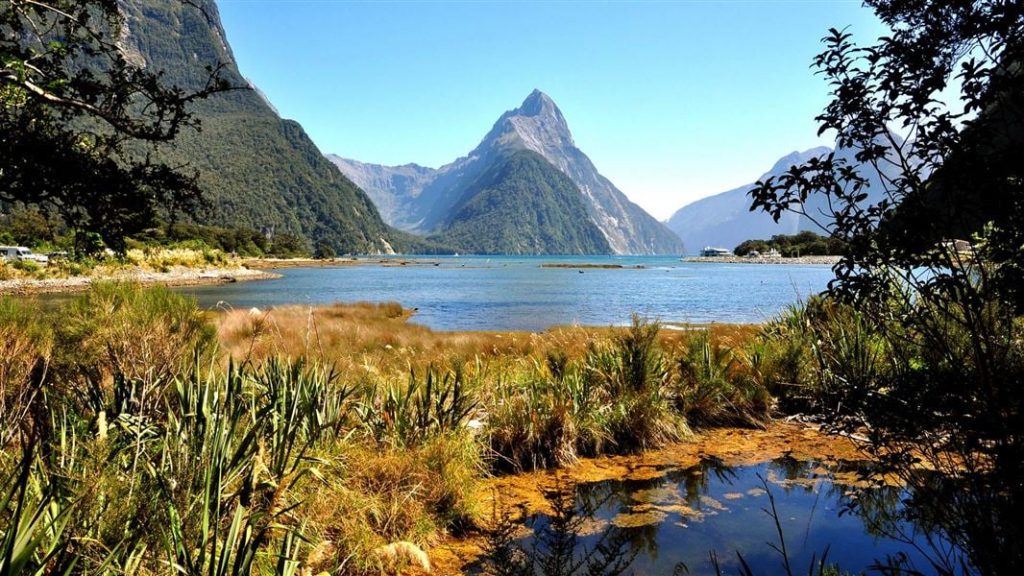
- Mitre Peak: The most iconic mountain in Milford Sound, Mitre Peak, rises 1,692 meters above the fjord and has a distinctive, pyramid-like shape.
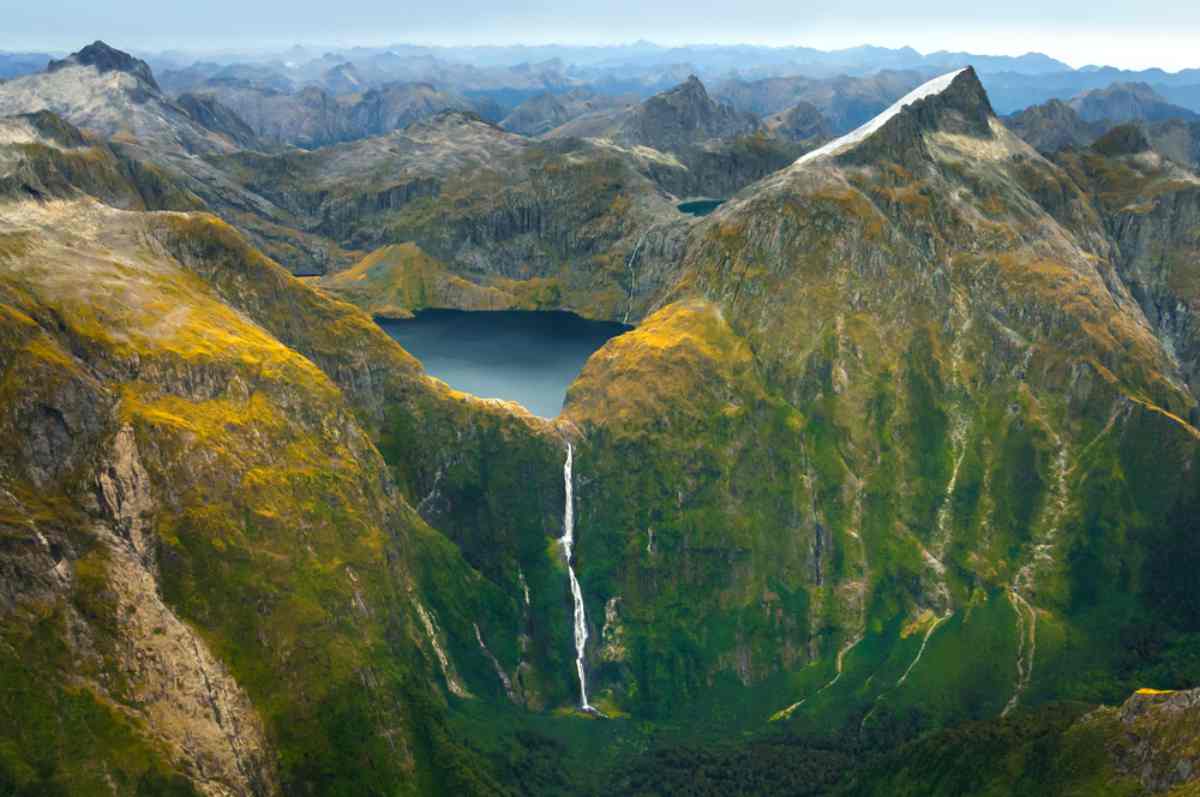
- Waterfalls: Milford Sound is home to numerous waterfalls, most notably the Bowen Falls and Stirling Falls, which plummet hundreds of meters down the cliffs during the wetter months. These waterfalls are particularly stunning after rainfall when the cliffs come alive with cascading water.
- Caves and Inlets: The fjord contains a network of small caves and inlets, some of which are home to unique species of fauna and flora. These include the Milford Sound cave, where rare organisms thrive.
2. The Ecological and Biodiversity Significance of Milford Sound
2.1. Marine and Forest Ecosystems
Milford Sound’s diverse ecosystems are crucial to its significance as a natural wonder. The fjord is home to a variety of marine life, including dolphins, seals, and various fish species, as well as alpine flora that thrives along the cliffs and in the surrounding rainforests.
- Marine Life: The waters of Milford Sound are rich in nutrients due to the constant mixing of fresh and saltwater, creating a haven for marine life. Visitors can often spot Dusky Dolphins, New Zealand fur seals, and occasionally orcas in the fjord.
- Birdlife: The fjord is a birdwatcher’s paradise, home to penguins, albatrosses, and the rare kiwi, which has become an iconic symbol of New Zealand.
- Rainforests: The area around Milford Sound is covered by temperate rainforests, which support unique plant species like the totara, rimu, and kahikatea trees. The forest is also home to a wide range of insects, fungi, and small mammals that contribute to the biodiversity of the region.
2.2. The Role of Conservation in Protecting Milford Sound
Given its unique biodiversity and geological value, Milford Sound is protected as part of Fiordland National Park, a UNESCO World Heritage Site. Conservation efforts in the region focus on preserving the natural environment, controlling invasive species, and maintaining the integrity of the ecosystems that depend on the fjord’s delicate balance of freshwater and seawater.
- Invasive Species Management: To protect native wildlife, various programs aim to control invasive species, such as rats and stoats, which threaten the delicate balance of the ecosystem.
- Sustainable Tourism: In response to the rising number of visitors, there is a strong emphasis on sustainable tourism practices in Milford Sound. Efforts include limiting the number of visitors during peak times and promoting eco-friendly travel options.
3. Milford Sound’s Cultural Significance
3.1. Māori History and Legend
Before European explorers arrived in New Zealand, the region now known as Milford Sound was inhabited by Māori tribes. The Māori name for Milford Sound, Piopiotahi, refers to a mythical bird, the piopio, which was said to have been driven to extinction by the arrival of humans.
- Māori Mythology: According to Māori legend, Piopiotahi was named after a bird that fell from the sky and soared into the fjord. The Māori people consider the fjord a sacred place, and its towering cliffs and pristine waters are viewed as symbols of strength and protection.
- Māori Traditions: Māori have a deep spiritual connection to the land and the sea, with traditions and rituals tied to the environment. Milford Sound is significant to the Māori people, both for its historical importance and its spiritual resonance.
3.2. European Discovery
The European discovery of Milford Sound came much later, in the early 19th century. It was the famous explorer John Grono who first navigated into the fjord in 1812. Since then, Milford Sound has evolved from a remote, inaccessible region into one of New Zealand’s most beloved tourist destinations.
4. Exploring Milford Sound: Activities and Attractions
4.1. Cruises and Boat Tours
One of the best ways to experience Milford Sound’s breathtaking beauty is by taking a cruise along the fjord. Various operators offer boat tours that allow visitors to get close to the waterfalls, cliffs, and wildlife. These tours offer spectacular views of Mitre Peak and provide the opportunity to see dusky dolphins and New Zealand fur seals.
- Nature Cruises: These cruises typically provide an educational commentary on the fjord’s natural history, including its formation, wildlife, and conservation efforts.
- Scenic Cruises: For those seeking a more relaxed experience, scenic cruises allow travelers to enjoy the majestic landscapes of Milford Sound at a slower pace.
4.2. Hiking Trails and Day Walks
For adventurous travelers, Milford Sound offers a variety of hiking trails that showcase its stunning landscapes. Some of the most popular trails include:
- The Milford Track: Known as one of the finest multi-day hikes in the world, the Milford Track takes hikers on a 53-kilometer journey through rainforests, past waterfalls, and across suspension bridges, eventually ending at Milford Sound.
- Gertrude Saddle: A more challenging hike, the Gertrude Saddle offers incredible panoramic views of the fjord and surrounding mountains.
4.3. Kayaking and Scenic Flights
For those looking for a more intimate experience, kayaking is a great way to explore the quieter parts of the fjord. Visitors can paddle along the shoreline, gliding past cliffs and waterfalls in complete tranquility.
- Kayaking: This is an opportunity to immerse oneself in the natural beauty of Milford Sound and observe wildlife from a unique perspective.
- Scenic Flights: For a truly unforgettable experience, visitors can take a scenic flight over the fjord, providing stunning aerial views of the surrounding peaks, valleys, and glaciers.
5. Accessibility and Travel Tips
5.1. Getting to Milford Sound
Milford Sound is located in one of the most remote regions of New Zealand, but it is still accessible to travelers. The most common ways to reach Milford Sound include:
- By Car: Driving from Te Anau to Milford Sound takes about 2 hours along the scenic Milford Road.
- By Bus: Several companies offer guided bus tours from Te Anau or Queenstown, which include commentary on the region’s natural and cultural history.
- By Flight: For those short on time, scenic flights from Queenstown to Milford Sound are available, providing stunning views of the fjord and surrounding mountains.
5.2. Best Time to Visit Milford Sound
Milford Sound can be visited year-round, but the best time to visit depends on what kind of experience you are seeking:
- Summer (December–February): The weather is generally mild, with long daylight hours. This is the busiest season, so expect more visitors.
- Winter (June–August): Winter offers a quieter, more serene experience, but temperatures can be cold, and some activities may be limited.
- Autumn/Spring: These seasons offer a middle ground, with fewer tourists and beautiful landscapes, especially in the changing foliage.
6. Conclusion: The Timeless Allure of Milford Sound
Milford Sound is one of New Zealand’s most iconic and awe-inspiring natural wonders. Whether you are a nature enthusiast, a thrill-seeker, or simply someone in search of peace and tranquility, the fjord offers something for everyone. From its dramatic landscapes and diverse ecosystems to its rich cultural history and recreational activities, Milford Sound continues to captivate all who visit.
However, as with all fragile ecosystems, it is essential that we continue to respect and protect this magnificent environment. By practicing sustainable tourism and following conservation guidelines, we can ensure that future generations will also have the privilege of experiencing the beauty and majesty of Milford Sound.