




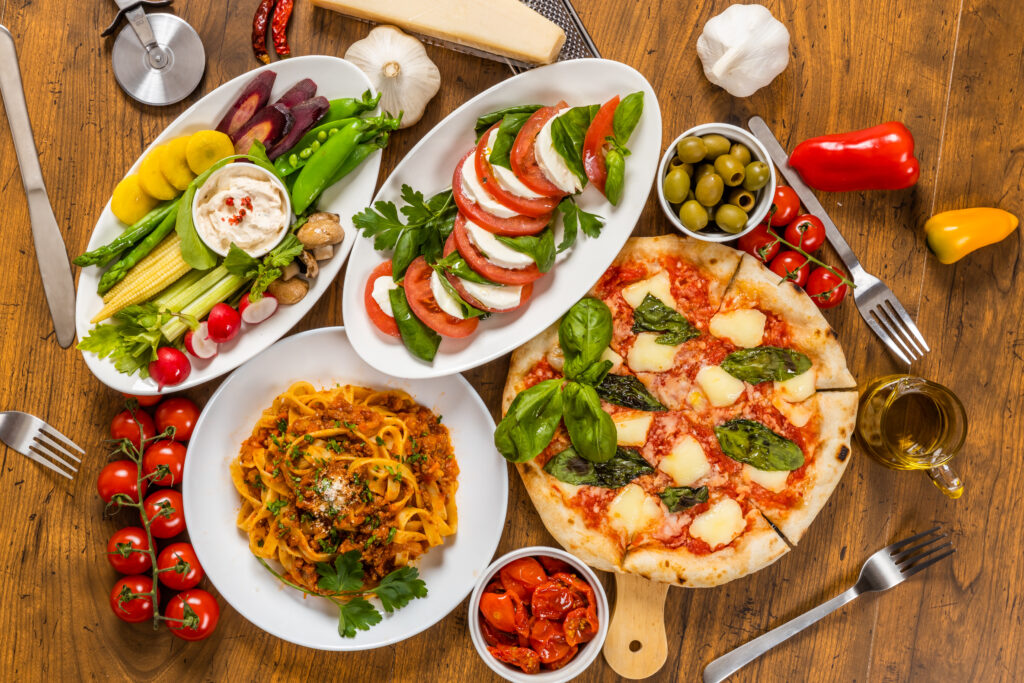

Italian cuisine is undoubtedly one of the most beloved and celebrated culinary traditions in the world. Renowned for its bold flavors, fresh ingredients, and rich cultural history, the food of Italy tells the story of its people, regions, and centuries of culinary innovation. From the bustling streets of Rome to the tranquil hills of Tuscany, each region of Italy offers its own distinct food culture, creating a unique tapestry of tastes and culinary practices. This article delves into the essence of the Italian food experience, exploring its history, key dishes, ingredients, and the cultural significance of food in Italian life.
The Origins of Italian Cuisine
The origins of Italian cuisine can be traced back to ancient times, influenced by a wide array of cultures and civilizations that have left their mark on the Italian peninsula. The Etruscans, Greeks, Romans, and Arabs all contributed to the development of Italian food, bringing with them new ingredients, cooking techniques, and ideas about dining. As Italy became unified in the 19th century, regional food traditions continued to flourish, each region developing its own distinctive culinary identity.
The concept of “la dolce vita” (the sweet life) is intrinsically tied to Italian food culture, where meals are an experience to be savored, enjoyed, and shared. Food in Italy is not simply fuel; it is a celebration of life, family, and tradition. Central to the Italian food experience is the idea that food should be fresh, simple, and of the highest quality—qualities that have remained constant through centuries of culinary evolution.
Key Ingredients in Italian Cuisine
Italian cuisine is built upon a foundation of high-quality, fresh ingredients that vary according to the region, season, and local agricultural practices. Many of the ingredients used in Italian cooking are simple but essential to creating the deep flavors that characterize Italian food.
1. Olive Oil
Olive oil is the cornerstone of Italian cooking, used in everything from frying to drizzling over pasta, vegetables, and salads. Italy is one of the largest producers of olive oil in the world, with regions like Tuscany, Puglia, and Sicily being renowned for their high-quality olive oils. Olive oil not only provides a rich, aromatic flavor but also serves as a symbol of the country’s agricultural heritage.
2. Cheese
Italy is famous for its vast variety of cheeses, each with its own unique taste and texture. Some of the most well-known Italian cheeses include Parmesan (Parmigiano-Reggiano), Mozzarella, Gorgonzola, and Ricotta. Each region of Italy has its own specialty cheese, and these cheeses are used in a wide array of dishes, from pasta and pizza to salads and antipasti. The rich flavors and textures of Italian cheeses enhance the dishes they accompany, adding complexity and depth to the meal.
3. Tomatoes
Tomatoes are another staple ingredient in Italian cooking. Whether used fresh in salads or cooked into rich sauces for pasta or pizza, tomatoes are a symbol of Italian culinary ingenuity. Italy’s climate, with its long, hot summers, provides the perfect conditions for growing tomatoes, especially in regions like Campania, Puglia, and Sicily. The famous San Marzano tomatoes from Campania are widely regarded as some of the best tomatoes in the world, prized for their sweet flavor and low acidity.
4. Pasta
Pasta is perhaps the most iconic ingredient in Italian cuisine, and its variations are virtually limitless. From simple shapes like spaghetti and penne to stuffed pastas like ravioli and tortellini, pasta is the centerpiece of many Italian meals. The key to great pasta lies in its texture, which is achieved through a precise combination of high-quality flour, water, and sometimes eggs. Each region of Italy has its own unique pasta dishes, and the variety of sauces and toppings reflects the diversity of Italian food culture.
Italian Regional Cuisine: A World of Flavors
One of the most fascinating aspects of Italian cuisine is its regional diversity. From the alpine regions of the north to the sunny islands of the south, the food of Italy varies greatly depending on geography, climate, and local traditions. Below is a look at some of the most distinctive culinary regions of Italy.
1. Northern Italy: Rich, Creamy, and Hearty
Northern Italian cuisine is characterized by its rich, creamy sauces, butter-based cooking methods, and an abundance of meats, cheeses, and fresh herbs. The cooler climate in this part of Italy lends itself to the cultivation of grains, rice, and root vegetables, as well as livestock farming.
- Piedmont: Known for its truffles, particularly white truffles from Alba, Piedmont also produces wines such as Barolo and Barbaresco. The cuisine of this region features rich, savory dishes like fonduta (a type of fondue made with cheese) and vitello tonnato (veal with tuna sauce).
- Lombardy: Famous for its rice dishes, Lombardy is home to the famous Risotto alla Milanese, a rich, creamy dish made with saffron. The region also produces Osso Buco, a slow-braised veal shank cooked with vegetables, white wine, and broth.
- Veneto: This region is known for its seafood, as well as dishes like risotto al nero di seppia (squid ink risotto) and fegato alla Veneziana (liver with onions). The city of Venice is also known for sarde in saor, a marinated sardine dish.
2. Central Italy: A Blend of Simplicity and Flavor
Central Italy is often considered the heart of Italian culinary traditions. The food here is known for its simplicity, highlighting the quality of local ingredients rather than complex preparation.
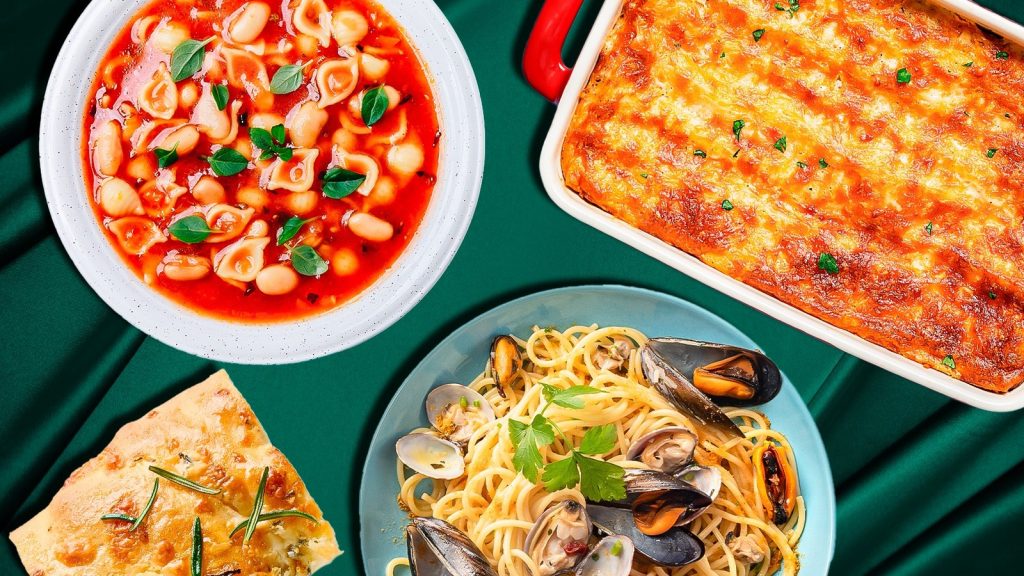
- Tuscany: Famous for its Florentine steak (Bistecca alla Fiorentina) and hearty soups like ribollita, Tuscany is the home of olive oil, wines like Chianti, and fresh vegetables. Tuscan cuisine also features panzanella, a bread salad, and crostini (toasts topped with liver pâté).
- Umbria: Known as the “green heart of Italy,” Umbria is famous for its wild game, truffles, and hearty, rustic dishes. Agnello alla Cacciatora (lamb stew) and strangozzi (a type of pasta) are common dishes from this region.
- Marche: The region of Marche is known for its brodetto (a fish stew) and its vincisgrassi, a rich lasagna-like dish made with béchamel sauce.
3. Southern Italy: Bold Flavors and Mediterranean Influences
Southern Italian cuisine is influenced by Mediterranean ingredients such as tomatoes, olives, capers, and citrus fruits. The food here is known for being bold, flavorful, and often spicy, with an emphasis on fresh, locally grown produce and seafood.
- Campania: Home to the iconic Neapolitan pizza, Campania is also known for its pizza margherita (topped with tomatoes, mozzarella, and basil). The region also boasts sfogliatella, a flaky pastry, and spaghetti alle vongole (spaghetti with clams).
- Sicily: Sicilian cuisine is a melting pot of influences from Arab, Greek, and Spanish cultures. Dishes like caponata (a sweet and sour eggplant stew), arancini (stuffed rice balls), and cannoli (sweet ricotta-filled pastries) are staples of the Sicilian food tradition.
- Puglia: Known for its olive oil production, Puglia is also famous for its orecchiette (pasta shaped like little ears) served with broccoli rabe and anchovies. The region also has a rich seafood tradition, with dishes like cozze ripiene (stuffed mussels).
4. Sardinia and Corsica: Unique Island Flavors
The islands of Sardinia and Corsica (although Corsica is part of France, its food shares many similarities with Sardinia) have a distinctive culinary culture that revolves around the abundance of seafood, cheeses, and wild herbs.
- Sardinia: Sardinian cuisine includes porceddu (roast suckling pig) and malloreddus (small gnocchi-like pasta), often served with a tomato-based sauce. The island is also known for fiore sardo cheese, which is made from sheep’s milk and has a strong, nutty flavor.
- Corsica: Corsican food blends French and Italian influences, with dishes such as figatellu (a type of liver sausage), brocciu (a sheep’s milk cheese), and canistrelli (biscuit-like cookies).
The Italian Dining Experience: More Than Just a Meal
In Italy, food is much more than just sustenance; it is an integral part of the country’s social and cultural fabric. Meals are often a time for family and friends to come together, share food, and enjoy each other’s company. The antipasto (appetizer) starts the meal, followed by a primo (first course) such as pasta or risotto, a secondo (main course) featuring meat or fish, and then a dolce (dessert) to finish. Throughout the meal, conversation flows, wine is poured, and laughter fills the air.
Regional wine pairings are also an essential part of the Italian dining experience. From the bold reds of Tuscany to the crisp whites of Friuli Venezia Giulia, Italian wines are often paired with specific regional dishes to enhance the overall meal.
Conclusion: The Heart and Soul of Italy in Every Bite
The Italian food experience is a reflection of the country’s history, culture, and passion for life. From the rolling hills of Tuscany to the coastal towns of Sicily, each region offers a unique culinary experience that is rooted in tradition but continually evolving. Italian food is about more than just taste; it is about connection, community, and an appreciation for the simple pleasures in life.
Whether you are enjoying a casual pizza in Naples, a luxurious seafood feast in Sardinia, or a rich bowl of pasta in Rome, the flavors of Italy are a reminder of the country’s deep cultural roots and its unwavering dedication to quality, flavor, and tradition. In every dish, you taste the story of Italy—its people, its land, and its enduring love for food that brings us all together.