




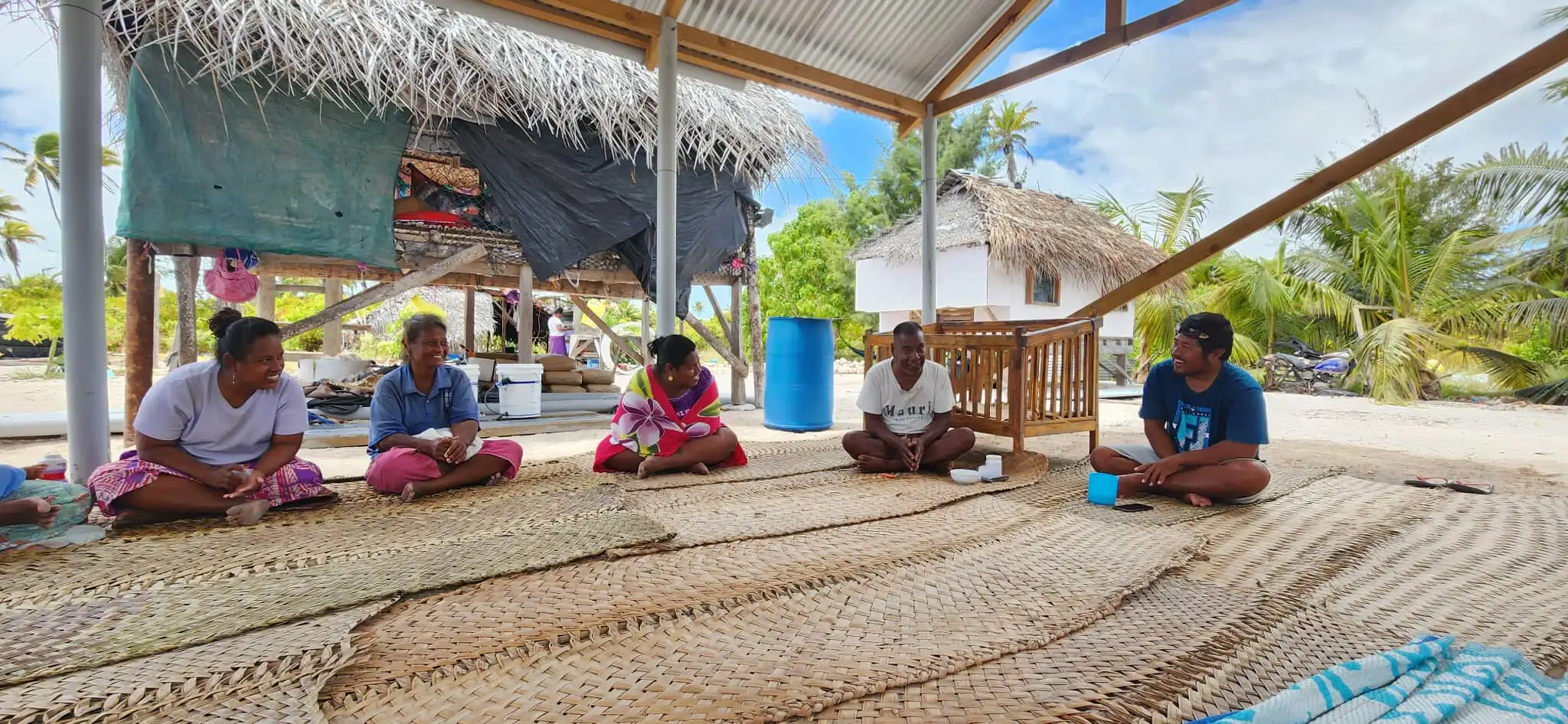

Community-based tourism (CBT) has emerged as a significant trend in the travel industry, offering authentic experiences while promoting social, economic, and cultural benefits for local communities. Unlike conventional tourism, which often prioritizes sightseeing and entertainment, CBT emphasizes direct interaction between travelers and residents, fostering understanding, mutual respect, and sustainable development.
This article explores the concept of community-based tourism, its principles, benefits, challenges, implementation strategies, case studies, and best practices for travelers and communities alike.
1. Understanding Community-Based Tourism
Community-based tourism refers to travel experiences designed, managed, and shared by local communities, often in rural or culturally significant areas. The primary goal is to empower residents, conserve cultural and natural resources, and provide visitors with immersive, educational experiences.
1.1 Key Characteristics of CBT
- Local Ownership and Participation: Communities design experiences, manage operations, and share profits.
- Cultural Immersion: Visitors participate in local traditions, crafts, cuisine, and daily life.
- Environmental Sustainability: CBT promotes responsible resource use and conservation.
- Educational Experience: Travelers gain insights into local culture, history, and lifestyle.
1.2 Distinction from Conventional Tourism
Unlike traditional tourism, where services are often delivered by external operators, CBT prioritizes community control, authentic engagement, and equitable benefits.
2. Historical Context and Evolution
Community-based tourism gained prominence in the late 20th century, driven by global concerns about cultural erosion, environmental degradation, and inequitable economic benefits from tourism.
- 1970s–1980s: Early forms of rural tourism emerged in countries like Thailand, Costa Rica, and Kenya, focusing on ecotourism and cultural preservation.
- 1990s: International organizations, such as the UN World Tourism Organization (UNWTO), began promoting CBT as a tool for sustainable development.
- 2000s–Present: CBT has expanded globally, integrating technology, marketing platforms, and policy support to reach wider audiences.
3. Principles of Community-Based Tourism
CBT operates on several foundational principles:
3.1 Empowerment and Local Control
- Communities should participate in decision-making, control tourism activities, and benefit economically.
- Governance structures, such as cooperatives or community trusts, help distribute income fairly.
3.2 Cultural and Environmental Sustainability
- Tourism activities must respect local customs, heritage, and ecosystems.
- Conservation of cultural practices and natural resources ensures the longevity of tourism benefits.
3.3 Visitor Engagement and Education
- Travelers are encouraged to learn, participate, and interact meaningfully rather than observe passively.
- Workshops, storytelling sessions, guided walks, and homestays are common engagement methods.
3.4 Fair Economic Distribution
- Revenues from tourism should directly support community development, such as schools, healthcare, and infrastructure.
- Local artisans, farmers, and service providers benefit economically.
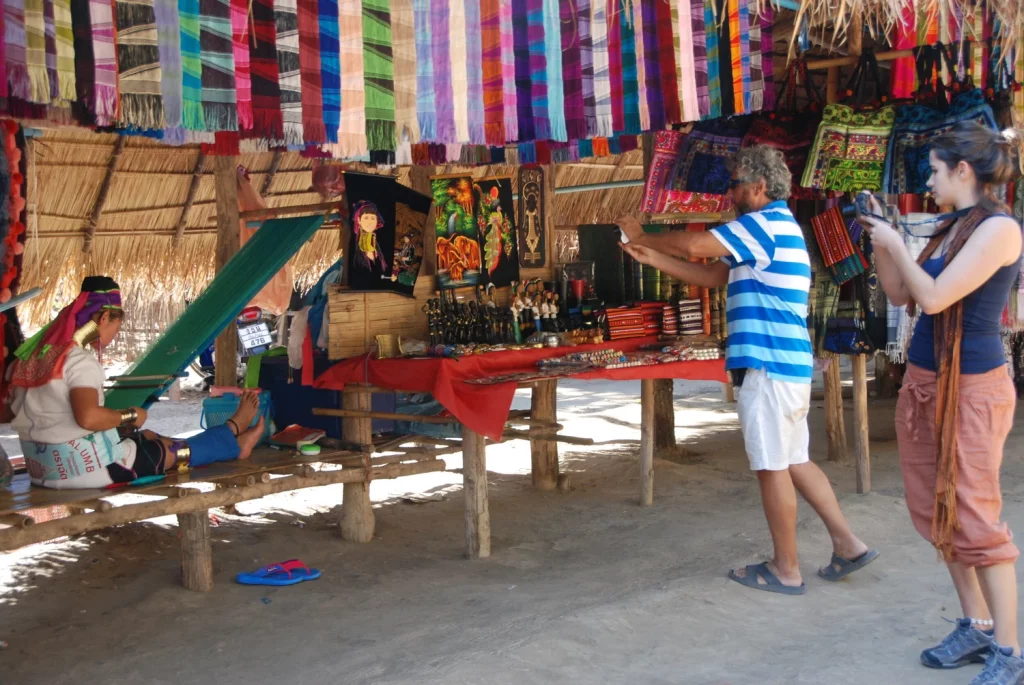
4. Benefits of Community-Based Tourism
CBT creates positive impacts across economic, social, cultural, and environmental dimensions:
4.1 Economic Benefits
- Generates income for residents through homestays, handicrafts, guiding services, and local food.
- Stimulates local entrepreneurship and reduces dependency on external operators.
- Encourages reinvestment in community development projects.
4.2 Social and Cultural Benefits
- Strengthens community identity and pride by preserving traditions and heritage.
- Promotes intercultural dialogue between travelers and locals.
- Encourages youth engagement in cultural preservation.
4.3 Environmental Benefits
- Supports eco-friendly tourism practices, including conservation, waste reduction, and sustainable agriculture.
- Encourages visitors to respect natural habitats and local wildlife.
4.4 Educational and Experiential Benefits
- Travelers gain authentic experiences such as cooking local meals, learning traditional crafts, or participating in festivals.
- Enhances global awareness of cultural diversity, social challenges, and environmental issues.
5. Examples of Community-Based Tourism
5.1 Chiang Mai Villages, Thailand
- Visitors participate in traditional cooking classes, handicraft workshops, and temple ceremonies.
- Income supports local education programs and infrastructure development.
5.2 Maasai Cultural Experiences, Kenya
- Travelers stay in Maasai villages, learning about customs, traditional attire, and livestock management.
- Tourism profits fund health clinics, schools, and community projects.
5.3 Colchagua Valley, Chile
- Wine tourism combined with village tours allows travelers to interact with winemakers and local artisans.
- Encourages sustainable agricultural practices and preserves regional heritage.
5.4 Kerala Village Tourism, India
- Activities include canoeing, traditional dance performances, cooking workshops, and organic farming participation.
- Villagers manage accommodations and tours, ensuring profits remain local.
6. Designing and Managing CBT Programs
Successful CBT programs require strategic planning, community participation, and ongoing evaluation:
6.1 Needs Assessment
- Identify community resources, skills, and cultural assets.
- Evaluate potential environmental and social impacts of tourism.
6.2 Capacity Building
- Train community members in hospitality, guiding, marketing, and language skills.
- Encourage knowledge sharing to ensure sustainability and high-quality visitor experiences.
6.3 Marketing and Promotion
- Use social media, travel platforms, and partnerships with tour operators.
- Emphasize authentic experiences and responsible tourism practices.
6.4 Monitoring and Evaluation
- Track visitor satisfaction, economic benefits, cultural preservation, and environmental impact.
- Adjust programs based on feedback to maintain community benefit and visitor engagement.
7. Role of Technology in CBT
Technology enhances community-based tourism by increasing visibility, efficiency, and sustainability:
- Booking Platforms: Platforms like Airbnb Experiences and local CBT portals connect travelers directly with communities.
- Virtual Tours: Introduce global audiences to cultural experiences while preserving sensitive sites.
- Digital Marketing: Social media campaigns and storytelling highlight community projects, crafts, and traditions.
- Mobile Guides: Apps provide interpretive content, language assistance, and safety guidelines.
8. Challenges in Community-Based Tourism
Despite its benefits, CBT faces operational, social, and environmental challenges:
8.1 Over-Tourism and Cultural Erosion
- Excessive visitor numbers can disrupt local life and commodify culture.
- Strategies include visitor caps, guided schedules, and rotating experiences.
8.2 Unequal Benefit Distribution
- Risk of profits being concentrated among a few community members.
- Transparent governance and cooperative management help distribute income fairly.
8.3 Skill and Capacity Gaps
- Lack of hospitality, language, or business skills can limit tourism quality.
- Training programs and mentorship initiatives are critical for success.
8.4 Environmental Impacts
- Increased tourism may strain water, energy, and natural resources.
- Implementing eco-friendly practices, waste management, and conservation programs mitigates impacts.
9. Guidelines for Travelers Engaging in CBT
- Respect Local Culture: Learn and follow customs, dress codes, and social etiquette.
- Support Local Economy: Purchase crafts, food, and services directly from community members.
- Participate Meaningfully: Engage in workshops, farm activities, and cultural events.
- Minimize Environmental Footprint: Avoid littering, reduce plastic use, and use sustainable transport.
- Share Experiences Responsibly: Photography and social media posts should respect community privacy and consent.
10. Future Trends in Community-Based Tourism
- Integration with Sustainable Tourism: CBT is increasingly recognized as a key component of responsible, eco-conscious travel.
- Youth and Gender Inclusion: Programs targeting youth employment and gender equity in tourism.
- Cultural Preservation: Growing emphasis on safeguarding intangible heritage, such as oral histories, languages, and rituals.
- Hybrid Experiences: Combining virtual and physical experiences to expand reach while protecting fragile sites.
11. Case Studies of Best Practices
11.1 G Adventures’ Local Partnerships
- The company collaborates with small villages worldwide, providing economic opportunities while emphasizing cultural respect and environmental sustainability.
11.2 Fair Trade Tourism, South Africa
- Certification ensures that tourism operators comply with ethical, social, and environmental standards.
- Villages gain recognition and economic stability through community-run tours and accommodations.
11.3 Palawan Indigenous Tourism, Philippines
- Programs managed by indigenous communities allow visitors to experience traditional fishing, crafts, and storytelling.
- Profits fund education and healthcare programs for local residents.
12. Conclusion
Community-based tourism offers a transformative approach to travel, allowing visitors to immerse themselves in local culture while generating tangible benefits for host communities. By prioritizing empowerment, cultural preservation, sustainability, and meaningful engagement, CBT fosters a tourism model that is both ethical and enriching.
For travelers, CBT provides opportunities for authentic experiences, learning, and personal growth. For communities, it strengthens local identity, promotes economic resilience, and supports environmental stewardship. As global tourism continues to evolve, community-based tourism stands out as a holistic, responsible, and sustainable way to explore the world, bridging cultures and creating lasting impacts for both visitors and hosts.
By choosing community-based tourism, travelers become participants rather than observers, contributing to a tourism industry that values human connection, cultural understanding, and sustainable development.