





Italian cuisine is renowned worldwide for its simplicity, fresh ingredients, and centuries-old culinary traditions. Among its many beloved dishes, pizza and gelato stand as two of the most iconic foods that not only represent Italy’s culinary heritage but have also become global favorites. The art of making pizza and gelato is not just about creating delicious dishes—it’s about preserving tradition, mastering technique, and understanding the fundamental principles of Italian cooking.
This article will delve into the rich history, ingredients, techniques, and step-by-step processes for making two of Italy’s most famous exports: pizza and gelato. By exploring the nuances of each dish, we will uncover the secrets behind their success and their integral role in Italian culture.
The Art of Making Pizza: A Taste of Tradition
Pizza, in its most authentic form, is a dish that reflects the essence of Italy: simple, fresh, and delicious. Although pizza’s origins can be traced back to ancient civilizations, the modern version that we know today was perfected in Naples, Italy, during the 18th century. With its thin crust, fresh tomatoes, mozzarella cheese, and fragrant herbs, pizza embodies the combination of quality ingredients and time-honored techniques that define Italian cooking.
The Origins of Pizza
The history of pizza dates back thousands of years to ancient civilizations, where flatbreads topped with various ingredients were consumed. The Egyptians, Greeks, and Romans all had their versions of a flatbread topped with oil, herbs, and spices. However, it wasn’t until the late 18th century in Naples that pizza, as we know it today, came to life. The introduction of the tomato, which was brought back to Europe from the Americas, was a game-changer for pizza-making. In 1889, the famous Margherita pizza was created in honor of Queen Margherita of Savoy, featuring tomatoes, mozzarella cheese, and basil—the colors of the Italian flag.
Today, pizza is a universal dish that has evolved into countless variations, but the core principles of pizza-making remain unchanged, especially in Italy.
Essential Ingredients for Making Authentic Italian Pizza
The key to making an authentic Italian pizza lies in using high-quality, fresh ingredients. While there are countless types of pizza, the basic ingredients required for a traditional Neapolitan-style pizza remain relatively consistent.
- Pizza Dough: The dough forms the base of any pizza. For an authentic pizza dough, flour (preferably 00 flour), water, yeast, and salt are the essential ingredients. The dough should be kneaded thoroughly to develop the gluten, which gives the pizza its characteristic chewy texture.
- Tomato Sauce: The sauce is often made with San Marzano tomatoes, which are known for their sweetness and low acidity. These tomatoes are grown in the volcanic soil of the Campania region, providing a rich and flavorful base for the sauce.
- Mozzarella Cheese: The best pizza cheese is fresh mozzarella (preferably fior di latte or mozzarella di bufala), which provides a creamy texture and subtle flavor. The cheese should be torn into pieces rather than sliced to ensure an even melt.
- Olive Oil: High-quality extra virgin olive oil is drizzled over the pizza just before baking to enhance the flavor and create a golden, crispy crust.
- Herbs: Fresh basil is the herb of choice for traditional Margherita pizza. Its bright flavor complements the rich tomato sauce and creamy mozzarella.
Step-by-Step Process for Making Pizza
Making pizza is a time-honored process that requires patience, precision, and an understanding of the dough’s behavior. Here’s a step-by-step guide to crafting an authentic Italian pizza:
- Prepare the Dough:
Start by dissolving yeast in warm water and letting it activate. In a large mixing bowl, combine the 00 flour and salt. Gradually add the water and yeast mixture, mixing until a dough forms. Knead the dough on a floured surface for about 10 minutes until it becomes smooth and elastic. Place the dough in a lightly oiled bowl, cover it with a cloth, and let it rise for about 1.5 to 2 hours, or until it doubles in size. - Make the Sauce:
While the dough is rising, prepare the tomato sauce. Crush the San Marzano tomatoes by hand or with a food processor. Season with a pinch of salt and a drizzle of extra virgin olive oil. You can also add minced garlic or a few fresh basil leaves if desired, but the best pizzas rely on the natural flavor of the tomatoes. - Preheat the Oven:
Preheat your oven to its highest setting, around 250°C (482°F), if using a conventional home oven. For an authentic touch, use a pizza stone or a baking steel, which will help achieve a crisp, golden crust. - Shape the Dough:
Once the dough has risen, punch it down and divide it into smaller portions. Roll out the dough on a floured surface, stretching it gently with your hands until it forms a thin round base. Be careful not to press too hard; the dough should retain air bubbles to create a light, airy crust. - Assemble the Pizza:
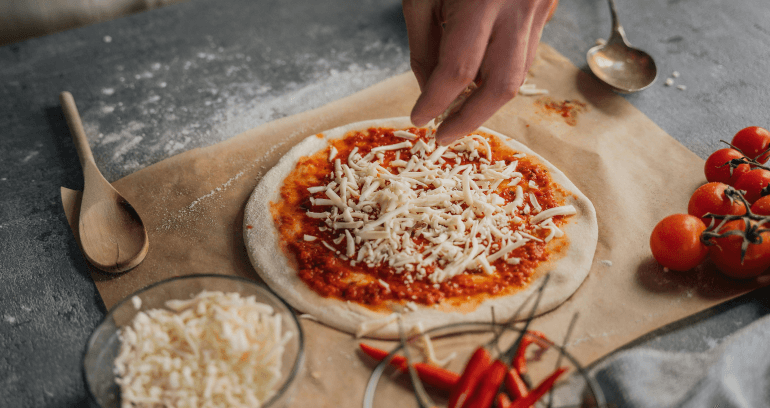
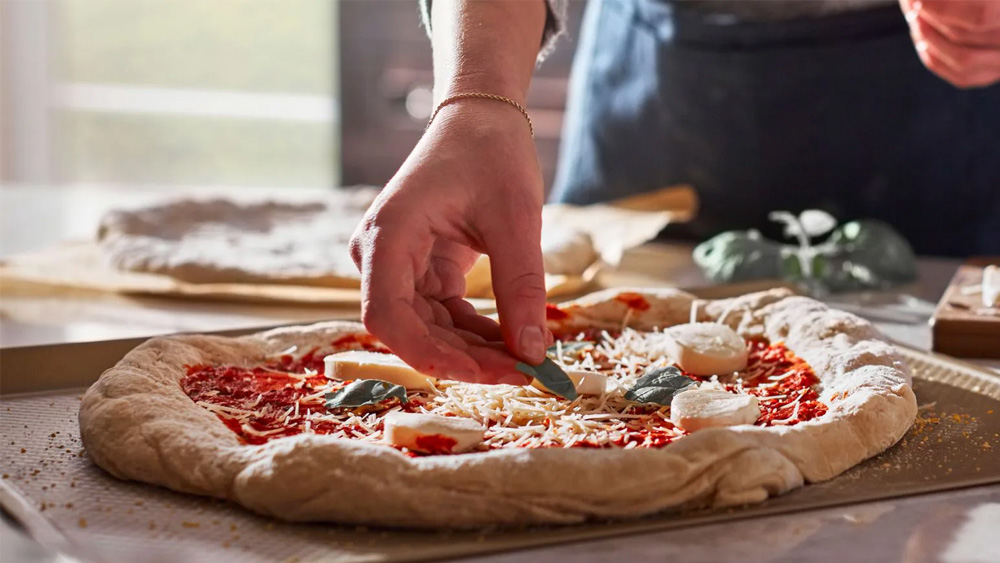
Spread a thin layer of tomato sauce over the base, leaving a small border around the edges for the crust. Tear the fresh mozzarella into pieces and scatter it evenly across the pizza. Add a few leaves of fresh basil on top, and drizzle with a small amount of extra virgin olive oil. - Bake the Pizza:
Transfer the pizza to your preheated oven or pizza stone and bake for 7-10 minutes, or until the crust is golden and the cheese is bubbly and slightly browned. If you’re using a pizza stone, the pizza will cook more evenly, creating a crispy crust while keeping the toppings fresh. - Serve and Enjoy:
Once baked, remove the pizza from the oven and let it cool for a minute or two. Slice and serve immediately, garnishing with more fresh basil if desired.
Italian Gelato: The Ultimate Frozen Delight
While pizza is often enjoyed as a savory main course, gelato, Italy’s famous ice cream, serves as the perfect sweet conclusion to any meal. Unlike traditional ice cream, gelato is made with more milk and less cream, resulting in a denser, smoother texture with a more intense flavor. The making of gelato is a refined art, requiring careful attention to ingredients, temperature, and technique.
The Origins of Gelato
Gelato, like pizza, has ancient roots. The earliest forms of frozen desserts were made by the Greeks and Romans, who would mix snow with honey and fruit. However, it was in Florence during the 16th century that modern gelato as we know it began to take shape. The famous Florentine architect Bernardo Buontalenti is often credited with creating the first gelato recipe for the Medici court, which was later refined by other Italian artisans.
Over time, gelato became an iconic Italian treat, enjoyed by the masses in gelaterias throughout the country. Its appeal lies not only in its flavor but also in its artisanal craftsmanship.
Key Ingredients for Making Gelato
To create high-quality gelato, only the freshest, best ingredients are used. These include:
- Milk and Cream: Gelato is made with a higher proportion of milk than traditional ice cream, giving it a creamy texture while keeping it lighter. The cream is still used, but in smaller quantities compared to ice cream.
- Sugar: Sugar not only sweetens the gelato but also helps with the texture. The sugar-to-liquid ratio affects the freezing point of the mixture, ensuring it freezes into a smooth, soft texture.
- Egg Yolks: Some gelato recipes call for egg yolks, which act as an emulsifier, helping to create a smooth and creamy texture. The use of eggs varies, with some recipes opting for a custard-style base (known as gelato alla crema) and others skipping eggs in favor of a fruit-based mixture.
- Flavorings: The flavorings are what truly make gelato stand out. From fresh fruit like strawberries, lemons, and peaches to rich chocolate, hazelnuts, and pistachios, the possibilities are endless. Traditional flavors, like pistacchio, nocciola (hazelnut), and stracciatella (chocolate chip), are beloved throughout Italy.
Step-by-Step Process for Making Gelato
- Prepare the Base:
For a traditional custard-style gelato, begin by combining milk, cream, and sugar in a saucepan. Heat gently until the sugar dissolves. If using eggs, beat them separately and gradually add them to the milk mixture while whisking to avoid scrambling. Heat the mixture gently to around 80°C (176°F) to thicken it, and then cool it down quickly. - Flavor the Gelato:
Once the base is prepared, add your flavoring ingredients. For fruit gelato, puree fresh fruit and stir it into the cooled base. For chocolate or nut flavors, melt the chocolate or grind the nuts into a paste and mix them into the base. - Chill the Base:
Once the flavoring is added, allow the gelato base to chill in the refrigerator for at least 4 hours, or overnight. This ensures that the mixture is cold before being churned, which is crucial for achieving the desired texture. - Churn the Gelato:
Pour the chilled mixture into a gelato machine or ice cream maker. Churn according to the manufacturer’s instructions, typically for about 20-30 minutes, until the mixture thickens into a smooth, soft consistency. - Freeze the Gelato:
After churning, transfer the gelato to an airtight container and place it in the freezer for an additional 1-2 hours to firm up. - Serve and Enjoy:
Once frozen, scoop the gelato into bowls or cones and enjoy immediately for the freshest taste. Gelato is best served at a slightly warmer temperature than ice cream, which allows its creamy texture and intense flavor to shine through.
Conclusion: A Celebration of Italian Craftsmanship
The creation of pizza and gelato is an enduring Italian tradition that highlights the country’s passion for food, family, and quality ingredients. Each dish represents a centuries-old art form—whether it is the careful crafting of pizza dough, the balance of flavors in a tomato sauce, or the precise techniques involved in making the perfect gelato. Both pizza and gelato are more than just food; they are an embodiment of Italy’s cultural heritage and the love for sharing beautiful meals with loved ones. The next time you enjoy a slice of pizza or a scoop of gelato, remember that these beloved Italian classics are the result of a deep-rooted culinary tradition that has stood the test of time.