




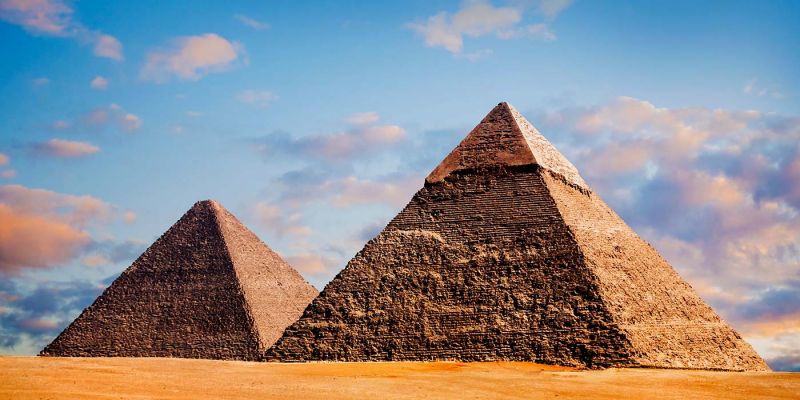

The Pyramids of Egypt stand as monumental testaments to the ingenuity, power, and cultural significance of ancient Egyptian civilization. These towering structures, built over 4,500 years ago, continue to awe visitors from around the globe. Located on the Giza Plateau, just outside of modern-day Cairo, the pyramids have long captured the imagination of historians, archaeologists, and travelers alike. They symbolize both the achievements of ancient Egypt and its mystical aura, drawing millions each year who seek to experience the mysteries of the pharaohs firsthand.
In this article, we will delve into the history, architecture, cultural significance, and tourism experience of visiting the Egyptian pyramids. We will also provide an in-depth look at the famous pyramids of Giza, including the Pyramid of Khufu, the Pyramid of Khafre, and the Pyramid of Menkaure, exploring the stories behind these awe-inspiring structures. Whether you are an enthusiast of ancient history, an avid traveler, or simply curious about the wonders of the ancient world, a journey to the pyramids offers a chance to walk in the footsteps of one of the greatest civilizations ever known.
The Historical Significance of the Egyptian Pyramids
Origins of the Egyptian Pyramids
The construction of the pyramids in Egypt began during the Old Kingdom (2686-2181 BCE), a period marked by the consolidation of the central government and the rise of a powerful ruling class. The earliest pyramids were not the towering structures we recognize today but were simpler, step-like constructions known as mastabas. These were tombs built for the pharaohs and elite members of society, but they laid the foundation for the later, more complex designs.
The development of the pyramids is largely attributed to the Fourth Dynasty (2613-2494 BCE), a time of extraordinary achievements in architecture and engineering. The Pyramid of Djoser, constructed during the reign of Pharaoh Djoser (around 2670 BCE) at Saqqara, is considered the first true pyramid. Designed by the architect Imhotep, the Step Pyramid of Djoser marks the transition from early mastabas to the more refined pyramid shape that would later define the ancient Egyptian royal tombs.
The Pyramids of Giza
The most famous and grand pyramids were built during the Fourth Dynasty on the Giza Plateau. Located on the outskirts of modern Cairo, the three main pyramids of Khufu, Khafre, and Menkaure are considered one of the Seven Wonders of the Ancient World and remain a remarkable testament to ancient Egypt’s architectural prowess.
The Great Pyramid of Khufu (Pyramid of Cheops)
The Great Pyramid of Khufu, also known as the Pyramid of Cheops, is the largest and most famous of the three pyramids on the Giza Plateau. Originally standing at a height of 146.6 meters (481 feet), it was the tallest man-made structure in the world for over 3,800 years. The pyramid is thought to have been built over a 20-year period during the reign of Pharaoh Khufu (2589–2566 BCE) and is composed of an estimated 2.3 million limestone blocks, each weighing between 2.5 and 15 tons.
The purpose of the pyramid was to serve as the final resting place for Pharaoh Khufu. However, the intricacy of the construction and the sheer scale of the monument have led to many questions about how the ancient Egyptians were able to achieve such a feat. There are various theories, from the use of ramps to counterweight systems, though the exact method remains a subject of debate.
The Pyramid of Khafre (Pyramid of Chephren)
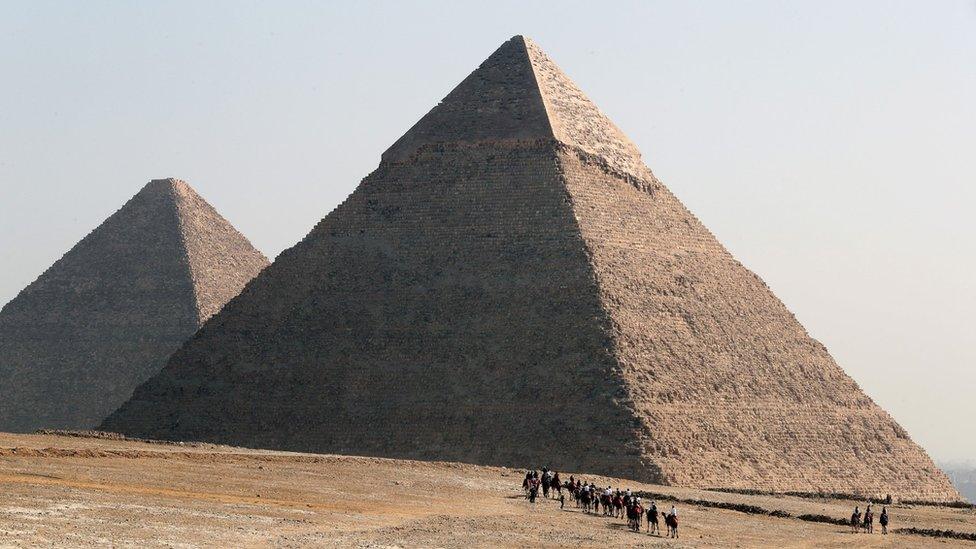
The Pyramid of Khafre (also known as the Pyramid of Chephren) is the second-largest pyramid at Giza and was built for Khufu’s son, Pharaoh Khafre (2558–2532 BCE). Although it appears taller, due to the higher elevation of the land, it actually stands at 143.5 meters (471 feet) tall.
One of the most striking features of Khafre’s pyramid is its well-preserved casing stones at the top and its proximity to the Great Sphinx of Giza, a colossal limestone statue with the body of a lion and the head of a pharaoh, believed to represent Khafre himself. The Sphinx remains an enduring symbol of ancient Egyptian grandeur.
The Pyramid of Menkaure
The smallest of the three pyramids at Giza, the Pyramid of Menkaure stands at 65 meters (213 feet) tall. Built for Pharaoh Menkaure (2532–2503 BCE), the pyramid was constructed from a combination of limestone and granite, and it is surrounded by smaller queen’s pyramids. The pyramid’s size is smaller compared to those of Khufu and Khafre, but it is still an impressive feat of ancient engineering. The tomb itself is said to have contained several treasures and a stone sarcophagus, though many of its contents have since been lost or looted.
The Architectural Genius Behind the Pyramids
The architectural techniques used to construct the pyramids have been the subject of much scholarly research. Ancient Egyptian builders had no modern tools or machinery; instead, they relied on simple tools such as copper chisels, hammers, and sandstone blocks to cut the stones.
The Construction Process
The construction of the pyramids involved an immense workforce, likely composed of skilled laborers, craftsmen, and seasonal workers. It is estimated that tens of thousands of workers were involved in the construction, and evidence suggests that they worked in well-organized teams, with specialized roles. Recent studies indicate that the workers may have used ramps to transport the massive blocks into place, though the precise design and method of the ramps are still a subject of much debate.
The precise alignment of the pyramids, especially the Great Pyramid of Khufu, is another marvel of ancient Egyptian engineering. The pyramid is aligned with incredible accuracy to the four cardinal points—north, south, east, and west—something that would have required advanced knowledge of astronomy and mathematics.
The construction of these monumental tombs was not only a physical challenge but also a spiritual one. The Egyptians believed that the pyramid would serve as a divine vehicle for the pharaoh’s soul to ascend to the heavens and join the gods. The architectural design, therefore, had profound religious and cosmological significance, with the pyramid symbolizing the benben stone, the primordial mound of creation in Egyptian mythology.
The Mystical and Cultural Significance of the Pyramids
The pyramids were not only monumental tombs but also powerful symbols of ancient Egypt’s divine authority. They represented the Pharaoh’s journey to the afterlife and were meant to ensure their immortality. The construction of the pyramids was deeply intertwined with the Egyptian belief in eternal life and the gods, particularly the sun god Ra.
Symbolism and Alignment with the Stars
The pyramids at Giza were designed to align with the stars, particularly the Orion constellation, which was associated with the god Osiris, the ruler of the afterlife. The alignment of the pyramids with celestial bodies indicates that the Egyptians viewed the pyramids not just as physical tombs but as symbolic gateways to the afterlife.
Many of the funerary texts found inside the pyramids, such as the Pyramid Texts in the Pyramid of Unas, emphasize the importance of the afterlife and the pharaoh’s divine role in maintaining the order of the cosmos.
Visiting the Pyramids: A Modern-Day Experience
Today, visiting the pyramids of Egypt is a once-in-a-lifetime experience for many travelers, offering a rare opportunity to connect with the wonders of the ancient world. The Giza Plateau has been carefully preserved, and modern visitors can explore the Great Pyramid of Khufu, venture inside the pyramid of Khafre, and see the Great Sphinx up close.
What to Expect During a Visit
- Arrival and Entrance: Visitors typically arrive at the Giza Plateau from Cairo, with numerous travel options, including guided tours, taxis, or even camel rides. The entrance to the pyramids is well-organized, with plenty of amenities such as restrooms, souvenir shops, and restaurants.
- Exploring the Pyramids: The Great Pyramid of Khufu is the most popular attraction, and visitors can enter the pyramid to explore its interior chambers. The King’s Chamber, located at the heart of the pyramid, is the final resting place of Khufu’s sarcophagus.
- The Sphinx: The Great Sphinx of Giza, standing proudly next to the pyramids, is one of the most recognizable symbols of Egypt. Visitors can walk around the statue, marveling at its sheer size and the mysterious expression on its face.
- Camel and Horse Rides: For an authentic experience, many visitors opt for camel or horse rides around the pyramids, offering a unique perspective of these ancient structures against the backdrop of the desert.
- Cultural Context: Egyptologists and local guides offer fascinating insights into the history, construction, and significance of the pyramids. Many guided tours also include visits to nearby attractions, such as the Egyptian Museum in Cairo and Saqqara, another important pyramid site.
Preservation and Challenges
While the pyramids continue to awe visitors, their preservation faces many challenges. Pollution, tourism pressures, and the ravages of time have caused deterioration to some parts of the site. In recent years, efforts have been made to protect the monuments through strict regulations and restoration projects. However, the balance between maintaining accessibility for tourists and preserving these ancient wonders is a delicate one.
Conclusion: A Timeless Legacy
The Pyramids of Egypt are more than just ancient structures; they are enduring symbols of the ingenuity, vision, and spirituality of one of the greatest civilizations in history. A visit to the pyramids is not merely an opportunity to witness an architectural marvel—it is an invitation to step into a world where the past, present, and future converge. For anyone seeking to understand the essence of ancient Egypt, there is no greater destination than the Giza Plateau, where the Pyramids of Khufu, Khafre, and Menkaure continue to stand as silent witnesses to the grandeur and mystique of an ancient civilization.