




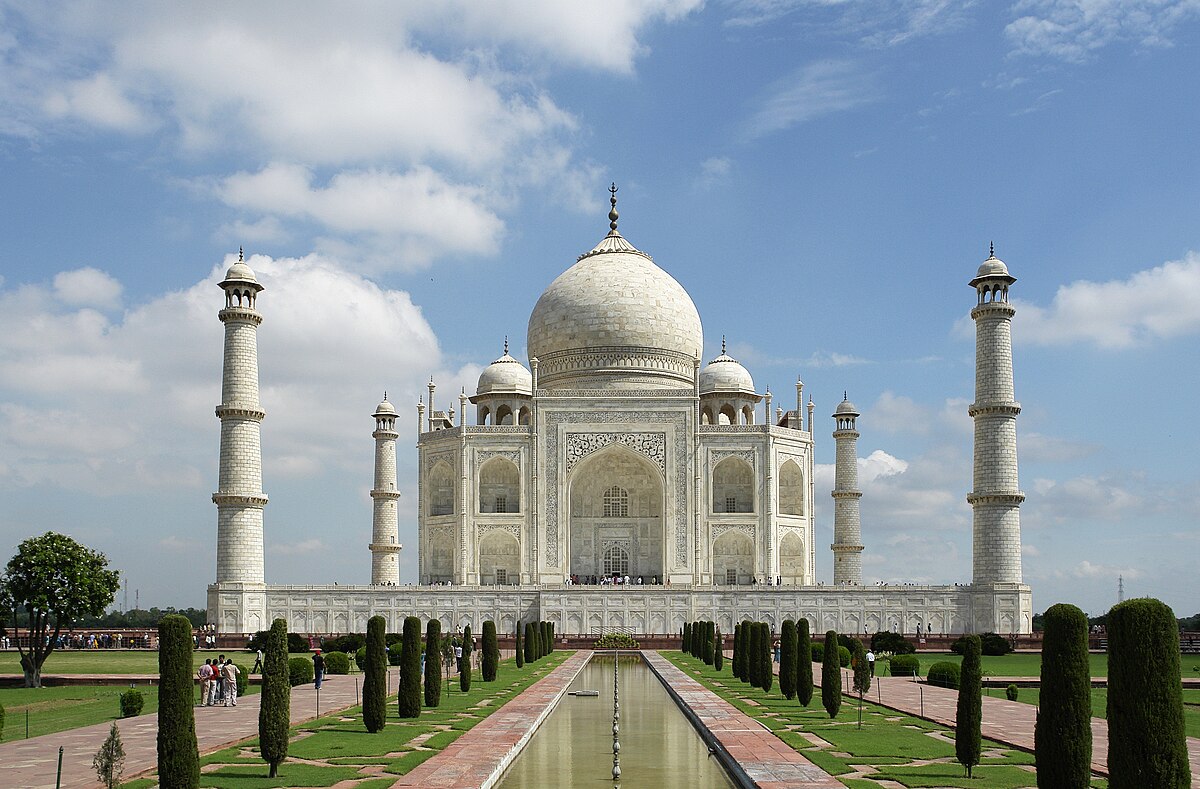

The Taj Mahal, one of the most iconic and admired monuments in the world, stands as a testament to the grandeur of Mughal architecture and the enduring nature of love. Located in Agra, India, this majestic mausoleum is not only a UNESCO World Heritage site but also one of the New Seven Wonders of the World. The Taj Mahal’s beauty, history, and cultural significance attract millions of visitors from around the globe every year.
In this comprehensive article, we will delve into the rich history, architectural brilliance, and cultural impact of the Taj Mahal, exploring how it came to be, the artistic techniques involved in its construction, and the enduring legacy it has created. We will also examine the significance of the Taj Mahal in the context of Indian culture and global tourism, as well as its role as an enduring symbol of love, craftsmanship, and dedication.
1. The Historical Context: The Love Story Behind the Taj Mahal
The story behind the Taj Mahal is deeply entwined with love, tragedy, and the Mughal Empire. The construction of the Taj Mahal was initiated by the Mughal emperor Shah Jahan in 1632, following the death of his beloved wife Mumtaz Mahal. Mumtaz, who was his third wife, died during the birth of their 14th child, and her death devastated the emperor. To honor her memory and eternalize their love, Shah Jahan decided to build a mausoleum of unparalleled beauty.
The Tragic Death of Mumtaz Mahal
Mumtaz Mahal was not only the emperor’s wife but also his confidante and closest companion. Her death left Shah Jahan heartbroken, and he vowed to construct the most magnificent tomb in history. He selected a site on the banks of the Yamuna River in Agra, which would later become the home of the Taj Mahal. This location, with its serene landscape, was chosen to ensure the mausoleum would be both an architectural masterpiece and a symbol of eternal love.
Shah Jahan’s Dedication to the Monument
The emperor spared no expense in bringing his vision to life. He employed the finest architects, artisans, and craftsmen from across the empire and beyond, including Persia, Turkey, and Central Asia, to help realize his dream. The construction of the Taj Mahal began in 1632 and continued for over two decades, with the tomb being completed in 1653, while the surrounding structures and gardens were finished later.
2. Architectural Brilliance: The Design and Structure of the Taj Mahal
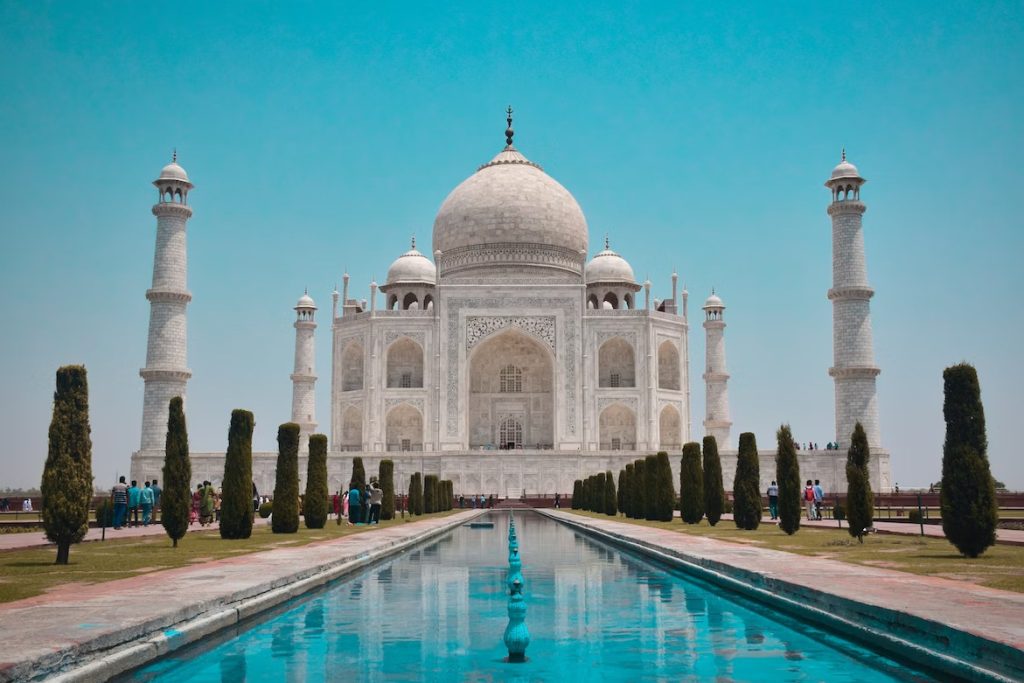
The Taj Mahal is a stunning example of Mughal architecture, a unique blend of Islamic, Persian, Ottoman Turkish, and Indian styles. Its design reflects a perfect balance between symmetry, beauty, and grandeur, making it one of the most architecturally significant monuments in the world.
The Central Dome and Minarets
The most recognizable feature of the Taj Mahal is its stunning white marble dome, which stands at 35 meters high and is surrounded by four slender minarets. The central dome, shaped like an onion, is flanked by four smaller domes. The dome’s design creates a sense of grandeur, symbolizing the spiritual ascent of the soul. The minarets, which stand at the four corners of the Taj Mahal, serve both decorative and functional purposes, providing a visual balance and framing the monument from every angle.
The symmetry of the Taj Mahal is one of its defining features. From the central mausoleum to the gardens and water features, every element is meticulously designed to be in perfect alignment. The monument is divided into four quadrants, each featuring lush gardens, waterways, and pathways that lead visitors to the central tomb.
The White Marble and Its Symbolism
The Taj Mahal’s exterior is made from pristine white marble, which was sourced from the Makrana quarries in Rajasthan, India. The marble is intricately inlaid with precious stones, including jade, crystal, turquoise, lapis lazuli, and amethyst. This detailed inlay work, known as pietra dura, enhances the beauty of the structure and symbolizes the eternal nature of love.
The white marble used in the Taj Mahal also holds symbolic significance, representing purity, peace, and immortality. The monument’s exterior reflects different shades depending on the time of day. In the early morning, the Taj Mahal glows with a soft pink hue; during the day, it appears bright white; and at night, it takes on a silvery tone, especially under the light of the moon. This dynamic quality of the Taj Mahal further emphasizes the connection between love and the changing nature of time.
The Taj Mahal Complex
In addition to the central mausoleum, the Taj Mahal complex includes several important architectural features, including:
- The Gateway: A large, red sandstone entrance gate adorned with Quranic inscriptions. The gate’s architecture signifies the transition from the mundane world to a spiritual realm, guiding visitors toward the sacred tomb.
- The Mosque and the Rest House: Located on either side of the main mausoleum, these structures offer symmetry and balance. The mosque, built from red sandstone, is still in use today for Friday prayers, while the rest house mirrors the mosque in design.
- The Charbagh Garden: The Taj Mahal is set within a beautiful charbagh garden, a traditional Persian-style layout consisting of four quadrants separated by waterways. The garden symbolizes paradise and is meant to represent the Garden of Eden.
3. The Construction and the Role of Artisans
The Taj Mahal’s construction involved a massive workforce of skilled artisans, architects, engineers, and laborers. Shah Jahan hired the finest artists from the Mughal Empire, including Ustad Ahmad Lahauri, who is widely credited as the principal architect of the Taj Mahal.
The Role of the Craftsmen
Over 1,000 elephants were used to transport materials, including marble, timber, and other building supplies. The artisans who worked on the monument were skilled in a variety of crafts, including calligraphy, stone carving, tile making, and painting. The intricate pietra dura inlay work was done by highly skilled craftsmen who used fine gemstones to create exquisite designs on the marble surface.
The construction of the Taj Mahal was a collaborative effort that incorporated elements of Islamic, Persian, Ottoman, and Indian design, making it a truly unique and culturally rich masterpiece. The attention to detail and the sheer scale of the project continue to astonish visitors and scholars alike.
4. The Taj Mahal as a Cultural and Historical Icon
Beyond its architectural significance, the Taj Mahal has come to represent one of the most powerful symbols of love in the world. It is not only a tribute to the life of Mumtaz Mahal but also a manifestation of the Mughal Empire’s artistic and cultural achievements.
Cultural Significance
In addition to being a mausoleum, the Taj Mahal serves as a cultural landmark in India. It reflects the fusion of Persian and Indian architectural styles and is a symbol of the Mughal dynasty’s grandeur. The Taj Mahal is a source of pride for India and plays a significant role in its cultural identity.
The monument also stands as a symbol of religious harmony. The Mughal Empire, under Shah Jahan, was known for its tolerance and support of diverse cultures and religions. The Taj Mahal is a synthesis of various artistic traditions, reflecting the empire’s openness to influences from different regions.
The Taj Mahal and Indian Tourism
As one of the most visited and photographed landmarks in the world, the Taj Mahal plays a crucial role in India’s tourism industry. The monument attracts millions of visitors annually, contributing significantly to the economy of Agra and surrounding regions.
Tourism at the Taj Mahal provides an opportunity for cultural exchange and education, allowing visitors from across the world to experience one of India’s greatest architectural achievements. The Taj Mahal’s inclusion in the New Seven Wonders of the World has helped cement its place as a global icon of beauty, love, and craftsmanship.
5. Preserving the Taj Mahal: Challenges and Conservation Efforts
As a centuries-old structure, the Taj Mahal faces numerous challenges related to preservation and conservation. Pollution, environmental degradation, and the effects of natural wear and tear have led to concerns about the monument’s long-term preservation.
Air Pollution and Discoloration
One of the biggest threats to the Taj Mahal’s preservation is the pollution in Agra. The surrounding air pollution, primarily from industrial activities and vehicular emissions, has caused the once-pristine white marble to take on a yellowish tint. The Indian government has implemented several measures to protect the Taj Mahal from environmental damage, including regulating industrial activity around Agra and restricting the use of harmful chemicals for cleaning.
Conservation Initiatives
In response to these challenges, conservationists have worked tirelessly to protect and restore the Taj Mahal. Regular cleaning and restoration efforts are conducted to maintain the integrity of the monument’s surface. The Archaeological Survey of India (ASI) plays a significant role in the upkeep of the Taj Mahal, working to prevent further deterioration while ensuring that restoration efforts do not compromise the monument’s historical accuracy.
6. The Taj Mahal in Modern Culture and Media
The Taj Mahal has become an enduring symbol of love and romanticism in modern culture. It has been featured in countless films, books, and works of art, further cementing its place as a cultural and emotional touchstone.
In literature, the Taj Mahal is often described as a “symbol of eternal love”, a place where couples travel to commemorate their relationships. In movies, it has been portrayed as a backdrop for love stories, with many filmmakers using the monument’s beauty to evoke emotional depth in their scenes.
The Taj Mahal’s influence extends beyond media and culture, inspiring artists, architects, and designers around the world. It remains a powerful symbol of devotion, craftsmanship, and the enduring nature of human expression.
Conclusion: The Eternal Legacy of the Taj Mahal
The Taj Mahal stands as an unparalleled achievement in the realm of architecture, history, and cultural significance. It is not merely a monument to love but also a reflection of the Mughal Empire’s artistic and cultural grandeur. Through centuries of change, it has remained a symbol of beauty, devotion, and dedication—one that continues to inspire people across the globe.
Whether you are visiting the Taj Mahal for the first time or have admired it from afar, the monument’s profound beauty and significance make it a must-visit destination for anyone seeking to understand the depths of human creativity and emotion. The Taj Mahal, forever linked to the love story of Shah Jahan and Mumtaz Mahal, will continue to capture the hearts of millions for generations to come.