




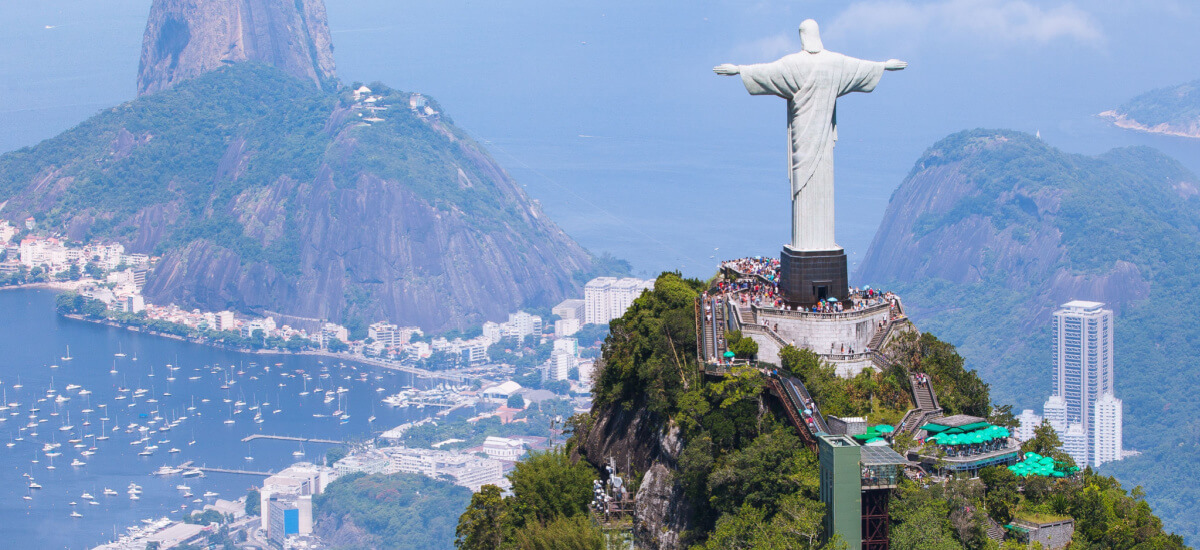

Across the globe, there are iconic landmarks that define the essence of a city, country, or region. These landmarks are not just physical structures; they are rich with history, culture, and significance that help shape the identity of the place they represent. From towering architectural feats to natural wonders, these attractions serve as symbols of human creativity, perseverance, and heritage. They draw millions of visitors each year, who come to witness firsthand the cultural icons that have captured the world’s imagination.
In this article, we will explore the profound role that iconic landmarks play in defining travel experiences. We will dive into the history, significance, and cultural impact of some of the world’s most famous landmarks, and examine why they continue to be such powerful symbols of cities, nations, and regions. Whether they stand as architectural marvels or natural phenomena, these sites offer more than just scenic beauty—they encapsulate the very spirit of their locations.
1. The Role of Iconic Landmarks in Defining Identity
Iconic landmarks have an almost mythical status in the eyes of both locals and visitors alike. They become symbols that transcend their physical form, representing not just the place they stand in, but also the culture, history, and people that inhabit it. These landmarks offer insight into the values and aspirations of the societies that built them, and in many ways, they help shape the identity of the place.
a) Cultural Significance
Many iconic landmarks are intrinsically tied to a culture’s heritage. For example, in Egypt, the Pyramids of Giza are a testament to the advanced knowledge and architectural brilliance of the ancient Egyptians. They symbolize Egypt’s rich history and enduring presence in the world’s cultural consciousness. Similarly, the Great Wall of China embodies the strength and resilience of the Chinese people, representing an enduring commitment to defense and unity throughout China’s long history.
For Italy, the Colosseum in Rome is a representation of the ancient Roman Empire’s grandeur, once a center for public entertainment, and now a symbol of the nation’s pride in its history and architecture. Such landmarks often serve as reminders of a nation’s journey, celebrating its achievements, victories, and even struggles.
b) National Identity
Some landmarks have become synonymous with the very identity of a nation. In France, the Eiffel Tower is an emblem of Parisian sophistication and French culture, attracting millions of visitors each year. More than just an engineering marvel, the Eiffel Tower is a reflection of French ingenuity, artistic expression, and the country’s position at the forefront of the modern world.
In India, the Taj Mahal is not just a monument of love but also a symbol of Indian craftsmanship, art, and history. Built by Emperor Shah Jahan in memory of his wife Mumtaz Mahal, the Taj Mahal stands as an iconic representation of India’s Mughal heritage and is a globally recognized symbol of eternal beauty.
c) Regional Impact
In some regions, landmarks play an important role in defining the character and values of an entire geographical area. The Grand Canyon, located in Arizona, USA, is a natural wonder that symbolizes the raw beauty of the American Southwest. It is not just a stunning landscape but a place of profound spiritual significance to the native peoples of the region.
In Australia, the Sydney Opera House is a modern architectural icon that stands as a symbol of the nation’s innovative spirit and artistic talent. Located in Sydney, this world-renowned structure is both an architectural masterpiece and a global symbol of Australia’s rich cultural landscape.
2. Famous Landmarks Around the World
Some landmarks have become so ingrained in global culture that they are instantly recognizable, even from afar. Let’s explore some of the world’s most famous landmarks and their significance.
a) The Eiffel Tower – Paris, France
One of the most iconic landmarks in the world, the Eiffel Tower stands tall on the banks of the Seine River in Paris. Constructed for the 1889 Exposition Universelle (World’s Fair), it was initially met with criticism but has since become an enduring symbol of Parisian elegance, French culture, and engineering prowess. Today, the Eiffel Tower is one of the most visited paid monuments globally, attracting over 7 million visitors annually.
b) The Great Wall of China – China
The Great Wall of China stretches over 13,000 miles and was built over several dynasties as a defense mechanism against invading forces. It is a powerful symbol of China’s history, perseverance, and engineering innovation. The wall’s grandeur, combined with its cultural and historical significance, makes it one of the most impressive architectural feats in the world. Today, it stands as a reminder of China’s cultural heritage and national pride.
c) The Taj Mahal – Agra, India
The Taj Mahal is a symbol of love, built by Emperor Shah Jahan in memory of his wife Mumtaz Mahal. This exquisite white marble mausoleum, located in Agra, India, is not only one of the most beautiful buildings in the world but also a testament to the artistic, architectural, and cultural achievements of the Mughal Empire. As a UNESCO World Heritage Site, it draws millions of visitors each year who come to admire its beauty and learn about its rich history.
d) Machu Picchu – Cusco Region, Peru
Machu Picchu, an ancient Incan city high in the Andes Mountains of Peru, is one of the most mysterious and awe-inspiring landmarks in the world. Lost to the world until its rediscovery in 1911 by Hiram Bingham, Machu Picchu is an incredible testament to the engineering and organizational skills of the Inca civilization. As a UNESCO World Heritage Site, it offers travelers a glimpse into the advanced agricultural and architectural techniques used by the Incas.
e) The Colosseum – Rome, Italy
The Colosseum, also known as the Flavian Amphitheater, is the largest ancient amphitheater ever built and a central symbol of Roman engineering. Once a site for gladiatorial games, chariot races, and public spectacles, it now stands as a powerful reminder of Roman ingenuity, entertainment culture, and the empire’s vast influence. Today, it is one of the most visited tourist destinations in the world.
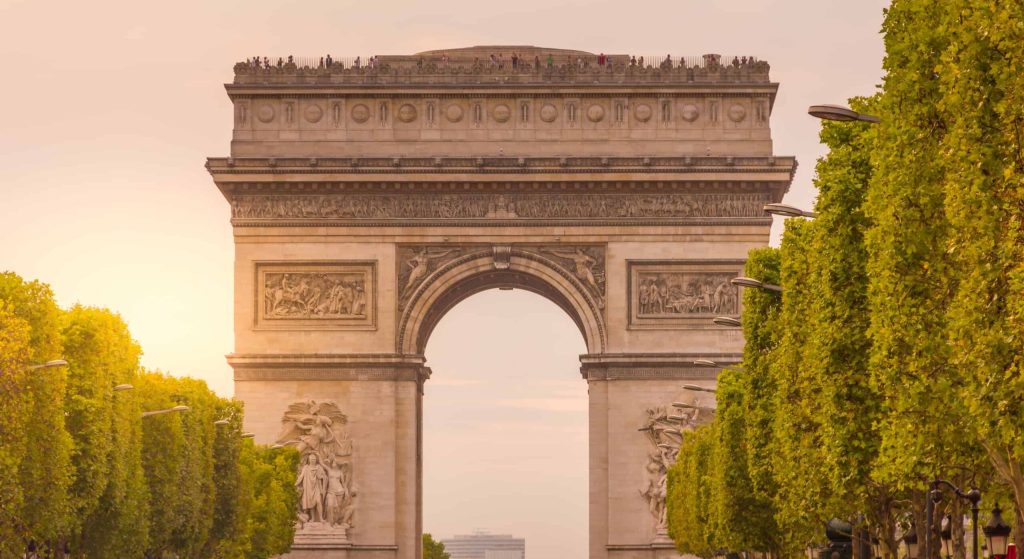
3. How Iconic Landmarks Shape the Tourism Industry
Iconic landmarks don’t just define the cultural or historical identity of a region; they are also integral to the tourism industry. They serve as key attractions that draw millions of visitors, providing significant economic benefits for cities and countries.
a) Economic Impact
Tourism, driven by iconic landmarks, is a massive economic driver for many regions. Countries with famous landmarks like France, Italy, and the USA generate substantial revenue from tourism, including ticket sales, accommodation, food, and local services. For example, the Eiffel Tower alone generates millions of euros in annual revenue from ticket sales, restaurants, and gift shops.
b) Preservation and Restoration
The popularity of iconic landmarks often leads to the development of preservation programs and initiatives aimed at maintaining these sites for future generations. For example, the UNESCO World Heritage Sites program plays a crucial role in protecting cultural landmarks like the Great Wall of China and the Taj Mahal. These efforts ensure that the landmarks remain intact and continue to inspire future generations of travelers.
c) Promoting Cultural Awareness
Iconic landmarks help promote cultural exchange and awareness. For travelers from different parts of the world, visiting these landmarks provides a chance to connect with other cultures, learn about history, and broaden their worldview. By exploring iconic landmarks, travelers gain a deeper understanding of the unique traditions, customs, and history that define a place.
d) Increasing Global Connectivity
As more travelers visit iconic landmarks, they become part of a global community of explorers. Social media platforms like Instagram and YouTube have further amplified the appeal of these landmarks by allowing people to share their experiences with others. This digital exposure often leads to even more visitors, further cementing the landmark’s status as a cultural symbol and a must-see destination.
4. The Future of Iconic Landmarks in Travel
As the world continues to evolve, the way we interact with and experience iconic landmarks is changing. With increased awareness about sustainability, there are ongoing efforts to balance the preservation of these landmarks with the pressures of mass tourism.
a) Sustainable Tourism
Many cities are now implementing sustainable tourism practices to protect iconic landmarks while providing visitors with enriching experiences. For example, sites like Machu Picchu and the Colosseum have introduced visitor limits and timed entry slots to prevent overcrowding, ensuring that the landmarks are not damaged by over-tourism.
b) Digital Innovation
With the rise of virtual tourism, iconic landmarks are becoming more accessible to people who may not be able to visit in person. Virtual reality (VR) tours of sites like the Great Wall of China or the Taj Mahal allow people to experience these landmarks from the comfort of their homes, offering a new and exciting way to engage with global culture and history.
5. Conclusion: Iconic Landmarks as Symbols of Cultural Identity
Iconic landmarks are much more than just tourist attractions—they are the physical manifestations of a city, country, or region’s cultural identity, heritage, and history. They offer a glimpse into the values, achievements, and challenges that shaped the places we visit today. From the ancient pyramids of Egypt to the modern engineering marvels of the Eiffel Tower, these landmarks transcend their physical presence, becoming symbols that unite people across borders and generations.
Whether you are drawn to architectural wonders, natural landscapes, or cultural icons, visiting these landmarks provides an unparalleled opportunity to explore the essence of a place and to connect with the stories that continue to shape our world. Iconic landmarks will remain a cornerstone of global tourism, captivating travelers for generations to come.