




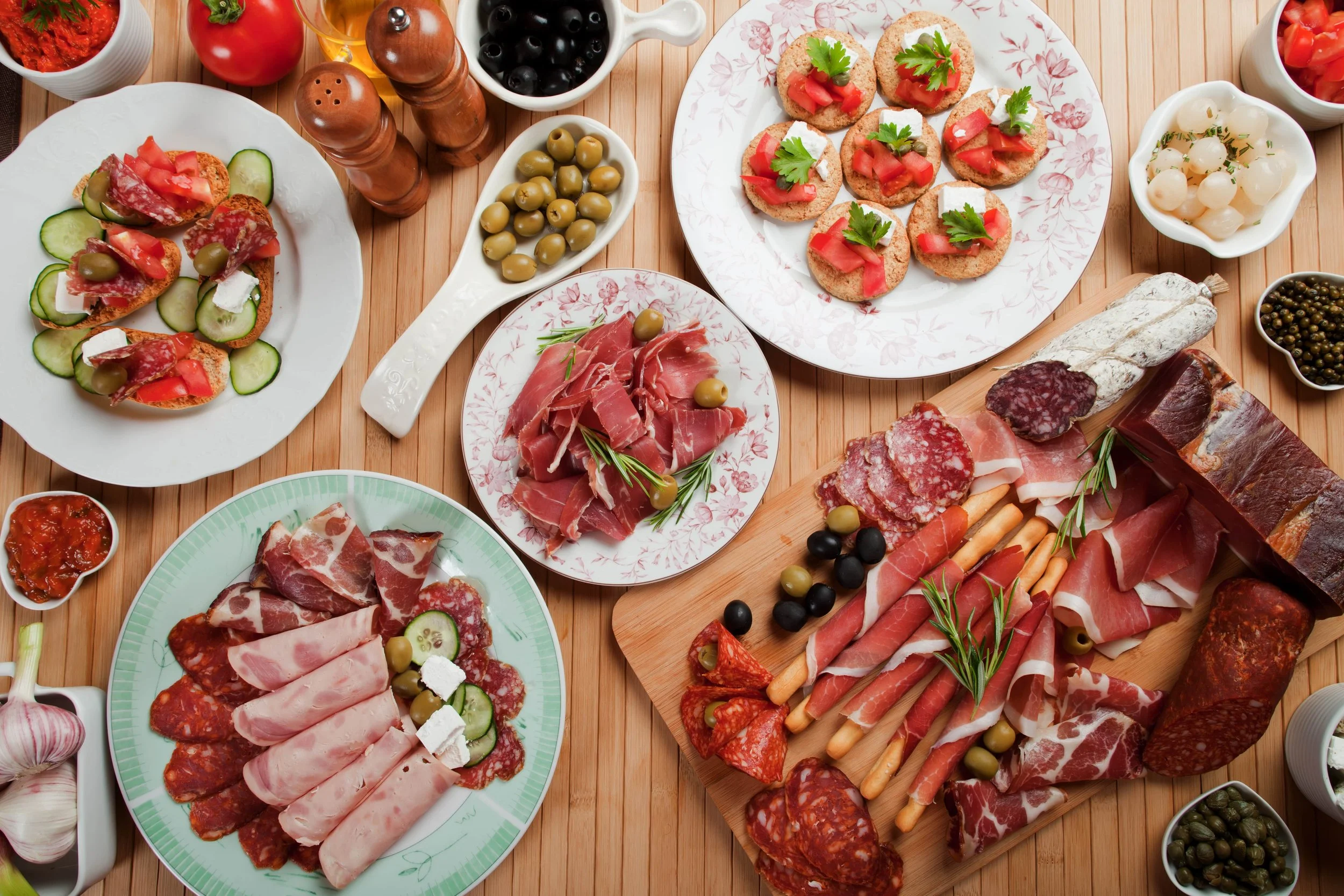

Italian cuisine is renowned worldwide for its rich history, variety, and flavors that combine simplicity with exquisite taste. From the fresh pasta of Bologna to the seafood dishes of Sicily, Italy’s diverse regions offer a stunning array of culinary delights that reflect the unique cultures, climates, and traditions of each area. As travelers seek to immerse themselves in authentic food experiences, Italy has become a top destination for food enthusiasts, offering opportunities to explore regional specialties and engage in hands-on cooking experiences. This article delves into how tourists can experience authentic Italian cuisine across different cities, providing insight into Italy’s gastronomic culture and why food tourism is becoming an essential part of travel.
The Influence of Regional Diversity on Italian Cuisine
One of the most fascinating aspects of Italian cuisine is its regional diversity. Italian food culture is far from uniform, as each region has its own unique dishes, cooking techniques, and ingredients. This diversity stems from Italy’s varied geography, with mountains in the north, rolling hills in the center, and a long coastline in the south. The different climatic conditions and historical influences in these regions have shaped local food traditions, creating a culinary landscape as rich and varied as the country itself.
Northern Italy: Rich, Buttery, and Hearty
In Northern Italy, the food tends to be richer, with an emphasis on butter, cream, and cheese. The cuisine of the Po Valley, which includes cities like Milan, Turin, and Bologna, is known for its hearty, comforting dishes. Risotto, made with arborio rice, is a staple of the region, often served with a variety of ingredients such as saffron, seafood, or mushrooms. Northern Italy is also famous for its meat dishes, such as osso buco (braised veal shanks) and bollito misto (boiled meats), which are often accompanied by rich sauces made with butter or stock.
Milan: The Fashion Capital with a Gourmet Heart
Milan, the capital of Lombardy and one of the world’s leading fashion and design hubs, offers a surprising culinary depth. Visitors to this bustling city can experience some of the finest examples of Northern Italian cuisine. The city’s signature dish is risotto alla Milanese, a creamy rice dish made with saffron and butter, showcasing the region’s love for rich, flavorful ingredients. Another popular dish is cotoletta alla Milanese, a breaded veal cutlet fried in butter, similar to schnitzel but distinctly Italian.
For food tourists, Milan also offers a chance to participate in cooking classes where chefs teach the art of creating traditional Milanese dishes, or even explore the famous Eataly complex, which celebrates Italian culinary excellence in one place.
Bologna: The Birthplace of Italian Comfort Food
Bologna, located in the heart of Italy in the Emilia-Romagna region, is renowned as the gastronomic capital of the country. The city’s rich culinary history has earned it the nickname “La Grassa,” meaning “The Fat One,” due to its indulgent, comforting dishes. Bologna is the birthplace of ragù alla Bolognese, the meat sauce that is now enjoyed around the world, usually served with tagliatelle, or as a filling for lasagna. This rich, slow-cooked sauce made from beef, pork, tomatoes, and wine is a testament to the city’s focus on creating hearty, flavorful dishes.
In Bologna, food tourists can visit local markets, such as the Mercato di Mezzo, to explore fresh ingredients and regional specialties like tortellini (small, stuffed pasta) and mortadella (Italian sausage). Many visitors also choose to take cooking classes where they can learn to make pasta from scratch and prepare classic Bolognese dishes.
Central Italy: Simple, Fresh, and Focused on Local Produce
As you travel south from Bologna, the food becomes lighter, with an emphasis on fresh, seasonal ingredients. Tuscany, Umbria, and Lazio (home to Rome) are all known for their rustic, simple cooking, where the quality of the ingredients is paramount.
In Tuscany, olive oil plays a central role in cooking, with many dishes featuring fresh vegetables, legumes, and hearty meats like wild boar. Ribollita, a rich vegetable soup made with kale, beans, and stale bread, is a beloved dish. Tuscany is also famous for its bistecca alla Fiorentina, a large, bone-in steak typically served rare, reflecting the region’s love for simple yet flavorful dishes.
Rome, the capital of Italy, offers a unique blend of ancient history and modern food culture. Roman cuisine is characterized by its simplicity and use of seasonal ingredients. Classic dishes like cacio e pepe (pasta with pecorino cheese and black pepper) and saltimbocca alla Romana (veal topped with prosciutto and sage) highlight the city’s dedication to local flavors. In addition, Rome is known for its pizza al taglio, rectangular slices of pizza sold by weight, which makes for a great street food experience.
Rome: The Eternal City’s Culinary Tradition
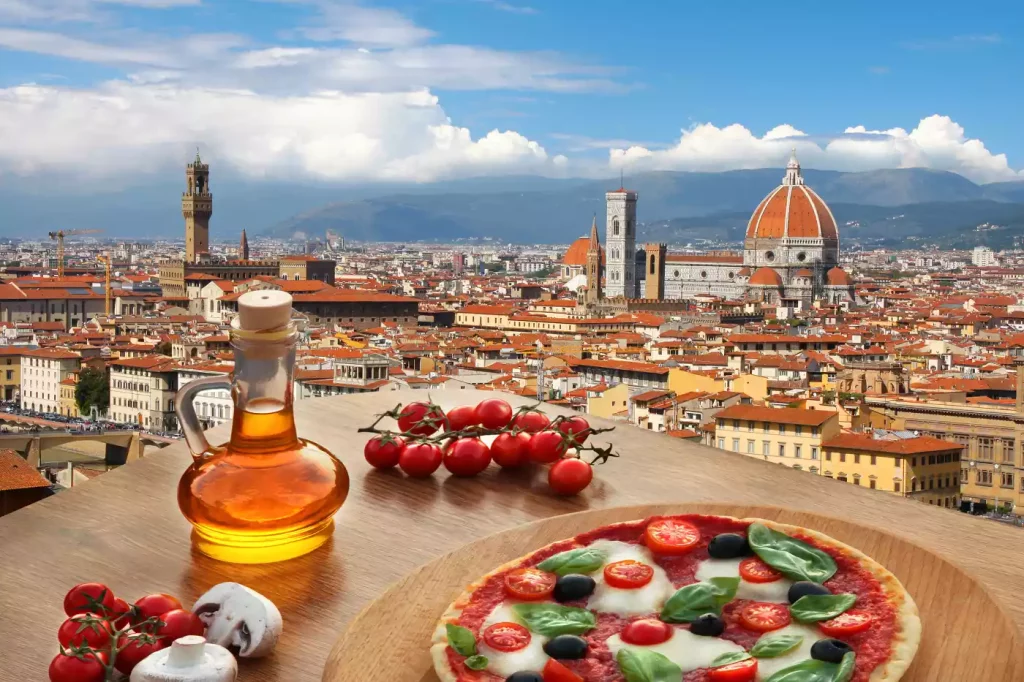
Rome, a city steeped in history, offers a culinary experience that blends ancient traditions with modern flavors. The heart of Roman cuisine is simplicity, as dishes often rely on just a few quality ingredients to create bold flavors. Cacio e pepe, a pasta made with only Pecorino Romano cheese and black pepper, is a prime example of this minimalistic approach. Another classic Roman dish is carciofi alla giudia, deep-fried artichokes, a popular appetizer.
Visitors to Rome can explore the vibrant Campo de’ Fiori market, sample traditional street food like supplì (fried rice balls stuffed with mozzarella), or take a cooking class to learn how to make pasta or other Roman specialties.
Southern Italy: Bold Flavors and Mediterranean Influence
The southern regions of Italy, including Campania, Calabria, and Sicily, are famous for their bold flavors, fresh produce, and Mediterranean influences. Southern Italian cuisine relies heavily on olive oil, tomatoes, garlic, and fresh herbs, with a focus on seafood, cured meats, and citrus fruits. Dishes from this region are often more pungent and robust compared to their northern counterparts.
In Naples, the birthplace of pizza, travelers can enjoy the world-famous Margherita pizza made with San Marzano tomatoes, mozzarella, and fresh basil. Naples is also home to a range of other traditional dishes, such as spaghetti alle vongole (spaghetti with clams) and sfogliatella, a delicious pastry filled with ricotta.
Naples: The Heart of Italian Pizza Culture
Naples, the birthplace of pizza, offers an unparalleled opportunity to experience authentic Neapolitan pizza. Pizza in Naples is an art form, with the dough prepared by hand, topped with high-quality, locally sourced ingredients, and baked in a wood-fired oven. The Pizza Margherita, named after Queen Margherita of Savoy, is the most famous and represents the colors of the Italian flag: red (tomato), white (mozzarella), and green (basil). Food tours in Naples often include a visit to historic pizzerias where travelers can witness firsthand the traditional techniques behind this iconic dish.
Apart from pizza, Naples is known for its seafood, particularly dishes featuring anchovies, clams, and squid. The Spaghetti alle Vongole, or spaghetti with clams, is a classic example of the region’s love for fresh, simple seafood.
Sicily: A Fusion of Cultures and Flavors
Sicily, the island off the southern coast of Italy, offers a rich and diverse food culture shaped by centuries of foreign influences, including Arabic, Spanish, and Greek. Sicily’s cuisine is known for its use of sweet and savory flavors, with ingredients such as raisins, pine nuts, and olives often featured in dishes.
A visit to Palermo, the capital of Sicily, offers the chance to taste street foods such as arancini (fried rice balls stuffed with meat or cheese) and panelle (chickpea fritters). Sicily is also famous for its desserts, particularly cannoli, crispy pastry tubes filled with sweet ricotta cheese. In addition to these treats, Sicily’s seafood, including swordfish and sea urchins, is a must-try for food lovers.
Conclusion: The Joy of Culinary Tourism in Italy
Italy’s diverse regions offer an abundance of opportunities for tourists to experience the country’s rich culinary traditions. From the hearty risottos of Milan to the fresh seafood of Sicily, each city and region offers its own unique flavor profile and cooking techniques. For food lovers, Italy is a dream destination, where each meal tells a story of history, culture, and passion.
Food tourism in Italy is more than just a way to fill your stomach; it is an opportunity to connect with the local culture, meet passionate chefs and artisans, and learn the skills to recreate these dishes at home. Whether you are taking a cooking class in Bologna, touring a vineyard in Tuscany, or savoring a slice of pizza in Naples, experiencing Italian cuisine in its native cities is an unforgettable journey for the senses.