




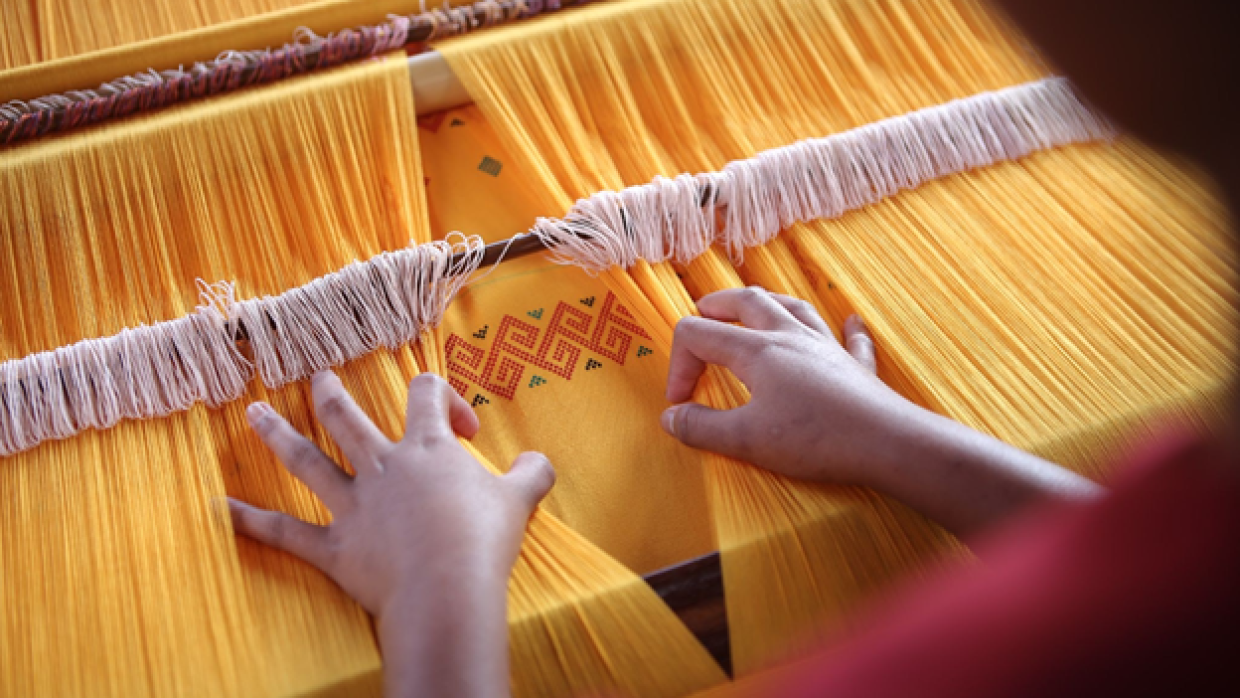

India’s rich and diverse heritage is woven into its textiles, making its handloom industry one of the most fascinating and culturally significant parts of the country. For centuries, handloom weaving has been a vital element of Indian craftsmanship, producing intricate fabrics that tell stories of tradition, artistry, and innovation. Tourists visiting India have the unique opportunity to experience this living tradition firsthand by exploring the handloom weaving workshops across the country. These workshops provide a deeper understanding of the artistry, techniques, and history behind the textiles that define India’s cultural identity.
In this article, we will take an in-depth look at India’s handloom industry, explore the significance of handloom weaving workshops, delve into the traditional techniques used by weavers, and highlight some of the best places to visit for an immersive textile experience. From the well-known silk sarees of Kanchipuram to the intricate ikat patterns of Odisha, these workshops offer a blend of cultural exploration and artistic appreciation that draws both local and international visitors.
1. The Significance of Handloom Weaving in India
1.1. A Rich Heritage
Handloom weaving has been an integral part of Indian culture for thousands of years. India’s first references to handwoven textiles date back to the ancient scriptures, and for centuries, the art of weaving has been passed down through generations. The traditional handloom industry has been a crucial aspect of India’s economy, offering employment to millions of artisans, mostly from rural and semi-urban areas.
Indian textiles have played a key role in world trade. The intricate cotton, silk, wool, and jute fabrics from India were highly sought after in Europe and the Middle East. The country’s textile traditions are not just economic but are deeply interwoven with cultural, religious, and social practices. Weaving, in many ways, is not just a skill but an expression of regional identity, with each state and community adding its own unique touch to the textiles they create.
1.2. A Source of Livelihood
The handloom industry remains a significant source of livelihood for millions of rural families in India. Despite the challenges posed by the mechanized textile industry, handloom weaving continues to thrive. This is due in part to the cultural importance of handwoven textiles, the growing interest in sustainable fashion, and the increasing demand for unique, handcrafted items.
Weaving communities across India—such as the Banarasi weavers of Varanasi, the Kanchipuram silk weavers of Tamil Nadu, and the Pochampally weavers of Telangana—continue to practice ancient techniques, ensuring the survival of this timeless art form.
2. Exploring Indian Handloom Weaving Workshops
Visiting handloom weaving workshops is a unique way for tourists to experience firsthand the artistry and craftsmanship behind some of India’s most exquisite textiles. These workshops are scattered across the country, each specializing in different regional techniques and materials. A visit to these workshops not only allows tourists to witness the weaving process but also provides an opportunity to meet the artisans, understand their techniques, and even participate in the weaving process.
2.1. Kanchipuram: The Land of Silk Weaving
Located in Tamil Nadu, Kanchipuram is synonymous with silk weaving. The Kanchipuram silk saree, known for its rich colors, intricate designs, and luxurious texture, is a symbol of India’s handloom legacy. The weaving process of these sarees involves a unique technique where gold or silver threads are woven into the fabric to create exquisite motifs such as peacocks, temples, and flowers.
Tourists visiting Kanchipuram can explore workshops that produce these silk masterpieces. These workshops offer demonstrations of the traditional weaving process using pit looms, where artisans skillfully weave the threads into patterns that require precision and expertise. Visitors can learn about the significance of the motifs, the various types of silk used, and the symbolism behind the patterns.
2.2. Banaras: The Home of Banarasi Brocades
Banaras (or Varanasi), the city on the banks of the Ganges, is world-renowned for its Banarasi sarees. These sarees are made from fine silk and are known for their intricate brocade designs, often featuring patterns such as floral motifs, paisleys, and religious themes. The weaving process in Varanasi is complex and labor-intensive, with designs requiring precise execution over several weeks.
In Banaras, tourists can visit the numerous workshops where master weavers create these luxurious brocades. The workshops offer live demonstrations of weaving on handlooms, providing tourists with a behind-the-scenes look at the craftsmanship that goes into creating these famous textiles. Visitors can even try their hand at weaving, gaining insight into the intricate processes involved in producing a Banarasi saree.
2.3. Pochampally: The Ikat Weaving Tradition
Pochampally, located in Telangana, is famous for its ikat weaving technique. Ikat is a dyeing technique where the threads are dyed before weaving, creating beautiful blurred patterns in the fabric. The Pochampally ikat is especially known for its geometric patterns, vibrant colors, and the ability to create intricate designs using a single thread.
Visitors to Pochampally can tour local workshops and see weavers working on their loom to create these striking textiles. The workshops often provide demonstrations of the entire process, from dyeing the threads to weaving the fabric. Tourists can also learn about the cultural significance of the ikat patterns, which often represent local traditions and beliefs.
2.4. Odisha: The Tradition of Sambalpuri and Bomkai Weaving
Odisha is known for its rich textile heritage, with two of the most famous weaving traditions being Sambalpuri and Bomkai. Both involve intricate patterns and motifs inspired by the region’s natural and cultural landscapes, including the famous Konark Sun Temple and various elements of rural life. Sambalpuri weaving is distinguished by its use of tie-dye (bandha) techniques, while Bomkai weaving often incorporates a unique technique of extra weft weaving, which adds complexity and texture to the fabric.
Tourists visiting Odisha can visit weaving clusters in places like Sonepur, Bargarh, and Sambalpur, where they can witness the time-consuming and skilled processes that go into creating these textiles. Workshops in these regions offer opportunities for tourists to observe weavers at work, learn about the history and symbolism of the designs, and even purchase handwoven textiles directly from the artisans.
3. Handloom Weaving: The Techniques and Process
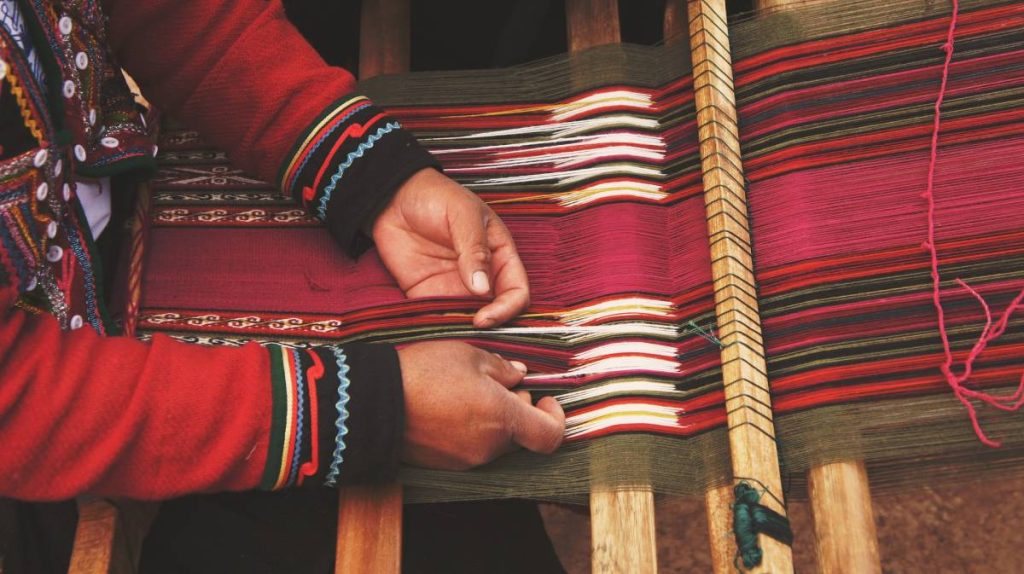
Understanding the process of handloom weaving helps tourists appreciate the time, effort, and skill involved in each textile. The process varies slightly depending on the region and type of fabric, but the core principles remain the same.
3.1. The Loom
The loom is the heart of any weaving workshop. There are different types of looms used in India, including pit looms, frame looms, and jacquard looms, depending on the region and the type of fabric being produced. Each type of loom requires a high level of expertise and skill from the weaver.
- Pit Looms: These are used primarily for weaving fine textiles like Kanchipuram silks. The weaver sits on the ground, operating the loom using foot pedals, and the weaving is done in a highly controlled manner.
- Frame Looms: Used for weaving coarser fabrics, such as those found in Gujarat and Rajasthan, these looms are smaller and more portable.
- Jacquard Looms: This advanced loom is used for creating intricate patterns and is often employed in the production of Banarasi brocades.
3.2. The Weaving Process
The weaving process itself involves several stages:
- Yarn Preparation: The raw materials—silk, cotton, wool, etc.—are dyed and spun into yarn. This step can take several days, depending on the complexity of the design.
- Warping: This involves setting up the loom by arranging the yarn in parallel lines, creating the base of the fabric.
- Weaving: The weaver passes the shuttle (a tool that carries the weft thread) through the warp threads to create the fabric. This is the most labor-intensive step, requiring immense skill and precision.
- Finishing: Once the fabric is woven, it is finished by washing, ironing, and sometimes embellishing with gold or silver threads, especially in the case of luxurious textiles like Banarasi or Kanchipuram silks.
4. Supporting Local Weavers and Sustainable Fashion
The global demand for handloom textiles is growing, with a shift towards sustainable fashion. Tourists visiting handloom workshops can play an important role in supporting local artisans by purchasing their creations directly, promoting fair trade practices, and ensuring that the weavers are compensated fairly for their work. Many workshops also offer educational programs that focus on the importance of sustainable fashion, highlighting the environmental and cultural benefits of handwoven textiles.
By supporting local weavers and participating in the handloom experience, tourists help sustain a vital part of India’s heritage while promoting eco-conscious fashion choices.
5. Conclusion
India’s handloom weaving workshops offer much more than just an opportunity to see artisans at work—they provide an immersive cultural experience that connects visitors to the country’s deep textile heritage. These workshops offer a unique window into India’s craftsmanship, from the intricate silk weaves of Kanchipuram to the striking ikat patterns of Pochampally.
For tourists, visiting these workshops is a way to understand the history, techniques, and traditions that have made India’s textiles so renowned across the globe. It’s an opportunity to engage with local communities, learn about sustainable fashion, and take home a piece of India’s rich heritage.
By supporting the handloom industry, tourists contribute to preserving this art form for future generations, ensuring that the looms continue to weave the stories of India’s cultural richness into every thread.