




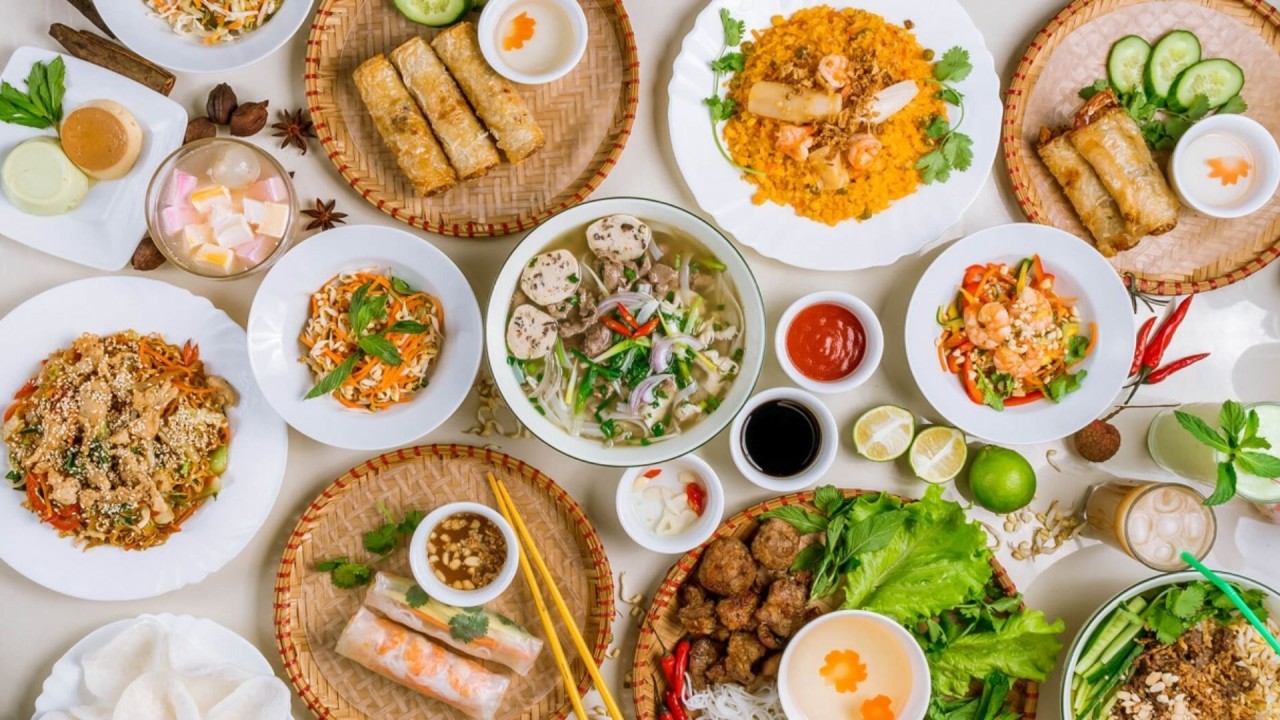

Food is not just a necessity for survival; it is a powerful cultural symbol that connects people, tells stories, and shapes identities. Each country, region, and community has its own unique culinary traditions that are influenced by history, geography, climate, and cultural exchange. The study of local cuisine and food culture offers a fascinating insight into the soul of a place, and it’s often through food that travelers gain a deeper understanding of the history and lifestyle of the people they visit.
In this article, we will explore the importance of local cuisine in global cultures, examine the culinary traditions of different regions, and discuss how food can be an entry point for travelers to connect with a destination. We will also look at how food culture influences social gatherings, festivals, and family traditions, as well as the growing global trend of sustainable eating and the importance of preserving traditional culinary practices.
1. Understanding Local Cuisine and Its Significance
1.1. The Role of Food in Cultural Identity
Local cuisine plays a fundamental role in the development and preservation of cultural identity. It reflects the historical, social, and environmental influences that have shaped a community over time. From the ingredients used to the methods of cooking, each dish is a product of centuries of tradition, adaptation, and innovation.
For example, in Italy, pasta, pizza, and olive oil are not just foods; they are symbols of a rich cultural heritage. In Japan, sushi and sashimi are deeply intertwined with the country’s history and respect for nature. In India, spices, rice, and lentils have long been a central part of daily life, with regional variations adding complexity and diversity to the cuisine.
Food culture can also define how communities interact with one another. It determines the type of meals shared, the timing of those meals, and the traditions that accompany them. In many cultures, food is more than just fuel; it is an experience that brings people together, whether it’s through family dinners, street food festivals, or special occasions.
1.2. The Influence of Geography and Climate
The geography and climate of a region have a direct impact on the food culture of its people. The availability of certain ingredients—be it spices, vegetables, fruits, or meat—shapes what is eaten and how it is prepared.
- Coastal Regions: In coastal areas, seafood plays a central role in the local diet. For example, Greece is famous for its fresh fish, octopus, and seafood stews, all influenced by the Mediterranean diet. Similarly, in Japan, the surrounding oceans provide an abundance of seafood that is at the heart of the nation’s culinary traditions.
- Mountainous Regions: In the Andes Mountains, traditional dishes often feature potatoes and quinoa, both of which are native to the region. The Swiss Alps are known for cheese dishes like fondue, which utilize the rich dairy resources of the area.
- Tropical Regions: In tropical climates, local cuisine tends to feature an abundance of fruits, vegetables, and spices. In Thailand, for instance, dishes such as green curry and pad thai showcase the use of aromatic herbs like basil, lemongrass, and cilantro.
The land’s resources not only dictate the types of foods consumed but also influence preparation techniques. For instance, in some cultures, slow-cooking or grilling methods are used to tenderize meat or enhance flavors, while others might rely on fermentation or pickling to preserve foods for longer periods.
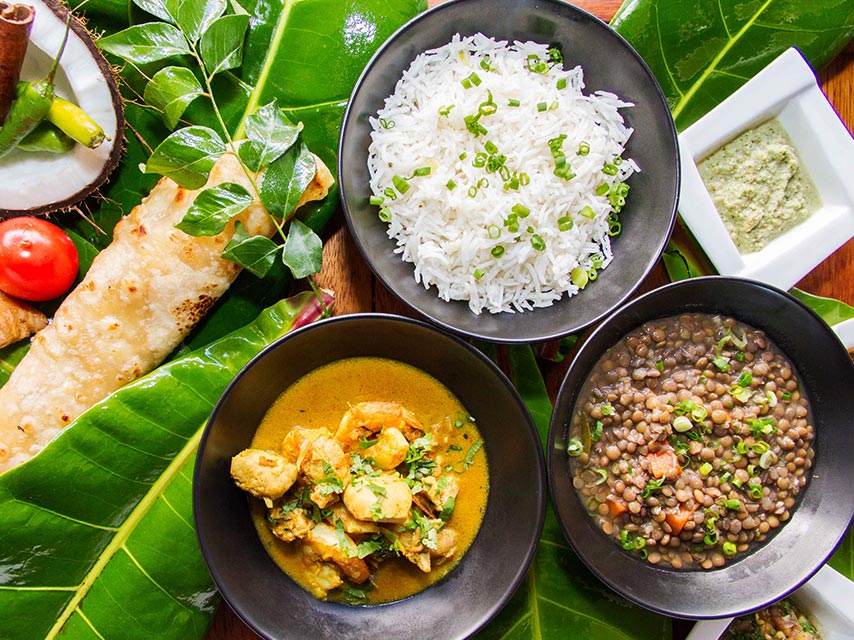
2. Key Features of Local Food Cultures Around the World
2.1. Mediterranean Cuisine: A Celebration of Freshness
The Mediterranean diet is often hailed as one of the healthiest diets in the world, emphasizing the use of fresh, local ingredients such as vegetables, fruits, legumes, whole grains, nuts, seeds, and olive oil. This cuisine is famous for its vibrant flavors, use of herbs, and simple yet healthy cooking methods.
Greece, Italy, Spain, and Turkey all share some common elements in their food cultures, despite regional variations:
- Olive Oil: Central to Mediterranean cooking, olive oil is used in almost every dish, from salads to sautés, and is a symbol of the region’s agricultural heritage.
- Cheese: Mediterranean countries produce a wide variety of cheeses, including feta in Greece, mozzarella in Italy, and manchego in Spain.
- Grilled Meats and Fish: Grilling is a common method of cooking, often accompanied by fresh herbs like rosemary and thyme.
- Pasta and Bread: In Italy, pasta is a staple in almost every meal, and bread plays a central role in the Mediterranean table, whether it’s served fresh or used to mop up sauces.
In addition to the ingredients and preparation methods, Mediterranean cuisine is also about the way food is consumed—often in communal meals, where sharing food is a sign of hospitality and unity.
2.2. Asian Cuisine: A Blend of Tradition and Innovation
Asian cuisine is incredibly diverse, with each country offering its own unique flavor profiles, ingredients, and cooking methods. However, some common themes run throughout much of Chinese, Japanese, Indian, and Southeast Asian food cultures.
- Rice and Noodles: In many Asian countries, rice is a staple food. In China, rice is often served alongside stir-fried dishes, while India features a wide range of rice dishes such as biryani and pilaf. In Japan, rice is an essential part of almost every meal, while noodles such as ramen and pho are popular in other parts of Asia.
- Spices and Herbs: The use of spices is a defining feature of Asian cuisine. India is famous for its complex spice blends, such as garam masala and curry powder, while Thailand is known for its aromatic lemongrass, galangal, and lime leaves in dishes like tom yum soup.
- Fermentation: Fermented foods like kimchi in Korea, tempeh in Indonesia, and soy sauce in China are integral to many Asian diets. These foods offer a distinctive flavor and have long been valued for their health benefits, particularly in supporting gut health.
One of the most interesting aspects of Asian food culture is the balance of flavors—sweet, salty, sour, spicy, and umami—that come together in harmony to create dishes that are both complex and satisfying.
2.3. Latin American Cuisine: Bold Flavors and Rich Traditions
The culinary traditions of Latin America are characterized by bold, vibrant flavors and a wide range of ingredients. Each country has its own distinct food culture, but many share a common base of corn, beans, chiles, and tropical fruits.
- Mexico: Mexican cuisine is known for its rich use of corn, chilies, and beans, with dishes like tacos, enchiladas, and tamales taking center stage. Mole sauce, made from a combination of chocolate and spices, is another quintessential Mexican dish.
- Brazil: In Brazil, feijoada, a hearty stew made with black beans and pork, is a national dish. Brazilian cuisine also highlights barbecue, particularly churrasco, which involves grilling meats on skewers over open flames.
- Peru: Peruvian cuisine is known for its fusion of indigenous, European, and Asian influences. Ceviche (raw fish marinated in citrus juices) and pisco sour (a cocktail made from pisco brandy) are iconic dishes in this vibrant food culture.
Latin American cuisine is defined by seasonal ingredients and a deep connection to family traditions. Cooking is often a communal activity, and meals are an opportunity for gathering and celebration.
3. The Importance of Preserving Food Traditions
3.1. Food as a Cultural Heritage
As globalization spreads, traditional food cultures are increasingly at risk of disappearing. Fast food chains, industrial farming, and the availability of mass-produced ingredients have changed the way people cook and eat. However, many communities are working hard to preserve their culinary heritage by promoting local food traditions, supporting small-scale agriculture, and passing down recipes from generation to generation.
For example, in Italy, the Slow Food Movement encourages people to eat local, traditional foods and support small farmers. Similarly, many indigenous communities around the world are fighting to protect their traditional food practices, recognizing that food is not just a source of nutrition but a key part of their cultural identity.
3.2. The Rise of Sustainable Eating
As awareness of environmental issues increases, there has been a growing shift towards sustainable eating. This involves choosing locally sourced, organic, and seasonal ingredients that support the environment and local farmers. Sustainable eating also includes reducing food waste and choosing plant-based or environmentally friendly options, which is particularly important given the growing concerns about climate change and resource depletion.
By embracing sustainable eating practices, travelers and food enthusiasts can not only enjoy delicious, authentic dishes but also contribute to the protection of food cultures and the environment.
4. Conclusion: The Power of Food Culture
Local cuisine is much more than a collection of recipes; it is a reflection of the history, geography, and identity of a region. By exploring the food cultures of different parts of the world, travelers gain a deeper understanding of the people and traditions that shape these dishes. Food has the power to unite us, to tell the stories of our past, and to create new experiences for future generations. It is a way to celebrate cultural diversity and sustainability, all while enjoying the flavors of the world.
In the end, the best way to experience a destination is not just through its landmarks and architecture, but through its food—a universal language that speaks to our senses, hearts, and minds. So the next time you travel, be sure to indulge in the local cuisine, savor the flavors, and connect with the culture on a deeper level.