




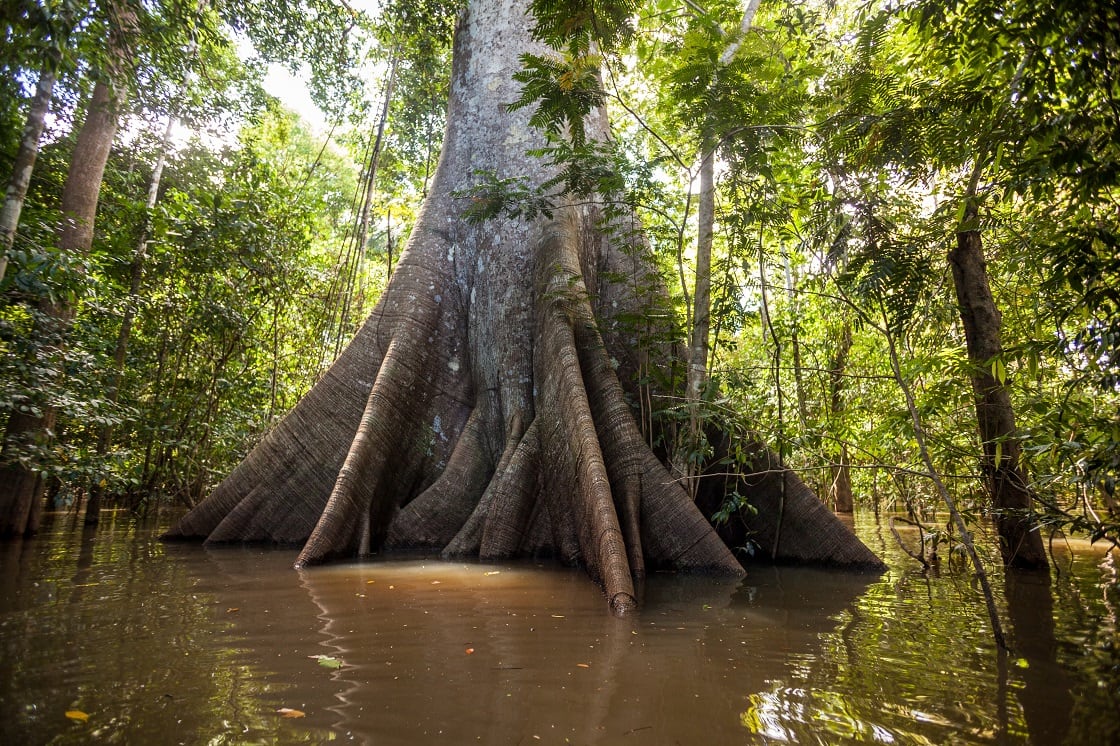

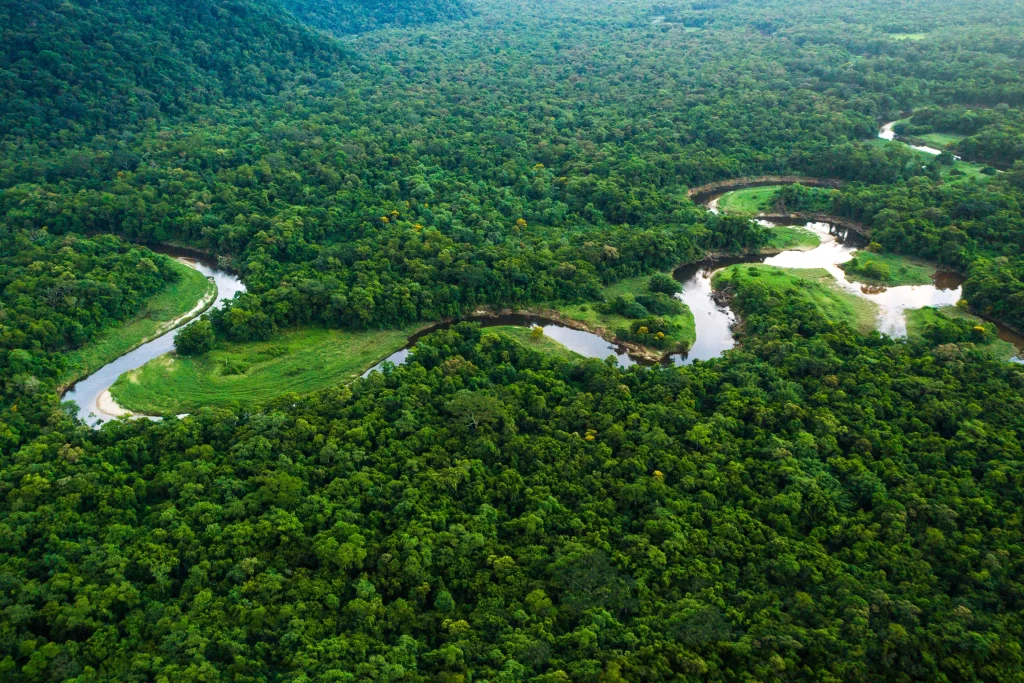
The Amazon Rainforest, often referred to as the “lungs of the Earth,” is the largest tropical rainforest in the world, spanning over 5.5 million square kilometers across nine South American countries, with the majority located in Brazil. This vast and biodiverse region is home to an unparalleled variety of flora and fauna, indigenous cultures, and ecological systems. For adventurers, scientists, and eco-tourists, the Amazon represents a unique combination of natural wonder, scientific intrigue, and cultural richness.
This article offers an in-depth exploration of Amazon adventures in Brazil, covering ecological significance, biodiversity, indigenous cultures, expedition planning, sustainable tourism, safety considerations, and practical tips for travelers seeking immersive rainforest experiences.
1. The Ecological Significance of the Amazon
1.1 Global Importance
- The Amazon produces approximately 20% of the world’s oxygen and serves as a major carbon sink, mitigating climate change.
- Its vast river system, including the Amazon River, supports global hydrology and influences weather patterns.
1.2 Biodiversity Hotspot
- Home to over 40,000 plant species, 1,300 bird species, 430 mammal species, and countless insects.
- Iconic species include jaguars, pink river dolphins, macaws, anacondas, and poison dart frogs.
- High levels of endemism make the region critical for conservation and ecological research.
1.3 Threats to the Ecosystem
- Deforestation, mining, agriculture, and climate change pose significant challenges.
- Conservation initiatives and eco-tourism efforts aim to balance human activity with ecosystem preservation.
2. Indigenous Cultures of the Amazon
2.1 Indigenous Communities
- The Brazilian Amazon hosts over 300 indigenous groups, including the Yanomami, Kayapo, and Ticuna.
- These communities maintain traditional knowledge of plants, hunting, fishing, and medicinal practices.
2.2 Cultural Heritage and Practices
- Rituals, oral storytelling, and craftsmanship play a central role in community life.
- Sustainable use of forest resources preserves cultural identity while promoting biodiversity.
2.3 Interaction with Visitors
- Responsible eco-tourism allows travelers to learn from indigenous guides, participate in cultural workshops, and understand local environmental stewardship.
- Ethical tourism emphasizes consent, fair compensation, and cultural respect.
3. Amazon Expeditions: Planning and Logistics
3.1 Access Points
- Common starting points include Manaus, Belém, and Santarém, serving as gateways to the rainforest.
- Travel may involve flights, riverboats, and guided treks.
3.2 Best Time to Visit
- Dry season (June–December): Easier hiking and wildlife spotting.
- Wet season (January–May): Higher river levels, canoe exploration, abundant flora.
3.3 Guided Tours vs. Independent Exploration
- Guided tours provide safety, expert knowledge, and cultural insight.
- Independent travel requires experience with navigation, survival skills, and local regulations.
3.4 Accommodation Options
- Jungle lodges: Eco-friendly facilities with minimal environmental impact.
- Riverboats: Offer immersive experiences along the Amazon River.
- Homestays with indigenous communities provide authentic cultural immersion.
4. Wildlife and Nature Experiences
4.1 Iconic Mammals
- Jaguars: elusive predators; best observed via camera traps or guided night safaris.
- Monkeys: Capuchins, howler monkeys, and spider monkeys inhabit canopy layers.
- Sloths: Slow-moving and well-camouflaged, often spotted during hikes.
4.2 Birds and Insects
- Macaws, toucans, and harpy eagles offer spectacular birdwatching opportunities.
- Butterflies, dragonflies, and rare beetles showcase insect biodiversity.
4.3 Aquatic Life
- Pink river dolphins: Unique to the Amazon, often spotted during boat tours.
- Piranhas: Encountered in rivers, best viewed safely with expert guidance.
- Giant river turtles and caimans inhabit slow-moving tributaries.
4.4 Flora and Medicinal Plants
- Hundreds of edible fruits, herbs, and medicinal plants are used by indigenous communities.
- Trees like kapok, rubber, and Brazil nut are vital to both ecology and local economies.
5. Adventure Activities in the Amazon
5.1 Jungle Treks
- Guided hikes vary from short nature walks to multi-day expeditions.
- Trails offer opportunities to observe wildlife, track animals, and study plant species.
5.2 River Excursions
- Canoeing and motorboat tours allow access to remote areas.
- Nighttime excursions reveal nocturnal wildlife and aquatic ecosystems.
5.3 Canopy Walks and Observation Towers
- Elevated platforms provide panoramic views of the rainforest canopy.
- Excellent for birdwatching, photography, and ecosystem observation.
5.4 Fishing and Sustainable Harvesting
- Piranha fishing is a popular activity, guided by experts.
- Sustainable harvesting of forest products educates visitors about resource management.
6. Eco-Tourism and Sustainability
6.1 Principles of Responsible Travel
- Minimize waste, respect wildlife, and avoid disruptive behavior.
- Support local communities through fair compensation and ethical interactions.
6.2 Eco-Lodges and Sustainable Practices
- Solar-powered electricity, composting toilets, and water conservation are standard.
- Lodges often participate in reforestation and conservation programs.
6.3 Community-Led Tourism
- Indigenous guides lead cultural tours, workshops, and forest walks.
- Revenue supports education, healthcare, and environmental initiatives.
7. Scientific and Research Opportunities
7.1 Biodiversity Studies
- Scientists conduct research on endangered species, ecological interactions, and climate change effects.
7.2 Ethnobotany
- Indigenous knowledge aids in discovering medicinal plants and sustainable harvesting methods.
7.3 Conservation Projects
- Collaborative initiatives focus on reforestation, anti-deforestation measures, and habitat restoration.
8. Health and Safety Considerations
8.1 Vaccinations and Health Precautions
- Recommended vaccines: Yellow fever, hepatitis A & B, typhoid, and routine immunizations.
- Anti-malarial measures, insect repellent, and proper clothing are essential.
8.2 Navigational Safety
- Always travel with experienced guides familiar with local conditions.
- GPS, maps, and communication devices enhance safety during expeditions.
8.3 Wildlife and Environmental Awareness
- Observe animals without interference.
- Avoid touching plants or insects that may be toxic or dangerous.
9. Practical Travel Tips
- Pack Light and Smart: Lightweight clothing, waterproof gear, binoculars, and a first-aid kit.
- Stay Hydrated and Nourished: River water should be filtered or boiled; carry sufficient food for treks.
- Respect Local Communities: Learn basic Portuguese or local dialects, follow cultural norms.
- Document the Experience: Photography and journaling enhance reflection and learning.
- Leave No Trace: Minimize environmental impact by disposing of waste responsibly and avoiding harmful practices.
10. Iconic Destinations and Expeditions
10.1 Manaus
- Gateway to the Amazon, featuring the Amazon Theatre, river tours, and local markets.
10.2 Anavilhanas Archipelago
- A network of islands providing canoe and kayak exploration, birdwatching, and wildlife observation.
10.3 Jaú National Park
- Remote area known for jaguars, giant otters, and pristine rainforest.
10.4 Meeting of Waters
- Where the Rio Negro and Rio Solimões converge, creating distinctly colored rivers visible from boat tours.
11. Cultural Immersion Experiences
- Participate in craft workshops, learning pottery, weaving, or basket-making.
- Traditional music, dance, and storytelling offer insights into Amazonian heritage.
- Shared meals with local families provide understanding of diet, agriculture, and culinary practices.
12. Challenges Facing Amazon Tourism
12.1 Environmental Threats
- Deforestation, illegal logging, and mining endanger ecosystems.
- Responsible tourism emphasizes minimal ecological footprint.
12.2 Infrastructure Limitations
- Remote areas often lack roads, electricity, and medical facilities.
- Travelers must be self-reliant and prepared for limited services.
12.3 Climate and Weather Hazards
- Flooding, heavy rainfall, and tropical storms require flexible itineraries.
- Knowledge of local conditions and seasonal patterns ensures safety.
13. Conclusion
An Amazon adventure in Brazil offers an unparalleled combination of biodiversity, cultural richness, and ecological significance. Travelers experience:
- Natural Wonders: Lush forests, exotic wildlife, and meandering rivers.
- Cultural Heritage: Indigenous knowledge, traditions, and sustainable practices.
- Adventure and Discovery: Jungle treks, river expeditions, and canopy exploration.
- Conservation Awareness: Direct engagement with eco-tourism initiatives promoting environmental stewardship.
For those seeking a life-changing journey, the Brazilian Amazon is more than a destination—it is an educational, spiritual, and thrilling exploration of one of the planet’s most vital ecosystems. By approaching the rainforest with respect, preparation, and curiosity, travelers become part of the ongoing story of conservation, cultural preservation, and sustainable adventure.
The Amazon is not just a place to visit—it is a world to immerse yourself in, learn from, and protect for future generations.