




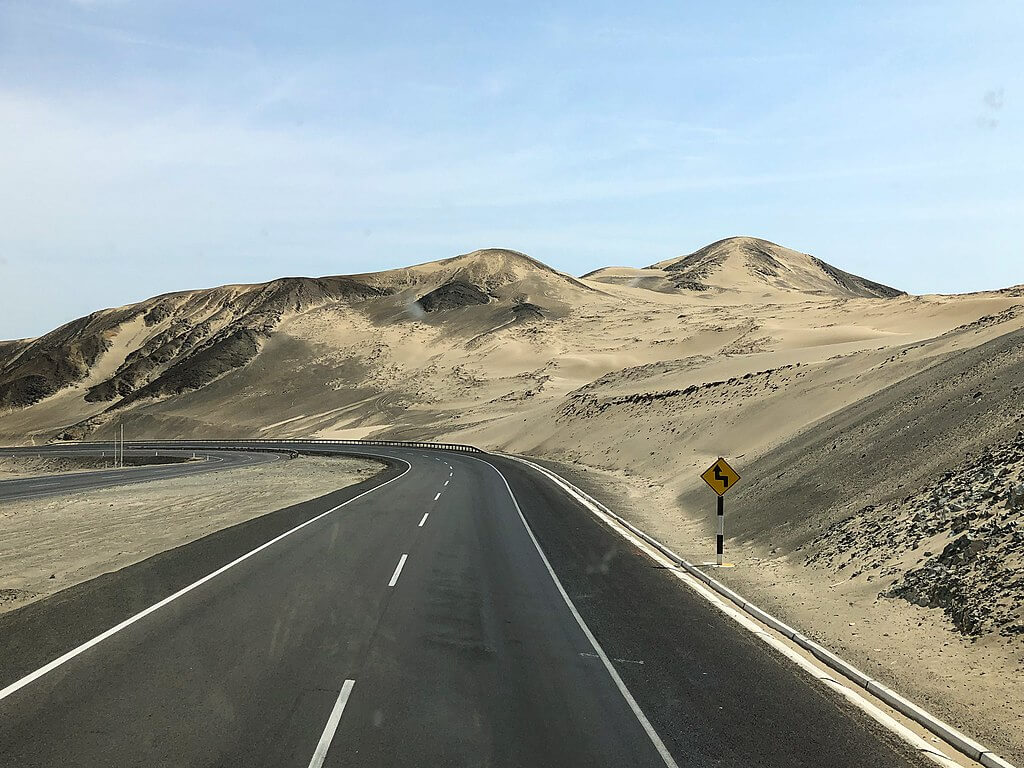

The Pan-American route is one of the most ambitious and scenic travel journeys in the world, spanning from Alaska in North America to the southern tip of Argentina and Chile. Covering over 30,000 kilometers of diverse landscapes, cultures, and climates, this route offers travelers an unparalleled opportunity to experience the full spectrum of the Americas.
This article provides a comprehensive exploration of the Pan-American route, covering its history, geography, transportation options, cultural highlights, logistical considerations, safety, environmental impact, and practical tips for planning a successful cross-continental adventure.
1. Historical and Geographic Background
1.1 Origins of the Pan-American Route
- The concept emerged in the 20th century as part of the Pan-American Highway initiative, connecting countries across the Americas.
- Initially intended for trade, economic development, and regional integration, it evolved into a route for adventure travelers.
1.2 Geographic Scope
- The route stretches from Prudhoe Bay, Alaska, through North America, Central America, and South America, terminating at Ushuaia, Argentina, often considered the “end of the world.”
- Includes diverse terrains: Arctic tundra, temperate forests, deserts, mountains, rainforests, and tropical beaches.
1.3 Key Regions Along the Route
- North America: Alaska, Canada, United States (Rockies, Great Plains, Pacific Coast)
- Central America: Mexico, Guatemala, Honduras, Nicaragua, Costa Rica, Panama
- South America: Colombia, Ecuador, Peru, Bolivia, Chile, Argentina
2. Transportation Options
2.1 Driving
- Private vehicles, motorcycles, and RVs are popular for flexible exploration.
- Road conditions vary; some stretches, like the Darien Gap between Panama and Colombia, are impassable by vehicle.
2.2 Cycling
- Long-distance cycling is popular among adventure enthusiasts.
- Requires careful planning, physical preparation, and safety measures.
2.3 Public Transport and Bus Networks
- Buses and coaches provide affordable and reliable travel through urban and rural regions.
- Often used by travelers who prefer multi-stop itineraries without long driving hours.
2.4 Air Travel
- Regional flights are sometimes necessary, particularly in remote areas or to bypass impassable terrain.
- Offers time efficiency and logistical flexibility.
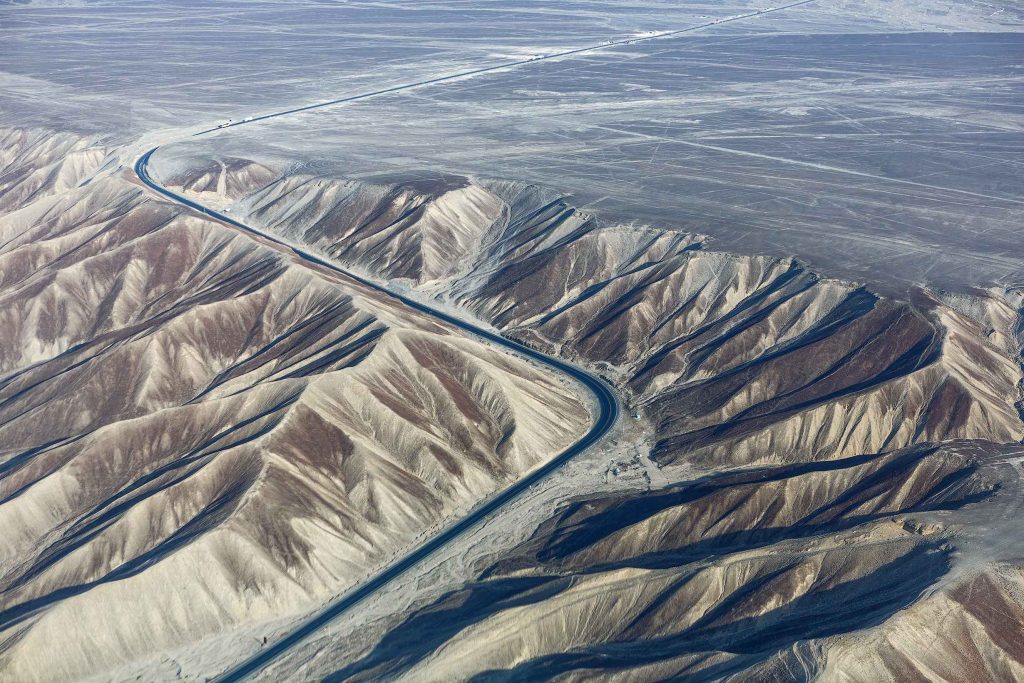
3. Natural Landscapes and Scenic Highlights
3.1 North America
- Alaskan wilderness: Glaciers, fjords, and wildlife like bears and moose.
- Rocky Mountains: Hiking, skiing, and national parks.
- Pacific Coast Highway (USA): Dramatic ocean views and coastal towns.
3.2 Central America
- Rainforests and volcanoes: Costa Rica and Guatemala offer eco-tourism and adventure activities.
- Mayan archaeological sites: Chichén Itzá, Tikal, and Copán provide cultural richness.
3.3 South America
- Andes Mountains: Hiking, mountaineering, and panoramic vistas.
- Amazon Rainforest: Biodiversity, indigenous communities, and ecological exploration.
- Patagonia: Glaciers, fjords, and extreme landscapes at the southern tip of Chile and Argentina.
4. Cultural Diversity Along the Route
4.1 Indigenous Heritage
- North, Central, and South America are home to hundreds of indigenous cultures, each with distinct languages, traditions, and crafts.
4.2 Colonial Influence
- Spanish, Portuguese, and French colonial legacies are evident in architecture, language, and cuisine.
4.3 Modern Urban Centers
- Cities like Mexico City, Bogotá, Lima, Santiago, and Buenos Aires combine history, modernity, and vibrant cultural life.
4.4 Festivals and Traditions
- Travelers can experience Dia de los Muertos, Inti Raymi, Carnival, and local music festivals, enriching the journey with authentic cultural experiences.
5. Planning Your Pan-American Journey
5.1 Itinerary Design
- Consider time, budget, interests, and seasonality.
- Popular itineraries include full-length crossings or regional explorations focusing on natural wonders, cultural sites, or adventure sports.
5.2 Documentation and Visas
- Multiple countries require passports, visas, vehicle permits, and vaccination certificates.
- Cross-border regulations vary; thorough research ensures smooth entry and exit.
5.3 Budget Considerations
- Costs include fuel, accommodation, food, entrance fees, and emergency funds.
- Budget travelers often use hostels, campsites, and local eateries, while luxury travelers opt for eco-lodges and boutique hotels.
5.4 Seasonal Planning
- North American winters may affect road access; tropical regions face rainy seasons and flooding.
- Patagonia’s summer (December–March) is optimal for exploration.
6. Safety and Health Considerations
6.1 Road and Vehicle Safety
- Roads vary from highways to unpaved mountain tracks.
- Regular vehicle maintenance and knowledge of local traffic laws are crucial.
6.2 Health Risks
- Travelers should be prepared for tropical diseases, altitude sickness, and food safety.
- Vaccinations for yellow fever, typhoid, and hepatitis are often recommended.
6.3 Wildlife and Environmental Hazards
- Awareness of wild animals, insects, and natural hazards (volcanoes, floods, landslides) is essential.
6.4 Travel Insurance
- Comprehensive coverage is recommended, including medical evacuation, accident coverage, and trip interruption insurance.
7. Environmental and Sustainability Considerations
7.1 Minimizing Ecological Impact
- Choose eco-friendly transportation, avoid single-use plastics, and respect wildlife.
7.2 Supporting Local Communities
- Engage with community-based tourism, local guides, and indigenous enterprises.
7.3 Conservation Awareness
- Many regions along the route include protected areas and national parks, requiring responsible travel practices.
8. Adventure Activities Along the Pan-American Route
8.1 Hiking and Trekking
- Andes, Rockies, and Patagonian trails offer multi-day treks and breathtaking scenery.
8.2 Water Adventures
- Kayaking in the Amazon, surfing along Central American coasts, and glacier trekking in Patagonia.
8.3 Wildlife Observation
- Opportunities to see bears, jaguars, llamas, condors, whales, and tropical birds.
8.4 Cultural Immersion
- Participation in traditional ceremonies, culinary workshops, and artisan communities.
9. Case Studies of Iconic Pan-American Routes
9.1 Alaska to Argentina by Road
- Highlights include Denali National Park, Mexican Mayan ruins, Machu Picchu, Salar de Uyuni, and Tierra del Fuego.
9.2 Central America Loop
- Focused on Costa Rica, Guatemala, and Panama, combining rainforest hikes, volcanoes, and cultural exploration.
9.3 South America Exploration
- Peru, Bolivia, Chile, Argentina for adventure sports, Andean culture, and Patagonian landscapes.
9.4 North American Scenic Route
- Pacific Coast Highway, Rocky Mountains, and national parks for road trips, wildlife, and outdoor activities.
10. Practical Tips for Travelers
- Research thoroughly: Understand visas, road conditions, and local customs.
- Pack strategically: Include clothing for diverse climates, first-aid kits, and navigation tools.
- Stay connected: Use mobile internet, GPS apps, and emergency contacts.
- Travel responsibly: Respect communities, ecosystems, and wildlife.
- Document the journey: Photography, journals, and video recordings preserve memories.
- Be adaptable: Weather, road conditions, and political events may require flexible plans.
11. Future Prospects and Trends
11.1 Increasing Eco-Tourism
- Rising interest in sustainable travel, nature conservation, and indigenous engagement.
11.2 Technology Integration
- GPS, travel apps, and online forums enhance route planning, safety, and community support.
11.3 Cross-Border Collaboration
- Pan-American initiatives aim to improve road infrastructure, cross-border cooperation, and cultural exchange.
11.4 Adventure Tourism Growth
- Expanding interest in long-distance cycling, overland expeditions, and immersive cultural experiences.
12. Conclusion
The Pan-American route offers a journey unlike any other, spanning vast landscapes, diverse cultures, and extraordinary natural wonders. It challenges travelers physically, intellectually, and culturally while providing unique opportunities for adventure, self-discovery, and environmental appreciation.
A successful journey along the Pan-American route requires thorough planning, cultural sensitivity, safety awareness, and environmental responsibility. Travelers who embrace these principles can experience the rich tapestry of the Americas while contributing positively to the communities and ecosystems they encounter.
Ultimately, this route is more than a travel itinerary—it is a transformative experience, connecting individuals to the diverse heritage, natural beauty, and human stories of two continents in a single, epic journey.