




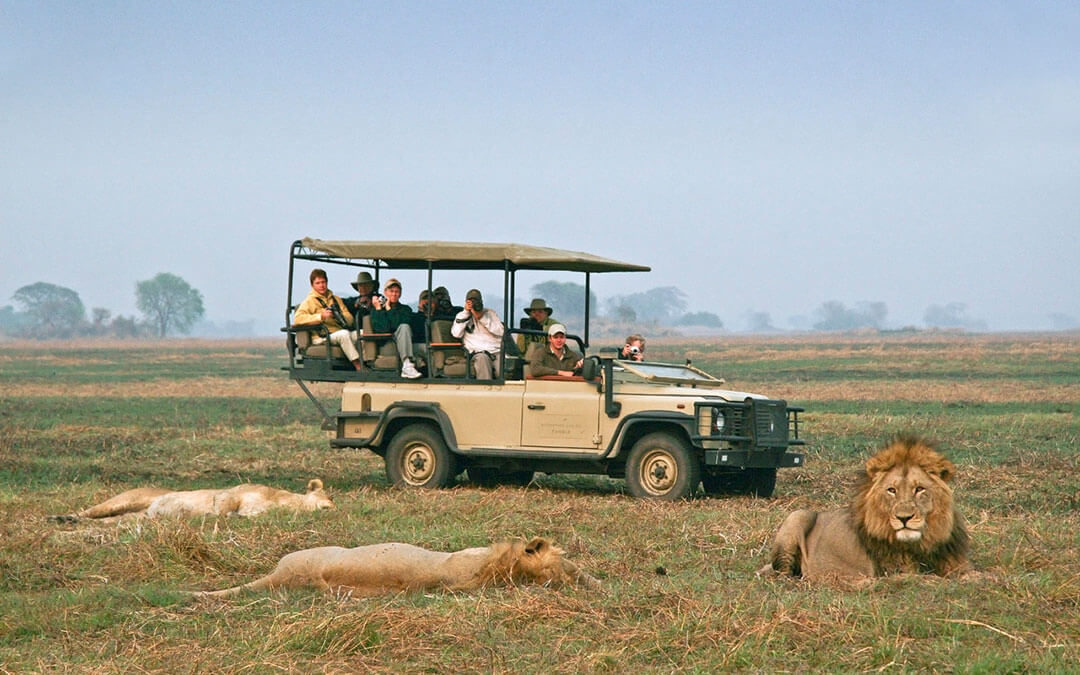

African wildlife safaris represent one of the most iconic and transformative travel experiences in the world. Rooted in vast savannas, dense forests, arid deserts, and intricate wetland systems, African safaris offer travelers the opportunity to observe some of the planet’s most extraordinary wildlife in their natural habitats. Beyond adventure and photography, modern safaris have evolved into powerful platforms for biodiversity conservation, scientific research, community development, and sustainable tourism.
This article provides a comprehensive and professional overview of African wildlife safaris, examining their ecological foundations, historical development, types of safari experiences, conservation significance, ethical considerations, and future trends. It aims to present safari travel not merely as a leisure activity, but as a deeply interconnected system linking nature, people, and global responsibility.
1. The Essence of the African Wildlife Safari
1.1 Defining the Safari Experience
The word “safari” originates from Swahili, meaning “journey.” In its modern context, an African wildlife safari refers to guided travel experiences focused on observing wild animals in protected natural areas. These experiences emphasize:
- Wildlife observation rather than interaction
- Respect for natural behavior and ecosystems
- Education about biodiversity and conservation
Safaris are designed to immerse travelers in nature while maintaining strict boundaries that protect both animals and people.
1.2 Why Africa Is Unique
Africa is unparalleled as a safari destination due to:
- Its extraordinary species diversity
- The scale of its protected landscapes
- The presence of large mammals that still roam freely
The continent hosts the world-famous “Big Five”—lion, leopard, elephant, rhinoceros, and buffalo—alongside thousands of other species, many of which are endemic.
2. Ecological Foundations of African Safaris
2.1 Africa’s Major Ecosystems
Safari destinations are shaped by diverse ecosystems, including:
- Savannas, supporting large herbivores and predators
- Tropical rainforests, home to primates and rare species
- Deserts and semi-arid regions, adapted to extreme conditions
- Wetlands and river systems, rich in birdlife and aquatic species
Each ecosystem requires specialized conservation strategies and safari approaches.
2.2 Seasonal Wildlife Patterns
Wildlife movement in Africa is often governed by seasonal rainfall. The most famous example is the Great Migration, where millions of wildebeest and zebras traverse vast distances in search of grazing land. Understanding these cycles is essential for planning responsible and effective safaris.
3. Types of African Wildlife Safaris
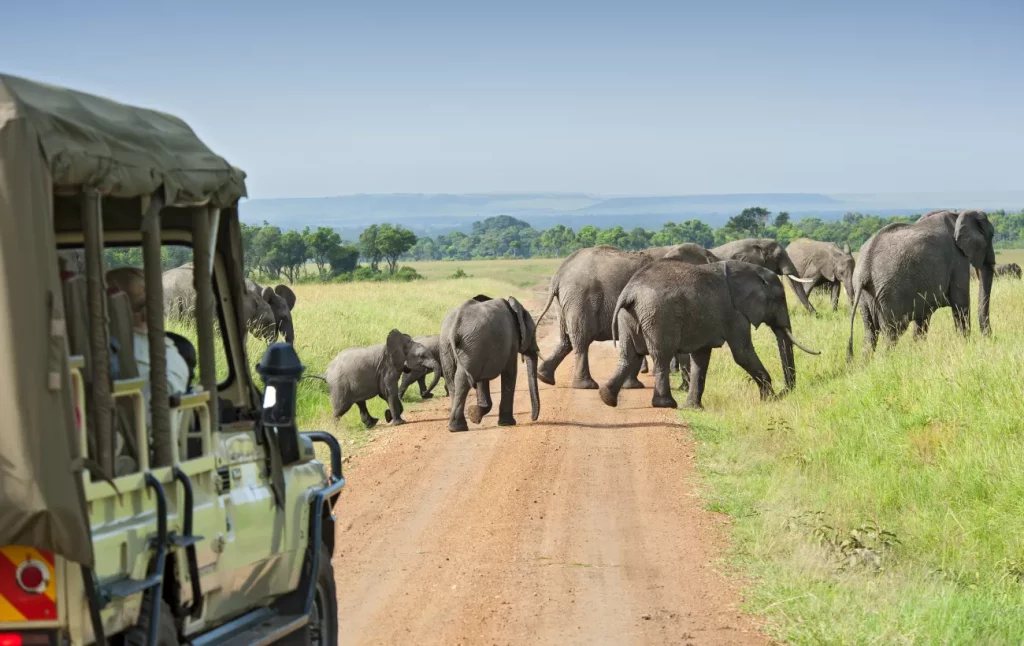
3.1 Game Drive Safaris
The most common safari format involves guided drives in specially designed vehicles. These allow:
- Safe and unobtrusive wildlife observation
- Access to large conservation areas
- Interpretation by trained guides
Game drives typically occur early in the morning and late afternoon, when animals are most active.
3.2 Walking Safaris
Walking safaris offer a more intimate perspective, focusing on:
- Animal tracks and signs
- Plant life and smaller species
- Ecosystem relationships
Led by armed and highly trained guides, walking safaris emphasize education, awareness, and respect for wildlife.
3.3 Boat and Canoe Safaris
In wetland regions and river systems, water-based safaris allow observation of:
- Aquatic mammals and reptiles
- Bird species and shoreline ecosystems
- Subtle wildlife behaviors often missed on land
These safaris are low-impact and provide unique photographic opportunities.
3.4 Specialized and Thematic Safaris
Modern safari tourism includes specialized experiences such as:
- Photography safaris
- Birdwatching expeditions
- Conservation-focused safaris
- Family or educational safaris
These tailored experiences deepen understanding while catering to diverse interests.
4. Major Safari Regions in Africa
4.1 East Africa
East Africa is often considered the birthplace of the classic safari experience. Its defining features include:
- Open savannas with abundant wildlife
- Iconic landscapes and dramatic migrations
- Strong conservation traditions
The region is especially known for predator-prey dynamics and large-scale wildlife movements.
4.2 Southern Africa
Southern Africa is renowned for:
- Well-managed national parks and private reserves
- High-quality guiding and infrastructure
- Diverse safari formats, including walking safaris
Private reserves often allow off-road driving and night safaris, enhancing wildlife encounters while maintaining strict conservation standards.
4.3 Central and West Africa
These regions offer less-traveled safari experiences, featuring:
- Dense forests and rare species
- Low visitor numbers and high ecological value
- Challenging but rewarding environments
Safaris here emphasize conservation and scientific research rather than mass tourism.
5. Wildlife Diversity and Iconic Species
5.1 Large Mammals
Africa’s large mammals play critical roles in ecosystem balance. Elephants shape landscapes, predators regulate herbivore populations, and grazers influence vegetation patterns.
5.2 Birds and Smaller Species
Africa is home to thousands of bird species, reptiles, amphibians, and insects. These often-overlooked species are essential indicators of ecosystem health and biodiversity.
5.3 Endemic and Endangered Species
Many safari regions protect species found nowhere else on Earth. Conservation efforts focus on habitat preservation, anti-poaching initiatives, and population monitoring.
6. Conservation and the Role of Safaris
6.1 Protected Areas and National Parks
African safaris operate primarily within protected areas, which serve as refuges for wildlife and biodiversity. Tourism revenue contributes to:
- Park management and ranger training
- Anti-poaching operations
- Habitat restoration projects
6.2 Community-Based Conservation
Local communities are vital stakeholders in conservation. Successful safari models:
- Provide employment and education
- Share tourism revenue with communities
- Encourage stewardship of natural resources
When communities benefit directly, wildlife conservation becomes a shared priority.
6.3 Research and Monitoring
Safari regions often collaborate with scientists to conduct:
- Wildlife population surveys
- Behavioral studies
- Climate and ecosystem monitoring
Tourism helps fund research while raising global awareness.
7. Ethical and Responsible Safari Practices
7.1 Minimizing Environmental Impact
Responsible safaris adhere to strict guidelines, including:
- Limiting vehicle numbers near animals
- Staying on designated routes
- Reducing noise and emissions
7.2 Wildlife Respect and Safety
Ethical safari operators emphasize:
- Observing animals without interference
- Avoiding stress or disruption of natural behaviors
- Educating guests on respectful conduct
7.3 Choosing Ethical Operators
Travelers play a role by selecting operators committed to:
- Conservation principles
- Fair labor practices
- Transparency and accountability
8. Safari Accommodation: From Camps to Eco-Lodges
8.1 Tented Camps
Tented camps offer immersive experiences with minimal environmental footprint. They often use:
- Solar power
- Temporary or low-impact structures
- Locally sourced materials
8.2 Eco-Lodges and Sustainable Design
Eco-lodges combine comfort with sustainability, incorporating:
- Renewable energy systems
- Water conservation technologies
- Waste reduction practices
These accommodations demonstrate that luxury and sustainability can coexist.
9. Preparing for an African Wildlife Safari
9.1 Physical and Mental Preparation
Safaris are generally accessible, but travelers should be prepared for:
- Long drives and early mornings
- Variable weather conditions
- Remote environments
9.2 Equipment and Clothing
Recommended items include:
- Neutral-colored clothing
- Binoculars and cameras
- Sun protection and insect repellent
Practical preparation enhances comfort and safety.
9.3 Health and Safety Considerations
Travelers should research:
- Vaccination requirements
- Travel insurance coverage
- Local health facilities
Professional safari operators prioritize guest safety and emergency preparedness.
10. Cultural Dimensions of Safari Travel
10.1 Indigenous Knowledge and Traditions
Many safari regions overlap with indigenous territories. Traditional knowledge contributes to:
- Wildlife tracking
- Land management
- Cultural interpretation
Respectful engagement enriches the safari experience and supports cultural preservation.
10.2 Cultural Exchange and Education
Safaris often include opportunities to learn about local history, customs, and livelihoods, fostering cross-cultural understanding.
11. Challenges Facing African Wildlife Safaris
11.1 Climate Change
Rising temperatures and changing rainfall patterns affect habitats, migration routes, and water availability. Adaptive conservation strategies are increasingly necessary.
11.2 Human-Wildlife Conflict
As human populations grow, conflicts arise over land and resources. Safaris can help fund mitigation efforts and promote coexistence strategies.
11.3 Balancing Tourism and Conservation
Over-tourism poses risks to fragile ecosystems. Responsible management involves:
- Visitor caps
- Zoning systems
- Continuous environmental monitoring
12. The Future of African Wildlife Safaris
12.1 Sustainable Tourism Models
The future of safaris lies in low-impact, high-value tourism that prioritizes conservation over volume.
12.2 Technology and Innovation
Tools such as GPS tracking, remote cameras, and data analytics enhance wildlife protection and visitor education.
12.3 Global Responsibility
African wildlife is a global heritage. International cooperation, ethical tourism, and informed travelers are essential to its preservation.
13. Why African Safaris Matter
African wildlife safaris are more than travel experiences; they are living classrooms, conservation engines, and bridges between cultures. By connecting people to nature in meaningful ways, safaris inspire respect, awareness, and action.
When conducted responsibly, safari tourism supports ecosystems, empowers communities, and preserves biodiversity for future generations.
14. Conclusion
African wildlife safaris stand at the intersection of adventure, education, and conservation. They offer unparalleled opportunities to witness nature’s complexity while highlighting humanity’s responsibility toward the natural world.
As travelers become more conscious of their environmental and social impact, African safaris serve as a model for how tourism can protect rather than exploit, educate rather than consume, and connect rather than dominate.
Choosing an ethical safari is not simply a vacation decision—it is a commitment to safeguarding one of Earth’s most extraordinary natural legacies.