




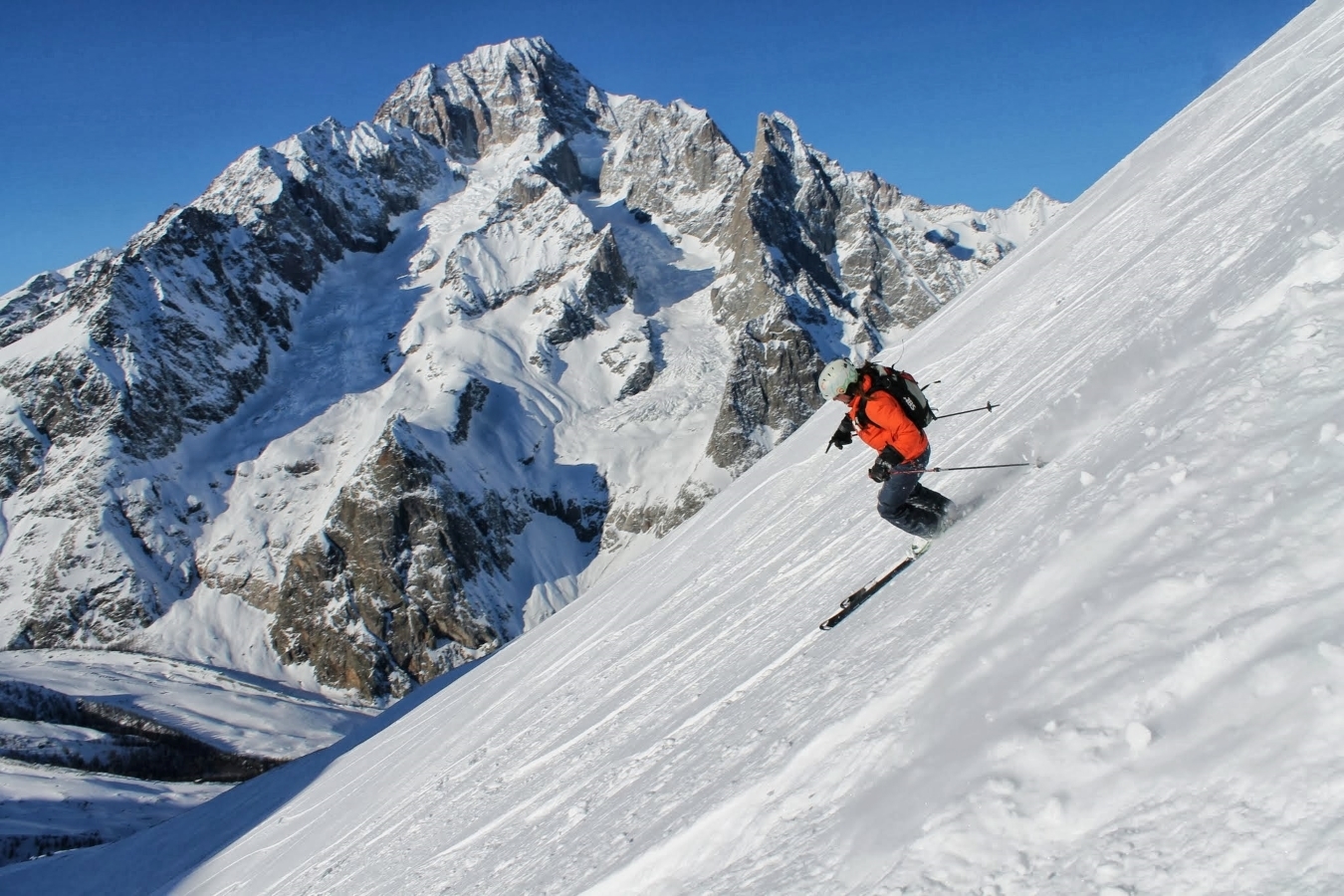

The Alps stand as one of the most iconic mountain ranges in the world, stretching across eight European countries and forming the backbone of global alpine skiing culture. For over a century, the Alps have attracted adventurers, athletes, and leisure travelers seeking not only snow-covered slopes, but also a rich combination of natural beauty, technical challenge, cultural heritage, and refined mountain hospitality.
Alpine skiing in the Alps is far more than a recreational activity. It is a complex ecosystem that integrates sporting excellence, environmental stewardship, technological innovation, and regional identity. From beginner-friendly pistes to extreme off-piste descents, from historic villages to ultra-modern ski resorts, the Alps offer a skiing experience that is both diverse and deeply rooted in tradition.
This article presents a comprehensive and professional exploration of Alpine skiing adventures, examining geography, skiing disciplines, resort infrastructure, safety, culture, sustainability, and the evolving future of skiing in the Alps.
1. The Alps: Geography and Natural Foundations
1.1 The Alpine Mountain System
The Alps span approximately 1,200 kilometers, crossing France, Switzerland, Italy, Austria, Germany, Slovenia, Liechtenstein, and Monaco. Their dramatic peaks, deep valleys, and glacial systems create ideal conditions for winter sports.
Key geographic features influencing skiing include:
- High-altitude plateaus with long snow retention
- North-facing slopes that preserve snow quality
- Extensive glacial areas allowing extended seasons
This natural diversity enables a wide range of skiing conditions within relatively short distances.
1.2 Climate and Snow Conditions
Alpine snow quality varies by altitude, exposure, and region. While climate patterns have become less predictable, higher-altitude areas continue to offer reliable snow thanks to colder temperatures and advanced snow management systems.
Understanding weather patterns, snowpack stability, and seasonal variations is essential for safe and rewarding skiing adventures.
2. The Evolution of Alpine Skiing
2.1 Origins of Skiing in the Alps
Skiing in the Alps evolved from practical transportation methods into organized sport during the late 19th and early 20th centuries. Alpine communities adapted Nordic techniques to steep terrain, giving rise to downhill skiing as a distinct discipline.
The development of ski lifts, groomed pistes, and ski schools transformed the Alps into a global winter sports destination.
2.2 Competitive and Recreational Traditions
The Alps have produced legendary athletes and hosted major competitions, including World Cup races and Olympic events. At the same time, recreational skiing flourished, creating a culture that values both athletic performance and leisure enjoyment.
3. Types of Alpine Skiing Adventures
3.1 Resort-Based Piste Skiing
Piste skiing remains the most accessible form of Alpine skiing. Well-maintained runs are categorized by difficulty, allowing skiers to progress safely while enjoying varied terrain.
Modern Alpine resorts offer:
- Extensive lift networks
- Groomed trails for all skill levels
- Integrated ski schools and training programs
This infrastructure makes the Alps suitable for both first-time skiers and seasoned enthusiasts.
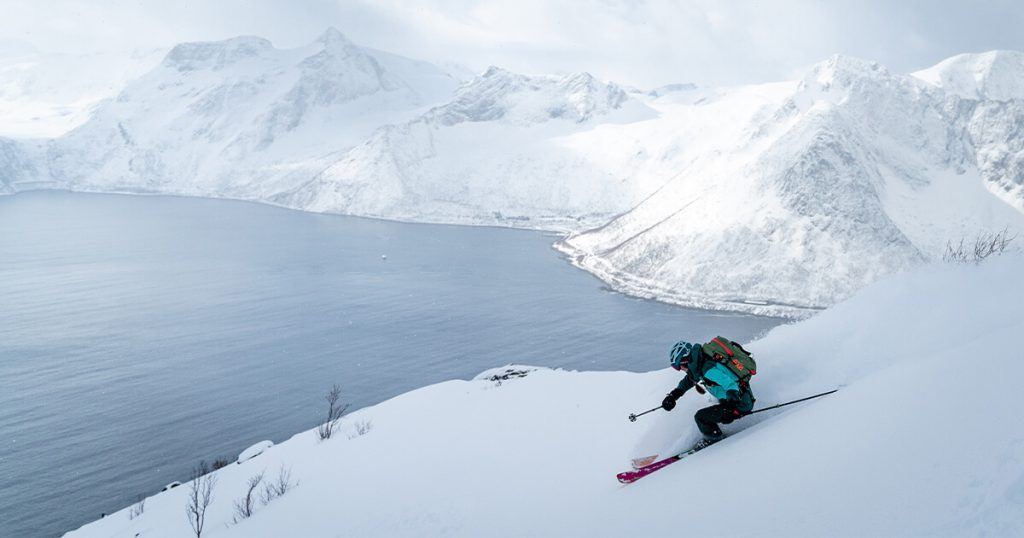
3.2 Off-Piste and Backcountry Skiing
For advanced skiers, off-piste skiing provides a sense of freedom and challenge. These ungroomed areas offer untouched snow and natural features, but also demand:
- Strong technical skills
- Avalanche awareness
- Professional guidance and safety equipment
Responsible off-piste skiing emphasizes preparation, respect for terrain, and adherence to safety protocols.
3.3 Ski Touring and Alpine Mountaineering
Ski touring combines ascent and descent, allowing skiers to explore remote areas beyond resort boundaries. This form of adventure emphasizes:
- Physical endurance
- Navigation and route planning
- Environmental awareness
Ski touring reflects a deeper engagement with the mountain environment and appeals to those seeking solitude and exploration.
4. Iconic Alpine Ski Regions
4.1 The French Alps
Known for vast interconnected ski domains, the French Alps offer:
- Large-scale resorts with high-altitude terrain
- Long, varied descents
- Strong après-ski culture
The emphasis is often on scale, variety, and accessibility.
4.2 The Swiss Alps
Swiss ski regions are synonymous with precision, scenic beauty, and tradition. They are characterized by:
- Immaculate infrastructure
- Breathtaking alpine vistas
- A balance between sport and refinement
Skiing in Switzerland often blends athletic challenge with cultural sophistication.
4.3 The Austrian Alps
Austria is celebrated for its welcoming atmosphere and strong skiing heritage. Ski adventures here emphasize:
- Technical piste skiing
- Lively village life
- Integrated cultural experiences
Austrian ski regions are particularly known for instruction quality and community-based tourism.
4.4 The Italian Alps
The Italian Alps combine skiing with culinary excellence and relaxed rhythms. Features include:
- Sunny slopes
- Scenic Dolomite landscapes
- A focus on enjoyment and lifestyle
Italian ski adventures often balance sport with aesthetic and cultural pleasure.
5. Technical Skills and Physical Preparation
5.1 Skill Progression
Successful Alpine skiing depends on mastering fundamental techniques, including:
- Balance and edge control
- Turn initiation and speed management
- Adaptation to variable snow conditions
Continuous learning and professional instruction enhance safety and enjoyment.
5.2 Physical Conditioning
Skiing places demands on strength, endurance, and coordination. Preparation should include:
- Leg and core strength training
- Cardiovascular conditioning
- Flexibility and injury prevention exercises
Well-prepared skiers are less prone to fatigue and injury.
6. Safety and Risk Management
6.1 Understanding Mountain Hazards
Alpine environments present inherent risks, including:
- Avalanches
- Weather changes
- Terrain traps
Knowledge, awareness, and respect for conditions are fundamental to safe skiing.
6.2 Equipment and Technology
Modern safety equipment enhances protection and confidence, such as:
- Helmets and protective gear
- Avalanche transceivers and airbag backpacks
- GPS and digital mapping tools
Technology supports decision-making but never replaces judgment and experience.
7. Ski Culture and Alpine Identity
7.1 Mountain Communities
Alpine skiing is deeply embedded in local culture. Mountain villages maintain traditions shaped by seasonal rhythms, hospitality, and shared respect for the environment.
7.2 Après-Ski and Social Life
Après-ski culture fosters connection and relaxation after a day on the slopes. While styles vary across regions, it remains an integral part of the Alpine skiing experience.
7.3 Culinary Traditions
Alpine cuisine reflects the needs of cold climates and physical labor. Hearty dishes, regional cheeses, and local ingredients provide both nourishment and cultural insight.
8. Environmental Sustainability in Alpine Skiing
8.1 Climate Change Challenges
Rising temperatures pose significant challenges to Alpine skiing. Reduced snowfall and shorter seasons affect ecosystems and local economies.
8.2 Sustainable Resort Practices
Many Alpine resorts are adopting sustainability measures, including:
- Renewable energy use
- Efficient snow management
- Habitat conservation initiatives
Skiing’s future depends on balancing enjoyment with environmental responsibility.
8.3 Responsible Skier Behavior
Individual actions matter. Responsible skiers can:
- Respect marked boundaries
- Reduce waste and emissions
- Support eco-conscious resorts
Sustainable skiing is a shared responsibility.
9. Technology and Innovation
9.1 Lift and Infrastructure Advances
Modern lift systems reduce wait times and energy consumption while improving comfort and safety.
9.2 Digital Tools for Skiers
Mobile applications provide real-time information on weather, snow conditions, and resort navigation, enhancing planning and safety.
10. Psychological and Experiential Dimensions
10.1 Flow and Focus
Skiing promotes deep concentration and presence, often described as a “flow state.” This mental engagement contributes to well-being and stress reduction.
10.2 Connection with Nature
Skiing in the Alps offers profound encounters with natural beauty, fostering humility, awareness, and appreciation for mountain environments.
11. Alpine Skiing for Different Audiences
11.1 Beginners and Families
The Alps provide structured learning environments with gentle slopes and professional instruction, making them ideal for newcomers.
11.2 Advanced and Expert Skiers
Challenging terrain, steep descents, and off-piste opportunities attract experienced skiers seeking progression and adventure.
12. The Future of Alpine Ski Adventures
12.1 Adaptation and Innovation
The Alpine ski industry continues to evolve through:
- Climate adaptation strategies
- Diversification into year-round tourism
- Enhanced education and safety programs
12.2 Preserving Alpine Heritage
Maintaining cultural identity and environmental integrity is central to the future of Alpine skiing. Collaboration between communities, resorts, and skiers is essential.
13. Why Alpine Ski Adventures Endure
Alpine skiing endures because it offers more than sport. It provides a holistic experience that combines physical challenge, aesthetic beauty, cultural immersion, and personal growth.
The Alps invite skiers to test their abilities, engage with tradition, and develop a deeper respect for nature.
14. Conclusion
Alpine skiing adventures represent a unique intersection of nature, culture, sport, and sustainability. From meticulously groomed slopes to remote backcountry routes, the Alps offer experiences that cater to a wide spectrum of skills and aspirations.
As skiing faces environmental and social challenges, its future will depend on responsible practices, innovation, and respect for the mountain landscapes that make these adventures possible.
Choosing to ski in the Alps is not merely a recreational decision—it is an invitation to participate in a living mountain culture shaped by centuries of adaptation, resilience, and passion for the alpine world.