






Long-distance international travel has become increasingly accessible in the modern era, thanks to advances in aviation, digital planning tools, and global connectivity. Yet, embarking on journeys that span multiple countries, time zones, and cultures is still a complex undertaking that requires careful planning, adaptability, and cultural awareness. Unlike short trips or domestic travel, long-haul international trips present unique challenges and opportunities, ranging from logistical considerations to immersive cultural experiences.
This article explores the multifaceted world of long-distance international travel, providing a comprehensive guide on planning, executing, and enriching cross-border journeys. Topics include pre-trip preparation, transportation logistics, cultural engagement, health and safety considerations, environmental impact, and personal growth opportunities.
1. Pre-Trip Planning and Preparation
Effective preparation is the cornerstone of any successful international trip. Long-distance journeys often involve multiple flights, visa requirements, vaccination considerations, and coordination across different currencies and languages.
1.1 Itinerary Planning
Developing a well-structured itinerary balances exploration with rest, ensuring travelers do not succumb to fatigue or travel stress. Key steps include:
- Destination Research: Understanding the political stability, cultural norms, language, and local customs of each destination is critical. This knowledge helps prevent misunderstandings and enhances travel experiences.
- Time Allocation: Long-haul trips require realistic time frames for travel, adjustment, and sightseeing. Avoid overscheduling by factoring in recovery time from long flights and potential delays.
- Seasonal Considerations: Climate, festivals, and peak tourist seasons influence travel comfort and availability of accommodations. For instance, visiting Southeast Asia during the monsoon season may require alternative planning.
1.2 Documentation and Legal Requirements
Cross-border travel demands careful attention to official documents:
- Passports and Visas: Check expiration dates and visa requirements well in advance. Some countries mandate a minimum validity of six months beyond the intended departure date.
- Travel Insurance: Comprehensive coverage is essential for medical emergencies, trip cancellations, and unexpected disruptions.
- Health Documentation: Vaccination records, especially for diseases like yellow fever, may be mandatory for entry to specific countries.
1.3 Financial Planning
Long-distance international travel involves multiple currencies and budgeting considerations:
- Currency Exchange: Research the most favorable methods for exchanging money, including local ATMs versus pre-purchased currency.
- Expense Forecasting: Account for accommodations, transportation, food, cultural experiences, and emergency contingencies.
- Digital Payment Tools: Mobile banking apps and international payment platforms simplify transactions across borders.
2. Transportation and Logistics
Transportation is a defining factor in long-distance international travel. Understanding available modes, route planning, and comfort considerations is essential for minimizing stress and maximizing efficiency.
2.1 Air Travel
For most long-distance international trips, air travel is unavoidable. Key considerations include:
- Flight Connections: Direct flights reduce travel time and fatigue but may be more expensive. Multi-leg itineraries can offer cost savings and the chance to experience stopover cities.
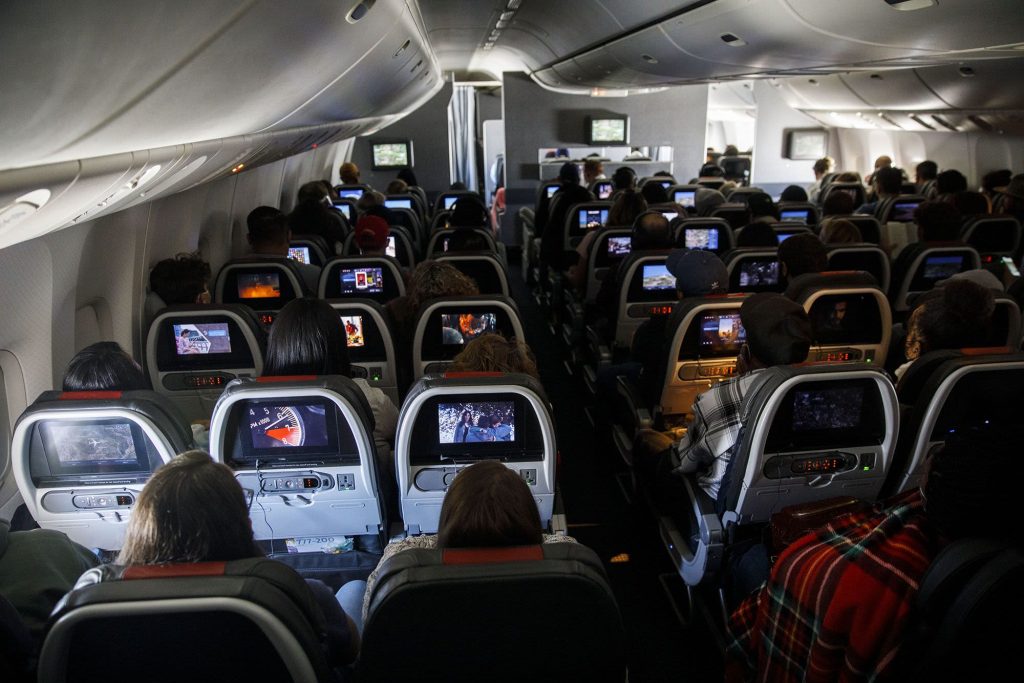
- Seat Selection and Comfort: Long-haul flights demand attention to seating arrangements, in-flight amenities, and strategies to reduce jet lag, such as adjusting sleep schedules before departure.
- Baggage Management: Understanding airline baggage policies prevents unexpected fees and ensures essential items are accessible.
2.2 Land and Water Travel
After arriving at an international airport, travelers may need to navigate local transport networks:
- Trains and Buses: Many countries offer efficient rail systems that connect major cities, providing scenic routes and cultural immersion.
- Car Rentals and Ride-Sharing: In regions where public transportation is limited, car rentals or local ride-sharing services offer flexibility.
- Ferries and Boats: Coastal or island destinations may require water transport, providing both practicality and leisure experiences.
3. Cultural Engagement and Immersion
Long-distance international travel offers unparalleled opportunities for cultural discovery. Travelers can experience art, cuisine, language, and social customs in ways that deepen understanding and appreciation.
3.1 Language and Communication
Learning basic phrases in the local language enhances interactions and shows respect for host communities. Even minimal effort, such as greetings or simple thank-you phrases, can improve the travel experience and foster positive connections.
3.2 Cuisine and Gastronomy
Sampling local food is both a cultural and sensory exploration. From street food vendors to Michelin-starred restaurants, culinary experiences reflect regional history, climate, and social traditions. Travelers are encouraged to try authentic dishes while adhering to personal health and dietary considerations.
3.3 Participation in Local Traditions
Festivals, ceremonies, and markets provide immersive cultural encounters. Engaging respectfully with local traditions, whether attending a music festival in Europe or a religious ceremony in Asia, enriches the travel experience.
4. Health, Safety, and Well-Being
Maintaining physical and mental well-being is crucial during long-distance international travel, given extended flights, changing climates, and exposure to unfamiliar environments.
4.1 Physical Health
- Vaccinations and Medications: Consult healthcare professionals about recommended vaccines, preventive medications, and travel-specific health risks.
- Hydration and Nutrition: Long flights and time zone changes can disrupt routine nutrition; maintaining hydration and balanced meals helps combat fatigue.
- Exercise and Mobility: Regular movement during travel prevents discomfort, deep vein thrombosis (DVT), and supports general well-being.
4.2 Personal Safety
- Local Laws and Regulations: Research legal norms, especially regarding public behavior, photography restrictions, and prohibited items.
- Situational Awareness: Stay informed about current safety conditions, including political events, natural disasters, or health advisories.
- Emergency Preparedness: Maintain a list of local embassies, hospitals, and emergency contacts. Travel insurance often covers emergency evacuation and medical assistance.
5. Environmental and Ethical Considerations
Long-distance travel has environmental implications, particularly related to carbon emissions from air travel. Conscious travelers can mitigate their impact through:
- Offset Programs: Participate in carbon offset initiatives offered by airlines or independent organizations.
- Sustainable Accommodations: Choose hotels and lodgings that adhere to eco-friendly practices, including energy conservation and waste reduction.
- Responsible Tourism: Respect local environments, wildlife, and cultural sites by adhering to guidelines and minimizing footprint.
6. Psychological and Experiential Benefits
Beyond logistical and cultural aspects, long-distance international travel provides profound personal growth opportunities:
- Adaptability and Problem-Solving: Navigating foreign transport systems, language barriers, and unexpected delays enhances resilience and flexibility.
- Cultural Empathy: Immersion in different societies fosters understanding, tolerance, and broader worldviews.
- Mindfulness and Reflection: Experiencing diverse landscapes, cities, and cultural practices encourages introspection, creativity, and appreciation of life’s variety.
7. Modern Tools and Technology for Travelers
Digital technology has transformed long-distance international travel, making it more efficient, connected, and interactive.
- Travel Apps: Platforms for booking flights, accommodations, and tours simplify planning. Apps for currency conversion, translation, and transportation tracking enhance convenience.
- Social Media and Communities: Travel communities provide advice, recommendations, and real-time updates on conditions, enabling better-informed choices.
- Wearable Devices: Fitness trackers, GPS devices, and mobile health monitors support personal well-being during extended travel.
8. Case Studies: Successful Long-Distance Itineraries
8.1 Europe-Asia Multi-Country Tour
Travelers can experience a blend of historical architecture, modern cities, and natural landscapes by flying into multiple countries with efficient rail systems connecting major cities. Strategic planning ensures minimal jet lag and maximizes cultural immersion.
8.2 Transatlantic Adventure
A combination of North and South American destinations allows for diverse experiences, from metropolitan exploration in New York City to natural wonders in Patagonia. Alternating urban and outdoor activities balances stimulation with relaxation.
8.3 Oceania and Southeast Asia Circuit
Connecting Australia, New Zealand, and Southeast Asian nations highlights biodiversity, indigenous cultures, and regional cuisines. Travelers benefit from staggered itineraries to adapt to climate and time zone differences.
9. Recommendations for Maximizing Experience
- Prioritize Flexibility: While planning is essential, allow room for spontaneity and unplanned exploration.
- Maintain Journals or Digital Logs: Recording experiences enhances memory retention and provides valuable reflections.
- Engage Locally: Participate in community-based tourism, volunteer opportunities, and guided cultural workshops.
- Balance Comfort and Adventure: Mix familiar comforts with novel experiences to ensure a sustainable and enjoyable journey.
- Reflect on Impact: Consider environmental and cultural consequences of travel choices, aiming for ethical and sustainable engagement.
Conclusion
Long-distance international travel is more than a journey from one location to another; it is a transformative experience encompassing planning, cultural immersion, personal growth, and environmental responsibility. From meticulous pre-trip preparation to the rich diversity of experiences at the destination, travelers navigate a complex interplay of logistics, cultural awareness, and self-discovery.
By approaching international travel with intentionality, curiosity, and respect for local cultures, travelers not only broaden their horizons but also contribute positively to the communities they visit. Long-distance travel challenges, rewards, and reshapes perspectives, offering memories, skills, and insights that last a lifetime.
For modern explorers seeking to navigate the world effectively, a combination of preparation, adaptability, and cultural engagement ensures that long-distance international travel remains both enjoyable and meaningful.