




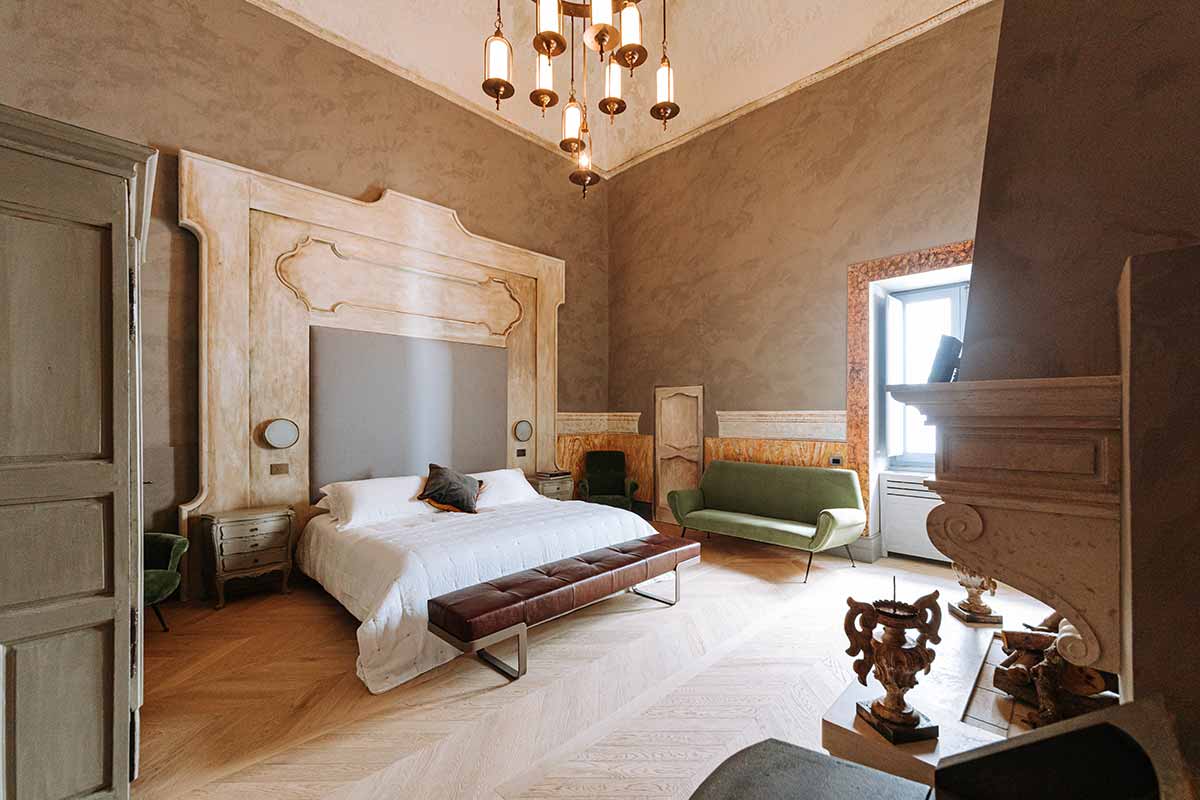

For decades, the global hospitality industry was dominated by standardized hotel chains offering predictable layouts, uniform service models, and consistent brand identities. While these properties provided reliability and scale, they often lacked character, cultural depth, and emotional resonance. In recent years, however, a significant shift has taken place. Boutique hotels and non-traditional accommodations—once considered niche or alternative—are rapidly becoming mainstream choices for travelers worldwide.
This transformation reflects broader changes in consumer behavior, travel philosophy, and lifestyle values. Modern travelers increasingly prioritize authenticity, individuality, experiential richness, and emotional connection over uniform luxury or brand familiarity. As a result, small-scale, design-driven, and unconventional accommodations are redefining what hospitality means in the 21st century.
This article provides a comprehensive, professional analysis of why boutique hotels and non-traditional accommodations are gaining mainstream acceptance, how they differ from traditional hospitality models, and what this evolution means for travelers, developers, destinations, and the future of global tourism.
1. The Evolution of Hospitality Preferences
1.1 From Standardization to Personalization
Traditional hotel chains rose to prominence by offering consistency. Guests knew exactly what to expect, regardless of location. However, as global travel became more accessible and frequent, this predictability began to lose its appeal.
Today’s travelers seek:
- Personal relevance rather than uniform standards
- Emotional engagement rather than transactional service
- Story-driven experiences rather than generic comfort
Boutique hotels and alternative accommodations respond directly to these desires by offering distinct identities, tailored services, and immersive environments.
1.2 Experience as the New Luxury
Luxury is no longer defined solely by size, price, or amenities. Instead, it is increasingly associated with:
- Meaningful experiences
- Privacy and exclusivity
- Cultural authenticity
- Design and atmosphere
In this context, a thoughtfully designed 12-room heritage hotel or a remote eco-lodge can feel more luxurious than a large five-star resort.
2. Defining Boutique Hotels and Non-Traditional Accommodations
2.1 What Is a Boutique Hotel?
Boutique hotels are typically characterized by:
- Small to medium size
- Strong design identity
- Personalized service
- A clear narrative or concept
They often reflect local culture, history, or artistic expression, positioning themselves as extensions of their destination rather than isolated commercial entities.
2.2 Understanding Non-Traditional Accommodations
Non-traditional accommodations encompass a wide range of lodging types, including:
- Converted heritage buildings
- Eco-lodges and nature retreats
- Capsule hotels and micro-stays
- Floating hotels, treehouses, and cave dwellings
- Hybrid spaces combining lodging with co-working or cultural venues
What unites them is a departure from conventional hotel norms in favor of innovation, context sensitivity, and experiential value.
3. Cultural and Psychological Drivers Behind the Shift
3.1 The Desire for Authenticity
Modern travelers are increasingly skeptical of mass-produced experiences. Authenticity—whether real or perceived—has become a core value. Boutique hotels often emphasize:
- Local craftsmanship
- Regional materials and architecture
- Community integration
These elements create a sense of place that standardized hotels struggle to replicate.
3.2 Identity Expression Through Travel
Travel has become a form of self-expression. Accommodation choices signal personal values, tastes, and worldviews. Staying in a distinctive, unconventional property allows travelers to:
- Differentiate themselves
- Share unique stories
- Align experiences with personal identity
This psychological dimension strongly supports the rise of boutique and alternative lodging.
4. Design as a Central Value Proposition
4.1 Architecture and Interior Storytelling
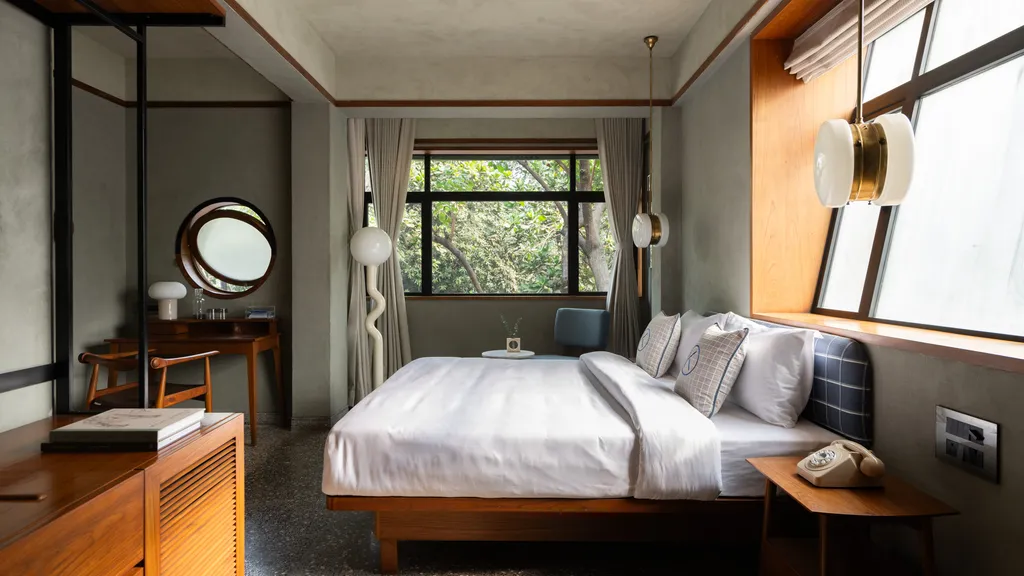
Design plays a central role in boutique and non-traditional accommodations. Architecture and interiors are often used to:
- Reflect local history
- Evoke emotional responses
- Create memorable visual identities
Design is not merely aesthetic; it becomes a narrative tool that connects guests to place and purpose.
4.2 Human-Scaled Spaces
Smaller properties allow for:
- Intimate spatial design
- Attention to detail
- Greater flexibility in layout
These qualities enhance comfort and emotional engagement, especially for travelers seeking calm, privacy, or creative inspiration.
5. The Role of Sustainability and Ethics
5.1 Environmental Responsibility
Many boutique and alternative accommodations integrate sustainability into their core operations, including:
- Adaptive reuse of existing structures
- Renewable energy systems
- Water conservation and waste reduction
Smaller scale often allows for more agile and authentic environmental practices.
5.2 Social and Community Impact
Non-traditional accommodations are frequently embedded in local communities. They may:
- Employ local residents
- Support artisans and suppliers
- Collaborate with cultural initiatives
This model aligns with growing traveler interest in responsible and regenerative tourism.
6. Technology as an Enabler, Not a Focus
6.1 Seamless, Invisible Technology
Rather than showcasing technology, boutique hotels tend to use it discreetly to enhance comfort and efficiency. Examples include:
- Mobile check-in
- Smart climate control
- Digital concierge services
Technology supports the experience without overshadowing human interaction.
6.2 Digital Platforms and Discoverability
Online platforms and social media have played a crucial role in mainstreaming boutique and alternative accommodations. Visual storytelling and peer reviews allow small properties to reach global audiences without traditional marketing budgets.
7. The Influence of the Creative and Remote Workforce
7.1 Changing Work Patterns
The rise of remote and flexible work has blurred the line between travel, work, and lifestyle. Boutique hotels and alternative accommodations often appeal to remote professionals by offering:
- Inspiring environments
- Quiet, design-conscious spaces
- Community-oriented atmospheres
These properties serve as temporary homes rather than transient stops.
7.2 Long-Stay and Hybrid Models
Many non-traditional accommodations are adapting to longer stays, integrating co-working areas, communal kitchens, and cultural programming. This hybridization further accelerates their move into the mainstream.
8. Economic and Industry Implications
8.1 Shifting Investment Patterns
Investors and developers increasingly recognize the value of:
- Adaptive reuse projects
- Smaller, high-margin properties
- Experience-driven branding
Boutique and alternative accommodations often offer stronger differentiation in competitive markets.
8.2 Response from Traditional Hotel Brands
Major hotel groups have responded by:
- Launching boutique-style sub-brands
- Acquiring independent properties
- Incorporating localized design and experiences
This response signals that boutique concepts are no longer fringe—they are influencing industry standards.
9. Challenges Facing Boutique and Non-Traditional Accommodations
9.1 Maintaining Authenticity at Scale
As popularity grows, there is a risk of:
- Over-commercialization
- Superficial theming
- Loss of local relevance
Preserving authenticity requires disciplined design, community engagement, and clear values.
9.2 Regulatory and Operational Constraints
Non-traditional accommodations may face:
- Zoning restrictions
- Licensing challenges
- Infrastructure limitations
Navigating these issues requires collaboration with local authorities and thoughtful planning.
10. The Guest Experience: Depth Over Breadth
10.1 Personalized Service
Smaller properties enable deeper guest-host interactions. Staff often act as:
- Cultural interpreters
- Local guides
- Experience curators
This human connection significantly enhances guest satisfaction and loyalty.
10.2 Emotional Memory and Story Creation
Travelers are more likely to remember places that evoke emotion. Boutique hotels and alternative stays excel at creating memorable narratives, which extend beyond the physical stay into long-term brand affinity.
11. Globalization Without Homogenization
Boutique and non-traditional accommodations demonstrate that globalization does not have to result in sameness. Instead, they show how local identity can thrive within global travel networks.
This balance between global accessibility and local specificity is a defining feature of contemporary hospitality.
12. The Future of Boutique and Alternative Hospitality
12.1 Experience-Centered Growth
Future growth will prioritize:
- Curated experiences
- Cultural programming
- Emotional engagement
Accommodation will increasingly function as a platform for storytelling and learning.
12.2 Regenerative and Purpose-Driven Models
Beyond sustainability, future properties will aim to leave destinations better than they found them, contributing positively to ecosystems and communities.
12.3 Continued Mainstream Integration
As traveler expectations evolve, the distinction between “boutique” and “mainstream” will continue to blur. What was once niche is becoming a new hospitality norm.
13. Why This Shift Matters
The rise of boutique hotels and non-traditional accommodations reflects deeper societal changes:
- A move toward individuality and meaning
- Greater environmental and social awareness
- A desire for connection in an increasingly digital world
Hospitality is no longer just about providing a bed—it is about shaping experiences, identities, and relationships.
14. Conclusion
Boutique hotels and non-traditional accommodations are no longer alternatives at the margins of the hospitality industry. They have become central players in shaping how people travel, work, and experience the world. By emphasizing authenticity, design, sustainability, and human connection, these properties respond to contemporary travelers’ deepest values and aspirations.
As they continue to influence mainstream hospitality, boutique and alternative accommodations challenge the industry to rethink scale, success, and purpose. In doing so, they point toward a future where travel is not merely consumed, but experienced with intention, depth, and respect for place.