




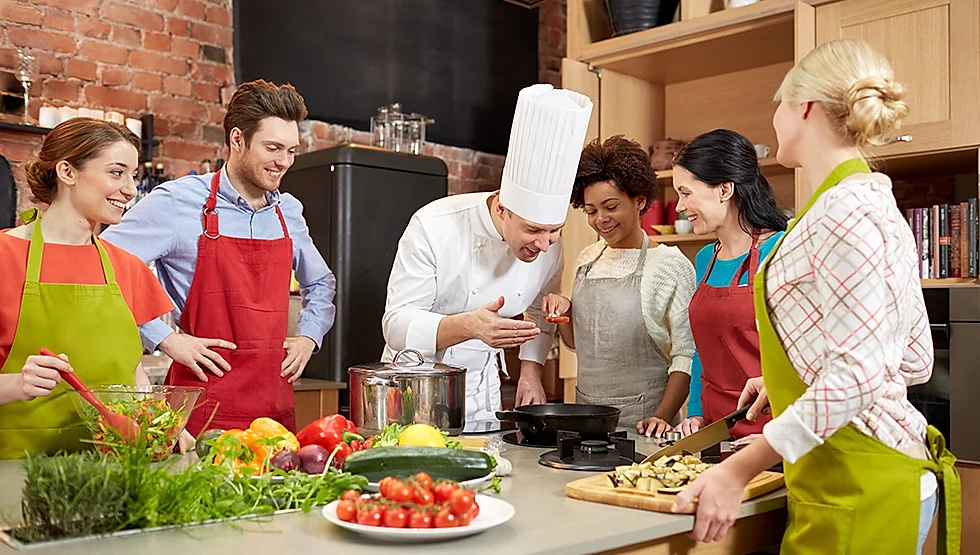

In recent years, private cooking classes have emerged as one of the most immersive ways to explore culinary arts, cultural gastronomy, and personalized learning. Unlike group classes or standard culinary tours, private sessions provide tailored instruction, hands-on experience, and intimate interaction with professional chefs, making them ideal for food enthusiasts, travelers, and aspiring home cooks alike.
This article explores the world of private cooking classes, covering their types, benefits, historical and cultural significance, instructional approaches, regional specializations, planning considerations, and tips for maximizing the learning experience.
1. The Rise of Private Cooking Classes
1.1 Historical Perspective
- Culinary education has evolved from traditional apprenticeships in guilds and restaurants to modern, accessible classes for enthusiasts.
- The growth of culinary tourism and the global interest in gastronomy has fueled demand for personalized instruction.
1.2 Contemporary Popularity
- Private cooking classes cater to tourists, corporate groups, couples, and individuals seeking skill enhancement.
- Unlike group lessons, private sessions offer flexibility in menu selection, pacing, and instructional focus.
1.3 Cultural and Experiential Value
- Classes often incorporate local ingredients, cooking techniques, and cultural stories, providing more than just technical instruction.
- They serve as an entry point to cultural exploration, as cooking is deeply tied to history, tradition, and social customs.
2. Types of Private Cooking Classes
2.1 Hands-On Technique-Focused Classes
- Emphasize fundamental skills such as knife handling, sauce preparation, dough making, and plating.
- Ideal for home cooks who want to build confidence and mastery.
2.2 Cultural and Regional Cuisine Classes
- Focus on local specialties, e.g., Italian pasta, Thai curries, Moroccan tagines, or French pastries.
- Include ingredient sourcing, historical context, and cultural etiquette in preparation and presentation.
2.3 Gourmet and Advanced Classes
- Targeted at intermediate to advanced learners seeking high-level culinary techniques.
- Often involve molecular gastronomy, plating artistry, and wine pairing.
2.4 Private Chef Experiences at Home
- Chefs visit homes to teach, prepare meals, and provide personalized guidance.
- Offers an intimate setting for family celebrations, corporate events, or romantic experiences.
3. Benefits of Private Cooking Classes
3.1 Personalized Learning
- Instruction is tailored to individual skill level, dietary preferences, and learning goals.
- Students receive direct feedback and hands-on guidance, accelerating skill acquisition.
3.2 Cultural Immersion
- Classes often include visits to local markets, ingredient selection, and storytelling about culinary traditions.
- Offers authentic understanding of local food culture beyond typical tourist experiences.
3.3 Creative Exploration
- Students are encouraged to experiment with flavors, techniques, and presentation, fostering culinary creativity.
- Chefs often share secret tips, traditional methods, and family recipes unavailable in cookbooks.
3.4 Social and Emotional Engagement
- Shared cooking experiences strengthen relationships and team-building.
- Provides memorable, interactive experiences that go beyond dining out.
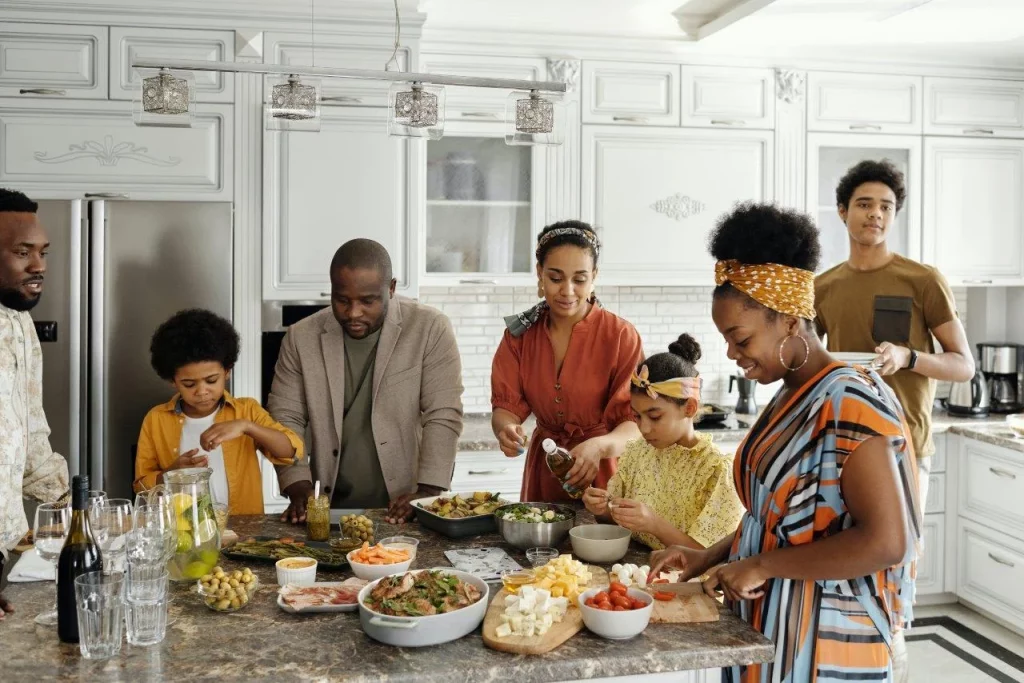
4. Structure and Instruction Methods
4.1 Pre-Class Preparation
- Students may receive recipes, ingredient lists, and kitchen instructions in advance.
- Chefs often assess dietary restrictions, experience level, and goals to customize the session.
4.2 Demonstration and Hands-On Practice
- Classes typically begin with chef demonstrations, explaining techniques, cooking methods, and tips.
- Participants then prepare dishes under supervision, receiving real-time guidance.
4.3 Plating and Presentation
- Focus on visual appeal, portioning, and plating artistry.
- Students learn to balance textures, colors, and aromas for professional-quality presentation.
4.4 Tasting and Evaluation
- Each dish is tasted and critiqued, emphasizing refinement and learning points.
- Discussions include flavor pairing, ingredient substitution, and cultural context.
5. Regional Specializations and Signature Dishes
5.1 Italian Private Cooking Classes
- Specialize in handmade pasta, risotto, pizza, and traditional sauces.
- Emphasize regional variations, such as Tuscan herbs, Sicilian seafood, or Neapolitan pizza techniques.
5.2 French Culinary Workshops
- Focus on pastries, sauces, and classical techniques like sous-vide and confit.
- Highlight Michelin-level precision, flavor layering, and artistic plating.
5.3 Asian Cooking Classes
- Thai: Curries, noodles, and street food with an emphasis on balance of flavors: sweet, sour, salty, and spicy.
- Japanese: Sushi, ramen, and tempura techniques with cultural significance in preparation.
- Indian: Spice blending, tandoori techniques, and vegetarian cuisine mastery.
5.4 Latin American Experiences
- Mexican: Mole, tamales, and traditional salsas.
- Brazilian: Feijoada, pão de queijo, and regional seafood dishes.
6. Planning and Logistics
6.1 Choosing a Chef or Culinary School
- Select based on expertise, reputation, and teaching style.
- Consider certifications, experience with private instruction, and multilingual ability.
6.2 Scheduling and Duration
- Classes vary from 2-hour workshops to full-day experiences or multi-day culinary retreats.
- Flexibility ensures the session aligns with travel schedules or personal availability.
6.3 Ingredient Sourcing
- Classes may use locally sourced, seasonal ingredients, often emphasizing organic and sustainable produce.
- Market tours provide insight into selection, freshness, and local culinary culture.
6.4 Equipment and Setup
- Most chefs provide necessary kitchen equipment.
- Home classes may require basic items such as pots, pans, knives, and cutting boards.
7. Educational Outcomes
7.1 Skill Development
- Knife techniques, cooking methods, and flavor balancing.
- Confidence in preparing complex dishes independently.
7.2 Knowledge of Culinary Science
- Understanding heat control, ingredient interactions, and preservation techniques.
- Insights into regional cooking principles and traditional culinary methods.
7.3 Recipe Adaptation and Creativity
- Ability to modify recipes for dietary restrictions or ingredient availability.
- Encouragement of personal creativity in presentation and flavor combinations.
8. Culinary Tourism and Cultural Exploration
8.1 Integration with Travel Experiences
- Private cooking classes are often combined with cultural tours, market visits, and farm experiences.
- Offers travelers a deep, hands-on understanding of a region’s food culture.
8.2 Social and Community Benefits
- Revenue supports local chefs, small-scale farmers, and culinary artisans.
- Encourages preservation of traditional recipes and sustainable practices.
8.3 Experiential Learning
- Students engage all senses: taste, smell, sight, touch, and hearing.
- Culinary experience becomes an immersive cultural journey, not just a lesson.
9. Safety, Health, and Hygiene
9.1 Hygiene Standards
- Chefs adhere to strict hygiene protocols, including hand washing, sanitized equipment, and fresh ingredients.
- Students are instructed on proper food handling and kitchen safety.
9.2 Dietary Restrictions
- Private classes accommodate allergies, vegetarian, vegan, gluten-free, and religious dietary needs.
- Recipes and techniques are adapted to ensure safety and satisfaction.
9.3 Health Precautions
- Emphasis on safe cooking temperatures, cross-contamination prevention, and ingredient quality.
- Particularly important for international participants unfamiliar with local ingredients.
10. Cost and Value Considerations
10.1 Pricing Factors
- Chef experience, class duration, complexity of dishes, and ingredient quality influence cost.
- Private classes are higher-priced than group classes but offer personalized attention and exclusive experiences.
10.2 Value Beyond Cost
- Learning practical culinary skills and receiving professional guidance.
- Exposure to regional culture, ingredient knowledge, and hands-on experience.
- Enhanced confidence and creativity in home cooking.
11. Case Studies and Success Stories
11.1 Culinary Retreats in Italy
- Visitors learn regional pasta-making, wine pairing, and traditional dessert preparation.
- Market tours and cooking demonstrations reinforce cultural knowledge.
11.2 Thai Cooking Workshops in Chiang Mai
- Emphasis on street food culture, spice blending, and vegetarian options.
- Participants take recipes and techniques home for long-term practice.
11.3 French Pastry Classes in Paris
- Focus on croissants, macarons, and dessert artistry.
- Instruction from professional chefs offers Michelin-level insights.
11.4 Home-Based Culinary Experiences
- Chefs guide travelers in their private kitchens for family events, team-building sessions, or romantic dinners.
- Students gain practical, personalized skills directly applicable in daily life.
12. Tips for Maximizing the Private Cooking Class Experience
- Communicate Goals Clearly: Specify skill level, preferred cuisine, and learning objectives.
- Engage Actively: Ask questions, take notes, and observe techniques closely.
- Embrace Cultural Context: Learn the history and traditions behind each dish.
- Document the Experience: Photos, recipe notes, and video recordings enhance retention.
- Practice at Home: Reinforce learned techniques through repetition and experimentation.
- Pair with Market Visits or Cultural Tours: Gain a holistic understanding of ingredients and traditions.
13. Conclusion
Private cooking classes offer more than just culinary instruction—they provide a gateway to culture, creativity, and personal growth. By combining hands-on experience, professional guidance, and cultural immersion, participants develop practical skills, gastronomic knowledge, and a deeper appreciation of culinary heritage.
Whether exploring Italian pasta, Thai curries, French pastries, or Brazilian feijoada, private classes transform cooking from a routine task into an artful, educational, and memorable experience. These classes not only empower travelers and home cooks with new abilities but also preserve culinary traditions, support local communities, and foster cultural exchange.
For anyone seeking an intimate, immersive, and expertly guided culinary journey, private cooking classes represent the perfect fusion of education, culture, and gastronomic delight.