





Introduction: The Ritual of Tea in Japan
Japan’s tea ceremony, or chanoyu (茶の湯), is one of the most iconic cultural traditions in the world. It is more than just the act of drinking tea; it is a meditative practice that embodies the profound principles of harmony, respect, purity, and tranquility. Rooted in Zen Buddhism, the Japanese tea ceremony reflects centuries of refined artistry, discipline, and philosophical depth. It invites participants into a sacred space where time seems to slow down, allowing them to experience the simple yet profound beauty of everyday life.
In recent years, the tea ceremony has attracted growing interest from travelers seeking authentic cultural experiences. For those who wish to connect with Japan’s spiritual heritage and artistic traditions, participating in a tea ceremony offers an unforgettable opportunity. In this article, we will explore the history, philosophy, elements, and contemporary relevance of the Japanese tea ceremony, while also offering insights into how travelers can experience this revered practice firsthand.
The History of the Japanese Tea Ceremony
The origins of the Japanese tea ceremony can be traced back to the 9th century when Buddhist monks brought tea seeds from China to Japan. These seeds were cultivated in the mountains of Kyoto and gradually became an essential part of Japanese religious practices. Tea drinking evolved over the centuries, initially used for medicinal and spiritual purposes, particularly among monks who believed it helped them maintain focus during long meditation sessions.
By the 15th century, tea drinking had begun to transcend religious circles and entered the social sphere. Sen no Rikyū (1522–1591), a prominent tea master during Japan’s Azuchi-Momoyama period, is often credited with formalizing the tea ceremony into the structured and philosophical practice we recognize today. Rikyū’s emphasis on simplicity, humility, and the appreciation of imperfection led to the creation of the wabi-sabi aesthetic, which became central to the tea ceremony. His teachings helped shape the ceremony into a highly ritualized event that focused on spiritual tranquility and mindfulness.
Over the centuries, the tea ceremony has continued to evolve, incorporating various schools of thought and styles. Today, it is practiced in homes, temples, and tea rooms across Japan, and its influence has spread worldwide. However, despite its evolution, the ceremony has remained deeply connected to the principles that Rikyū espoused: quiet elegance, mindful attention to detail, and a celebration of the present moment.
The Philosophy Behind the Tea Ceremony
The Japanese tea ceremony is not just a set of rituals and gestures—it is a philosophy in action. The core values of the tea ceremony align with the Zen Buddhist principles of zazen (sitting meditation), mindfulness, and impermanence. The experience invites participants to fully immerse themselves in the present, to appreciate the fleeting nature of life, and to cultivate a sense of inner peace.
1. Wabi-sabi: Beauty in Simplicity and Imperfection
The concept of wabi-sabi is foundational to the tea ceremony. Wabi-sabi refers to the appreciation of the beauty found in imperfection, transience, and simplicity. In the tea ceremony, this aesthetic is reflected in the rustic, handmade utensils, the asymmetrical design of the tea room, and the fleeting nature of the ceremony itself. The tea bowl, in particular, is often chosen for its imperfections—a cracked glaze or uneven surface is seen as adding character and history to the object. This encourages participants to let go of their desire for perfection and instead embrace the beauty of the moment as it is.
2. Chaji and Chakai: The Two Types of Tea Ceremonies
There are two main types of Japanese tea ceremonies: chaji and chakai. The chaji is the longer, more formal ceremony, often taking several hours. It includes multiple servings of tea and various sweets, and the ritual is conducted with a high level of precision and attention to detail. Chakai, on the other hand, is a shorter, more informal version of the ceremony, typically lasting about an hour. It is often performed during special events or gatherings and involves the preparation of a single serving of tea. Both ceremonies reflect the values of mindfulness and respect, but chaji is seen as a more immersive experience, requiring greater skill from the tea master and deeper concentration from the participants.
3. The Four Principles of the Tea Ceremony
The tea ceremony is built around four key principles, known as the “four pillars”:
- Wa (和): Harmony – the first and most important principle. It refers to the harmony between the host and guests, the environment, and the tools used in the ceremony. It reflects the peaceful unity of the moment.
- Kei (敬): Respect – the respect that is shown to others, whether it’s the host’s respect for the guests or the guests’ respect for the host and the tea-making process. Every action in the ceremony is done with care and attention, honoring the people and the process.
- Sei (清): Purity – purity of mind, body, and surroundings. This principle encourages the removal of distractions, allowing participants to focus on the ceremony and the present moment.
- Jaku (寂): Tranquility – the ultimate goal of the tea ceremony. The atmosphere is calm and serene, allowing participants to experience peace and mindfulness.
The Elements of the Japanese Tea Ceremony
The tea ceremony is composed of several carefully executed elements, each contributing to the overall experience of harmony, respect, purity, and tranquility. These elements include the setting, the utensils, the preparation of tea, and the interaction between host and guest.
1. The Setting: The Tea Room
The tea ceremony typically takes place in a dedicated space called a chashitsu (茶室), or tea room. The tea room is designed to evoke a sense of peace and simplicity. Its walls are often made of bamboo or wooden panels, and the floors are covered in tatami mats. A tokonoma (alcove) displays a simple flower arrangement or a calligraphic scroll, emphasizing the importance of nature and beauty in simplicity.
The design of the tea room is deliberately modest, with no elaborate decorations. The space encourages a sense of humility and contemplation, focusing attention on the present moment and the ceremony itself.
2. Utensils: The Tools of the Ceremony
The tools used in the tea ceremony are both functional and symbolic. They include:
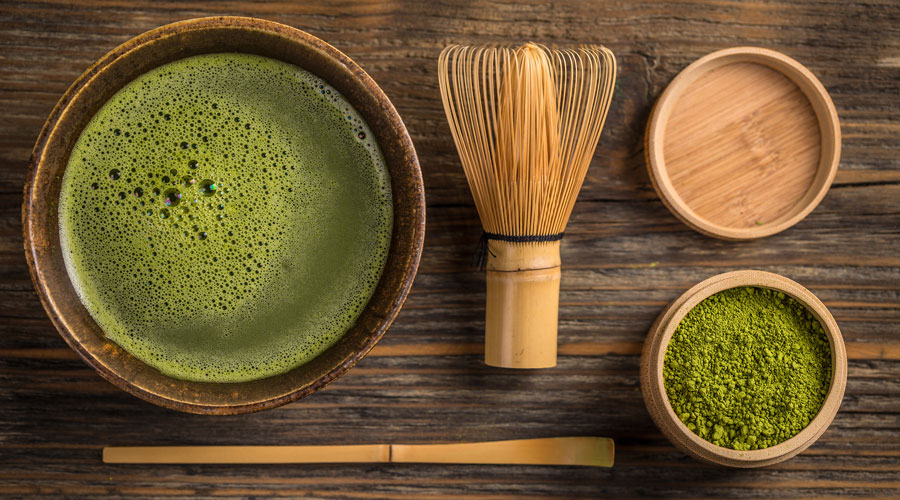
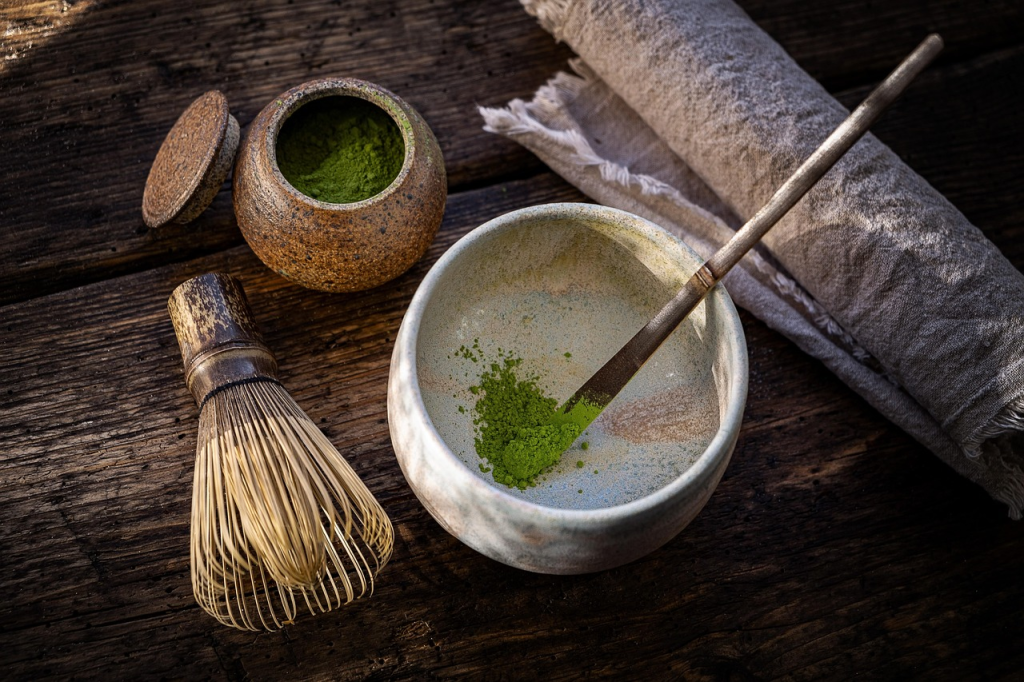
- Chawan (茶碗): The tea bowl, typically made from ceramic or porcelain, in which the matcha (powdered green tea) is prepared and served. Each bowl is unique, often chosen for its beauty and imperfections.
- Chasen (茶筅): The bamboo whisk used to froth the matcha tea, creating the signature creamy texture.
- Chashaku (茶杓): The bamboo scoop used to measure the powdered tea.
- Natsume (棗): A small container used to hold the powdered tea, typically used in a formal tea ceremony.
- Fukusa (袱紗): A small silk cloth used by the host to purify the utensils before each use.
The careful cleaning and handling of these tools are essential to the ritual, symbolizing the host’s respect for the tradition and the guests.
3. Matcha: The Heart of the Ceremony
The tea used in the ceremony is matcha, a finely powdered green tea. Matcha is ground from specially cultivated leaves, which are shaded from the sun to increase chlorophyll content. The preparation of matcha is central to the tea ceremony and is done with great attention to detail. The powdered tea is measured, placed into a bowl, and then mixed with hot water using the bamboo whisk. The result is a frothy, vibrant green liquid that is meant to be consumed in a few sips, savoring each moment.
The act of preparing the tea is an expression of the host’s mindfulness and respect for the guests. The movements of the host are deliberate and graceful, ensuring that every step of the process is performed with care and precision.
The Tea Ceremony Experience: What to Expect
For those fortunate enough to participate in a Japanese tea ceremony, the experience is likely to be one of calm reflection, deep connection, and mindfulness. The ceremony often begins with the guest entering the tea room and being welcomed by the host. The room is typically quiet, with minimal conversation, allowing guests to focus on the ritual and the atmosphere.
As the tea is prepared, the guest is invited to observe the host’s movements, noting the slow, deliberate process. Once the tea is served, the guest bows in gratitude before carefully holding the tea bowl, rotating it to avoid drinking from its front, and sipping the tea. The ritual emphasizes appreciation for the present moment and the shared experience between the host and guests.
After the ceremony, guests may engage in a brief discussion, often about the experience or the utensils used, before taking their leave with another bow.
Contemporary Relevance and Global Appeal
While rooted in centuries-old traditions, the Japanese tea ceremony remains relevant today. It offers a meaningful counterbalance to the fast-paced, technology-driven world in which we live. The ceremony encourages mindfulness, self-reflection, and appreciation for simplicity—values that resonate with modern society’s increasing desire for a slower, more intentional way of life.
For international visitors, the tea ceremony is a way to deeply connect with Japan’s culture and spiritual traditions. Many tea houses and cultural centers across Japan offer tourists the opportunity to experience this ancient ritual. Beyond Japan, the global popularity of matcha has brought increased interest in the tea ceremony, with workshops and ceremonies now taking place in cities around the world.
Conclusion: A Journey into Tranquility
Experiencing the Japanese tea ceremony is an invitation to slow down, appreciate the beauty of the moment, and connect with a centuries-old tradition that celebrates harmony, respect, and tranquility. Whether it is your first time or you are a seasoned traveler, participating in a tea ceremony offers a unique opportunity to understand and appreciate the deep cultural roots of Japan.
Through its graceful rituals and philosophical underpinnings, the Japanese tea ceremony is not just about drinking tea—it is about embracing mindfulness and learning to live in harmony with the world around us. As we navigate the complexity of modern life, the practice of tea can serve as a gentle reminder of the value of simplicity, beauty, and connection.