




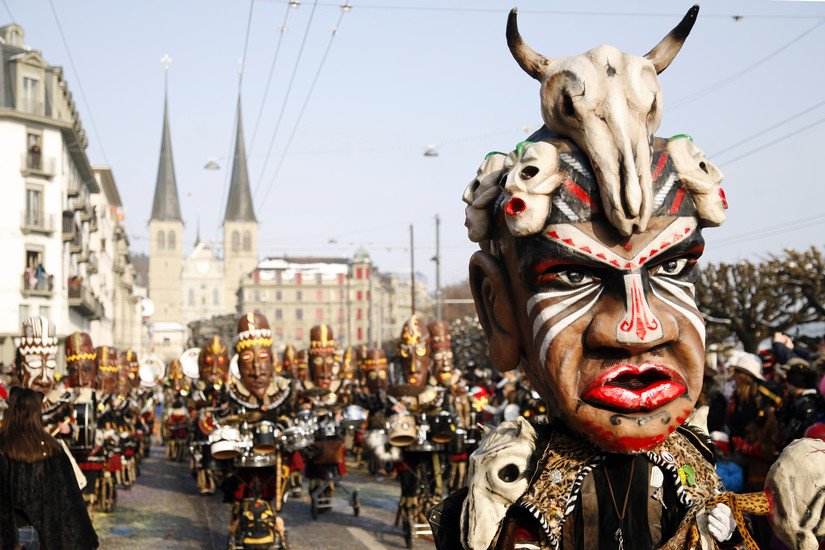

Switzerland, a country renowned for its majestic Alps, pristine lakes, and centuries-old traditions, hosts one of the most vibrant and culturally rich events in Europe: the Swiss Carnival, or Fasnacht. This festival, which varies slightly from canton to canton, is an immersive blend of history, folklore, music, and community participation. Unlike conventional carnival celebrations in other parts of the world, Swiss Carnival emphasizes local traditions, artistic expression, and the preservation of centuries-old customs.
In this article, we will explore the origins of Swiss Carnival, its regional variations, the cultural significance, key events and rituals, the role of music and costumes, and the festival’s growing appeal among tourists seeking authentic cultural experiences.
Origins and Historical Significance
The Swiss Carnival has deep roots in European pre-Lenten traditions. Historically, it served as a period of indulgence before the fasting and austerity of Lent, offering communities a time to celebrate, socialize, and reaffirm their cultural identities. While the Catholic cantons primarily celebrate Fasnacht before Ash Wednesday, Protestant regions have adapted the festival to fit local customs and beliefs.
The festival is particularly prominent in the cantons of Basel, Lucerne, and Zurich, each of which offers a unique interpretation of Fasnacht. Basel Fasnacht, for instance, has been recognized by UNESCO as an intangible cultural heritage, highlighting its exceptional cultural and historical value. Its roots date back to the Middle Ages, when guilds and local communities began organizing processions featuring elaborate masks, lanterns, and music. The festival became a platform to express social commentary, satire, and creativity, a tradition that continues to this day.
Regional Variations of Swiss Carnival
Swiss Carnival is not a monolithic celebration; it varies considerably across regions, reflecting the country’s linguistic, religious, and cultural diversity.
Basel Fasnacht
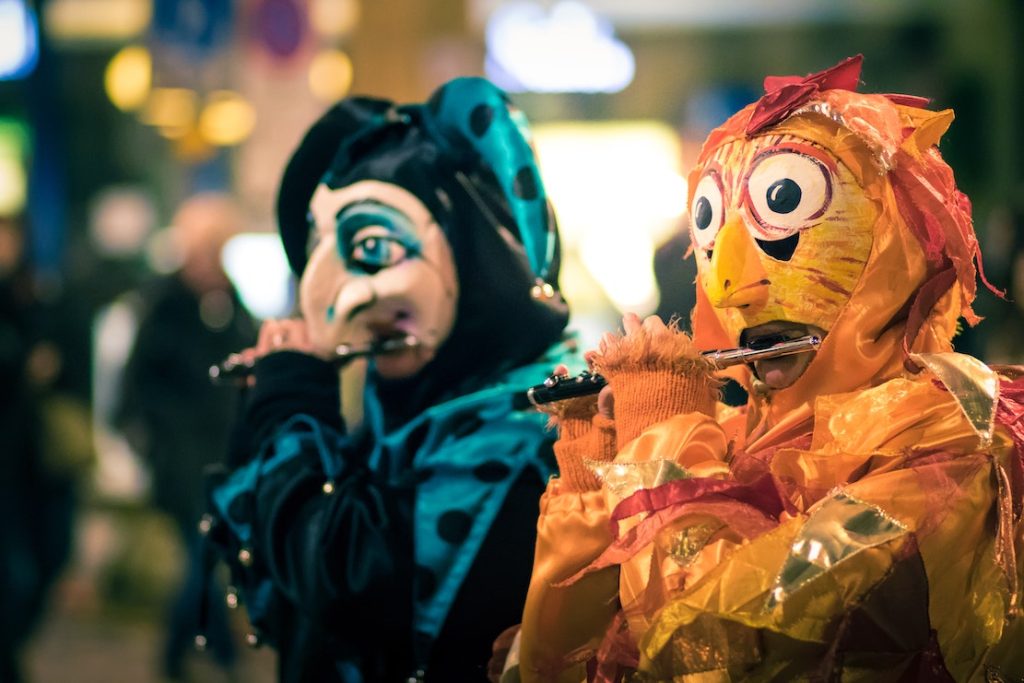
Basel hosts the most famous and largest carnival in Switzerland. The festival begins precisely at 4:00 AM on Monday after Ash Wednesday, known as Morgestraich, when the city is plunged into darkness, and lantern-lit parades march through the streets. Participants wear handcrafted masks (Larven) and elaborate costumes representing historical, political, or satirical themes. Musical ensembles called Cliques perform traditional drum and flute compositions called Guggenmusik, creating an unforgettable auditory experience.
Lucerne Carnival
Lucerne, located in central Switzerland, celebrates Fasnacht with a blend of music, masks, and street performances. The Lucerne Carnival emphasizes family-friendly events, workshops, and parades. One distinctive feature is the focus on Waggis, a character representing a rustic, mischievous figure from the Alemannic tradition. Lucerne’s festival also includes competitions for the best float designs and mask-making artistry, showcasing local creativity and craftsmanship.
Zurich Carnival
Zurich’s carnival, known as Sechseläuten, incorporates elements of springtime celebration and local guild traditions. The festival includes processions, folk dances, and the burning of a symbolic figure called the Böögg, representing winter. The event serves as a symbolic farewell to winter and a welcome to the new season, blending cultural ritual with communal festivity.
Masks, Costumes, and Symbolism
One of the most striking features of Swiss Carnival is the use of masks and costumes, which serve as both artistic expressions and social commentary. Traditionally, masks were carved from wood and painted with vivid colors, representing spirits, historical figures, or grotesque caricatures. Today, mask-making is a sophisticated craft, with artisans spending months designing and constructing masks that often carry symbolic meaning.
Costumes complement the masks, ranging from traditional folk attire to elaborate, satirical ensembles. Participants often organize themselves into guilds or groups, each with a distinct theme, color palette, and narrative. These groups perform in parades, creating a dynamic tapestry of movement, color, and storytelling. The interplay of masks, costumes, and music transforms the streets into a living canvas of cultural expression.
Music and Performance
Music is at the heart of Swiss Carnival, shaping the atmosphere and guiding the narrative of the festival. Guggenmusik, a unique style of carnival music, features brass instruments, drums, and percussion, often played with deliberate dissonance to create a celebratory, chaotic sound. Each musical group interprets traditional melodies with their own flair, fostering a sense of friendly competition and community pride.
Street performances, including theater, dance, and puppetry, further enrich the carnival experience. Many performances are satirical, offering humorous commentary on political events, social issues, or local personalities. This blend of humor, artistry, and social engagement reflects the carnival’s historical role as a space for communal reflection and expression.
Community Participation and Social Impact
Swiss Carnival is not merely a spectacle for tourists; it is a deeply community-oriented festival. Preparation for Fasnacht begins months in advance, with local guilds, schools, and neighborhoods collaborating on masks, costumes, and floats. Participation is often multi-generational, fostering a sense of continuity, cultural transmission, and civic pride.
The festival also has a significant social impact. It strengthens community bonds, encourages artistic expression, and provides a platform for dialogue through satire and performance. Additionally, Fasnacht contributes to local economies by attracting domestic and international tourists, supporting artisans, performers, and small businesses.
Gastronomy and Culinary Traditions
Food plays a crucial role in Swiss Carnival. Traditional dishes, sweets, and beverages are integral to the festivities, reflecting regional flavors and seasonal ingredients. Popular carnival treats include fastnacht bread, a type of fried pastry, and local cheeses, sausages, and spiced wines. Temporary street food stalls allow participants and visitors to sample a variety of local delicacies, enhancing the sensory richness of the festival.
Modern Adaptations and Tourism
While Swiss Carnival is steeped in tradition, it has also adapted to contemporary trends and tourism. Many cities now offer guided tours, workshops, and cultural programs for international visitors, providing insight into the history, artistry, and symbolism of the festival. Social media has amplified the visibility of Fasnacht, enabling global audiences to appreciate its cultural significance and artistic innovation.
Despite modern adaptations, the essence of the carnival remains unchanged: a celebration of local identity, creativity, and communal spirit. Tourists are encouraged to engage respectfully, participating in workshops, attending parades, and supporting local artisans, thereby experiencing an authentic cultural encounter.
Sustainability and Cultural Preservation
Sustainability has become a central consideration for Swiss Carnival organizers. Efforts include environmentally responsible float construction, waste reduction, and promotion of local crafts over mass-produced souvenirs. Cultural preservation initiatives, supported by local governments and UNESCO recognition, ensure that traditional techniques, music, and storytelling are passed down to future generations.
By balancing modernity with tradition, Swiss Carnival exemplifies how heritage festivals can remain relevant while honoring historical roots.
Key Highlights and Must-Experience Moments
For anyone visiting Switzerland during carnival season, several highlights are particularly noteworthy:
- Basel Morgestraich – The pre-dawn lantern parade is a must-see for its dramatic ambiance and artistic lantern displays.
- Lucerne Waggis Parade – Experience playful characters, street theater, and community engagement in this family-friendly carnival.
- Zurich Böögg Burning – Witness the symbolic farewell to winter, accompanied by local music and festive rituals.
- Mask-Making Workshops – Participate in hands-on experiences to learn the traditional craft of mask creation.
- Guggenmusik Performances – Immerse yourself in the rhythmic, energetic carnival music that defines Swiss Fasnacht.
Conclusion
Swiss Carnival is far more than a festive gathering; it is a living expression of history, culture, and communal identity. From the elaborately crafted masks of Basel to the family-friendly parades of Lucerne, Fasnacht offers a unique lens through which to understand Switzerland’s rich cultural tapestry. The festival harmoniously blends tradition with contemporary creativity, providing both locals and visitors with an unforgettable experience that transcends mere entertainment.
For travelers seeking authentic cultural engagement, Swiss Carnival is an unparalleled opportunity to witness centuries-old customs, participate in community rituals, and celebrate human creativity in its most vibrant form. It serves as a reminder that festivals are not just spectacles but essential expressions of identity, continuity, and social cohesion.
Whether you are drawn by the dramatic visuals, the rhythmic music, the culinary delights, or the spirit of community, Swiss Carnival promises a transformative journey into the heart of Switzerland’s living heritage.