





Introduction: The Growing Need for Sustainable Food Practices
As the global food industry continues to evolve, so too does our understanding of its impact on the environment. From the carbon emissions associated with transporting food across the world to the unsustainable farming practices that harm soil health and biodiversity, the modern food system is fraught with environmental challenges. However, there is a growing movement advocating for a return to local ingredients and traditional recipes as a way to mitigate these environmental impacts and foster more sustainable food systems.
Embracing local ingredients and traditional recipes doesn’t just support local economies and preserve cultural heritage—it also offers a practical and impactful way to reduce the ecological footprint of our diets. By sourcing ingredients that are grown locally and seasonally, and by preparing meals using time-honored methods passed down through generations, we can create a food culture that respects the environment and nurtures our connection to the land.
This article explores how choosing local ingredients and traditional recipes can help reduce environmental impact, promote sustainability, and foster a deeper connection between people, food, and the planet. We will delve into the benefits of supporting local food systems, examine how traditional cooking methods align with sustainable practices, and provide practical tips for incorporating these principles into our everyday lives.
The Environmental Impact of Globalized Food Systems
1. Carbon Footprint of Food Transportation
One of the most significant environmental issues in the modern food system is the transportation of food across long distances. As global trade in food products has expanded, the average distance that food travels from farm to table has increased dramatically. For example, a tomato grown in Spain and shipped to the United States can travel thousands of miles, contributing to carbon emissions from the fuel used in transportation.
This transportation not only contributes to greenhouse gas emissions but also results in the depletion of non-renewable resources like fossil fuels. The rise of “food miles,” or the distance food travels before reaching consumers, is a key factor in the growing environmental concerns surrounding industrial food production. The longer food is in transit, the more energy is consumed, and the greater the environmental toll.
2. The Overuse of Chemical Fertilizers and Pesticides
Industrial agriculture, driven by large-scale monocultures and chemical inputs, is another significant contributor to environmental degradation. The heavy use of synthetic fertilizers and pesticides can lead to soil depletion, water pollution, and the loss of biodiversity. These farming practices often prioritize yield over ecological health, with little regard for long-term sustainability.
In contrast, local farms that focus on sustainable practices typically use fewer chemical inputs, relying instead on organic fertilizers, crop rotation, and natural pest control methods. These farms are often more attuned to the health of the land and the local ecosystem, using regenerative farming methods that build soil health and protect water sources.
3. Waste in the Global Food Supply Chain
Another key environmental issue is the waste generated by the global food supply chain. When food is transported long distances, a significant amount is often wasted due to spoilage, improper storage, or overproduction. In fact, it is estimated that one-third of the food produced globally is lost or wasted each year.
This waste is not only a waste of valuable resources but also contributes to environmental harm. The food that is wasted in the supply chain has already consumed water, land, and energy, and when it ends up in landfills, it decomposes to produce methane, a potent greenhouse gas. Reducing food waste is essential for minimizing the environmental impact of our food system, and choosing local ingredients is one way to help achieve this goal.
The Benefits of Local Ingredients
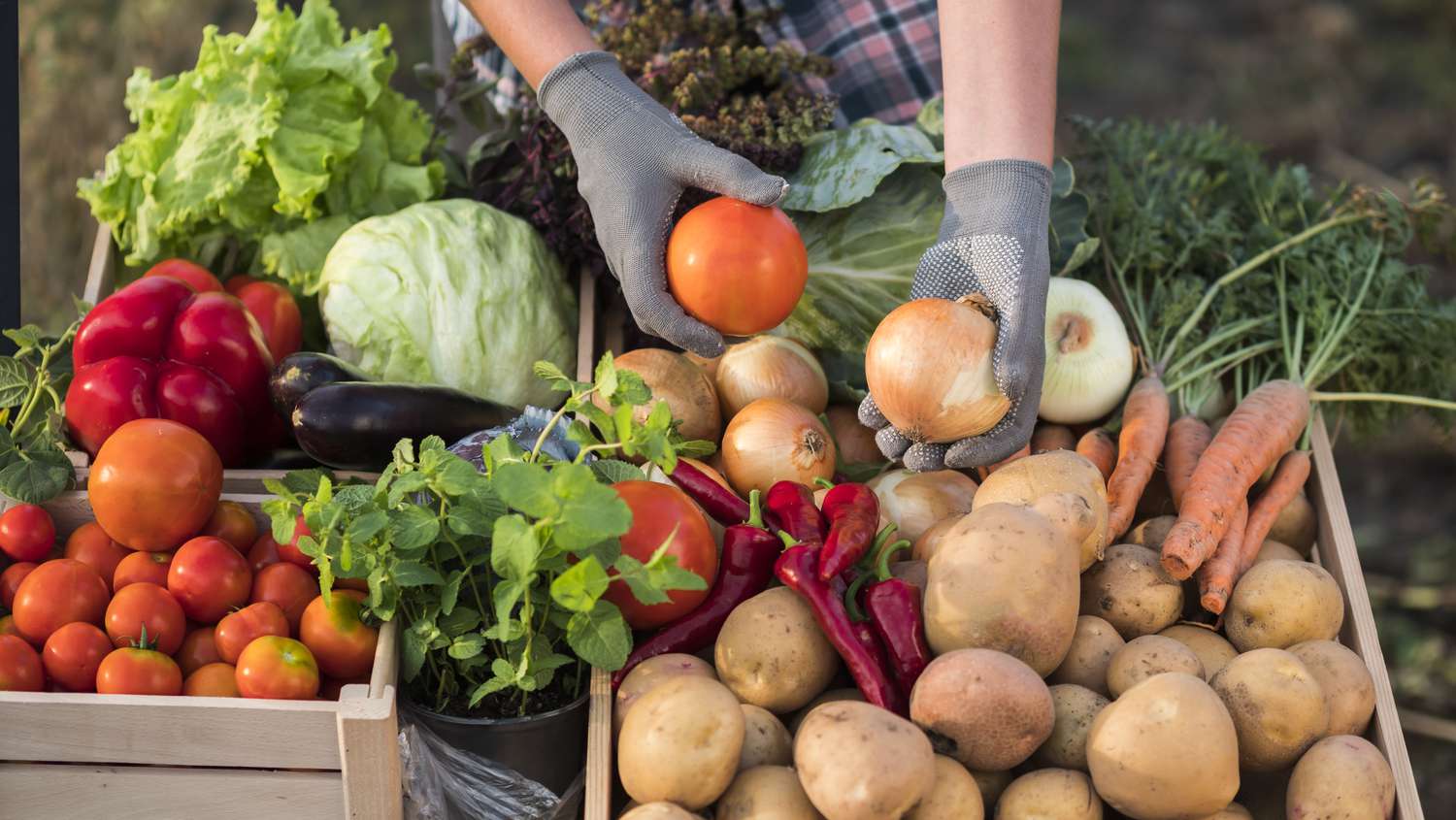
Choosing local ingredients is one of the most effective ways to reduce the environmental impact of our food consumption. By sourcing food that is grown or produced close to home, we can significantly reduce the carbon footprint associated with food transportation, support local economies, and encourage more sustainable farming practices. Here are some key benefits of local ingredients:
1. Reduced Carbon Footprint
When food is grown locally, it doesn’t need to be shipped across vast distances, which drastically reduces the carbon emissions associated with transportation. Local food travels shorter distances, which means less fuel is required for transportation, resulting in fewer greenhouse gas emissions. This is particularly important for reducing the environmental impact of fruits, vegetables, and other perishable goods that often require refrigerated transport.
In addition to reducing food miles, local food systems are more likely to use environmentally friendly modes of transportation, such as bicycles, electric vehicles, or regional delivery trucks that have lower emissions than the large cargo ships and long-haul trucks used in global food trade.
2. Support for Local Farmers and Economies
When you buy local ingredients, you are directly supporting farmers and food producers in your community. This helps to keep money circulating within the local economy, which is crucial for the sustainability of small-scale farms and businesses. Unlike large multinational corporations, local farms rely on the direct support of consumers to stay afloat.
Supporting local farms also promotes food sovereignty—the ability of communities to control their own food production and ensure that it meets local needs. This can lead to a more resilient food system that is less vulnerable to the volatility of global markets and supply chains.
3. Seasonal Eating and Biodiversity
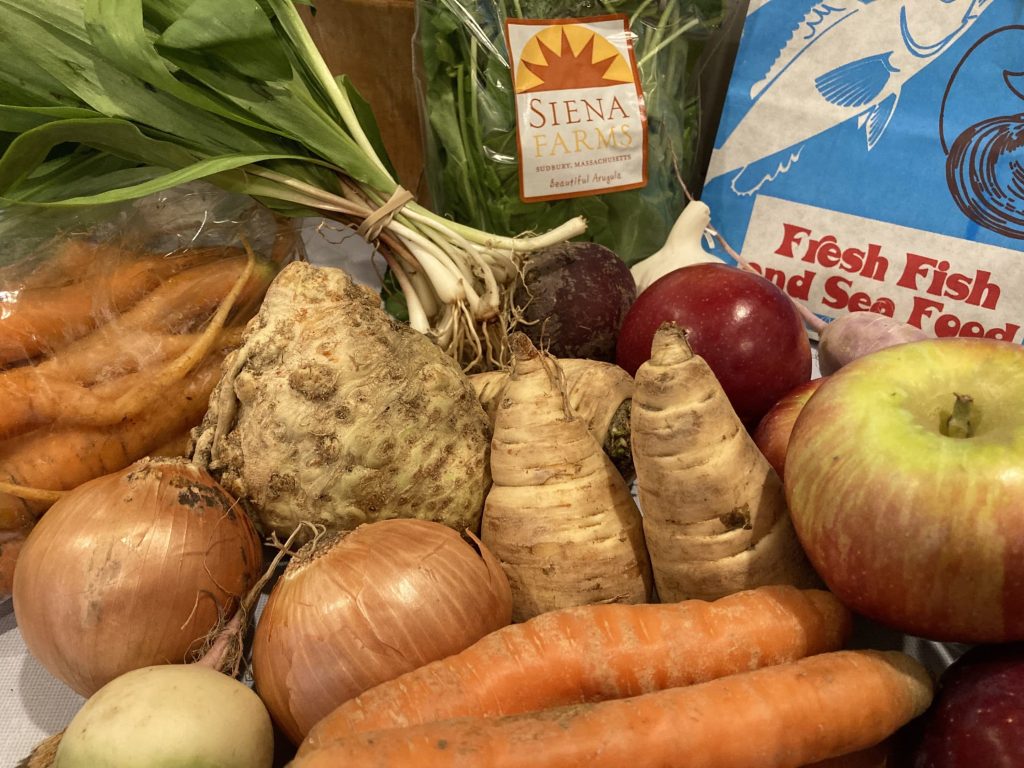
Eating local ingredients encourages seasonal eating, which means consuming foods that are in season in your area. Seasonal eating has numerous benefits, including the reduction of food waste and the promotion of biodiversity. When foods are grown seasonally, they are more likely to be harvested at their peak nutritional value, and they require fewer artificial inputs, such as pesticides or fertilizers.
Moreover, local farms that grow a variety of crops contribute to greater biodiversity, as they are more likely to plant a diverse range of species rather than focusing on monocultures. This helps to protect local ecosystems and preserve the genetic diversity of plant species.
4. Freshness and Nutritional Value
Local ingredients are typically fresher than imported foods, as they have traveled shorter distances and have been harvested more recently. Fresh food retains more of its nutritional value, as vitamins and minerals begin to degrade the longer food sits in storage or is transported.
Additionally, buying locally allows consumers to access a wider variety of heirloom and specialty crops that may not be available through commercial retailers. These foods often have superior flavor, taste, and texture compared to mass-produced options, making them a treat for the palate as well as the environment.
The Importance of Traditional Recipes
Traditional recipes are more than just a collection of ingredients and cooking techniques—they are a reflection of a region’s culture, history, and relationship with the land. Many traditional recipes have been passed down through generations, honed over centuries to make the most of locally available ingredients and seasonal produce. These recipes were developed with sustainability in mind, as communities had to rely on what was available around them.
1. Preserving Culinary Heritage
By embracing traditional recipes, we help preserve culinary traditions that have been passed down through generations. These recipes are a living testament to the ingenuity and resourcefulness of past generations, who found ways to create nourishing meals using the ingredients available in their local environment.
Moreover, by cooking traditional meals, we can foster a deeper understanding of the cultural and historical context behind the foods we eat. This can be a powerful way to connect with the land and the people who have cultivated it for generations.
2. Reducing Food Waste
Many traditional recipes are designed to use the entire animal or plant, reducing food waste and maximizing the nutritional value of ingredients. For example, traditional stews and soups often utilize tougher cuts of meat that require slow cooking to become tender, a practice that is less common in modern, fast-paced cooking.
Traditional recipes also tend to incorporate preserved foods, such as pickles, fermented vegetables, and dried meats, which were once essential for surviving long winters or times of scarcity. These techniques can be revived today as part of the broader movement toward reducing food waste and extending the shelf life of seasonal produce.
3. Encouraging Sustainable Cooking Techniques
Traditional cooking techniques, such as slow cooking, fermentation, and preserving, are inherently more sustainable than many modern cooking methods. These techniques emphasize patience and mindfulness in the kitchen, allowing for the full extraction of flavors and nutrients from the ingredients.
For example, fermentation is a process that not only enhances the flavor and digestibility of food but also increases its shelf life without the need for refrigeration or preservatives. Slow cooking methods, such as braising or stewing, allow tougher, less expensive cuts of meat to become tender and flavorful, making them a sustainable choice for families on a budget.
Practical Tips for Embracing Local Ingredients and Traditional Recipes
1. Shop at Local Farmers’ Markets
One of the easiest ways to access local ingredients is by visiting your local farmers’ market. These markets are a treasure trove of seasonal produce, dairy, meat, and artisanal products. By shopping at farmers’ markets, you support small-scale farmers and food producers while ensuring that the food you buy is fresh and sustainable.
2. Grow Your Own Food
If you have the space, consider growing your own fruits, vegetables, and herbs. Even a small urban garden or balcony garden can provide you with fresh, local ingredients that you can incorporate into your meals. Growing your own food is one of the most sustainable practices you can adopt, as it reduces your reliance on store-bought produce and cuts down on food transportation emissions.
3. Cook with Seasonal Ingredients
Start planning your meals around what is in season in your area. Seasonal eating not only reduces your environmental impact but also supports local farmers who rely on seasonal crops. Learn which fruits, vegetables, and herbs are available in your region at different times of the year, and experiment with recipes that make the most of these ingredients.
4. Learn and Cook Traditional Recipes
Take the time to learn traditional recipes from your region or culture. These recipes often use simple, locally sourced ingredients, and they are a great way to connect with the past while making sustainable choices in the kitchen. Whether it’s a grandmother’s recipe for vegetable soup or a traditional bread-making technique, these meals can be an important part of preserving cultural heritage and reducing food waste.
Conclusion: A More Sustainable and Connected Food System
By embracing local ingredients and traditional recipes, we can take meaningful steps toward reducing our environmental impact and promoting a more sustainable food system. Choosing local ingredients minimizes the carbon footprint of food transportation, supports local farmers, and encourages seasonal eating. At the same time, traditional recipes provide a window into the cultural heritage of the places we live, while also promoting sustainable cooking techniques that minimize waste and enhance flavor.
Incorporating these practices into our daily lives not only benefits the environment but also fosters a deeper connection to the food we eat, the people who produce it, and the communities in which we live. As we move toward a more sustainable future, embracing local ingredients and traditional recipes is a small but powerful way to make a positive impact on both the planet and our culinary traditions.