





Introduction
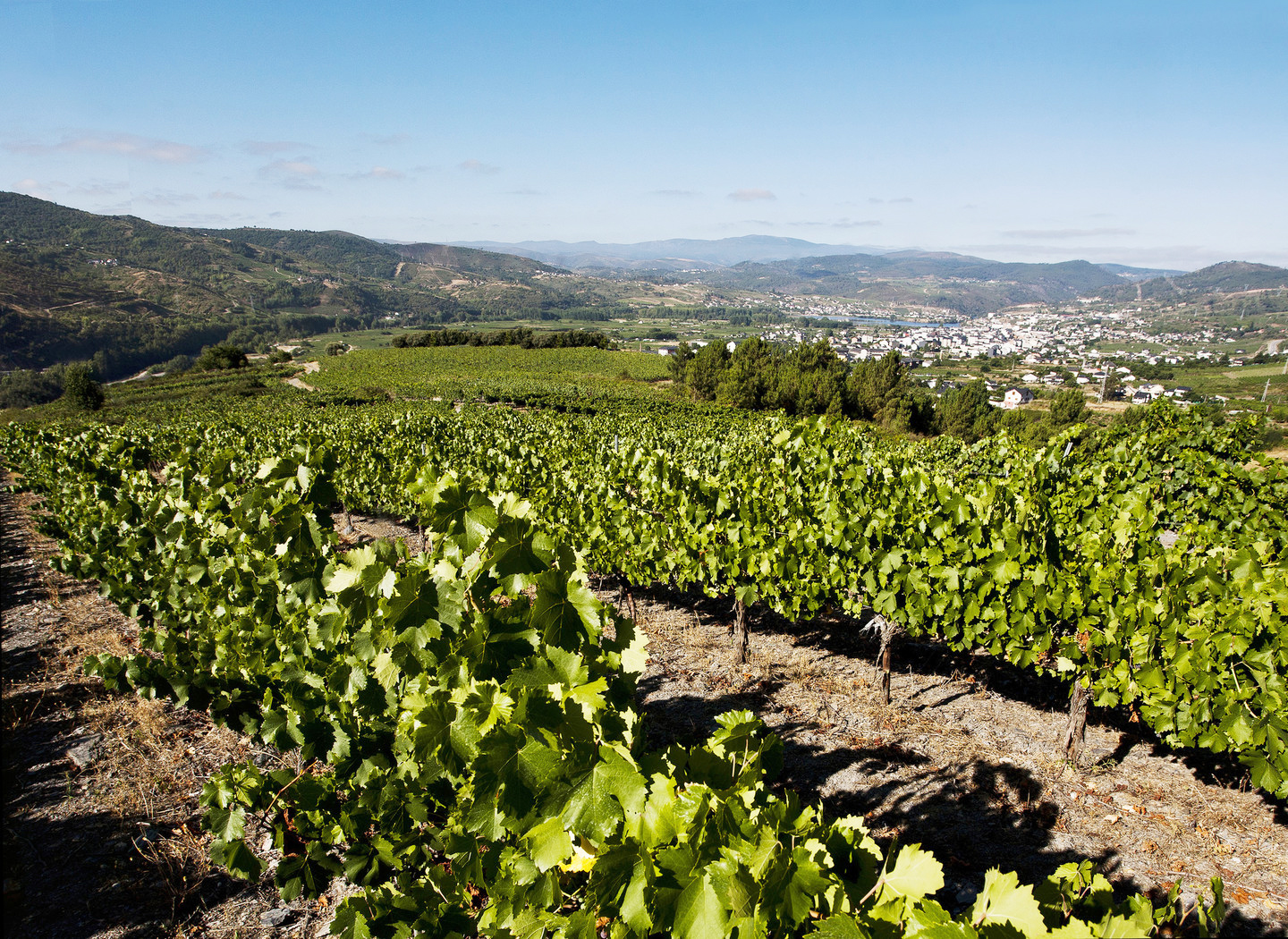
The Galician region in northern Spain, known for its lush landscapes, unique climate, and rich cultural heritage, offers more than just beautiful beaches and historical landmarks. In the autumn months, one of the most rewarding and immersive experiences that visitors can partake in is the grape harvest season. This period, from late September to October, sees local vineyards brimming with ripe fruit, ready to be picked by both seasoned workers and enthusiastic tourists.
Galicia’s deep-rooted history of wine production, intertwined with its Celtic culture and the temperate, humid climate, creates an ideal environment for growing unique grape varieties. The region is renowned for its Albariño wines and various other varietals, making it an emerging star in the global wine industry. As visitors flock to the area to experience the harvest firsthand, they gain not only a deep appreciation for the winemaking process but also a profound connection with the land and its people.
In this article, we will explore the significance of the grape harvest in Galicia, the various wine-producing regions, the types of grapes grown, the process of grape picking, and how tourists can immerse themselves in this fascinating tradition.
The Historical Context of Winemaking in Galicia
Galicia’s Wine Legacy
Winemaking in Galicia dates back to ancient times, influenced by Roman and Celtic traditions. While much of Spain’s wine reputation has historically been associated with regions like La Rioja or Ribera del Duero, Galicia’s distinct climate and terrain have set it apart as a unique and highly sought-after wine region. The historical foundations of Galician winemaking can be traced back to the Romans, who brought viticulture techniques to the Iberian Peninsula.
The Celtic influence in Galicia is also significant. Many of the region’s winemaking traditions, from the celebration of the harvest to the methods of growing and preserving grapes, have been passed down through generations. For centuries, the Galician people have cultivated their vineyards with respect for nature, using sustainable and organic methods that continue to define the region’s wine culture.
Geography and Climate: Ideal Conditions for Wine
The geography of Galicia is defined by its rugged coastline, misty mountains, and temperate climate. The region benefits from the Atlantic Ocean, which provides a consistent amount of rainfall, high humidity, and a mild temperature throughout the year. These conditions are particularly suited for white grape varieties, which thrive in the cooler, wet environment.
The Rías Baixas Denomination of Origin (DO) is the most famous wine-producing area in Galicia, known for its Albariño wine. Other notable DOs in the region include Ribeira Sacra, Monterrei, and Valdeorras, each with its own distinct terroir and grape varieties.
Grape Varieties in Galicia: A Unique Diversity
The grape varieties grown in Galicia are as diverse as the region itself. While red wine production is increasing, white wines, particularly Albariño, remain the hallmark of Galician winemaking. Let’s take a closer look at the key grape varieties cultivated in the region:
Albariño
Albariño is Galicia’s flagship grape, particularly prevalent in the Rías Baixas region. Known for its aromatic intensity, Albariño produces crisp, refreshing wines with a characteristic citrus and floral profile. The grape thrives in the coastal climate of Galicia, where the mild temperatures and high rainfall create the perfect conditions for balanced acidity and pronounced fruit flavors.
Mencía
In contrast to Albariño, Mencía is a red grape variety widely planted in the Ribeira Sacra DO. Mencía wines are known for their vibrant red fruit flavors, such as cherry and raspberry, with a touch of earthiness. This variety is perfectly suited to the steep slopes and terraced vineyards of the Ribeira Sacra region, where winemakers employ traditional methods to produce high-quality red wines.
Godello
Another important white variety in Galicia is Godello, which is primarily grown in the Valdeorras DO. This grape produces wines with a rich texture and a bouquet of tropical fruit and minerality, making it one of the most exciting emerging varieties in Spain’s wine scene. Godello wines are often compared to Chardonnay due to their structure, yet they retain a distinct regional character.
Treixadura
A lesser-known but increasingly popular variety is Treixadura, found in the Monterrei DO. Wines made from Treixadura tend to have a floral nose and a balanced, medium-bodied flavor with stone fruit notes.
The Grape Harvest: A Time of Celebration and Hard Work
The Timing of the Harvest
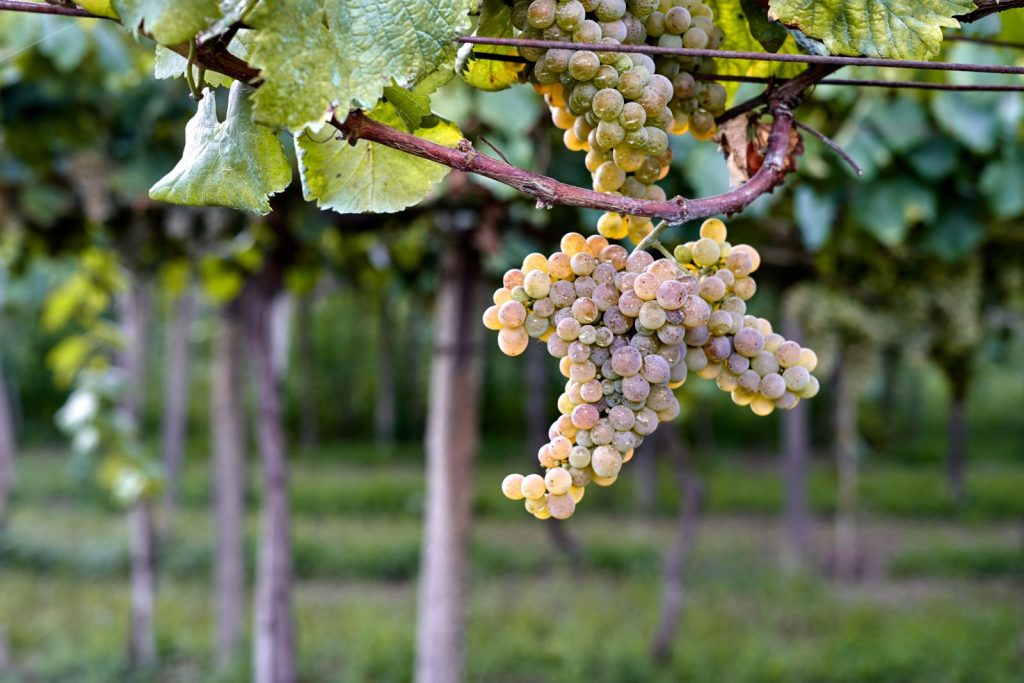
The grape harvest in Galicia typically takes place from late September to early October, coinciding with the changing of the season and the maturation of the grapes. This is the period when the fruit reaches its optimal ripeness, and the vineyards are filled with workers carefully hand-picking the grapes.
The harvest is not only a crucial time for wine production, but it is also a significant cultural event. Throughout Galicia, there are celebrations, festivals, and events that accompany the grape harvest, giving visitors a chance to partake in the festivities and witness the deeply ingrained traditions.
Hand-Picking the Grapes
One of the most unique aspects of the Galician grape harvest is the practice of hand-picking. Unlike many wine regions in the world where mechanical harvesters are used, most Galician vineyards still rely on manual labor to gather the grapes. Hand-picking allows workers to select only the ripest fruit, ensuring that only the highest quality grapes make it to the winery.
Tourists who visit Galicia during the harvest season can join the local workers in this traditional process. Many vineyards offer grape-picking tours, where visitors can get hands-on experience in the fields. This is a fantastic way to learn about the winemaking process from start to finish, while also contributing to the local economy.
Wine Tours and Grape Harvest Festivals: A Tourist’s Guide
Grape Harvest Festivals
Galicia is home to a number of vibrant festivals that celebrate the grape harvest. These festivals are a fantastic way for tourists to immerse themselves in the local culture, taste regional wines, and even participate in the harvest process. Here are some of the most popular events:
Festa do Albariño (Rías Baixas)
Held annually in Rías Baixas, the Festa do Albariño is one of the most famous wine festivals in Galicia. The festival celebrates the Albariño grape with wine tastings, live music, local food, and grape-themed competitions. It’s a great way to experience the best of Galicia’s wine culture.
Festa da Vendimia (Ribeira Sacra)
In Ribeira Sacra, the Festa da Vendimia is another key event during the harvest season. This festival is a celebration of the Mencía grape and the region’s rich winemaking history. Visitors can tour the steep terraced vineyards, taste wines, and join in the grape-picking activities.
Feira do Viño (Monterrei)
The Feira do Viño, held in Monterrei, is a celebration of the region’s wines, with a particular focus on Treixadura. This festival allows visitors to meet winemakers, participate in tastings, and enjoy traditional Galician cuisine.
Grape Harvest Tours
Many vineyards in Galicia offer grape harvest tours that run throughout the harvest season. These tours typically include a guided walk through the vineyards, where visitors can learn about the grape-growing process, followed by a visit to the winery for a wine tasting. Some tours even offer the chance to help with the harvest, giving participants a hands-on experience in winemaking.
The Winemaking Process: From Grape to Bottle
Crushing and Fermentation
Once the grapes are harvested, they are transported to the winery where the winemaking process begins. The first step is crushing the grapes to release their juice. In many Galician wineries, this is done gently to avoid crushing the seeds and imparting bitter flavors to the wine. The juice then undergoes fermentation, during which the sugars in the grapes are converted into alcohol by yeast.
Aging and Bottling
After fermentation, the wine is aged in various vessels, including stainless steel tanks, oak barrels, or cement tanks, depending on the style of wine being produced. Albariño wines, for instance, are typically fermented and aged in stainless steel to preserve their freshness and fruity character. On the other hand, some red wines from Ribeira Sacra may be aged in oak barrels to enhance complexity and structure.
After aging, the wine is bottled and prepared for distribution, where it will eventually make its way to wine shops, restaurants, and consumers around the world.
Conclusion: The Unforgettable Experience of the Grape Harvest in Galicia
Participating in the grape harvest in Galicia is an unforgettable experience that combines the beauty of nature, the richness of local culture, and the art of winemaking. Whether you are interested in learning about the winemaking process, tasting some of Spain’s finest wines, or simply enjoying the festive atmosphere of the harvest season, Galicia offers a unique and immersive experience for all.
From hand-picking the grapes to celebrating with locals at the harvest festivals, tourists have the rare opportunity to engage with one of Spain’s most enduring wine traditions. Galicia’s rich history, stunning landscapes, and incredible wines make it a must-visit destination for wine enthusiasts and those seeking an authentic cultural experience.