





Introduction
Spain, with its rich history, diverse landscapes, and vibrant culture, has long been a key player in the global winemaking scene. Its history of winemaking dates back thousands of years, with influences from the Phoenicians, Romans, and various cultural shifts that have shaped the country’s unique vinous heritage. Beyond the vineyards, Spain’s rural festivals, often tied to agricultural milestones such as the harvest, showcase the country’s strong connection to the land and its cultural roots. These festivals are a vital part of Spanish life, celebrating local customs, food, music, and the fruits of labor that contribute to the rich winemaking traditions.
In this article, we will explore Spain’s winemaking traditions—the regions, the processes, and the people behind the wines—and the rural festivals that celebrate the harvest and local culture, offering a glimpse into the heart of Spain’s agricultural and vinous identity.
Spain’s Rich Winemaking Legacy
The Origins of Winemaking in Spain
Spain’s winemaking history stretches back to ancient civilizations. The Phoenicians, who colonized parts of Spain around 1100 BC, were the first to introduce viticulture to the Iberian Peninsula. The Romans further developed the practice, cultivating vineyards across Spain and establishing some of the earliest winemaking techniques still in use today. The Romans are also credited with building many of the winepresses and storage facilities that helped establish Spain as an important wine-producing region.
Following the Roman Empire, monastic orders in the Middle Ages, particularly the Cistercians, played a crucial role in preserving and refining viticulture in Spain. This was especially true in regions like La Rioja and Castilla y León, where the monks cultivated vineyards for both sacramental and commercial purposes.
The 19th century marked a major turning point in Spanish winemaking. While the Phylloxera epidemic devastated France’s vineyards, Spain’s wine industry thrived by exporting wine to fill the gap. In particular, the Rioja region saw a surge in production, solidifying Spain’s reputation as a leading wine-producing country.
Today, Spain is one of the top producers of wine worldwide, with an array of distinctive Denominations of Origin (DOs) that represent the various wine regions across the country.
Spain’s Famous Wine Regions
Rioja: The Icon of Spanish Wine
Rioja is undoubtedly Spain’s most renowned wine region, located in the northern part of the country, straddling the Ebro River. The region is divided into three sub-regions: Rioja Alta, Rioja Alavesa, and Rioja Oriental. Each sub-region boasts distinct climates and soils that contribute to a diversity of wine styles.
The star grape variety in Rioja is Tempranillo, which thrives in the region’s continental climate. The wines produced here are known for their deep flavors of dark fruit, spice, and oak, owing to the tradition of aging them in American oak barrels. Rioja wines are often classified based on their aging process: Crianza, Reserva, and Gran Reserva, with each offering a different expression of the grape.
Ribera del Duero: A Region of Bold Reds
The Ribera del Duero region, located along the Duero River, is renowned for producing some of Spain’s most powerful red wines, primarily made from Tinta del País (a clone of Tempranillo). The region’s continental climate, characterized by hot summers and cold winters, combined with its high altitude, leads to a long ripening period for the grapes, resulting in full-bodied, intensely flavored wines with high acidity and excellent aging potential.
Ribera del Duero’s wines are often rich, dark, and structured, with flavors of black fruit, leather, and smoke, and the region’s best wines are known to improve with age, making them a staple for wine collectors.
Rías Baixas: The Coastal Albariño
Located in the cool, misty Galicia region in the northwest of Spain, Rías Baixas is famous for producing the white grape variety Albariño. The region’s proximity to the Atlantic Ocean provides a cool, wet climate ideal for cultivating Albariño, a grape known for its citrus flavors, aromatic complexity, and crisp acidity.
Albariño from Rías Baixas is often considered one of Spain’s finest white wines, perfect for pairing with seafood, a major component of the region’s cuisine. The vineyards are often planted on steep slopes to maximize sun exposure and promote air circulation, preventing mildew from the humid coastal climate.
Jerez: The Birthplace of Sherry
Jerez de la Frontera, in the south of Spain, is the home of Sherry, a fortified wine that has been produced for centuries. Made primarily from Palomino, Pedro Ximénez, and Moscatel grapes, Sherry is distinctive for its aging process in the solera system, where wines are aged in a series of barrels and blended over time to ensure consistency.
There are several styles of Sherry, ranging from Fino (dry) to Oloroso (rich and full-bodied) and Pedro Ximénez (sweet), each with its own characteristics and uses in food pairings and culinary traditions. Sherry is often enjoyed with tapas, and its unique production methods have earned it a place among the world’s most fascinating wines.
Winemaking Process: From Vineyard to Bottle
Vineyard Practices
The winemaking process in Spain starts in the vineyard, where factors like soil, climate, and grape variety are carefully managed. Many Spanish winemakers practice sustainable and organic viticulture, minimizing the use of pesticides and focusing on natural farming practices to protect the land. Biodynamic and permaculture techniques are also gaining popularity, as producers recognize the importance of maintaining biodiversity and soil health.
In regions like Ribera del Duero, where high-altitude vineyards are common, careful management of irrigation is essential to ensure balanced grape ripening. The harvest is typically done by hand, particularly in the premium wine regions, to ensure that only the ripest and healthiest grapes are picked.
Fermentation and Aging
After the grapes are harvested, the winemaking process continues in the winery. Grapes are typically crushed and fermented in stainless steel tanks or oak barrels, depending on the desired style of wine. Fermentation converts the sugars in the grapes into alcohol, and during this time, the winemaker may influence the wine’s flavor profile through temperature control and the use of different types of yeast.
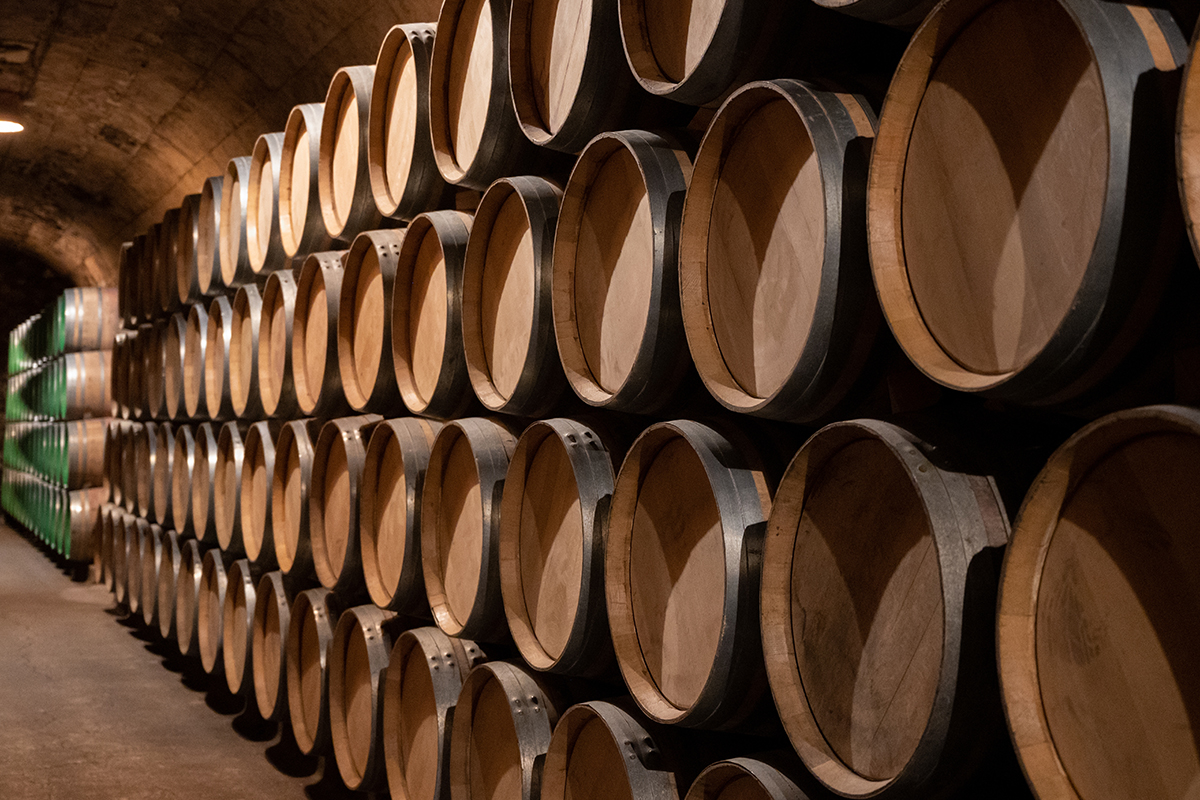
Aging is a crucial step in many Spanish wines. Wines from regions like Rioja and Ribera del Duero are often aged in oak barrels, which impart additional flavors such as vanilla, spice, and smoke. Jerez wines undergo a unique aging process known as flor and oxidative aging, which gives Sherry its distinct flavor profile.
Rural Festivals of Spain: A Celebration of Tradition and Wine
La Fiesta de la Vendimia: The Wine Harvest Festival
The Fiesta de la Vendimia is a widespread celebration held in many wine regions across Spain to mark the beginning of the grape harvest. This festival is especially important in Rioja, Ribera del Duero, and La Mancha, where the harvest represents not only an agricultural milestone but also a chance for the community to come together and celebrate the region’s winemaking heritage.
The festival is filled with activities like grape stomping, wine tastings, parades, and traditional music and dancing. In Rioja, the Fiesta de la Vendimia in Haro is one of the most famous, attracting thousands of visitors each year. This event culminates in the Batalla del Vino (Battle of Wine), where participants throw wine at each other in a playful and celebratory atmosphere.
La Fiesta del Vino de Jerez
In the Jerez region, the Fiesta del Vino celebrates the production of Sherry, the iconic fortified wine that has made the region famous. The festival involves tours of the local Sherry bodegas, tastings of various Sherry styles, and cultural performances that showcase the traditions of Jerez. It is a celebration not just of wine, but also of the flamenco music and gastronomy that are integral to the culture of southern Spain.
La Fiesta de la Vendimia de Rueda
In the Rueda region, the Fiesta de la Vendimia celebrates the harvest of the Verdejo grape. This festival features wine tasting events, traditional music, and regional food. The community comes together to celebrate the harvest and pay tribute to the local winemakers who produce some of Spain’s finest white wines.
Las Fallas de Valencia
Though not directly linked to wine, the
Las Fallas festival in Valencia is one of Spain’s most important cultural celebrations, showcasing the country’s rural traditions. The festival, held in March, is known for its extravagant papier-mâché sculptures, lively street parades, and fireworks displays. Local wines, particularly from the Utiel-Requena region, are served in abundance during this time.
Conclusion
Spain’s winemaking traditions and rural festivals are integral to its cultural identity, offering a glimpse into the history, traditions, and community spirit that define the country. The vineyards, the winemaking process, and the seasonal festivals create a rich tapestry that celebrates the connection between the land and its people. Whether enjoying a glass of Rioja, dancing at a harvest festival in Haro, or participating in the wine battle, visitors to Spain can experience the vibrancy of the country’s vinous and rural heritage in the most authentic way.