




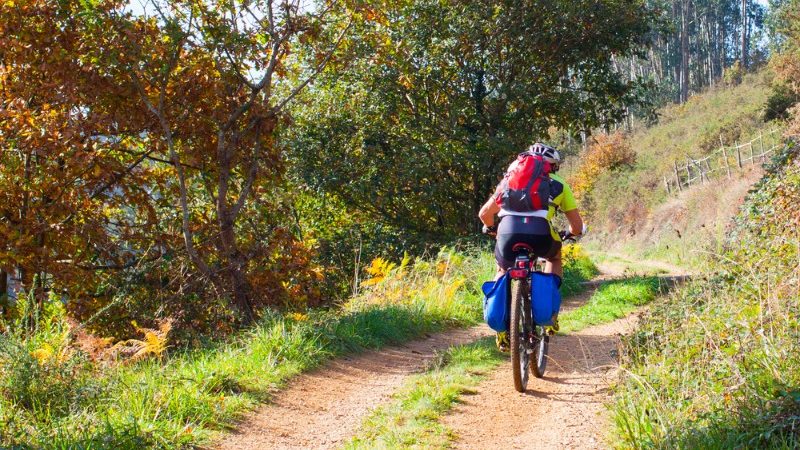

The Camino de Santiago, also known as the Way of St. James, is one of the most famous pilgrimage routes in the world. Stretching across Spain and parts of Europe, this historic path has been traveled for over a thousand years by pilgrims seeking spiritual growth, adventure, or cultural exploration. Today, it attracts tens of thousands of people annually, from devout pilgrims to international tourists drawn by its scenic landscapes, historic towns, and unique cultural experiences.
This article provides a comprehensive exploration of the Camino de Santiago, including its history, routes, spiritual and cultural significance, logistics, modern trends, and practical guidance for travelers.
1. Historical Context of the Camino de Santiago
The Camino de Santiago dates back to the 9th century, when the tomb of Saint James the Apostle was discovered in Santiago de Compostela, in Galicia, northwestern Spain. This discovery made the city a major Christian pilgrimage destination.
1.1 Origins and Early Pilgrimages
- Pilgrims traveled from all over Europe, especially France, Germany, and Italy, often on foot, enduring months-long journeys.
- Medieval pilgrims relied on monasteries, hospices, and churches along the route for shelter and sustenance.
- Pilgrimage was motivated by religious devotion, penance, or the pursuit of miracles.
1.2 Cultural and Political Influence
- Pilgrimages facilitated cultural exchange, spreading art, architecture, and religious practices across Europe.
- The Camino contributed to the growth of towns, trade routes, and infrastructure, leaving a lasting mark on Spanish society.
1.3 Recognition as UNESCO World Heritage
- In 1993, UNESCO recognized the Camino de Santiago as a World Heritage Site, acknowledging its historical, cultural, and spiritual significance.
- The route today blends medieval heritage with modern amenities for travelers.
2. The Routes of the Camino de Santiago
There are multiple Camino routes, each with unique characteristics, landscapes, and challenges.
2.1 Camino Francés (French Way)
- Length: Approximately 780 km (485 miles)
- Starting Point: Saint-Jean-Pied-de-Port, France
- Key Stops: Pamplona, Burgos, León
- Features: Rolling hills, historic towns, traditional Spanish cuisine
- Popularity: Most traveled route, offering ample services and cultural sites
2.2 Camino Portugués (Portuguese Way)
- Length: Approximately 610 km (380 miles) from Lisbon, shorter from Porto
- Key Stops: Porto, Coimbra, Ponte de Lima
- Features: Coastal scenery, historic monasteries, and vineyards
- Popularity: Increasingly popular due to its milder terrain
2.3 Camino del Norte (Northern Way)
- Length: Approximately 825 km (513 miles)
- Starting Point: Irún, Basque Country
- Features: Rugged coastal landscapes, mountain paths, cultural diversity
- Popularity: Less crowded, more challenging, scenic views
2.4 Camino Primitivo (Original Way)
- Length: Approximately 320 km (199 miles)
- Starting Point: Oviedo, Asturias
- Features: Remote paths, mountainous terrain, historical significance
- Popularity: Ideal for experienced pilgrims seeking solitude
2.5 Other Routes
- Camino Inglés (English Way), Camino de Finisterre, Via de la Plata, and local variations provide diverse experiences for travelers.
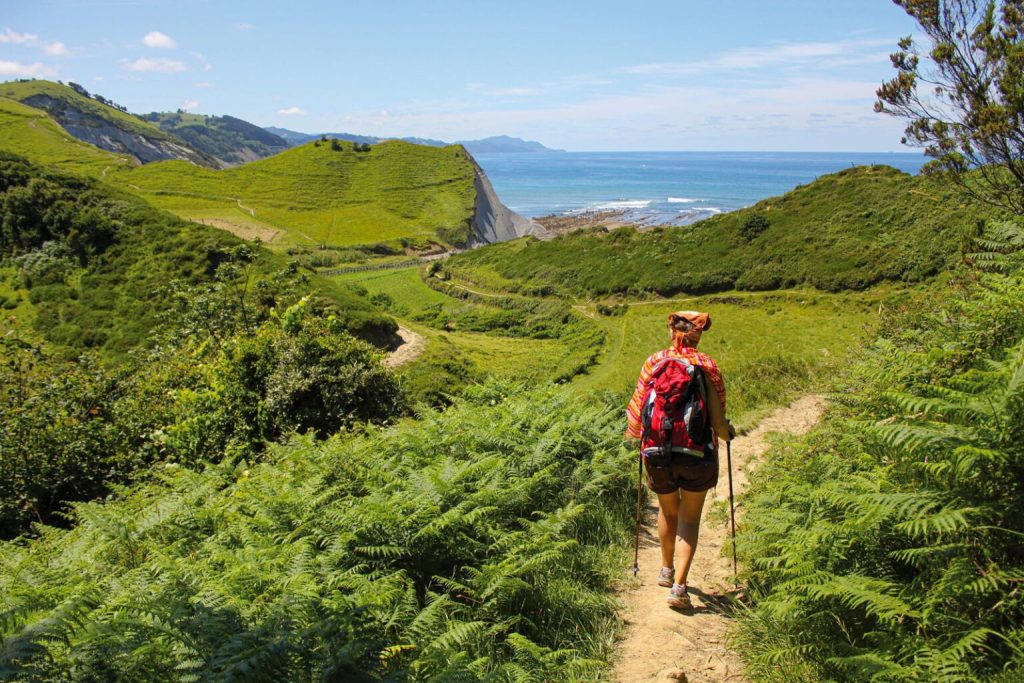
3. Spiritual and Cultural Significance
The Camino de Santiago offers a blend of spiritual reflection, cultural heritage, and personal growth.
3.1 Religious Pilgrimage
- Pilgrims often seek spiritual renewal, penance, or connection to Saint James.
- Churches, chapels, and sacred monuments along the way provide ritual spaces and religious heritage.
3.2 Cultural Heritage
- Pilgrims encounter medieval architecture, Romanesque cathedrals, Gothic churches, and baroque artworks.
- Local traditions, festivals, and cuisine enhance cultural immersion.
3.3 Personal and Psychological Impact
- Many walkers report increased mindfulness, resilience, and self-discovery.
- The journey encourages reflection, physical challenge, and social interaction with fellow travelers.
4. Practical Planning and Logistics
4.1 Travel Preparation
- Physical Training: Walkers are encouraged to gradually build endurance before starting.
- Packing Essentials: Lightweight backpacks, comfortable footwear, weather-appropriate clothing, and trekking poles.
- Documentation: Pilgrim passports (“credencials”) for access to hostels, stamps, and certificates.
4.2 Accommodation
- Albergues (hostels), hotels, rural guesthouses, and monasteries provide options along the route.
- Booking in advance is advisable during peak seasons (spring and summer).
4.3 Nutrition and Hydration
- Traditional cuisine: tapas, empanadas, octopus dishes, and regional specialties.
- Regular hydration and balanced meals are essential for long-distance walking.
4.4 Safety and Health
- Walking with proper footwear prevents blisters and injuries.
- Awareness of weather conditions is critical, particularly in northern and mountainous routes.
5. Scenic Landscapes and Nature
The Camino de Santiago traverses diverse landscapes, making it a journey for the senses:
5.1 Mountainous Trails
- Pyrenees (Camino Francés) provide challenging ascents and breathtaking views.
- Camino Primitivo offers remote mountainous terrain and lush forests.
5.2 Coastal Routes
- Camino del Norte combines rugged cliffs, beaches, and ocean vistas.
- Portuguese coastal routes offer sea breezes, maritime towns, and sandy paths.
5.3 Rural and Agricultural Landscapes
- Vineyards, orchards, and farmland punctuate the journey, offering agricultural experiences.
- Interaction with local farmers and tasting regional products enhances cultural immersion.
6. Modern Trends in Camino Travel
6.1 Diverse Pilgrim Profiles
- Pilgrims range from devout Christians to international tourists, young backpackers to retirees.
- Motivations vary: spiritual fulfillment, adventure tourism, cultural exploration, or physical challenge.
6.2 Digital Resources
- Mobile apps, GPS navigation, and online forums enhance planning and route guidance.
- Social media sharing fosters community and promotes lesser-known Camino routes.
6.3 Sustainable Travel Practices
- Eco-conscious pilgrims choose public transport, reusable gear, and waste reduction strategies.
- Albergues emphasize energy efficiency, recycling, and sustainable food sourcing.
6.4 Cultural Exchange
- Pilgrims often engage with local communities, attending festivals, markets, and workshops.
- Cross-cultural interactions strengthen the global significance of the Camino.
7. Challenges and Considerations
7.1 Physical Demands
- Long-distance walking may cause fatigue, joint stress, and blisters.
- Proper preparation and pacing are crucial.
7.2 Weather and Seasonal Variability
- Summer: warm but crowded; spring and autumn: cooler, fewer pilgrims; winter: limited accessibility.
- Rain, wind, and mountainous snow require weather-appropriate gear.
7.3 Accommodation Shortages
- Popular routes may face full hostels, requiring early booking or flexible travel plans.
7.4 Cultural Sensitivity
- Respect local customs, religious ceremonies, and private properties along the way.
- Minimal noise and responsible photography preserve the spiritual atmosphere.
8. Iconic Stops and Landmarks
8.1 Saint-Jean-Pied-de-Port
- Starting point of Camino Francés in France, offering medieval architecture and scenic mountain views.
8.2 Pamplona
- Known for the Running of the Bulls, cathedral, and historic city walls.
8.3 Burgos and León
- Home to Gothic cathedrals and historic town centers, blending art and spirituality.
8.4 Santiago de Compostela
- Destination city with the Cathedral of Saint James, a UNESCO World Heritage Site.
- Pilgrims receive the Compostela certificate acknowledging the completion of the journey.
9. Pilgrimage Beyond Walking
While traditional walking remains central, the Camino de Santiago now accommodates cycling, horseback riding, and inclusive accessibility options.
- Cycling Camino: Faster pace, requiring physical preparation and route planning.
- Accessible Camino: Adaptations for individuals with mobility challenges, providing broader participation.
- Spiritual and Cultural Programs: Workshops, guided tours, and retreats complement the physical journey.
10. Conclusion
The Camino de Santiago represents a journey of history, spirituality, and cultural discovery. Pilgrims and travelers alike experience:
- Historical Immersion: Medieval churches, monuments, and villages.
- Natural Beauty: Mountains, coastlines, and rural landscapes.
- Spiritual Reflection: Personal growth, mindfulness, and cultural connection.
- Community Engagement: Interactions with fellow pilgrims and local residents.
Walking the Camino is not merely a physical journey but a transformative experience that connects individuals with centuries of tradition, spiritual exploration, and human resilience. It stands as a testament to the enduring appeal of pilgrimage and the power of travel to educate, inspire, and transform.
For those seeking adventure, cultural enrichment, or spiritual reflection, the Camino de Santiago offers a once-in-a-lifetime journey through Spain’s most historic and scenic landscapes.