





Introduction
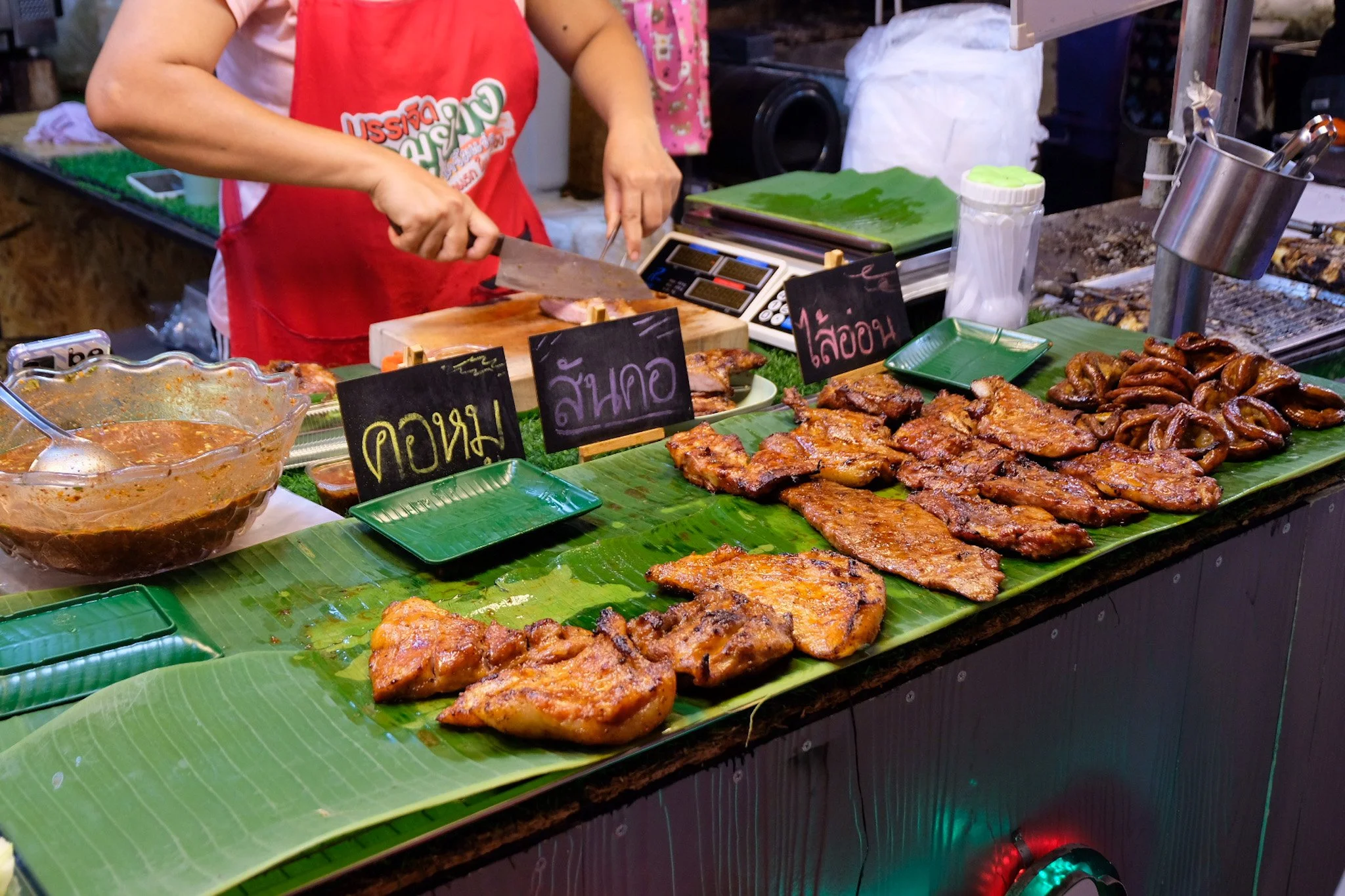
Thailand is renowned not only for its stunning landscapes, temples, and vibrant cities but also for its exceptional street food culture. For many travelers, Thai street food offers one of the most authentic, immersive, and mouthwatering experiences in the country. In every bustling market and on every lively street corner, vendors serve up a dazzling array of dishes that are as diverse as the country’s culture itself.
A street food tour in Thailand is more than just an opportunity to sample some of the world’s best flavors—it is a journey through Thailand’s history, traditions, and daily life. Whether you’re wandering through the labyrinthine alleyways of Bangkok, strolling along the busy streets of Chiang Mai, or exploring the night markets of Phuket, the experience of tasting fresh, vibrant dishes while engaging with local vendors and fellow food enthusiasts is an essential part of understanding the soul of Thailand.
In this article, we explore the allure of street food in Thailand, the cultural significance behind the dishes, and how participating in a street food tour can transform your travel experience. Get ready to discover why Thailand is a global street food capital and why a street food tour is a must-do for anyone visiting this remarkable country.
The Rich History and Culture of Thai Street Food
The Origins of Thai Street Food
Thai street food culture has deep roots in the country’s history and agriculture. Unlike the fine dining traditions of many countries, Thai street food was born out of the practical need to feed the population quickly and affordably. In Thailand’s rural regions, local farmers and artisans began creating simple, flavorful dishes from ingredients that were easily available in their surroundings. Over time, as urbanization took hold and cities like Bangkok expanded, street food vendors became an essential part of the cityscape.
By the early 20th century, Thailand’s growing middle class and bustling urban centers created a demand for quick, inexpensive food that could be enjoyed on the go. As people began spending more time outside of their homes, the street food market blossomed as a vibrant, community-centered space where people could socialize and enjoy meals together. Vendors offering everything from noodle soups to fried snacks became an integral part of the urban fabric, and the tradition continues to thrive today.
The Cultural Significance of Street Food
Street food in Thailand is much more than just a means of nourishment; it is a symbol of Thai culture. Thai street food reflects the nation’s love for balance, with dishes often combining the five essential flavors: sweet, sour, salty, bitter, and spicy. These flavors mirror the Thai philosophy of balance in all aspects of life, from the food people eat to the relationships they maintain.
Food is also central to Thai family life. Vendors often prepare dishes based on age-old recipes passed down through generations. Street food stalls are often run by families, with recipes and techniques that have been handed down for decades. A typical Thai street food tour offers a glimpse into these family traditions, where guests can learn from local vendors who have spent years perfecting their craft.
Street food markets also serve as social spaces. Thai people gather at these markets to enjoy meals together, discuss their day, and connect with neighbors. Street food is a community experience, where the boundaries between vendor and customer often blur, making it one of the most intimate ways to experience the everyday culture of Thailand.
The Essential Dishes You’ll Encounter on a Thai Street Food Tour
1. Pad Thai: Thailand’s Iconic Stir-Fried Noodles
When it comes to Thai street food, Pad Thai is arguably the most famous dish internationally. This stir-fried noodle dish is a delicate balance of sweet, sour, salty, and spicy flavors. Typically made with rice noodles, shrimp, tofu, or chicken, and flavored with tamarind, fish sauce, and lime, Pad Thai is served with crushed peanuts, bean sprouts, and a squeeze of lime for an extra burst of flavor.
Pad Thai is available at street food stalls across Thailand, from high-end restaurants to humble street vendors. Each vendor adds their own personal touch, with some using additional chili for heat or offering a variety of protein options.
2. Som Tum: The Thai Green Papaya Salad
One of the most refreshing dishes you’ll find on a Thai street food tour is Som Tum, the green papaya salad. This vibrant dish is made from shredded unripe papaya, which is pounded in a mortar and pestle with chili, garlic, lime, fish sauce, and palm sugar. Crushed peanuts and dried shrimp are often added for texture, and the salad is usually served with sticky rice or grilled chicken.
Som Tum is a great example of Thai cuisine’s ability to combine intense flavors. It’s sweet, sour, salty, and spicy all at once, and it’s beloved for its refreshing qualities, especially in Thailand’s hot climate.
3. Satay: Grilled Meat Skewers with Peanut Sauce
Satay is a popular Thai street food snack made of marinated meat (usually chicken, pork, or beef) that is skewered and grilled over an open flame. The skewers are often served with a rich peanut sauce and a side of cucumber relish. The combination of tender grilled meat and creamy peanut sauce makes for an irresistible bite.
Satay is commonly found at night markets, where vendors often offer a variety of grilled meats, making it easy to sample several different types. It’s the perfect snack for those looking for a savory treat between meals.
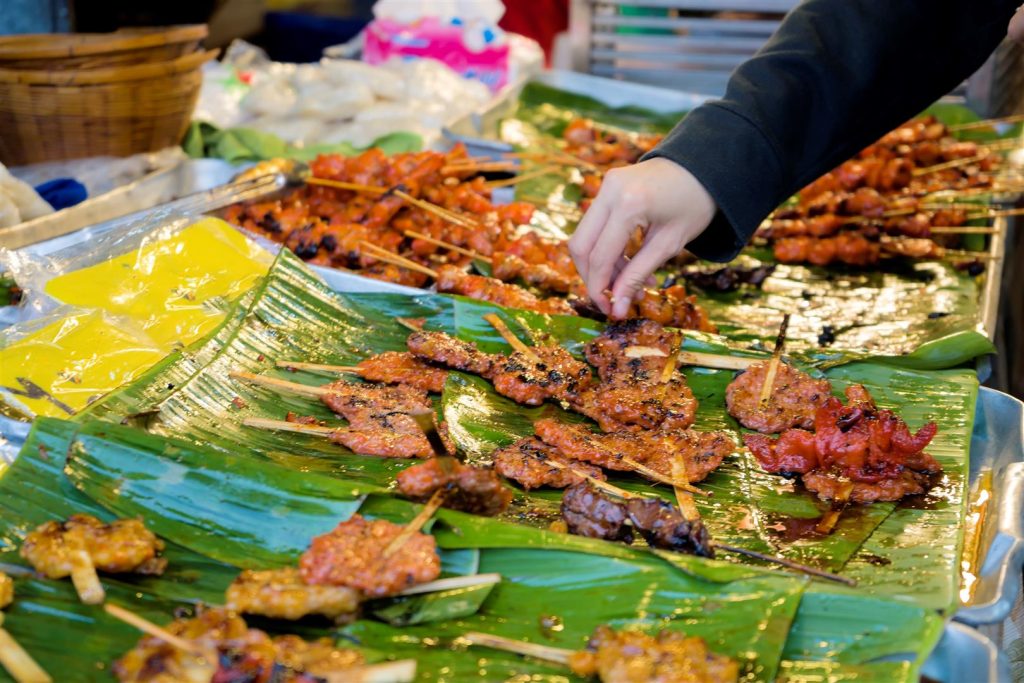
4. Moo Ping: Thai Grilled Pork Skewers
Another popular street food item is Moo Ping, which consists of marinated pork skewers grilled over charcoal. The pork is tender and flavorful, often seasoned with soy sauce, garlic, and coriander root, then glazed with a sweet palm sugar marinade. Served with sticky rice, Moo Ping is a comforting, flavorful street snack commonly enjoyed in the evening.
5. Khao Man Gai: Thai Chicken Rice
For a more substantial meal, Khao Man Gai (Thai chicken rice) is a popular option. This dish consists of poached chicken served with fragrant rice cooked in chicken fat, accompanied by a ginger-sesame dipping sauce and a bowl of chicken broth. Khao Man Gai is a comforting dish that is loved by locals and visitors alike for its simplicity and depth of flavor.
6. Khanom Krok: Thai Coconut Pancakes
For those with a sweet tooth, Khanom Krok is a must-try dessert. These small, crispy pancakes are made from coconut milk and rice flour, creating a soft, slightly sweet interior with a crispy edge. They are often topped with sweet corn, green onions, or other local ingredients. Khanom Krok is a delightful treat that you can find in many Thai street markets, particularly in the evening.
Why Participate in a Thai Street Food Tour?
1. Explore Hidden Culinary Gems
Participating in a street food tour gives you access to hidden culinary gems that might be hard to find on your own. Local guides often take you off the beaten path to discover lesser-known street food stalls that serve the most authentic and delicious dishes. These tours allow you to experience the city like a local and gain insight into the best food spots that might not appear in guidebooks or on mainstream tourist routes.
2. Learn About the History and Culture Behind Each Dish
A guided street food tour provides a deeper understanding of the cultural significance behind each dish. Guides often share stories about the origins of the recipes, the regional variations, and the techniques that have been passed down through generations. This adds a rich layer of context to your culinary experience, making the food even more meaningful.
3. Immerse Yourself in Local Life
Street food markets are not just about food—they are also a hub of local life. They are places where people come together to socialize, celebrate, and unwind. By participating in a food tour, you get to experience the buzz of these vibrant markets and engage with local vendors. It’s a fantastic way to immerse yourself in the daily life of Thailand.
4. Safe and Guided Exploration
Food tours provide the perfect opportunity to explore street food safely. While eating street food in Thailand is generally safe, local guides ensure that you are visiting hygienic and reputable food stalls, minimizing the risk of foodborne illness. They also help you navigate the vast array of choices, making it easier to know what to eat and where to find it.
Conclusion: A Journey Through Thai Flavors and Culture
Embarking on a street food tour in Thailand is an unforgettable experience that allows you to taste the essence of Thai culture. With its perfect blend of flavors, traditions, and community, Thai street food offers a window into the heart of this vibrant nation. Whether you’re exploring the bustling streets of Bangkok, wandering the night markets of Chiang Mai, or sampling savoring local snacks in Phuket, the food you try will be as much a part of your journey as the sights you see.
If you want to dive deep into Thai culture, there is no better way than through its street food. So, grab a seat, dig in, and let your taste buds guide you through an unforgettable culinary adventure in the heart of Thailand.