





Introduction
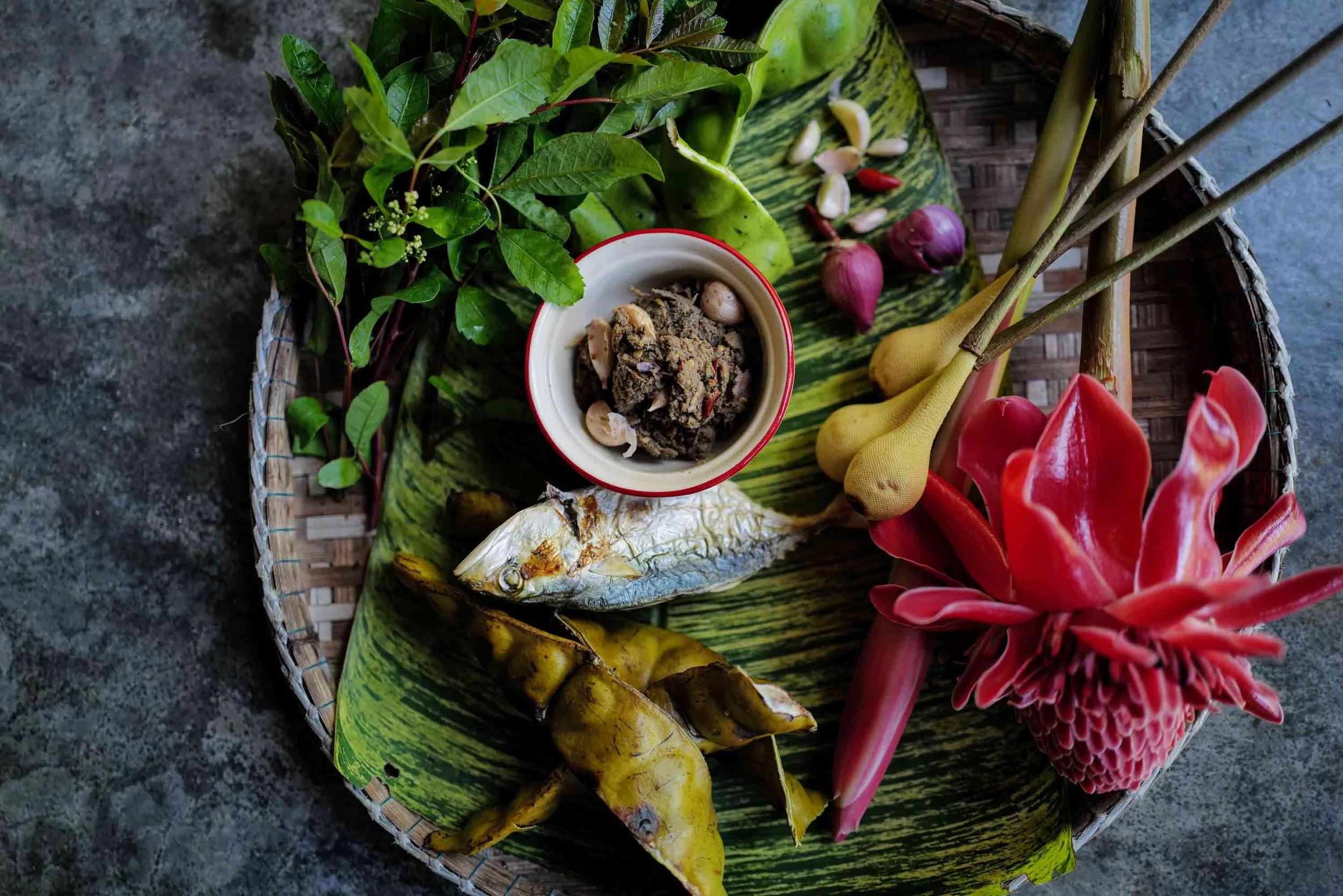
Thai cuisine is a complex tapestry of flavors, textures, and techniques that have been passed down through generations. Known for its harmonious blend of sweet, sour, salty, bitter, and spicy elements, Thai food is distinctive for its vibrant and bold flavors. The foundation of these flavors lies in a wide variety of spices and herbs, many of which have been used in Thailand’s culinary practices for centuries. Whether you are savoring a tangy som tum (papaya salad), a comforting bowl of tom yum (hot and sour soup), or a rich, aromatic green curry, the spices and herbs used are essential to crafting the complex flavors that make Thai food so unique.
This article explores the vital role of spices and herbs in Thai cooking, focusing on the most common ingredients used in traditional Thai dishes. We will also examine how these elements contribute to the overall balance of flavors, the health benefits they offer, and how Thai chefs and home cooks expertly combine these ingredients to create authentic and mouthwatering dishes.
The Foundation of Thai Flavors: An Introduction to Thai Spices and Herbs
The Role of Balance in Thai Cooking
At the heart of Thai cooking is the concept of balance, not just in terms of ingredients but also in the flavors they provide. The five fundamental flavors of Thai cuisine—sweet, sour, salty, bitter, and spicy—are all created through the careful use of spices and herbs. Thai chefs, whether in restaurants or home kitchens, excel at combining these elements to create well-rounded, deeply satisfying dishes.
For example, the balance of sour and spicy in tom yum soup comes from lemongrass, kaffir lime leaves, galangal, chili, and lime juice. Each of these ingredients has a distinct taste that contributes to the overall experience of the dish. Likewise, a green curry combines sweet coconut milk with the sharp heat of green chilies, the fragrant notes of basil, and the subtle bitterness of bitter melon or eggplant. The precision with which these spices and herbs are utilized is what elevates Thai food to an art form.
The Essential Spices and Herbs in Thai Cuisine
1. Lemongrass (Cymbopogon citratus)
Lemongrass is one of the most essential herbs in Thai cuisine, known for its fresh, citrusy flavor and aromatic qualities. It is used in both savory dishes and beverages and is a critical component in many soups, curries, and marinades. Its subtle lemony flavor adds brightness to dishes without overwhelming them. In tom yum and tom kha (coconut soup), lemongrass imparts a refreshing, herbal note that cuts through the richness of the coconut milk.
Lemongrass also plays a role in herbal medicine, often used to relieve digestive issues, reduce inflammation, and promote relaxation.
2. Kaffir Lime Leaves (Citrus hystrix)
Kaffir lime leaves are an iconic ingredient in Thai cooking, revered for their distinctive aroma and zesty flavor. Unlike regular lime, the leaves have an intense, sharp fragrance that can only be described as citrusy and floral. The leaves are typically added to soups like tom yum or green curry, and they are also used in stir-fries and marinades.
In addition to their culinary uses, kaffir lime leaves are believed to have antibacterial and antioxidant properties. They are also used in traditional Thai beauty products for their ability to brighten the skin.
3. Galangal (Alpinia galanga)
Galangal, a close relative of ginger, is a key ingredient in many Thai dishes. Its flavor is sharp, peppery, and slightly sweet, with a hint of citrus. Galangal is typically used in its fresh form, either sliced or crushed, to infuse broths, curries, and stir-fries. It is essential in dishes like tom kha (coconut soup) and green curry.
In traditional Thai medicine, galangal is used to treat digestive issues, inflammation, and cold-related ailments. It is also considered a natural pain reliever.
4. Thai Basil (Ocimum basilicum var. thyrsiflora)
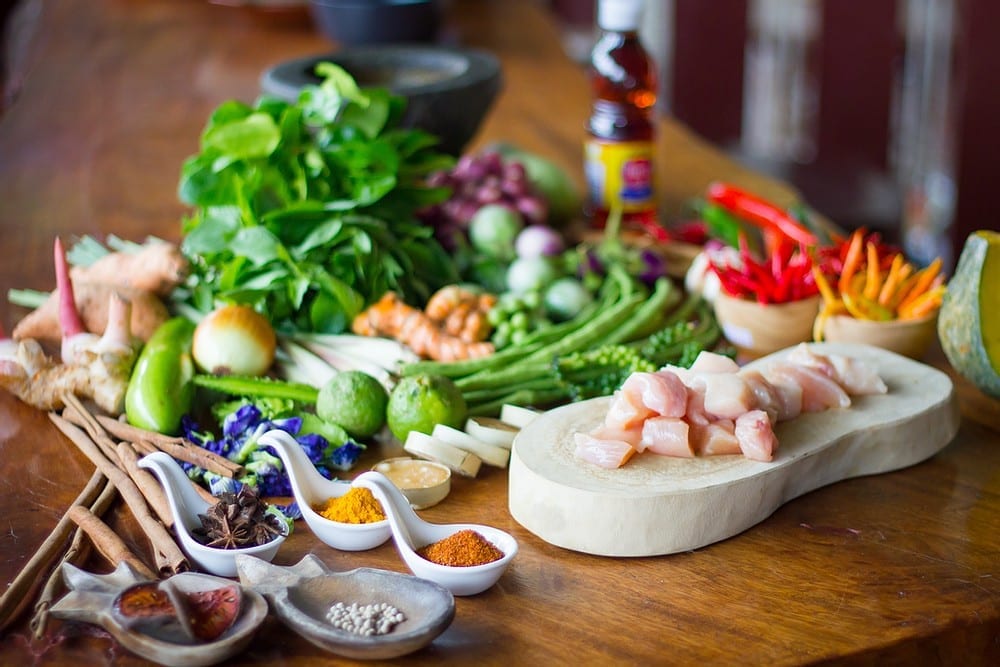
Thai basil, also known as horapha, is a variety of basil that has a distinct licorice-like flavor with a slightly spicy, peppery edge. It is commonly used in stir-fries like pad kra pao (stir-fried basil and chili with chicken or pork) and in curries. Thai basil is preferred over sweet basil for its robust flavor that holds up well in high-heat cooking.
Thai basil also has medicinal properties, including aiding digestion, reducing fever, and promoting relaxation.
5. Chili (Capsicum spp.)
Chilies are a fundamental part of Thai cuisine, providing the spicy heat that is characteristic of many dishes. Thai cuisine uses a variety of chili peppers, from bird’s eye chili to larger varieties like prik chi fa. The heat from these peppers is balanced by the sweet, sour, and salty components of the dish, creating the harmonious flavor profile that is so central to Thai cooking.
In addition to their flavor, chilies are known for their health benefits, including improving circulation, boosting metabolism, and providing anti-inflammatory effects.
How Thais Blend Spices and Herbs to Create Unique Dishes
1. Making Curry Pastes: The Heart of Thai Curries
One of the most distinctive aspects of Thai cooking is the use of freshly made curry pastes, which are typically prepared using a mortar and pestle. These pastes combine a variety of fresh spices and herbs to create deeply flavorful bases for curries. Common ingredients in curry pastes include chilies, galangal, lemongrass, garlic, shallots, kaffir lime leaves, and spices like coriander, cumin, and turmeric.
Each Thai curry has its own unique paste. For example:
- Green curry paste: Made with green chilies, lemongrass, kaffir lime leaves, garlic, and galangal, this paste is used in dishes like green curry with chicken or beef.
- Red curry paste: This paste, often spicier than the green curry paste, incorporates dried red chilies, shallots, lemongrass, and garlic.
- Massaman curry paste: A more complex curry, massaman features spices like cinnamon, cloves, and nutmeg, along with galangal and lemongrass.
These pastes form the backbone of Thai curries, which are simmered with coconut milk or stock, adding layers of flavor that are both rich and aromatic.
2. Balancing the Flavors: A Symphony of Ingredients
In Thai cooking, the use of spices and herbs is not only about adding heat but also about achieving balance. For instance, the sweet flavor in Thai food often comes from palm sugar, which is used to round out the sharpness of the chilies or the tartness of tamarind. Similarly, fish sauce (made from fermented fish) contributes the necessary saltiness, while the sourness comes from ingredients like lime, tamarind, or green mango.
The ability to harmonize spicy, sweet, sour, and salty components is what makes Thai dishes so complex and satisfying. Skilled chefs know how to balance these flavors to create dishes where no one element overpowers the others.
3. Health Benefits of Thai Spices and Herbs
Beyond their exceptional flavors, many of the herbs and spices used in Thai cooking have medicinal benefits. Thai cuisine is closely intertwined with traditional herbal medicine, and many ingredients used in everyday cooking are believed to have healing properties. Here are a few examples:
- Galangal: Known for its anti-inflammatory and digestive benefits.
- Lemongrass: Often used to promote relaxation and alleviate digestive problems.
- Turmeric: Used for its anti-inflammatory properties and to aid digestion.
- Thai Basil: Believed to have antibacterial and antioxidant properties.
- Chilies: Known to boost metabolism, reduce pain, and improve circulation.
The use of these ingredients in everyday cooking not only enhances the flavor of dishes but also contributes to the overall well-being of those who consume them.
Conclusion: The Art of Thai Flavor
Thai cuisine stands as a testament to the harmonious use of spices and herbs that create some of the most flavorful and complex dishes in the world. Whether you are savoring the heat of a spicy green curry, enjoying the refreshing flavors of a som tum salad, or sipping on the fragrant tom kha soup, each dish tells a story of tradition, culture, and balance.
For anyone seeking to truly understand the essence of Thai food, spices and herbs are the keys to unlocking its full depth. The careful selection and skillful blending of these ingredients are what make Thai cooking so rich, dynamic, and unforgettable. By exploring the use of these spices and herbs, we gain not only a deeper appreciation for the flavors of Thailand but also a closer connection to the country’s cultural heritage.