





Introduction
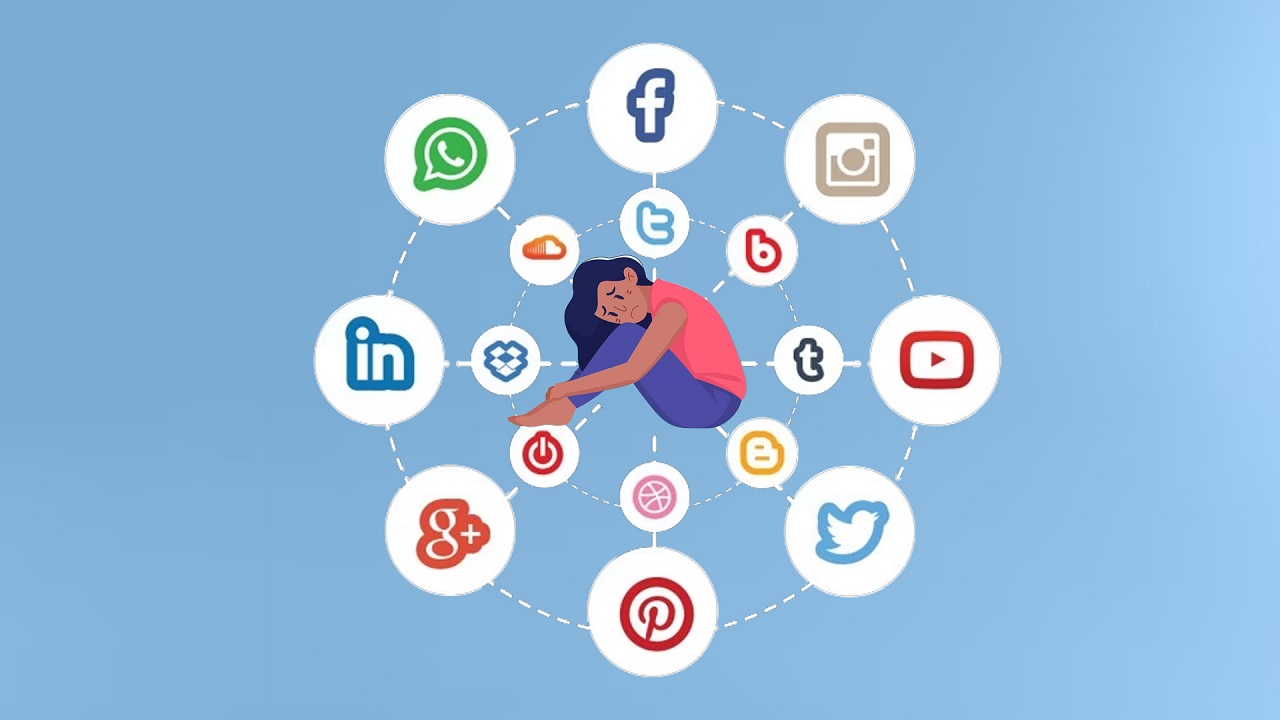
The rise of social media over the past two decades has revolutionized the way we communicate, interact, and consume information. From Facebook and Instagram to Twitter and TikTok, these platforms have reshaped the fabric of modern society, influencing everything from personal relationships to business strategies. With over 4.5 billion social media users worldwide, these platforms have become essential tools for communication, marketing, entertainment, and information sharing.
The influence of social media extends far beyond personal connections. Social media has become a powerful force in business marketing, political discourse, cultural movements, and global events. Through the proliferation of user-generated content, social influencers, and viral trends, social media has fundamentally changed how information is disseminated, how brands interact with consumers, and how public opinion is shaped.
This article explores the multifaceted impact of social media on various aspects of life, with a focus on its role in business, marketing, politics, and society. We will examine both the positive and negative consequences of social media’s influence, as well as the opportunities and challenges it presents for individuals and organizations.
The Growth of Social Media and Its Expanding Role
1. The Evolution of Social Media Platforms
The journey of social media began in the early 2000s with platforms like Friendster and MySpace, which were precursors to the social networking giants we know today. However, it was the launch of Facebook in 2004 that truly marked the beginning of the social media revolution. Over the years, platforms like Twitter, Instagram, Snapchat, and TikTok emerged, each introducing new features and ways for users to engage with one another.
Today, social media platforms serve a variety of functions:
- Connecting individuals with friends and family
- Building communities around shared interests or identities
- Promoting brands and businesses
- Influencing political discourse and social movements
- Entertainment and content sharing across different media
The rise of mobile technology and smartphones has further accelerated social media use, making it more accessible and interactive than ever before.
2. The Influence of Social Media on Personal Communication
Social media has dramatically altered the way we communicate. What began as a tool for connecting with friends has evolved into a primary means of interaction for billions of people worldwide. Instant messaging, video calls, comment sections, and live streaming have replaced many traditional forms of communication, making it easier than ever to stay in touch with others, regardless of geographic location.
Social media platforms have also created new opportunities for self-expression. Users can share their thoughts, experiences, and opinions with a global audience, whether through status updates, photos, or videos. This democratization of communication has empowered individuals to become their own content creators and media influencers, allowing them to reach millions of people with the click of a button.
Social Media’s Influence on Business and Marketing
1. A New Era of Digital Marketing
Social media has redefined how businesses market their products and services. Traditional advertising channels such as TV, radio, and print have given way to more targeted and cost-effective strategies on social media platforms. Businesses can now reach their audiences directly through sponsored posts, influencer marketing, social media ads, and content marketing.
1.1 The Power of Influencers
Social media influencers have become integral to modern marketing strategies. These individuals, often with large followings on platforms like Instagram and YouTube, have the ability to sway public opinion and influence purchasing decisions. Brands partner with influencers to promote their products through authentic, relatable content that resonates with their followers.
Influencers have become trusted voices in their respective niches, whether it’s beauty, fashion, fitness, or tech. Their recommendations can drive significant consumer behavior, often resulting in increased brand awareness and sales. In fact, 93% of marketers believe that influencer marketing is an effective strategy, making it one of the most sought-after forms of digital marketing.
1.2 Targeted Advertising and Personalization
One of the greatest advantages of social media in marketing is its ability to enable hyper-targeted advertising. Platforms like Facebook, Instagram, and LinkedIn collect massive amounts of user data, which allows advertisers to target specific demographics based on age, location, interests, and online behavior.
This level of personalization increases the relevance of advertisements, leading to higher engagement rates and improved return on investment (ROI). Additionally, the ability to track and measure performance in real-time means that marketers can adjust their campaigns quickly, maximizing their effectiveness.
2. Social Media as a Customer Service Tool
In addition to marketing, social media has become a key customer service channel. Consumers are increasingly using social media platforms to voice complaints, ask questions, or share feedback with brands. This has led businesses to establish customer support teams that monitor their social media accounts and respond to customer inquiries in a timely manner.
Companies like Delta Airlines, Nike, and Zappos have become known for their quick and helpful responses on social media, turning potential customer complaints into opportunities for brand loyalty. By engaging with customers directly on platforms like Twitter or Facebook, brands can humanize their image, demonstrate transparency, and resolve issues before they escalate.
Social Media’s Influence on Politics and Society
1. Social Media and Political Discourse
The influence of social media on political discourse has been a topic of increasing concern in recent years. Platforms like Twitter, Facebook, and YouTube have become primary sources of news and political discussion for millions of people. Politicians, government officials, and activists have embraced social media as a tool for engaging with voters, mobilizing supporters, and promoting their agendas.
However, social media’s influence on politics is a double-edged sword. While it has made political discourse more accessible and inclusive, it has also contributed to the spread of misinformation and polarization. False information, conspiracy theories, and biased content can quickly go viral, creating a distorted narrative that shapes public opinion. In extreme cases, social media has been blamed for influencing the outcomes of major political events, such as the 2016 U.S. presidential election and Brexit.
1.1 The Role of Social Media in Activism
Social media has also played a crucial role in social justice movements. Platforms like Twitter and Instagram have been used to raise awareness about causes like Black Lives Matter, #MeToo, and climate change. Activists have used social media to organize protests, share information, and amplify marginalized voices.
These platforms have created new opportunities for grassroots organizing, allowing individuals to mobilize support for causes that might otherwise have gone unnoticed. The power of social media in activism lies in its ability to create viral campaigns that reach millions of people worldwide, spurring global movements.
2. Social Media’s Impact on Mental Health and Well-Being
While social media offers countless benefits, it also has a darker side, particularly when it comes to its effects on mental health. The constant exposure to idealized images of beauty, wealth, and success on platforms like Instagram can lead to feelings of inadequacy, jealousy, and low self-esteem, particularly among younger users.
Additionally, the addictive nature of social media can contribute to feelings of isolation, anxiety, and depression. Studies have shown that excessive use of social media can lead to a decrease in face-to-face interactions, which are crucial for mental well-being. The phenomenon of social comparison, where individuals measure their lives against the curated profiles of others, can exacerbate feelings of loneliness and discontent.
3. Privacy and Data Security Concerns
Another significant issue surrounding social media is the matter of privacy and data security. Platforms like Facebook and Google collect vast amounts of personal data, often without users fully understanding how their information is being used. The Cambridge Analytica scandal in 2018 highlighted the risks of data misuse and the potential for privacy violations in the digital age.
As social media companies continue to collect more data to personalize experiences and target ads, the need for stronger data protection regulations has become increasingly urgent. Users are becoming more aware of the risks associated with sharing personal information online, leading to increased demand for transparency and control over their data.
The Future of Social Media: Opportunities and Challenges
1. The Role of Artificial Intelligence in Social Media
As social media platforms evolve, artificial intelligence (AI) is playing an increasingly prominent role in shaping user experiences. AI is being used to personalize content, curate news feeds, and automate customer service interactions. Chatbots, powered by AI, are now commonplace in handling customer inquiries on social media platforms, allowing businesses to respond to user queries 24/7.
In the future, AI may also play a crucial role in combatting misinformation by detecting and flagging false content before it goes viral. However, the use of AI in social media also raises ethical concerns about privacy, bias, and the control of information.
2. The Evolution of Social Media Platforms
As we look to the future, the evolution of social media platforms will likely continue to emphasize interactive and immersive experiences. Platforms like TikTok have already introduced short-form video content as a primary mode of communication, and we can expect other platforms to adopt similar features. Additionally, the rise of virtual reality (VR) and augmented reality (AR) may revolutionize how users interact with content and engage with brands.
As new platforms emerge, businesses will need to stay agile and adapt their strategies to reach users on the platforms they frequent most.
Conclusion
Social media has undeniably transformed the way we communicate, consume information, and interact with the world around us. Its influence on business, politics, society, and personal lives is profound and ever-growing. While social media has opened up new opportunities for engagement, marketing, and social change, it also comes with significant challenges, including privacy concerns, mental health risks, and the spread of misinformation.
As we move forward, it is crucial to understand both the positive and negative effects of social media and to use it responsibly. By harnessing its power for good—whether in promoting business, supporting activism, or fostering global dialogue—we can ensure that social media remains a force for positive change in the digital age.