




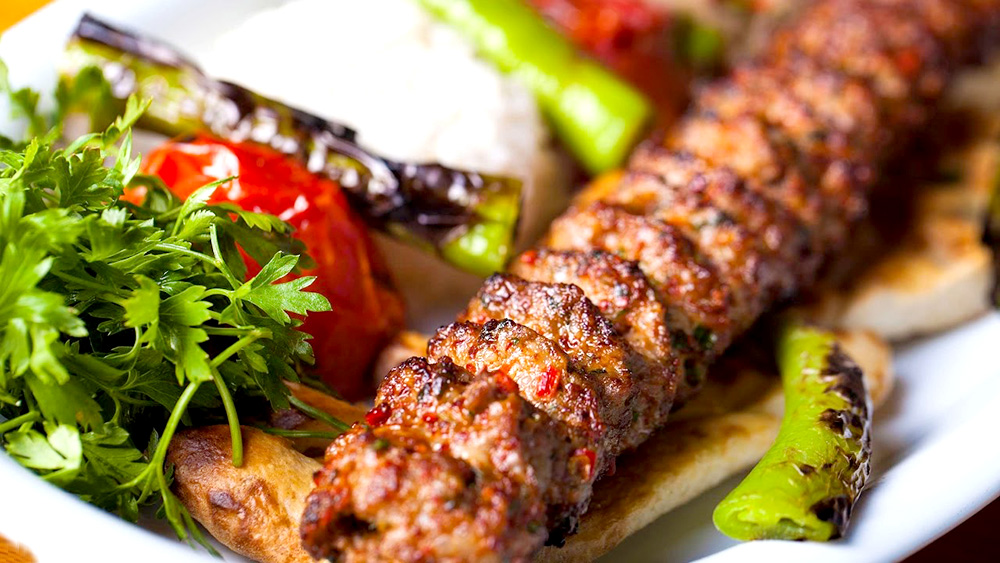

Turkey’s culinary legacy is as rich and diverse as its history, with Turkish kebabs standing as one of the most iconic and beloved aspects of this culinary heritage. Whether enjoyed in the bustling streets of Istanbul, at a seaside restaurant along the Mediterranean, or in the warmth of a family home, kebabs represent the essence of Turkish cooking: a perfect balance of fresh ingredients, bold spices, and a deep respect for time-honored techniques. This article will take an in-depth look at Turkish kebabs, exploring their origins, types, preparation methods, cultural significance, and global influence.
The Origins of Turkish Kebab
The history of kebabs dates back to the early days of the Ottoman Empire, although their roots can be traced even further to Central Asia. The term “kebab” is derived from the Arabic word “kabāb,” which means “roasted meat.” Early versions of kebabs were simple skewers of meat cooked over an open flame, a practice that was commonplace in ancient nomadic societies. As the Ottoman Empire expanded, it absorbed culinary influences from a wide array of regions, including the Middle East, the Balkans, and Central Asia, transforming kebabs into a diverse and integral part of Turkish cuisine.
While kebabs were initially associated with grilled meat over open flames, they gradually evolved into a broader category that includes various cooking techniques, from roasting and grilling to simmering and braising. The introduction of spices, marinades, and regional variations has only enriched the flavor profiles of Turkish kebabs, making them a cornerstone of Turkish gastronomy.
Types of Turkish Kebabs
Turkey boasts an impressive variety of kebabs, each with unique regional variations, flavor profiles, and cooking methods. The diversity of Turkish kebabs reflects the vast cultural and geographic influences that have shaped the nation’s cuisine over the centuries. Some of the most well-known types of Turkish kebabs include:
1. Şiş Kebab (Shish Kebab)
One of the most popular and widely recognized kebabs both within Turkey and abroad, Şiş Kebab involves skewering pieces of marinated meat, typically lamb, beef, or chicken, and grilling them over an open flame. The meat is marinated with a blend of olive oil, lemon juice, garlic, onions, and spices like cumin, paprika, and black pepper, resulting in tender, flavorful morsels that are a perfect balance of smoky and savory. The skewers are usually served with grilled vegetables, such as tomatoes, peppers, and onions, and accompanied by warm flatbreads or rice.
2. Adana Kebab
Named after the southern Turkish city of Adana, Adana Kebab is a spicy, minced meat kebab traditionally made with lamb, although beef can also be used. The meat is mixed with finely chopped onions, garlic, and an array of spices, including red pepper flakes, cumin, and paprika, before being skewered and grilled over charcoal. This kebab is known for its bold, fiery flavor, often served with a side of pilaf, vegetables, and a tangy yogurt-based sauce.
The Adana Kebab is notable for its texture, which is denser than that of traditional shish kebabs due to the finely ground nature of the meat. The kebab’s signature characteristic is its spicy kick, which has earned it a place as a favorite among those who enjoy bold, robust flavors.
3. Döner Kebab
Perhaps the most famous Turkish kebab worldwide, Döner Kebab is made by stacking layers of seasoned lamb, beef, or chicken on a vertical rotisserie. The meat is slowly cooked as it turns on the spit, and thin slices are shaved off the exterior to serve. The meat is often marinated with a mix of yogurt, spices, and olive oil to create a rich and tender flavor. Döner is typically served as a sandwich in a pita or flatbread, accompanied by fresh vegetables like lettuce, tomato, onions, and a variety of sauces, such as yogurt-based or spicy chili sauce.
Döner’s popularity has spread far beyond Turkey, becoming a favorite fast food in many parts of the world. The concept of the rotisserie-cooked meat has been adopted and adapted in numerous countries, making it one of the most recognized forms of Turkish cuisine globally.
4. Iskender Kebab
Originating from the city of Bursa, Iskender Kebab is a variation of döner that is served with a unique twist. The kebab is made from thin slices of döner meat that are placed on a bed of sliced pide bread, then drenched with hot tomato sauce and melted butter. The dish is traditionally served with a side of yogurt, which adds a cool and creamy contrast to the spicy, savory meat. The combination of crispy, tender meat with the richness of the sauce and the softness of the bread makes Iskender Kebab an unforgettable dining experience.
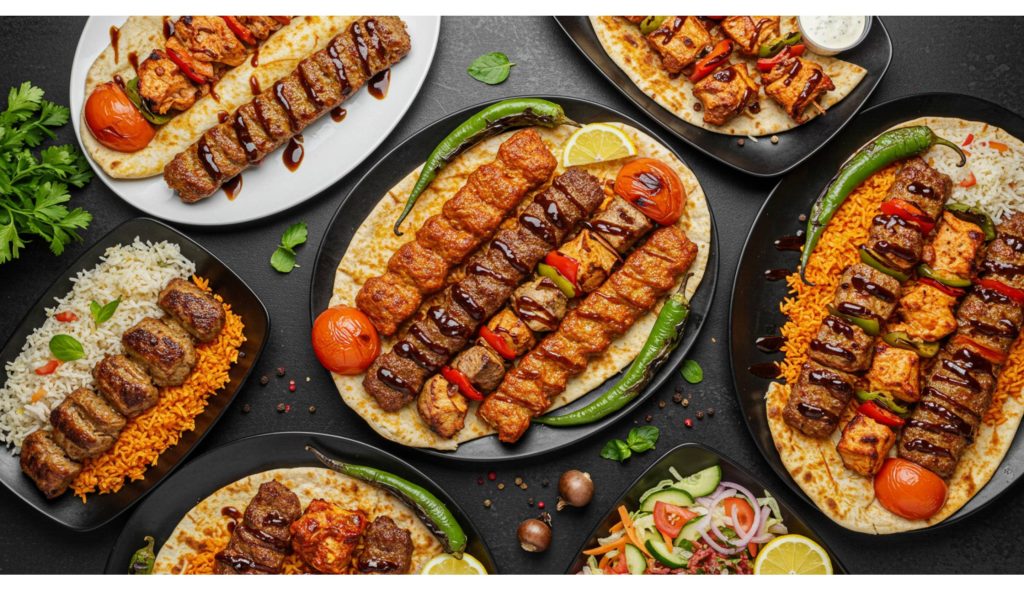
5. Köfte Kebab
Köfte, or meatballs, are another popular type of kebab in Turkey. The meat, usually lamb or beef, is mixed with breadcrumbs, onions, garlic, and a variety of spices before being shaped into small balls or patties and grilled on skewers. Köfte is often served with rice, grilled vegetables, or in a sandwich with fresh bread. The beauty of köfte lies in its simplicity, allowing the natural flavors of the meat and spices to shine through.
There are regional variations of köfte throughout Turkey, with different cities and towns offering their own twist on the traditional recipe. For example, İzmir Köfte includes the addition of spices like cinnamon and allspice, giving it a distinctive flavor compared to the more standard köfte found in other regions.
6. Beyti Kebab
Named after the famous Turkish restaurant Beyti, Beyti Kebab is a combination of minced lamb or beef wrapped in a layer of flatbread and grilled to perfection. The kebab is then sliced and served with tomato sauce and a side of yogurt. This dish is often seen as a more sophisticated take on traditional kebabs, with its elegant presentation and delicate balance of flavors.
The Art of Preparing Turkish Kebab
The preparation of Turkish kebabs is an art that involves both skill and passion. While the specific ingredients and techniques may vary by region, several essential elements contribute to the perfect kebab.
1. Choosing the Right Meat
The meat used in Turkish kebabs is crucial to the flavor and texture of the final dish. Traditionally, lamb is the most common choice for kebabs, as it has a natural tenderness and rich flavor that enhances the taste when grilled. However, beef and chicken are also commonly used in kebab preparations, with each offering a distinct flavor profile.
The quality of the meat is paramount. Only the freshest cuts are chosen for kebabs, and the meat is often marinated to ensure tenderness and to allow the spices to fully infuse. The fat content of the meat is also important; a slight amount of fat is needed to ensure juiciness and flavor during grilling.
2. The Marinade
Marinating the meat is a vital step in the preparation of kebabs. The marinade typically consists of yogurt, olive oil, lemon juice, garlic, and an assortment of spices. The yogurt helps to tenderize the meat, while the olive oil provides richness and moisture. Spices like cumin, paprika, and black pepper are used to infuse the meat with flavor, while lemon juice adds a tangy freshness that balances the richness of the meat.
The marinating process is usually done for several hours or even overnight, allowing the flavors to penetrate the meat and ensure a tender, juicy texture.
3. Grilling Techniques
The grilling process is where the magic happens. Traditional Turkish kebabs are cooked over charcoal, which imparts a smoky flavor that complements the meat and spices. The kebabs are carefully turned and monitored to ensure even cooking and to avoid overcooking, which can dry out the meat.
In some cases, the kebabs are grilled with vegetables such as onions, tomatoes, and peppers, which add additional layers of flavor and texture to the dish. The vegetables are often basted with olive oil or butter, helping them to caramelize and develop a rich, savory taste.
4. Serving and Presentation
Turkish kebabs are often served with an array of accompaniments that enhance the overall dining experience. Pide, a type of Turkish flatbread, is a common accompaniment, acting as a perfect vessel to soak up the juices from the meat. Rice pilaf, grilled vegetables, and a dollop of yogurt are also standard sides, with the creamy yogurt helping to balance the heat and spices of the kebabs.
In addition, Turkish kebabs are often garnished with fresh herbs like parsley and mint, adding a touch of color and a burst of freshness to the dish.
The Cultural Significance of Turkish Kebabs
Kebabs are not just food in Turkey—they are a symbol of hospitality, tradition, and cultural pride. They are often enjoyed during celebrations, festivals, and family gatherings. In Turkish culture, preparing kebabs is an act of communal bonding, with family members and friends coming together to share in the process of grilling and eating.
Moreover, kebabs have become synonymous with Turkish street food culture. In cities like Istanbul, you can find vendors serving freshly grilled kebabs from food carts, offering locals and tourists alike a delicious, quick meal. The simplicity and versatility of kebabs make them a beloved food not only in Turkey but also in many countries across the world, from the Balkans to the Middle East and beyond.
The Global Influence of Turkish Kebabs
Over time, Turkish kebabs have spread across the world, becoming a global phenomenon. Döner kebab, in particular, has become a staple in many countries, especially in Europe, where it is often served as a fast-food option. In Germany, for example, the döner has been embraced as a national favorite, with countless döner shops dotting cities across the country.
Similarly, shish kebabs and other variations of Turkish kebabs have been embraced by international food cultures, inspiring countless restaurants and chefs to incorporate them into their menus. The simplicity, flavor, and versatility of kebabs have ensured their place in the global culinary scene.
Conclusion
Turkish kebabs are much more than just a meal—they are a culinary tradition that reflects the history, culture, and artistry of Turkey itself. Whether enjoyed in a small village, at a family gathering, or at a street-side stall, kebabs continue to bring people together, transcending borders and time. The craft of creating the perfect kebab—selecting the right meat, marinating it with care, and grilling it to perfection—embodies the essence of Turkish cuisine: a harmonious balance of flavors, textures, and traditions. Through every bite, one can experience the legacy of the Ottoman Empire, the influence of Central Asia, and the enduring spirit of Turkish hospitality.