




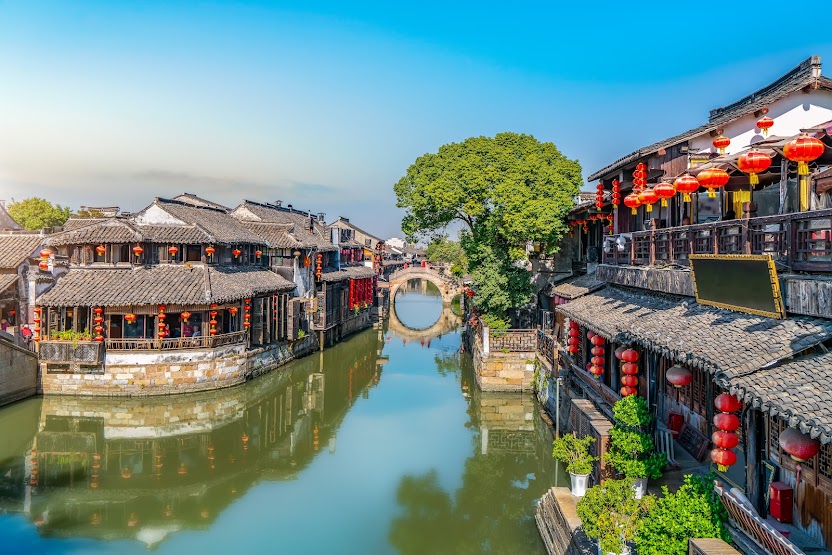

China is a vast and culturally diverse nation, home to 56 officially recognized ethnic groups, each with their own unique languages, traditions, and customs. While the majority of the population is Han Chinese, the 55 ethnic minorities contribute to a rich tapestry of cultural heritage, which is particularly evident in the rural villages scattered across the country’s mountainous regions, remote areas, and southwestern provinces. These minority villages are not merely places to live; they are vibrant hubs of history, identity, and tradition, where centuries-old customs are preserved and passed down through generations.
This article delves into the lives, traditions, and practices of China’s ethnic minority villages, exploring their cultural significance, daily life, handicrafts, festivals, and the challenges they face in the modern era. By focusing on key minority groups such as the Zhuang, Miao, Uighur, Tibetan, and Yi, we gain insight into the diverse cultures that define China’s ethnic mosaic.
The Diversity of Ethnic Minority Villages in China
China is home to over 1.4 billion people, and among them are more than 120 million individuals belonging to one of the country’s 55 ethnic minorities. These groups are spread across different geographic regions, each offering a distinct set of cultural practices and lifestyle choices. From the high plateaus of Tibet to the lush mountains of Yunnan and Guizhou, ethnic minority villages offer a glimpse into the varied ways in which these groups live in harmony with their environment and preserve their heritage.
1. Zhuang Minority: The Largest Ethnic Group in Southern China
The Zhuang people, who primarily inhabit the Guangxi Zhuang Autonomous Region in southern China, are the largest minority group in China, with a population of over 16 million. Zhuang villages are characterized by picturesque landscapes, with terraced rice fields that stretch across hillsides and wooden houses that blend seamlessly into the natural environment.
The Zhuang people have their own language, which is a member of the Tai language family, and their culture is deeply influenced by the natural world. Traditional Zhuang architecture is notable for its wooden houses built on stilts, designed to provide ventilation during the hot and humid summers. The homes are typically surrounded by lush greenery, creating a peaceful and idyllic setting that allows for a connection with nature.
In Zhuang villages, rice cultivation is a central part of daily life. The Zhuang people practice a method of rice farming known as “slash-and-burn,” which has been used for centuries. This method is sustainable, allowing the land to rest and regenerate between harvests. The Zhuang also engage in weaving, creating beautiful textiles with intricate patterns that reflect the natural world around them. The village is a communal space where everyone works together, sharing resources and responsibilities.
2. Miao Minority: Celebrating Life Through Festivals and Crafts
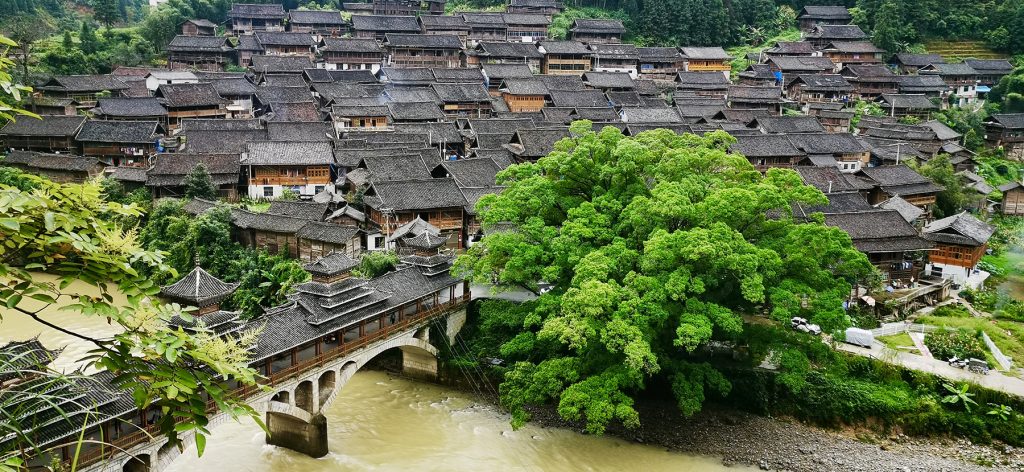
The Miao people, who live predominantly in the provinces of Guizhou, Yunnan, Sichuan, and Hunan, are known for their vibrant festivals, intricate silver jewelry, and stunning embroidery. Miao villages are typically located in remote mountain areas, where the people live in harmony with nature. Miao architecture is distinguished by its wooden houses, often adorned with intricate carvings and decorations.
The Miao people are best known for their festivals, particularly the Miao New Year and the Sister’s Meal Festival. These festivals are a celebration of life, love, and community, with elaborate dances, music, and food sharing. The Sister’s Meal Festival is particularly special, as it is centered around the exchange of food and gifts between young men and women, symbolizing the bonds of friendship and potential romantic relationships.
Miao women are also renowned for their textile and silverwork. Miao embroidery is intricate and colorful, often depicting animals, flowers, and symbols of nature. Silver jewelry, including intricate headdresses, necklaces, and bracelets, plays an important role in Miao culture, worn during festivals and as a symbol of wealth and status.
3. Uighur Minority: The Cultural Heart of Xinjiang
The Uighur people, who primarily reside in the Xinjiang Uighur Autonomous Region in the far northwest of China, have a culture influenced by both Central Asian and Chinese traditions. Uighur villages are often found in the fertile valleys of Xinjiang, where agriculture is the main livelihood, with crops such as cotton, wheat, and fruits like grapes and melons being staples of their diet.
The Uighurs are a Turkic-speaking Muslim ethnic group, and their culture is heavily influenced by Islam. In Uighur villages, the central feature is often the mosque, which serves as both a religious and community center. The architecture of Uighur villages often includes flat-roofed houses made of mud bricks, designed to keep the homes cool in the hot desert climate.
Uighur cuisine is a key aspect of their culture, with dishes like pilaf (a rice dish cooked with lamb, carrots, and raisins) and laghman (hand-pulled noodles with vegetables and meat) being central to Uighur food traditions. These dishes reflect the blend of Central Asian and Chinese influences, incorporating spices and cooking methods that have been passed down through generations.
Uighur music and dance are also integral to the cultural life of these villages. Traditional Muqam music, a form of folk music that combines poetry, storytelling, and instrumental melodies, is a cherished art form. Uighur dance, often performed during celebrations, is energetic and expressive, telling stories of love, hardship, and the natural world.
4. Tibetan Minority: A Spiritual Life in the Himalayas
The Tibetan people, who reside mainly in the Tibet Autonomous Region and parts of Qinghai, Sichuan, Gansu, and Yunnan, lead a life deeply connected to both their environment and their spiritual beliefs. Tibetan villages are often located at high altitudes, with homes built from stone and wood to withstand the harsh climate. The landscape is rugged and stunning, with the snow-capped peaks of the Himalayas serving as a majestic backdrop.
Tibetan culture is heavily influenced by Tibetan Buddhism, and monasteries are central to village life. The Tibetan people practice a unique form of Buddhism that emphasizes compassion, meditation, and rituals. Pilgrims often visit sacred sites and temples, and it is common for Tibetan villages to have shrines or prayer wheels where villagers gather to pray and seek blessings.
Tibetan crafts, particularly thangka painting (a type of traditional Tibetan art that features religious themes) and carpet weaving, are renowned for their intricate designs and vibrant colors. The Tibetan people also engage in yak herding, with yak products being essential to their daily life. Yak wool is used for clothing and textiles, while yak milk is made into butter, which is a key ingredient in Tibetan butter tea.
5. Yi Minority: A Unique Blend of Tradition and Modernity
The Yi people, living predominantly in the provinces of Sichuan, Yunnan, Guizhou, and Guangxi, have a long history of agricultural life and are known for their distinctive clothing, particularly the colorful costumes worn by Yi women. Yi villages are often located in the hilly regions of southwestern China, where they practice farming, with maize, wheat, and rice being staple crops.
Yi culture is rich in traditions, with a unique system of writing and an oral tradition of epic poetry that tells the stories of their ancestors and heroes. Yi villages are also home to elaborate festivals, such as the Torch Festival, which is celebrated during the summer and involves large bonfires, music, dancing, and a sense of community togetherness.
The Yi people are skilled in textile arts, particularly in the weaving of batik fabrics. The Yi use intricate dyeing techniques to create colorful patterns that have symbolic meanings, representing their deep connection to nature and spirituality. The Yi also practice traditional medicine, using herbal remedies and acupuncture techniques that have been passed down through generations.
Daily Life in Ethnic Minority Villages
The daily life in China’s ethnic minority villages is deeply intertwined with nature and traditional practices. While modern conveniences such as electricity, transportation, and telecommunications have begun to make their way into rural areas, many villages remain isolated and continue to live according to the rhythms of the land.
Agriculture and Livelihoods
Agriculture remains the primary livelihood for many ethnic minority communities in China. In mountainous areas, the use of terraced fields is a common practice, particularly among the Zhuang and Miao. Rice, maize, wheat, and vegetables are grown, with the natural landscape dictating the types of crops that can be cultivated. Animal husbandry is also common, with sheep, goats, yaks, and cattle being raised for milk, meat, and wool.
Craftsmanship and Traditions
Handicrafts play an important role in the daily life of many ethnic minority villages. Whether it is the silver jewelry of the Miao, the thangka paintings of the Tibetans, or the textiles of the Yi, craftsmanship is a way for villagers to express their identity and preserve their cultural heritage. Many of these crafts are also passed down through generations, with children learning the skills of their parents and grandparents from a young age.
Family and Community
Family is at the heart of life in ethnic minority villages, and the sense of community is strong. In many villages, extended families live together in close quarters, with multiple generations sharing a single home or compound. Social ties are important, and it is common for neighbors to help one another with tasks such as farming, weaving, and cooking. Festivals and religious ceremonies are also times when communities come together to celebrate, reinforce social bonds, and pass on traditions.
Challenges Facing Ethnic Minority Villages
While China’s ethnic minority villages remain strong in their cultural heritage, they also face significant challenges. Economic development, modernization, and the pressures of globalization are transforming the traditional ways of life. Many villages are experiencing population decline as younger generations move to cities in search of better education and job opportunities. This migration threatens to erode some of the unique cultural practices that define these communities.
Additionally, issues such as land erosion, climate change, and limited access to healthcare and education continue to affect many rural areas, making it difficult for these villages to thrive.
Conclusion
China’s ethnic minority villages are a treasure trove of cultural diversity, offering a glimpse into the traditions, lifestyles, and practices of people who have lived in harmony with their surroundings for centuries. Despite the challenges they face, these communities continue to preserve their unique identities, passing down ancient knowledge and customs to future generations. The richness of these cultures is not only a testament to the resilience of China’s ethnic minorities but also a reminder of the importance of cultural preservation in an increasingly globalized world. By understanding and appreciating the lives of the people in these villages, we gain a deeper respect for the diversity that makes China a truly remarkable nation.