




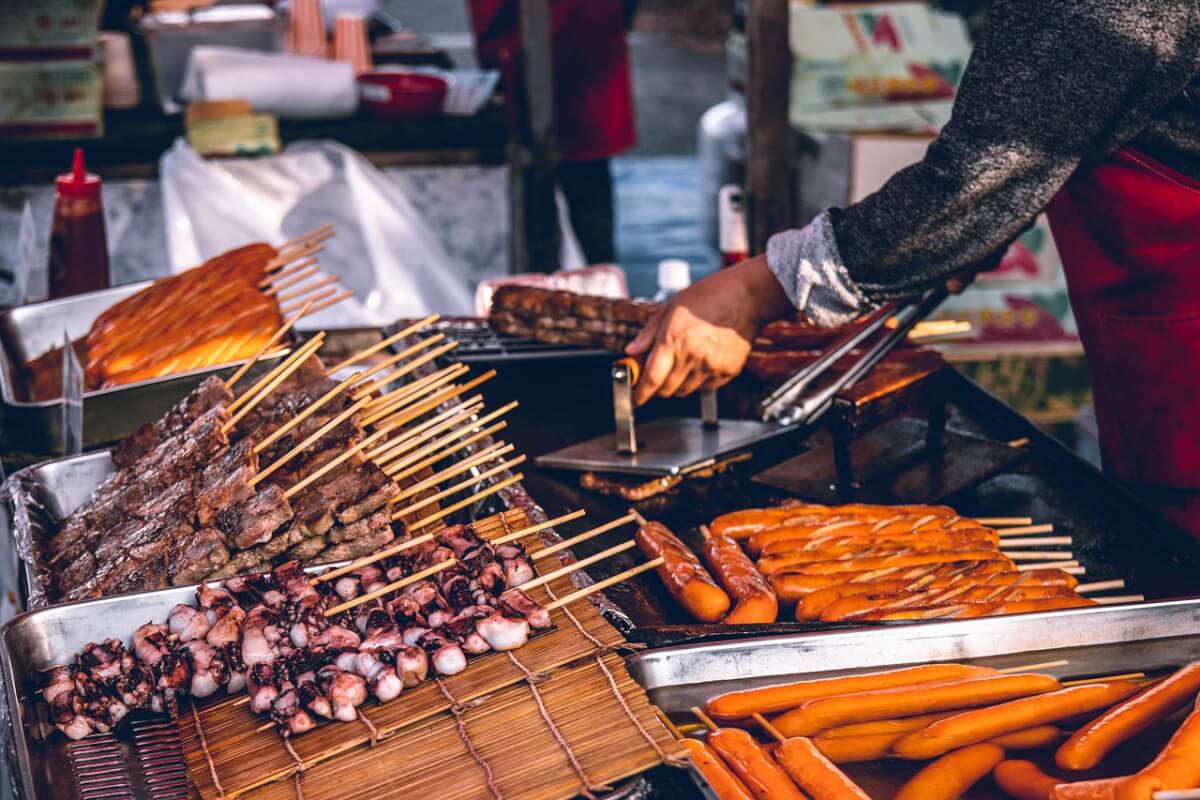

In recent years, food has become a central focus for travelers around the world. As people seek to explore new cultures, one of the best ways to truly understand a destination is through its food. While fine dining restaurants and upscale cafes often provide a curated experience, street food stalls and local markets have emerged as the prime locations for finding authentic culinary experiences. These humble, bustling corners of cities offer an immersive and genuine taste of local life, culture, and history, providing travelers with some of the most memorable food encounters.
Street food stalls, food trucks, and local markets are the heartbeat of culinary culture in many cities, especially in Asia, Africa, South America, and the Middle East. These areas not only offer cheap and delicious food, but they also provide a rich tapestry of sights, sounds, and smells that reflect the essence of a city. Whether you’re in Bangkok enjoying a plate of pad Thai, wandering the streets of Mexico City for tacos al pastor, or exploring the bustling markets of Marrakech for fresh olives and tagine, the experience of eating street food is one that connects travelers with the true flavors of a place.
This article will explore the rise of street food stalls and local markets as the go-to destinations for authentic culinary experiences. We will examine the appeal of street food, the reasons behind its increasing popularity, and the cultural, social, and economic impacts these food hubs have on their cities. Additionally, we will provide insight into how travelers can make the most of their street food journeys to uncover the true essence of a destination.
The Growing Popularity of Street Food and Local Markets
Street food has been an integral part of local food culture for centuries, but it has recently surged in popularity among tourists and food enthusiasts alike. Several factors contribute to the growing attraction of these authentic food experiences:
1. Authenticity and Local Flavor
One of the primary reasons travelers seek out street food is its authenticity. Unlike the fine dining establishments, which often cater to international tastes and trends, street food stalls are deeply tied to the local culture. They serve traditional dishes that have been passed down through generations, made from fresh, regional ingredients, and often prepared right in front of the customer. For example, a roti vendor in India might serve freshly made flatbread, while a grilled fish stall in Vietnam may use locally caught seafood, all seasoned with native herbs and spices.
When you eat at a street food stall or market, you are experiencing food that is deeply rooted in the history and traditions of the place. Street food vendors often serve their food the way it has been served for centuries, providing travelers with an unfiltered, unmodified taste of local cuisine.
2. Affordability
Street food is typically more affordable than dining at sit-down restaurants. Travelers can indulge in a wide variety of foods without breaking the bank. This affordability makes it especially appealing to budget-conscious travelers who want to experience the local cuisine but are limited by a tight budget. Local markets and street food stalls offer inexpensive meals without sacrificing taste or quality. This is particularly important in countries where dining out at restaurants can be expensive for visitors, while local street food offers an affordable alternative.
3. Diversity of Flavors
Street food offers a diverse range of options, from hearty meat-based dishes to vegetarian delights, seafood, and desserts. The wide variety allows travelers to try a range of flavors, textures, and ingredients within a short time frame. Whether you are craving spicy, savory, or sweet, there is always something to suit every palate. For example, in Turkey, you can try a mix of sweet and savory foods like baklava and kebabs, while in Peru, ceviche and anticuchos offer the best of both worlds.
Additionally, the combination of different cooking techniques—grilling, steaming, frying, and fermenting—provides a sensory feast for visitors. The diverse offerings mean you can explore a variety of regional dishes, each with its own unique twist, reflecting the local flavors and culinary traditions of the city.
4. Cultural Immersion
Eating at local markets and food stalls isn’t just about the food; it’s also about the experience. These vibrant settings provide an opportunity to engage with the local community, observe the hustle and bustle of daily life, and witness the cultural fabric of the city in action. Whether you’re shopping for spices in Marrakech, watching a street artist perform while you eat, or chatting with a local vendor in Bangkok, street food stalls provide a unique cultural connection that formal restaurants often cannot match.
By visiting street food stalls and local markets, travelers not only taste the food but also experience the lifestyle of the locals. This type of travel allows you to connect with a place on a deeper level, fostering greater appreciation for its culture and people.
5. Street Food and Social Interaction
Street food markets are often social hubs where people gather, share meals, and engage in conversation. This communal aspect of street food adds to its charm and appeal. Eating in a food market allows travelers to observe how locals eat, interact with their families, and share stories with friends. In some places, food vendors also offer their specialties to people standing in line, which encourages conversations among strangers and fosters a sense of camaraderie.
For example, the hawker centers in Singapore are not only known for their diverse food offerings but also for their role in bringing together different communities to socialize and enjoy meals. This social atmosphere is often missing from more commercialized dining experiences, where restaurants are focused on delivering meals rather than creating a communal environment.
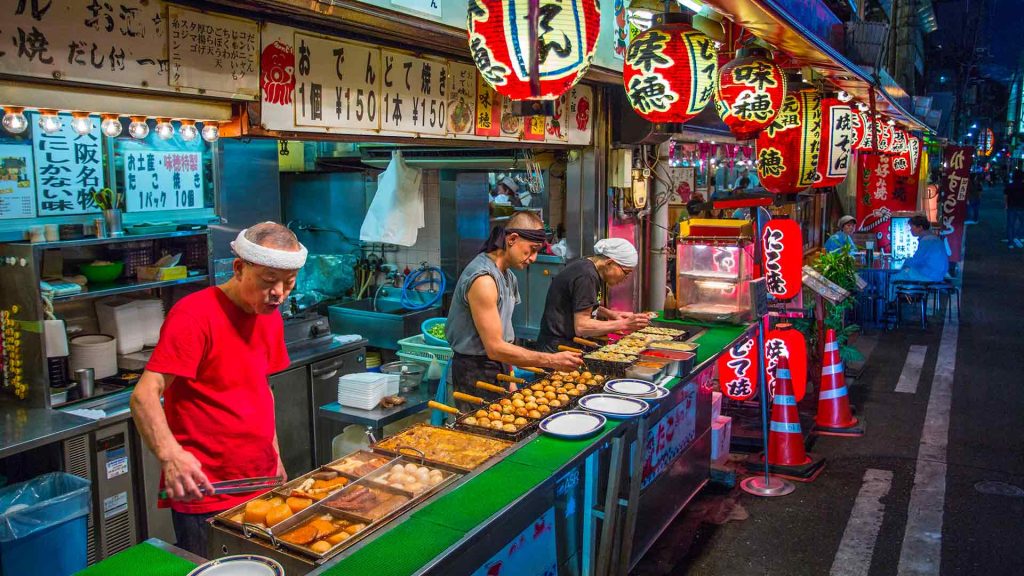
Popular Street Food and Local Markets Around the World
Now that we’ve explored the general appeal of street food and local markets, let’s look at some of the most iconic street food destinations around the world. These locations are known not just for their delicious food but for their lively, culturally rich market scenes.
1. Bangkok, Thailand
Bangkok is a food lover’s paradise, with street food found on nearly every street corner. From sizzling satay skewers to savory bowls of pad Thai, Bangkok’s street food scene is renowned for its variety and flavor. The Yaowarat (Chinatown) area, for example, is packed with food stalls serving everything from dim sum to fried noodles. Khao San Road, known for its backpacker culture, is another hotspot for street food vendors selling inexpensive yet delectable meals. The best part? Street food in Bangkok is cheap and made with fresh ingredients.
2. Mexico City, Mexico
Mexico City is home to a rich array of street food that reflects the country’s vibrant culinary culture. Tacos al Pastor, tacos de suadero, and elote (grilled corn) are just a few of the mouthwatering options available on the streets. La Merced Market and San Juan Market are two of the largest markets in Mexico City, offering a wide variety of fresh ingredients, local delicacies, and unique products. For those looking to dive deeper into Mexican cuisine, these markets also offer handmade tortillas, freshly squeezed fruit juices, and salsas that can be enjoyed right on the spot.
3. Istanbul, Turkey
The vibrant streets of Istanbul are filled with food vendors serving Turkish favorites. Simit (a sesame-crusted bread), kebabs, and baklava are just a few of the iconic dishes that can be found at street stalls. The Eminönü district, near the Galata Bridge, is a prime location for street food lovers, where you can enjoy fish sandwiches prepared right on the boat. Spice Bazaar, a market famous for its spices and herbs, is another must-visit destination where you can sample authentic Turkish street food.
4. Marrakech, Morocco
The streets of Marrakech offer a feast for the senses, where the aroma of spices and the colors of fresh produce fill the air. The famous Jemaa el-Fnaa square transforms into a vibrant food market in the evenings, with dozens of stalls offering tagine, couscous, grilled meats, and fresh orange juice. Marrakech’s food markets also offer an array of sweet treats, including mint tea and baklava, allowing visitors to indulge in the flavors of Moroccan cuisine while soaking in the bustling atmosphere.
5. Hanoi, Vietnam
Vietnam’s capital city, Hanoi, is a street food haven, with its Bánh mì, Pho, and fresh spring rolls becoming staples in the global food scene. The Old Quarter of Hanoi is known for its maze of narrow streets lined with street vendors offering a wide range of food. You can enjoy a hot bowl of Pho for breakfast, followed by Bánh mì (Vietnamese sandwich) for lunch, all while experiencing the city’s rich culture and vibrant atmosphere. Hanoi’s street food is both flavorful and affordable, making it a perfect destination for culinary tourists.
Tips for Enjoying Street Food and Local Markets
While street food offers an exciting and authentic culinary experience, there are a few tips to ensure that you have the best experience:
- Look for Busy Stalls: A busy food stall is usually a sign of good food. If locals are eating there, it’s likely to be fresh and tasty.
- Check Hygiene: While street food can be delicious, it’s important to make sure the food is prepared in clean and sanitary conditions. Avoid food stalls that look unkempt or have poor hygiene practices.
- Try Local Specialties: Street food markets often serve regional specialties. Don’t be afraid to try something new—whether it’s stinky tofu in Taiwan or fried crickets in Cambodia, you’ll get a true taste of the local culture.
- Stay Hydrated: Markets can get hot and busy, so be sure to drink plenty of water, especially when sampling spicy or fried foods.
- Learn Basic Local Etiquette: In many cultures, eating in markets comes with specific rules—such as respecting local customs about food preparation or how food is eaten. It’s always helpful to observe and follow local eating customs.
Conclusion
Street food stalls and local markets are not just places to eat—they are vibrant hubs of culture, history, and community. By seeking out these authentic food experiences, travelers have the opportunity to immerse themselves in the local way of life and enjoy some of the best meals they’ll ever have. As the demand for authentic, affordable, and diverse culinary experiences grows, street food and local markets will continue to be at the heart of the travel experience, providing a unique, flavorful glimpse into the world’s most dynamic cities.