




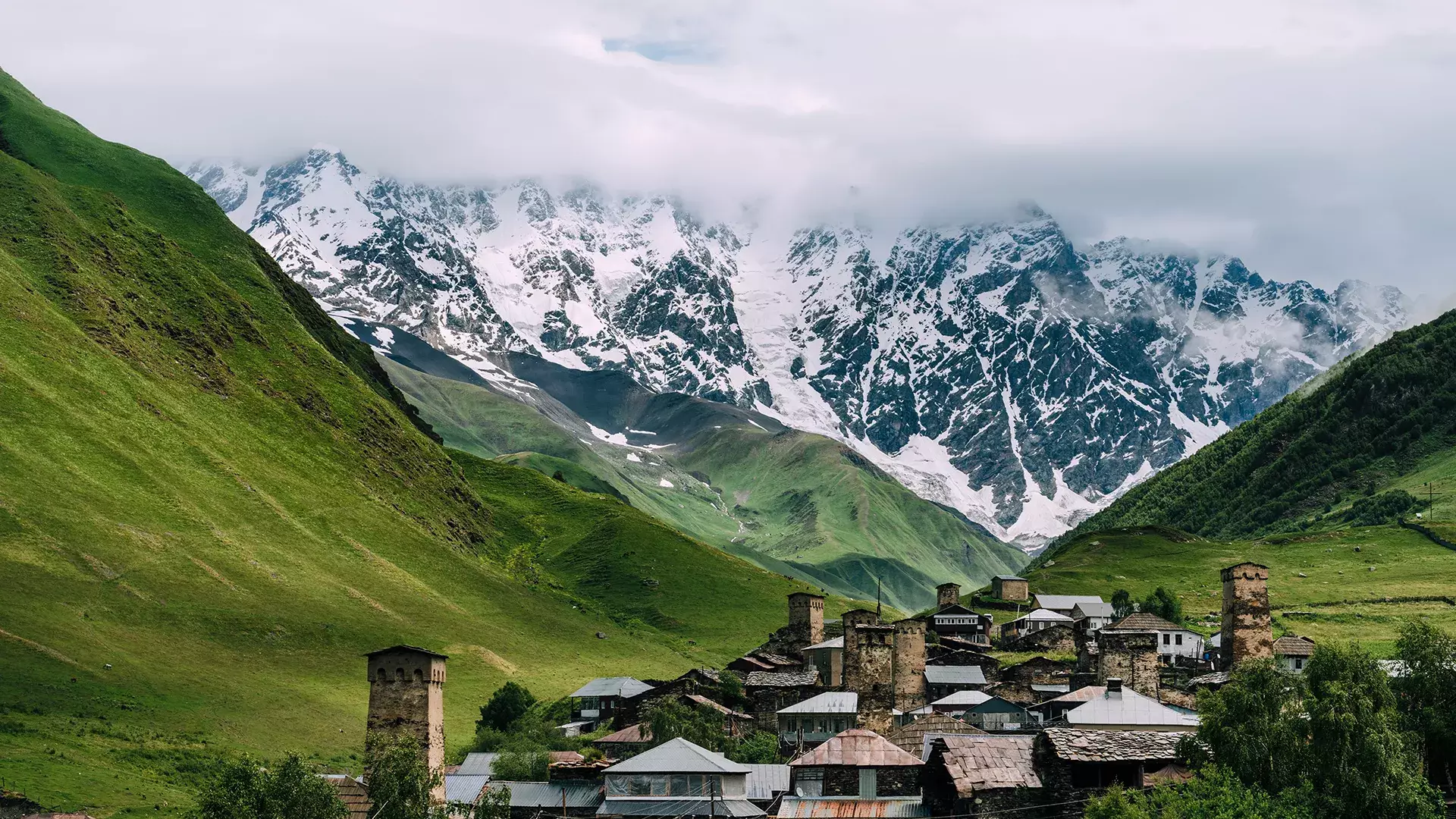

Over the past few decades, the landscape of global tourism has undergone a significant transformation. While bustling cities and world-renowned landmarks once reigned as the top travel destinations, there has been a notable shift towards more authentic, off-the-beaten-path experiences. Increasingly, tourists are seeking to escape the noise and crowds of major metropolitan areas in favor of destinations that offer a deeper connection to local culture, traditions, and nature. This trend has led to the rise of rural and small-town tourism—an evolving sector that is reshaping how people travel and experience the world.
The Changing Face of Tourism
Historically, tourism has been synonymous with visits to iconic cities and tourist hotspots. Paris, New York, Tokyo, and London, to name a few, were once the ultimate destinations on the bucket lists of travelers around the world. The allure of these global metropolises stemmed from their rich history, modern amenities, cultural landmarks, and vibrant energy.
However, as tourism became more accessible and the world became increasingly interconnected through digital platforms, the dynamics of travel began to shift. Many tourists began seeking more personal and authentic experiences, moving away from overcrowded destinations towards places that offered genuine local culture, tranquility, and untouched landscapes. This led to the resurgence of rural and small-town tourism—areas often overlooked in the past.
Why Are Travelers Flocking to Small Towns and Villages?
Several factors have contributed to this shift in travel preferences. Let’s take a closer look at why more and more tourists are choosing to visit small towns and rural destinations:
1. Desire for Authenticity
In an age of mass tourism, many travelers are yearning for experiences that feel less commercialized and more genuine. Small towns and rural areas often offer this authenticity. These destinations provide a window into everyday life and allow visitors to immerse themselves in local traditions, cuisine, and customs. Whether it’s a quiet village in the mountains or a coastal town with centuries-old fishing practices, rural areas are often rich in cultural heritage that cannot be found in the glitz of a major city.
2. Escape from Crowds
The increasing overcrowding of popular tourist destinations has led many to reconsider their travel choices. Popular cities and famous landmarks are often inundated with visitors, which can detract from the overall experience. Long lines, crowded streets, and the lack of tranquility make it hard for travelers to truly connect with a destination. Rural areas, by contrast, offer peace and solitude, allowing visitors to enjoy their surroundings without the distraction of large crowds.
3. Sustainability and Eco-Tourism
With a growing global emphasis on sustainability and environmental conservation, many travelers are becoming more conscious of the ecological impact of their travel choices. Rural and small-town tourism is seen as a more sustainable alternative to mass tourism. These areas typically offer eco-tourism opportunities that focus on preserving natural landscapes, wildlife, and traditional ways of life. Travelers can engage in activities such as hiking, organic farming, and wildlife watching, all while supporting local economies in a sustainable manner.
4. Cultural and Culinary Exploration
Small towns and villages are often home to unique cultural practices and culinary traditions that remain hidden in larger cities. Visitors to rural areas can enjoy regional delicacies that have been passed down through generations, such as traditional cheeses, wines, and dishes. Additionally, travelers can engage in local customs, such as folk festivals, handicraft workshops, or agricultural events, that provide a deep dive into the culture of a region.
5. Affordability
While major cities often come with hefty price tags for accommodations, dining, and attractions, rural destinations tend to be more affordable. Accommodations such as guesthouses, bed-and-breakfasts, and rural hotels are often less expensive than those in city centers, making rural tourism an attractive option for budget-conscious travelers. Additionally, the lower cost of living in these areas means that even those on a tight budget can experience high-quality, local, and authentic experiences.
The Impact on Local Communities
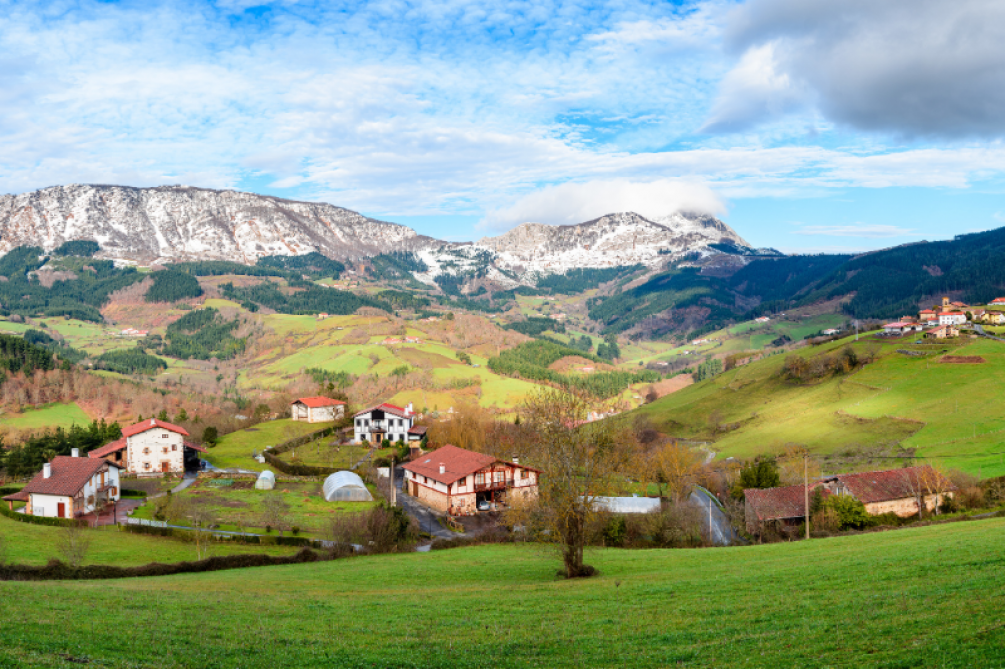
The rise of rural and small-town tourism has brought both positive and negative impacts to the communities involved. Let’s explore the effects of this trend on local populations:
1. Economic Benefits
One of the most notable advantages of rural tourism is its ability to stimulate local economies. Small towns and rural areas, which may have been previously economically stagnant, can benefit greatly from the influx of tourists. This influx of visitors creates demand for local products, services, and jobs, boosting businesses such as hotels, restaurants, local artisans, and transportation providers. This can help diversify income sources for communities that are traditionally reliant on agriculture or other industries.
2. Preservation of Local Culture and Traditions
Rural tourism can also play a crucial role in preserving local cultures and traditions. As travelers seek out authentic experiences, communities are motivated to maintain their unique cultural practices, whether they are traditional crafts, festivals, or agricultural methods. This cultural preservation can lead to a greater appreciation of heritage and a strengthened sense of local identity.
3. Challenges and Over-Tourism
However, not all effects of rural tourism are positive. In some cases, the sudden influx of tourists can lead to over-tourism, putting pressure on local infrastructure and resources. Small towns may not have the capacity to handle large numbers of visitors, leading to overcrowding, environmental degradation, and increased costs of living. In extreme cases, rural tourism can erode the very qualities that make these destinations attractive in the first place, as commercialization begins to take hold.
The Role of Digital Platforms in Promoting Rural Tourism
The internet and social media have played an important role in promoting rural and small-town tourism. Digital platforms such as Instagram, Pinterest, and travel blogs allow travelers to share their experiences and discover hidden gems in less-visited areas. Word-of-mouth recommendations and social media trends have helped put once-overlooked regions on the map, encouraging a new wave of visitors to explore them.
Many tourism organizations and local businesses have also embraced digital marketing to attract visitors. Websites and social media pages showcasing picturesque rural landscapes, charming small towns, and unique cultural experiences have successfully captured the attention of potential tourists. Furthermore, online platforms allow travelers to book accommodations and activities in remote locations, making rural tourism more accessible than ever.
The Future of Rural and Small-Town Tourism
Looking ahead, rural and small-town tourism is likely to continue growing. As travelers become more focused on sustainability, cultural immersion, and authentic experiences, small towns and rural areas are well-positioned to meet these demands. However, there will need to be careful planning and management to ensure that the benefits of this growth are maximized while minimizing negative impacts on local communities and environments.
Some key trends to watch in the future of rural tourism include:
- Digital Nomads and Remote Work: As remote work becomes more common, travelers are increasingly choosing to work from picturesque rural locations, blending leisure with work. This trend will continue to boost rural tourism and bring new opportunities to small-town economies.
- Sustainable Tourism Practices: With a growing focus on environmental preservation, rural destinations will need to implement sustainable tourism practices to protect their natural resources and cultural heritage.
- Experiential Travel: As travelers seek unique, hands-on experiences, rural destinations will offer opportunities for farming, cooking classes, artisan workshops, and other immersive cultural activities that enhance the travel experience.
Conclusion
The shift towards rural and small-town tourism represents a profound change in how we approach travel. As more people seek authenticity, solitude, and cultural immersion, the once-overlooked rural destinations are now coming into their own. While this trend offers significant economic, cultural, and environmental opportunities, it also presents challenges that must be managed carefully. By embracing sustainable practices and promoting local heritage, small towns and rural areas can ensure that this tourism boom benefits both visitors and residents alike. Ultimately, the rise of rural tourism is not just a trend; it is a new way of experiencing the world, one that celebrates the beauty and authenticity of the places that are often hidden in plain sight.