




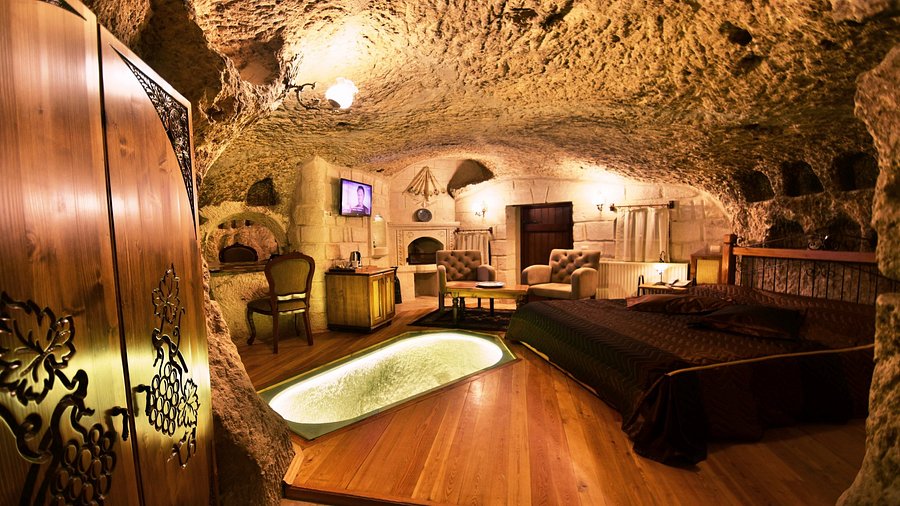

In the ever-evolving world of travel and tourism, travelers constantly seek new and unique experiences that blend history, culture, and modern comfort. Among the most intriguing and unusual accommodations available are cave hotels. These extraordinary lodgings offer a rare opportunity to sleep in rooms carved into natural rock formations, giving guests a chance to connect with history and nature while enjoying a level of luxury and comfort that surpasses traditional hotels.
Cave hotels are not just a modern trend but part of a centuries-old tradition of utilizing caves for shelter, rest, and even spiritual purposes. From ancient dwellings to modern luxury suites, cave hotels around the world provide one-of-a-kind experiences that marry the old and the new. This article explores the history, characteristics, appeal, and global locations of cave hotels, delving into why these subterranean spaces have captured the imagination of tourists and travelers worldwide.
The Fascinating History of Cave Dwellings
Before cave hotels became a luxury niche within the hospitality industry, caves were used by humans for survival, shelter, and spiritual purposes. Evidence of early cave dwellings can be found in prehistoric sites across the world. Early humans sought the protection of caves from harsh weather conditions, wild animals, and hostile tribes, using them as natural fortresses that required minimal construction.
Over time, caves evolved into spaces for various human activities. In ancient times, particularly in regions like the Middle East, Mediterranean, and parts of Europe, caves were used as living spaces, storage areas, and even places of worship. The famous cave cities in Turkey, like Cappadocia, are prime examples of this early use, with communities carving out entire dwellings and villages into the soft volcanic rock for hundreds of years.
As civilization progressed, cave dwellings were abandoned in favor of modern housing solutions. However, the allure of caves never disappeared, and in recent decades, the idea of turning these ancient spaces into luxury accommodations has gained popularity. Today, cave hotels have emerged as a fusion of history, nature, and contemporary luxury, offering an exceptional way to experience the past while enjoying modern amenities.
Characteristics of Cave Hotels
Cave hotels are defined by their distinct architecture, with rooms, suites, or entire structures carved directly into natural rock formations. The design and aesthetic of these hotels can vary significantly depending on the location, type of rock, and purpose of the space. However, there are certain characteristics that all cave hotels share:
1. Natural Rock Walls and Ceilings
The most defining feature of cave hotels is the use of natural rock for construction. The walls and ceilings of the rooms are often left untouched, preserving the natural texture and beauty of the stone. The result is an atmosphere that feels both rustic and earthy, offering a unique sense of connection to the land itself. The stone’s natural color and texture can vary widely—from the soft, yellow tuff stone of Cappadocia to the darker, volcanic basalt of Iceland.
2. Temperature Regulation
Cave hotels are naturally insulated by the earth, providing a unique advantage when it comes to temperature regulation. Caves maintain a relatively constant temperature year-round, regardless of the weather outside. In hot climates, the earth keeps the cave cool, making it an ideal retreat during the summer months. In colder regions, caves tend to stay warmer during the winter. This natural insulation makes cave hotels particularly appealing to travelers seeking comfort and energy efficiency.
3. Seamless Integration with Nature
The design of cave hotels emphasizes blending the human-made with the natural environment. Many cave hotels incorporate eco-friendly designs, using local materials and techniques to ensure minimal environmental impact. The goal is often to create a harmonious relationship between the hotel and its surroundings, whether it’s a rocky cliffside, a volcanic valley, or a desert plateau. Floor-to-ceiling windows, private terraces, and outdoor spaces are common, allowing guests to enjoy breathtaking views of the natural landscape.
4. Unique Interiors and Modern Amenities
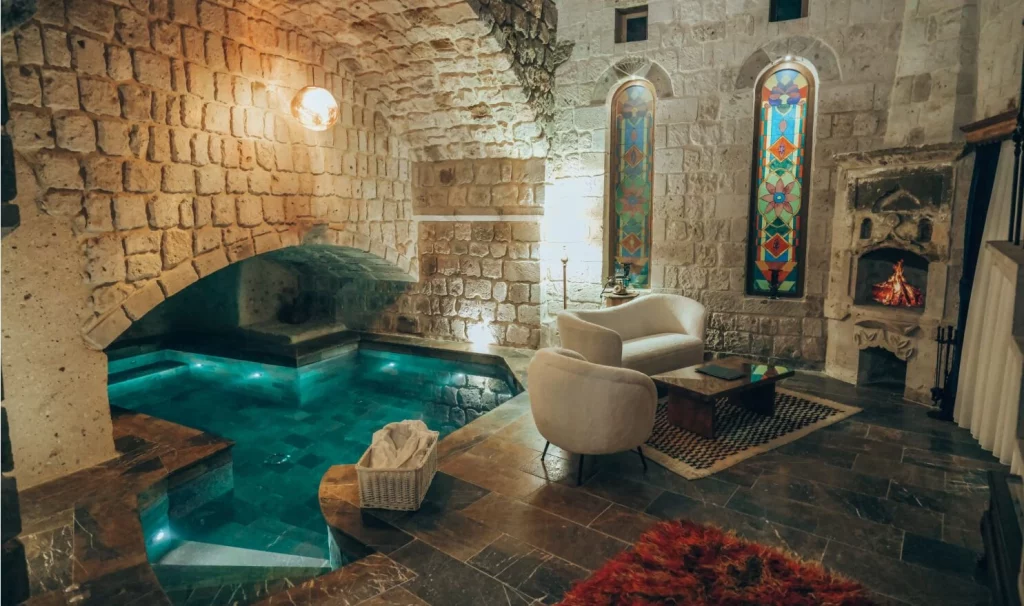
While the exterior of a cave hotel may look rustic, the interiors are often lavish and well-appointed. Designers and architects often use modern materials, furniture, and technology to create a comfortable and luxurious space within the rock walls. You’ll find plush beds, modern bathrooms, high-speed internet, and often even private pools and jacuzzis. Some cave hotels even boast art galleries, spas, and gourmet restaurants within the rock.
5. Intimate Atmosphere
Cave hotels tend to have a more intimate and secluded ambiance, as the natural rock formations often limit the number of rooms and create smaller, more private spaces. This makes cave hotels perfect for travelers seeking solitude, relaxation, and a sense of peace. Whether it’s a remote cave suite in the desert or a secluded cavern by the sea, cave hotels offer an atmosphere that feels both safe and serene.
Why Cave Hotels Are Gaining Popularity
In recent years, cave hotels have become an increasingly popular choice for travelers seeking a unique and memorable experience. The rise of eco-tourism, combined with the growing demand for immersive and authentic travel experiences, has fueled this trend. So why are cave hotels attracting more visitors than ever before? There are several reasons:
1. A Unique and Memorable Experience
Staying in a cave hotel is not something most travelers will experience on a regular basis. It offers a unique opportunity to sleep in a space that blends ancient history with modern luxury. Many travelers are drawn to the idea of staying in a cave because it offers something completely different from traditional hotel rooms or luxury resorts. It’s an opportunity to break away from the ordinary and embrace something extraordinary.
2. Connection to Nature
Cave hotels allow travelers to reconnect with nature in a way that is difficult to replicate in a conventional hotel. The natural elements of stone and earth, combined with breathtaking landscapes, create an atmosphere of calm and serenity. Many cave hotels are situated in areas of outstanding natural beauty, offering guests the chance to wake up to panoramic views of mountains, deserts, valleys, or oceans. This connection to nature is a major draw for those seeking peace and tranquility.
3. Sustainability and Eco-Friendliness
As environmental concerns continue to rise, many travelers are seeking sustainable travel options. Cave hotels, by their very nature, tend to have minimal environmental impact. The use of local materials, the natural insulation of caves, and the integration of eco-friendly designs make them appealing to eco-conscious tourists. Additionally, many cave hotels are located in remote or rural areas, which helps promote sustainable tourism and supports local communities.
4. A Link to History and Tradition
For history enthusiasts, cave hotels offer a tangible connection to ancient cultures and traditions. Staying in a cave hotel can feel like stepping back in time, offering insights into how humans have lived and adapted to their environments over the centuries. In places like Cappadocia, Turkey, or Matera, Italy, travelers can visit ancient cave dwellings that date back thousands of years, allowing them to explore the rich history of the region while enjoying modern comforts.
Famous Cave Hotels Around the World
Cave hotels can be found across the globe, from the ancient dwellings of Europe to the modern luxury caves of the Middle East and the Americas. Here are some of the most famous cave hotels:
1. Cappadocia Cave Suites, Turkey
Cappadocia is world-renowned for its surreal landscapes, featuring fairy chimneys and ancient rock formations. The region has been home to cave dwellings for thousands of years, and today, many of these caves have been transformed into luxurious cave hotels. The Cappadocia Cave Suites offers a unique opportunity to stay in traditional cave rooms while enjoying modern amenities such as heated floors, private balconies, and hot tubs. Guests can explore the region’s ancient cave churches, underground cities, and stunning landscapes.
2. Hotel Sassi, Matera, Italy
Matera, a UNESCO World Heritage Site, is famous for its ancient cave dwellings known as Sassi. The Hotel Sassi allows guests to stay in beautifully restored cave rooms that blend modern design with the ancient architecture of the area. Matera’s cave dwellings date back thousands of years, and staying in this hotel offers a unique chance to experience a piece of history while enjoying luxury accommodations.
3. Desert Cave Hotel, Australia
Located in Coober Pedy, Australia, a town known for its opal mining, the Desert Cave Hotel offers guests the chance to sleep underground in a former opal mine. The hotel’s rooms are carved into the earth, providing a cool and quiet retreat from the harsh desert heat. Guests can also explore the local opal fields and visit nearby attractions like the famous Umoona Opal Mine and Museum.
4. The Caves, Jamaica
For those looking for a more tropical cave experience, The Caves in Negril, Jamaica, offers luxurious cave suites perched on the cliffs overlooking the Caribbean Sea. Guests can enjoy private candlelit dinners in caves, indulge in spa treatments, or simply relax in their stunning oceanfront cave rooms. The Caves is a unique blend of rustic charm and luxury, offering an unforgettable escape.
5. Cave Hotels of Santorini, Greece
Santorini, known for its white-washed buildings and stunning sunsets, also features a number of luxury cave hotels carved into the volcanic rock. Hotels like Canaves Oia Suites & Spa offer guests the chance to stay in cliffside caves with panoramic views of the Aegean Sea. These hotels combine traditional cave architecture with modern design, making them an ideal choice for travelers seeking both comfort and authenticity.
Conclusion: The Timeless Appeal of Cave Hotels
Cave hotels represent a fascinating intersection of history, nature, and luxury. They offer a unique way to experience the world, allowing travelers to connect with the earth, sleep in ancient spaces, and enjoy modern comforts in some of the most stunning natural environments on the planet. Whether it’s staying in a historic cave city in Turkey, a luxury cave suite in Italy, or a secluded desert retreat in Australia, cave hotels offer an unforgettable and one-of-a-kind experience that continues to capture the imaginations of travelers worldwide. For those seeking adventure, serenity, and a touch of history, cave hotels provide the perfect setting for an extraordinary getaway.