




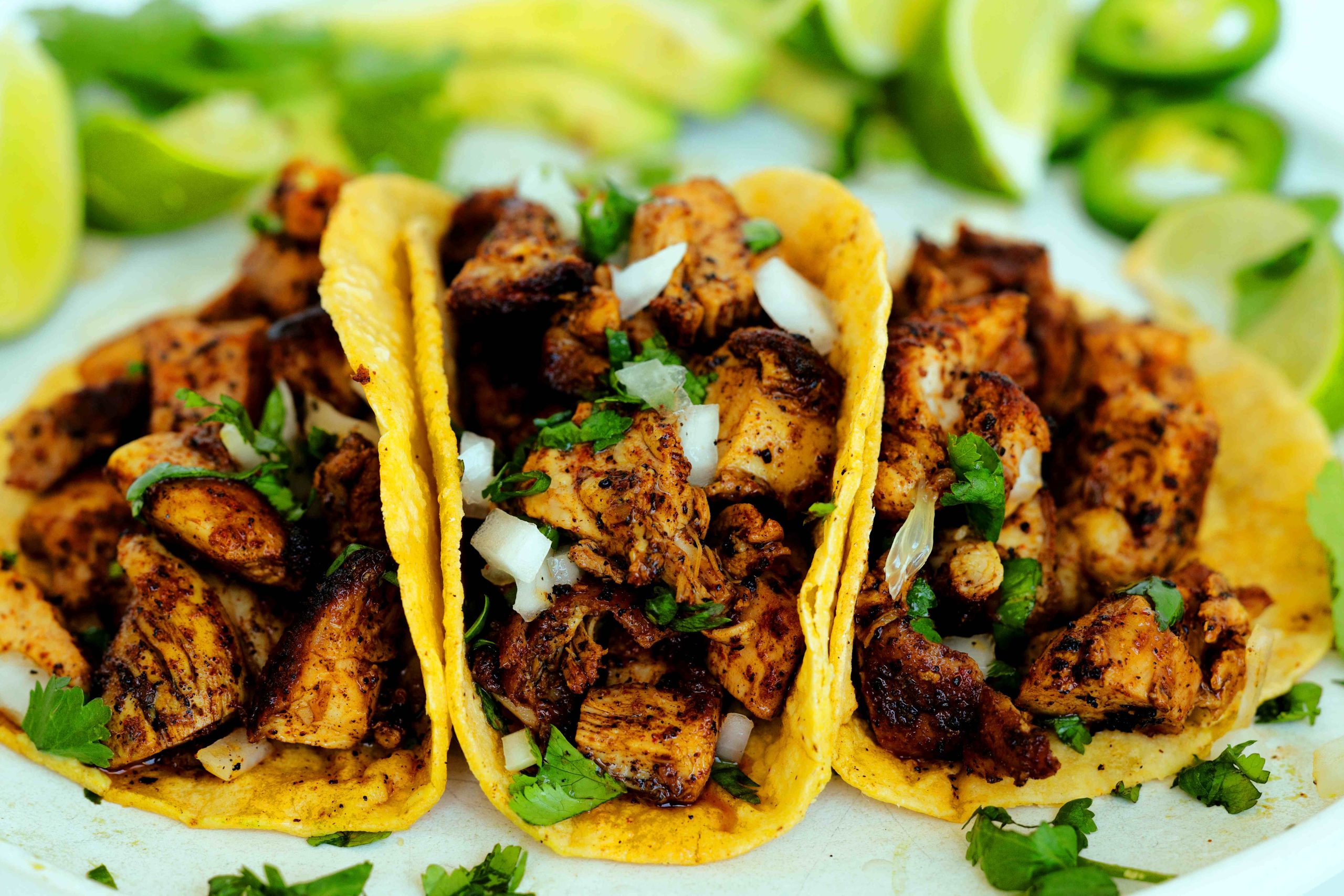

When you think of Mexico, there are few foods more iconic than the taco. A staple of Mexican street food, the taco has transcended its humble origins to become a globally recognized dish enjoyed by millions. At its core, the taco is simple: a corn tortilla filled with a variety of meats, vegetables, and toppings. However, the true beauty of the taco lies in its versatility and cultural significance. Whether you’re grabbing a quick snack from a street vendor in Mexico City or sitting down to a gourmet version in a fine dining restaurant, tacos are a celebration of Mexican history, culture, and culinary artistry.
This article delves deep into the origins, cultural relevance, types, and the art of making authentic Mexican tacos, focusing particularly on the corn tortilla—the foundation of this beloved dish. We will explore how tacos have evolved through the centuries and the significance they hold in Mexican cuisine, as well as how they’ve made their way into international food culture.
The Origins of the Taco: From Ancient Mexico to Modern Street Food
The taco’s story begins long before the word “taco” was even coined. The foundation of the taco—corn tortillas—has been a crucial part of Mexican cuisine for thousands of years. Indigenous cultures in Mexico, such as the Aztecs and the Mayans, relied heavily on maize (corn) as a staple of their diet. These ancient civilizations would make flat, round corn cakes, which they used to scoop or wrap various fillings like beans, vegetables, and meats. Though the modern taco is quite different, it’s rooted in these early practices of using tortillas to encase flavorful fillings.
The Role of Maize in Ancient Mexican Cuisine
Maize has been integral to Mexican culinary traditions for thousands of years. The domestication of maize occurred around 10,000 years ago in southern Mexico. Indigenous peoples, including the Aztecs and the Mayans, not only relied on maize as a primary food source but also revered it in their religious rituals. The ancient process of grinding maize into masa (corn dough) and using it to create tortillas is considered one of the most significant developments in the history of food.
Tacos, in the context of their ancient origins, were more likely to be filled with local vegetables and meats that were available to these communities. These early versions of the taco were eaten as part of everyday life and were a reflection of the agricultural and communal lifestyle of the time.
Spanish Influence: The Birth of Modern Tacos
When the Spanish arrived in Mexico in the 16th century, they introduced new ingredients such as beef, pork, and chicken, as well as dairy products like cheese and cream. These ingredients, combined with indigenous cooking techniques and the foundation of the tortilla, gave rise to the taco as we know it today. The taco, originally made with vegetables, beans, and indigenous meats, became a more complex dish with the addition of pork and beef. Over time, the taco evolved, becoming an essential part of Mexico’s culinary identity.
The Taco Today: A National Treasure and Street Food Phenomenon
In modern Mexico, the taco is more than just food; it is a symbol of Mexican identity and cultural pride. Tacos are deeply ingrained in the daily lives of Mexicans, from the street vendors that line the bustling streets of Mexico City to the high-end taco restaurants that serve gourmet versions of this humble dish. Tacos can be found everywhere in Mexico, and they are enjoyed by people of all ages, backgrounds, and social classes.
Street Food Culture: Tacos as a Social Experience
One of the most distinctive features of tacos in Mexican culture is their prevalence as street food. Tacos are often sold by vendors on street corners, in bustling markets, and in busy plazas, making them an accessible and affordable meal for anyone. In fact, tacos are one of Mexico’s most popular forms of street food, with vendors specializing in specific types, such as tacos al pastor, carnitas, or tacos de barbacoa.
Street tacos are typically served on small, soft corn tortillas, and filled with various meats or vegetables, topped with fresh cilantro, onions, salsa, and a squeeze of lime. This simple but flavorful combination is a reflection of the Mexican love for fresh, local ingredients and bold, vibrant flavors.
Tacos as a Social Meal
Tacos are also a communal food. It is common for families, friends, and even strangers to gather around taco stands or taquerías, sharing meals and conversation. The act of eating tacos is an inherently social experience, where people bond over food, exchange stories, and celebrate life. In Mexico, the taco is not just a meal but an experience that brings people together.
The Art of Making Tacos: Crafting the Perfect Taco
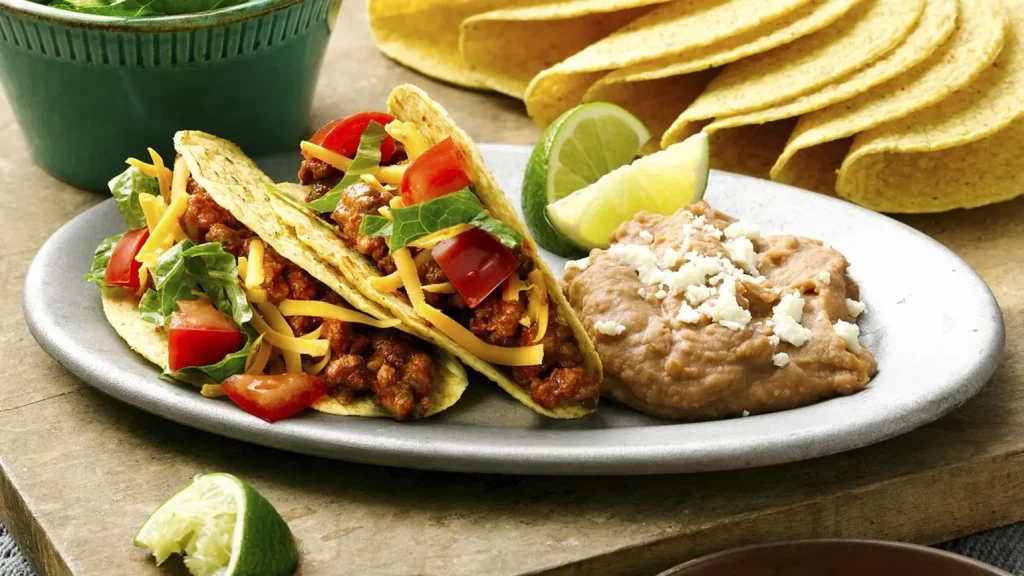
While tacos may seem simple, there is an art to making them. The quality of the taco depends not just on the filling but also on the tortilla, which serves as the vessel for all the ingredients. The process of making a great taco involves selecting fresh, high-quality ingredients, preparing them with care, and assembling them in a way that balances flavor, texture, and presentation.
The Corn Tortilla: The Foundation of the Taco
The corn tortilla is the foundation of the taco. Made from masa (corn dough) that is formed into small balls and flattened into thin rounds, corn tortillas are cooked on a hot griddle, or comal, until they puff up and turn golden brown. These tortillas are soft, slightly chewy, and full of flavor, offering the perfect backdrop for the taco filling.
In Mexico, the preparation of tortillas is considered an art form, with many families still using traditional methods of grinding the maize and making tortillas by hand. While pre-made tortillas are available in stores, the best tacos are often made with fresh, handmade tortillas that elevate the overall taco experience.
Choosing the Right Filling
The filling is where the taco truly comes to life. Traditional fillings include a wide variety of meats such as:
- Tacos al Pastor: Marinated pork cooked on a vertical spit (similar to shawarma), often served with pineapple, cilantro, and onions.
- Tacos de Carnitas: Slow-cooked pork that is tender and flavorful, often served with onions, cilantro, and salsa.
- Tacos de Bistec: Grilled or seared beef steak, topped with guacamole, onions, and salsa.
- Tacos de Pollo: Grilled or shredded chicken, often served with pickled onions or slaw.
- Tacos de Pescado: Fried or grilled fish, often topped with cabbage slaw, a creamy sauce, and a squeeze of lime.
While meats like pork and beef are some of the most popular taco fillings, there are also vegetarian options, such as tacos de nopales (cactus), tacos de frijoles (beans), or tacos de papa (potato).
The Toppings: A Flavorful Finish
No taco is complete without its toppings. The most common toppings for tacos include:
- Cilantro: Fresh cilantro adds a burst of herbal flavor that brightens the taco.
- Onions: Chopped onions add crunch and a bit of sharpness that balances the richness of the filling.
- Salsas: Salsa is a crucial component of any taco. It can range from mild to extremely spicy, made from a variety of ingredients like tomatoes, tomatillos, chilies, and garlic. Each region of Mexico has its own variations of salsa, adding different textures and heat levels to tacos.
- Lime: A squeeze of fresh lime juice helps cut through the richness of the taco’s filling and adds a bright, acidic note.
- Radishes: Radishes, sliced thinly, provide a refreshing crunch and slight peppery flavor.
Regional Variations of Tacos: From North to South
Tacos are a national dish in Mexico, but their style and ingredients vary from region to region. The diversity of taco styles is a reflection of the varied geography, climate, and cultural influences of different parts of the country.
Tacos in Northern Mexico
In the northern regions of Mexico, tacos tend to feature larger flour tortillas, which are more common due to the influence of the U.S. and the availability of wheat. Tacos de carne asada (grilled beef) are particularly popular, often served with simple toppings like onions, cilantro, and salsa. Tacos de chorizo (spicy sausage) are also commonly found in northern Mexico.
Tacos in Central Mexico
In central Mexico, corn tortillas remain the preferred choice. Tacos al pastor, which originated in Mexico City, are extremely popular, as are tacos de carnitas and tacos de barbacoa. These tacos are typically served with salsa verde (green salsa) or salsa roja (red salsa), depending on the region.
Tacos in the Yucatán Peninsula
In the Yucatán Peninsula, tacos are often filled with slow-cooked meats such as cochinita pibil (slow-roasted pork) or pavo (turkey). These tacos are usually served with pickled onions and a tangy salsa. The flavors are influenced by the region’s Mayan heritage, with the use of achiote (a reddish spice) and citrus marinades.
Tacos in Coastal Regions
On the coasts of Mexico, seafood tacos are popular, with fillings like grilled fish, shrimp, or octopus. Tacos de pescado (fish tacos) are particularly famous, often served with crunchy cabbage, avocado, and a creamy sauce. These tacos are typically enjoyed in the warmer months when seafood is abundant.
The Global Popularity of Mexican Tacos
Over the years, tacos have moved beyond the borders of Mexico and become a global phenomenon. Today, tacos are enjoyed all over the world, with international variations emerging in places like the United States, Europe, and Asia. Tacos have been adapted to suit different tastes and preferences, with some versions featuring fusion elements, such as Korean BBQ tacos or sushi tacos.
Despite these modern twists, the essence of the taco remains the same: a simple yet delicious combination of fresh ingredients wrapped in a tortilla. Whether in a taco stand in Mexico City or a food truck in Los Angeles, tacos continue to bring people together, providing a flavorful and satisfying meal that transcends cultural boundaries.
Conclusion: Tacos as a Reflection of Mexican Identity
Tacos are more than just food; they are a symbol of Mexico’s rich cultural heritage, history, and culinary ingenuity. From their ancient origins to their current status as a beloved global dish, tacos embody the diversity and vibrancy of Mexican cuisine. With their endless variations, fresh ingredients, and communal nature, tacos offer an experience that is uniquely Mexican—one that continues to captivate food lovers around the world.
In the end, whether you’re enjoying tacos al pastor from a street vendor in Mexico or crafting your own homemade version, the taco is a reminder of the power of food to connect us to history, culture, and each other.