





Traveling is one of life’s most enriching experiences, offering opportunities to explore new cultures, taste exotic cuisines, and create lasting memories. However, it also comes with a financial challenge: managing expenses while ensuring that the trip stays within budget. Even the most experienced travelers can find themselves overspending on accommodations, transportation, meals, or activities if they lack a clear financial plan. This is where financial management tools come into play, providing travelers with the ability to track every expense, optimize spending, and maximize the value of their journey.
In this article, we will explore the essential role of financial management tools in modern travel, how they work, the benefits of using them, and practical tips for travelers to maintain complete control over their budgets. By integrating technology and financial discipline, travelers can ensure that their experiences are not only memorable but also financially sustainable.
The Importance of Financial Management in Travel
Travel budgeting is more than just a practical necessity; it is a strategic component of planning a successful trip. Without a clear budget, travelers may face unexpected expenses, financial stress, or even the inability to fully enjoy their journey. Financial management tools help prevent these issues by providing a structured approach to tracking and controlling expenditures.
Understanding Travel Expenses
Before discussing tools, it is essential to understand the main categories of travel expenses:
- Transportation: Flights, trains, buses, taxis, rideshares, car rentals, and fuel.
- Accommodations: Hotels, hostels, Airbnb rentals, vacation packages, and other lodging options.
- Food and Beverages: Restaurants, street food, grocery shopping, and beverages.
- Activities and Experiences: Tours, excursions, entry fees, shows, and adventure activities.
- Shopping and Souvenirs: Local crafts, gifts, personal purchases.
- Miscellaneous Costs: Travel insurance, tips, service fees, and emergency expenses.
By categorizing expenses, travelers can set a realistic budget for each area and identify opportunities to reduce spending without compromising the quality of the experience.
How Financial Management Tools Work
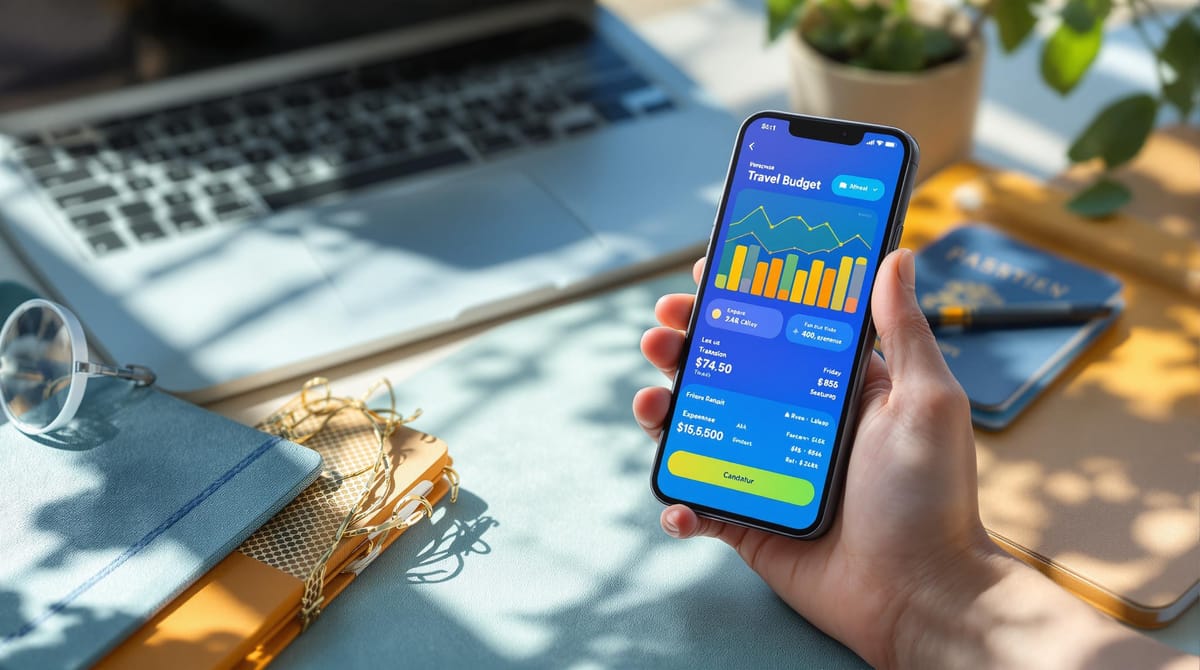
Financial management tools for travelers range from simple spreadsheet templates to sophisticated mobile apps that integrate with bank accounts and credit cards. These tools enable travelers to monitor spending in real-time, categorize expenses, and receive alerts when they approach their budget limits.
Key Features of Financial Management Tools
- Expense Tracking
- Real-time tracking of every expense, often with the ability to capture receipts using a smartphone camera.
- Automatic categorization of transactions into pre-defined categories such as food, transportation, or lodging.
- Budget Planning
- Setting a total budget for the trip and allocating funds to specific categories.
- Forecasting potential expenses based on historical data or user-defined assumptions.
- Currency Conversion
- Automatic conversion of expenses into the traveler’s home currency, helping manage international trips more effectively.
- Real-time updates to exchange rates ensure accurate tracking.
- Reporting and Analytics
- Visual summaries, charts, and graphs to provide a clear overview of spending habits.
- Identification of overspending patterns and areas for potential savings.
- Integration with Payment Methods
- Linking bank accounts, credit cards, and digital wallets for seamless tracking.
- Some apps can alert users when unusual transactions occur, enhancing security.
- Offline Access
- Many tools allow users to record expenses offline, which is critical for areas with limited internet connectivity.
Benefits of Using Financial Management Tools for Travel
1. Avoid Overspending
One of the most significant advantages of using financial management tools is avoiding overspending. By tracking every transaction, travelers gain immediate insight into how much money has been spent and how much remains. This real-time awareness allows for proactive adjustments, preventing budget overruns.
2. Reduce Financial Stress
Travel can be stressful if finances are poorly managed. Knowing exactly where money is going helps travelers make informed decisions about purchases, activities, and accommodations, reducing anxiety about finances and allowing them to focus on the experience itself.
3. Optimize Spending
Financial management tools enable travelers to see which areas consume the most resources. For example, if dining out is costing more than expected, travelers can adjust their habits by cooking meals, exploring budget-friendly restaurants, or prioritizing experiences over high-cost meals.
4. Improve Future Planning
By keeping a detailed record of expenses, travelers can analyze spending patterns and make better-informed plans for future trips. Historical data provides insight into which destinations, activities, and accommodations offer the best value for money.
5. Enhance Financial Discipline
Using these tools encourages responsible spending habits. Travelers learn to distinguish between necessary expenses and luxury indulgences, leading to more sustainable financial habits both during travel and in everyday life.
Types of Financial Management Tools
There is a wide variety of financial management tools available, each offering unique advantages. Here’s a breakdown of the main types:
1. Mobile Apps
Mobile apps are the most popular tools for modern travelers. They offer portability, real-time updates, and automated tracking features. Popular travel budgeting apps include:
- Trail Wallet: Designed specifically for travelers, it allows users to input expenses quickly, categorize spending, and track progress against their budget.
- Mint: Integrates with bank accounts and credit cards, providing a comprehensive overview of spending and budgeting for domestic and international trips.
- Wally: Focuses on both expense tracking and budgeting, allowing users to set spending limits and record receipts with ease.
2. Spreadsheets
For travelers who prefer a more manual approach, spreadsheets offer flexibility and customization. Programs like Microsoft Excel or Google Sheets can be tailored to individual needs, with categories, formulas, and charts to track expenses. While not as automated as apps, spreadsheets are ideal for travelers who want complete control over their budgeting process.
3. Digital Wallets and Bank Tools
Many banks and payment providers now offer built-in budgeting tools within their apps. These tools allow travelers to categorize transactions, set spending limits, and receive notifications when approaching limits. Digital wallets such as PayPal or Revolut can also be used to track spending across multiple currencies, making them ideal for international trips.
4. Hybrid Systems
Some travelers use a combination of apps, spreadsheets, and digital wallets to manage their finances. This hybrid approach allows for real-time tracking, offline record-keeping, and detailed reporting, ensuring that no expense goes unaccounted for.
Practical Tips for Travelers Using Financial Management Tools
While financial management tools are highly effective, their impact depends on how they are used. Here are some practical tips to maximize the benefits:
1. Set a Realistic Budget Before the Trip
Before departure, allocate a total budget for the trip and break it down into categories such as accommodations, food, transport, and activities. Be realistic about potential expenses and include a buffer for emergencies.
2. Track Every Expense
Consistency is key. Record every transaction, no matter how small. Even minor expenses like a coffee or a taxi ride can add up over time. Financial management tools work best when data is complete and accurate.
3. Categorize Expenses Accurately
Proper categorization provides a clear picture of spending patterns. Use predefined categories in apps or create your own in spreadsheets. Accurate categorization allows for better analysis and decision-making.
4. Use Alerts and Notifications
Enable notifications for budget limits, unusual spending, or currency fluctuations. Real-time alerts prevent overspending and help travelers make timely adjustments.
5. Review and Adjust Regularly
Review the budget daily or weekly to ensure that spending aligns with the plan. If certain categories are over budget, adjust other areas to compensate.
6. Keep Receipts
Digital or physical receipts provide a backup and allow for accurate expense tracking, especially when reconciling accounts after the trip.
7. Plan for Currency Differences
For international trips, consider currency exchange rates and potential transaction fees. Some apps automatically convert currencies, but travelers should be aware of fluctuations and include them in their budget planning.
Advanced Features for Frequent Travelers
For frequent travelers, financial management tools offer advanced features that streamline budgeting and expense tracking:
- Automated Expense Import: Sync bank accounts and credit cards to automatically record transactions.
- Multi-Currency Support: Track spending in different currencies and get real-time conversion rates.
- Expense Splitting: Share expenses with travel companions and split bills easily.
- Detailed Analytics: Generate reports showing trends, spending patterns, and areas for savings.
- Cloud Synchronization: Access budgets and records across multiple devices, ensuring data is always up-to-date.
Conclusion: Empowering Travelers Through Financial Management Tools
Travel should be an enriching and enjoyable experience, free from the stress of financial uncertainty. By leveraging financial management tools, travelers can track every expense, ensure they stay within budget, and make informed decisions that enhance their journey. From mobile apps to spreadsheets and integrated banking tools, the modern traveler has unprecedented control over their finances, enabling them to focus on creating memories rather than worrying about money.
Financial management tools are not merely about preventing overspending—they are about empowering travelers to make the most of their resources, prioritize experiences, and enjoy every destination to its fullest. By embracing these tools, travelers can achieve the perfect balance between exploration, adventure, and financial responsibility, ensuring that every journey is as rewarding as it is memorable.