






In today’s fast-paced world, physical fitness and safety awareness have become fundamental components of maintaining a healthy lifestyle and ensuring safe participation in sports, outdoor adventures, and daily activities. Whether you are an athlete, an outdoor enthusiast, or someone aiming to improve overall well-being, understanding how to prepare your body, prevent injuries, and respond effectively to emergencies is essential.
This article provides a comprehensive exploration of physical preparation and safety awareness, covering physiological principles, training methods, risk assessment, safety strategies, mental preparation, emergency response, and practical tips for integrating these practices into daily life.
1. The Importance of Physical Preparation
1.1 Enhancing Performance and Endurance
- Proper physical preparation improves strength, flexibility, stamina, and coordination.
- Reduces fatigue and enhances performance in activities such as hiking, cycling, running, and team sports.
1.2 Injury Prevention
- Strengthening muscles, joints, and connective tissues reduces the risk of strains, sprains, and overuse injuries.
- Incorporating warm-up, cool-down, and stretching routines prepares the body for physical stress.
1.3 Supporting Long-Term Health
- Regular physical preparation contributes to cardiovascular health, musculoskeletal integrity, and metabolic efficiency.
- Promotes mental resilience, stress reduction, and improved cognitive function.
2. Principles of Physical Training
2.1 Assessment of Fitness Levels
- Evaluate cardiovascular endurance, muscular strength, flexibility, balance, and body composition.
- Use standardized tests such as VO2 max for aerobic capacity and functional movement screening for mobility.
2.2 Structured Training Programs
- Aerobic Training: Running, swimming, cycling to improve heart and lung capacity.
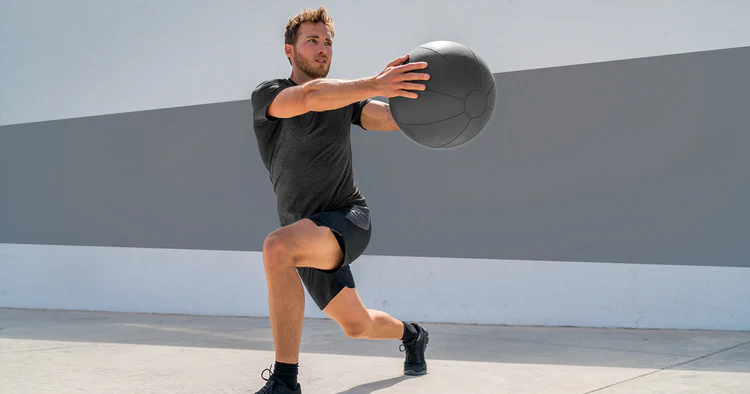
- Strength Training: Weightlifting, resistance exercises, and bodyweight routines to enhance muscle endurance.
- Flexibility Training: Stretching, yoga, and mobility exercises to maintain joint health.
- Balance and Coordination: Stability exercises, agility drills, and proprioception work.
2.3 Progressive Overload
- Gradually increase intensity, duration, or complexity to stimulate adaptation without causing injury.
- Monitor progress using performance metrics, heart rate, and subjective feedback.
2.4 Recovery and Rest
- Adequate rest is essential for muscle repair, energy replenishment, and preventing burnout.
- Techniques include sleep hygiene, active recovery, massage, and hydration.
3. Safety Awareness in Physical Activities
3.1 Environmental Risk Assessment
- Evaluate weather, terrain, wildlife, and environmental hazards before engaging in outdoor activities.
- Adjust plans based on temperature extremes, visibility, and natural obstacles.
3.2 Equipment and Gear Safety
- Properly fitted gear, protective equipment, and functional tools reduce risk.
- Examples: helmets, life jackets, hiking boots, knee and wrist protection, and first-aid kits.
3.3 Understanding Personal Limits
- Recognize physical and mental boundaries to avoid overexertion.
- Emphasize gradual progression and self-monitoring.
3.4 Awareness of Emergency Procedures
- Learn basic first aid, CPR, navigation skills, and emergency signaling techniques.
- Know local emergency contacts and communication methods.
4. Mental Preparation and Risk Management
4.1 Psychological Readiness
- Mental preparation enhances focus, confidence, and decision-making in challenging situations.
- Techniques include visualization, goal-setting, and stress management exercises.
4.2 Situational Awareness
- Stay alert to environmental changes, potential hazards, and team dynamics.
- Use risk matrices and pre-activity planning to anticipate and mitigate dangers.
4.3 Decision-Making Under Pressure
- Practice scenario-based training and problem-solving exercises.
- Prioritize safety over performance when facing unpredictable or hazardous conditions.
5. Pre-Activity Preparation
5.1 Warm-Up and Stretching
- Warm-up increases blood flow, oxygen delivery, and joint mobility.
- Dynamic stretches prepare muscles for movement; static stretches improve flexibility post-activity.
5.2 Nutrition and Hydration
- Consume balanced meals rich in carbohydrates, protein, and healthy fats before activity.
- Maintain hydration with water or electrolyte solutions, especially in outdoor or high-intensity environments.
5.3 Equipment Check
- Inspect footwear, protective gear, and specialized equipment before use.
- Ensure communication devices, navigation tools, and emergency supplies are functional.
5.4 Planning and Briefing
- Review route, objectives, potential hazards, and contingency plans.
- Communicate roles, responsibilities, and safety protocols with teammates or companions.
6. Safety Strategies During Physical Activity
6.1 Monitoring Physical Condition
- Track heart rate, breathing, fatigue, and signs of dehydration or heat stress.
- Adjust intensity or rest as needed to prevent overexertion or injury.
6.2 Maintaining Environmental Awareness
- Continuously assess terrain, weather changes, and wildlife interactions.
- Use compass, GPS, and visual markers to avoid getting lost.
6.3 Effective Communication
- Keep in regular contact with team members or support personnel.
- Use signals, radios, or mobile devices to relay status and emergencies.
6.4 Emergency Response Preparedness
- Be ready to administer first aid, manage hypothermia or heatstroke, and evacuate if necessary.
- Understand local emergency services, evacuation routes, and rescue protocols.
7. Post-Activity Recovery and Reflection
7.1 Cool-Down Exercises
- Light aerobic activity and stretching facilitate lactic acid removal and muscle recovery.
7.2 Rehydration and Nutrition
- Consume fluids and nutrient-rich foods to replenish energy and electrolytes.
7.3 Monitoring for Injuries
- Watch for swelling, pain, or unusual fatigue, and seek medical attention if necessary.
7.4 Reflection and Learning
- Review performance, safety challenges, and lessons learned to improve future preparation.
8. Special Considerations for Outdoor Adventures
8.1 Hiking and Trekking
- Prepare for variable terrain, altitude, and weather conditions.
- Carry map, compass, water, first aid kit, and emergency shelter.
8.2 Water Sports
- Ensure proficiency in swimming, lifesaving techniques, and watercraft handling.
- Use life jackets, helmets, and waterproof communication devices.
8.3 Winter Sports
- Understand cold-weather risks such as frostbite, hypothermia, and avalanche hazards.
- Dress in layered, moisture-wicking clothing and carry emergency thermal blankets.
8.4 Urban and High-Intensity Activities
- Include traffic awareness, personal protective equipment, and situational vigilance.
- Maintain hydration, rest breaks, and ergonomic techniques.
9. Integrating Physical Preparation and Safety into Daily Life
9.1 Functional Fitness
- Engage in exercises that mimic real-life movements, enhancing strength and balance.
- Benefits include injury prevention and improved daily performance.
9.2 Safety-Conscious Habits
- Practice awareness of surroundings, ergonomics, and emergency readiness.
- Includes home safety, workplace preparedness, and personal security awareness.
9.3 Continuous Education
- Stay updated on fitness science, first aid techniques, and safety guidelines.
- Attend workshops, courses, and training sessions to enhance competence and confidence.
10. Technological Tools for Fitness and Safety
10.1 Wearable Fitness Devices
- Track heart rate, steps, sleep patterns, and activity intensity.
- Provides data to adjust training plans and prevent overexertion.
10.2 Safety Apps and GPS
- Real-time location tracking and emergency alerts enhance outdoor safety.
- Apps can provide weather updates, navigation guidance, and first aid instructions.
10.3 Online Training Resources
- Virtual fitness classes, instructional videos, and e-learning modules improve skill acquisition.
- Access to expert advice and community support reinforces safe practice habits.
11. Mental Resilience and Situational Awareness
11.1 Stress Management
- Techniques like mindfulness, meditation, and controlled breathing reduce stress and improve focus.
11.2 Decision-Making Under Pressure
- Scenario-based training helps practice rapid, safe, and effective responses.
11.3 Team Coordination
- Clear communication, role clarity, and trust are essential in group activities and emergency situations.
11.4 Personal Responsibility
- Each individual should maintain self-awareness, accountability, and proactive safety measures.
12. Conclusion
Physical preparation and safety awareness are interconnected pillars for a healthy, active, and adventurous life. Proper conditioning enhances performance, prevents injuries, and supports long-term health, while safety awareness ensures that challenges and risks are identified, mitigated, and managed effectively.
By integrating structured training, risk assessment, emergency preparedness, and mental resilience, individuals can confidently engage in sports, outdoor activities, and daily life while minimizing risk. Furthermore, a proactive approach to fitness and safety fosters self-reliance, cultural competency, and environmental mindfulness, empowering participants to maximize enjoyment, effectiveness, and safety in every physical endeavor.
In the modern era, where adventure, fitness, and outdoor experiences are increasingly popular, mastering both physical preparation and safety awareness is essential—not only for personal success but also for contributing to a culture of responsible, informed, and resilient adventurers.