




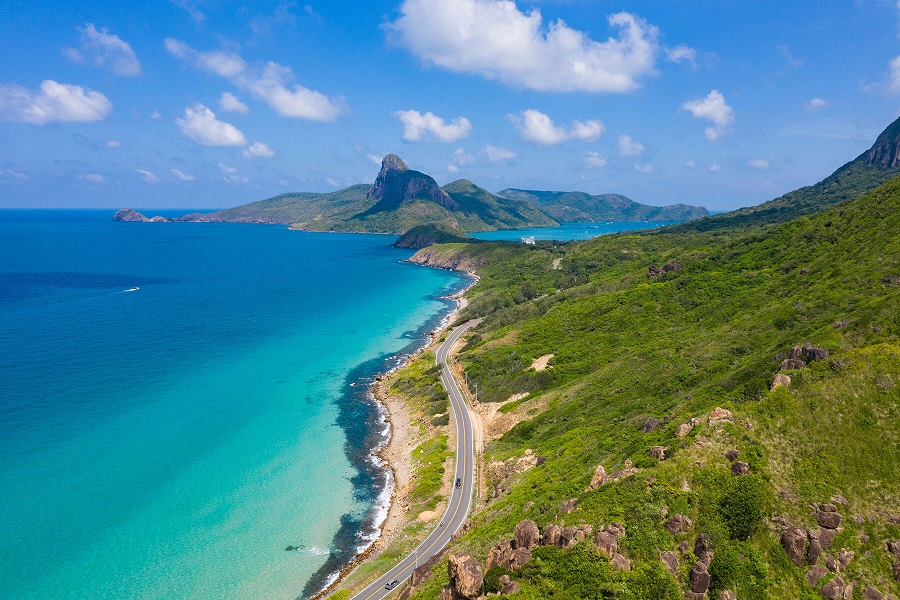

Southeast Asia is one of the world’s most popular travel destinations, attracting millions of tourists annually. Its tropical climate, diverse landscapes, vibrant cultures, and rich history make it an appealing choice for travelers seeking adventure, relaxation, or cultural immersion. However, understanding the region’s climate patterns is essential for planning a successful trip. While Southeast Asia is generally warm year-round, seasonal variations, rainfall patterns, and humidity levels can significantly impact travel experiences. For most travelers, the period from November to March offers the most favorable conditions for exploring this tropical paradise.
This article explores the intricacies of Southeast Asia’s tropical climate, regional variations, the best travel strategies for the November-March window, and practical tips for maximizing comfort and enjoyment during this period. Whether you’re planning a beach vacation, cultural exploration, or nature-focused adventure, understanding the climate will allow you to optimize your trip and avoid seasonal challenges.
Understanding Southeast Asia’s Tropical Climate
Southeast Asia encompasses a vast region including countries such as Thailand, Vietnam, Cambodia, Laos, Malaysia, Singapore, Indonesia, the Philippines, and Myanmar. Despite the geographical diversity, the region generally experiences a tropical climate, characterized by high temperatures, high humidity, and distinct wet and dry seasons.
Key Features of the Tropical Climate
- High Temperatures Year-Round
- Average temperatures range between 25°C and 32°C (77°F–90°F) across most regions.
- Coastal areas and islands may experience slightly cooler breezes, particularly during the dry season.
- High Humidity
- Humidity levels often exceed 70%, particularly in coastal and lowland areas.
- Morning and late-night humidity can be lower, offering more comfortable conditions for outdoor activities.
- Distinct Wet and Dry Seasons
- The tropical climate includes pronounced wet (monsoon) and dry periods.
- Weather patterns vary depending on the region and prevailing monsoon winds.
- Equatorial Sun Exposure
- Southeast Asia is near the equator, meaning consistent daylight hours and strong UV radiation.
- Travelers should plan sun protection measures even during cooler months.
Regional Variations in Climate
While the overall climate is tropical, each country and region experiences slightly different patterns influenced by monsoons, topography, and proximity to the ocean. Understanding these variations is crucial for travel planning.
1. Thailand
- North and Central Thailand (Bangkok, Chiang Mai, Chiang Rai)
- November to March is the dry season, with moderate temperatures (25°C–30°C).
- Cooler evenings are common in northern areas, making it ideal for trekking.
- Southern Thailand (Phuket, Krabi, Koh Samui)
- Western coast (Andaman Sea) is driest from November to March, perfect for beaches.
- Eastern coast (Gulf of Thailand) may experience occasional rain but remains generally favorable.
2. Vietnam
- Northern Vietnam (Hanoi, Ha Long Bay)
- November to March features cooler, drier weather with temperatures between 18°C–25°C.
- Ideal for cultural tours, trekking, and exploring historical sites.
- Central Vietnam (Da Nang, Hoi An)
- November to March is the tail end of the wet season; occasional rains may occur.
- Southern Vietnam (Ho Chi Minh City, Mekong Delta)
- November to March is dry and sunny, perfect for river cruises and rural exploration.
3. Cambodia and Laos
- Both countries enjoy cooler, dry weather during this period.
- Daytime temperatures are comfortable for visiting temples, historical sites, and nature reserves.
- Humidity is lower than during the wet season, making outdoor activities more enjoyable.
4. Malaysia and Singapore
- Equatorial climate means consistent temperatures (27°C–32°C) year-round.
- November to March sees regional variation:
- Peninsular West Coast (Langkawi, Penang): moderate rainfall, generally pleasant.
- East Coast (Perhentian Islands, Tioman): higher rainfall, less suitable for beach travel.
- Singapore experiences short, frequent rain showers but remains manageable for city tourism.
5. Indonesia (Bali, Java, Sumatra)
- November to March is typically the wet season in most of Indonesia, with heavy rainfall and high humidity.
- Bali and Lombok can experience brief sunny periods, but travelers should plan indoor or cultural activities during this time.
- Dry season (April to October) is more suitable for beach-focused trips in Indonesia.
6. The Philippines
- Northern and central islands enjoy drier conditions from November to March.
- Southern regions (Mindanao) may experience intermittent rain.
- Ideal for beach activities, diving, and island-hopping during this period.
Why November to March is Ideal for Travel
The November-March window is considered the peak tourist season for most of Southeast Asia. Several factors contribute to this:
- Lower Rainfall
- Many popular destinations experience their dry season, reducing the risk of monsoon disruptions.
- Moderate Temperatures
- Cooler temperatures in northern and central regions make sightseeing and outdoor activities more comfortable.
- High Visibility for Outdoor Activities
- Dry weather ensures clear skies for trekking, diving, and photography.
- Festivals and Cultural Events
- Many local festivals take place during this period, such as Thailand’s Loy Krathong and Cambodia’s Water Festival (dates vary).
- Optimal Beach Conditions
- Coastal areas and islands experience calm seas and sunny days, perfect for swimming, snorkeling, and sunbathing.
Travel Strategies for the Dry Season
To make the most of travel in Southeast Asia’s tropical climate from November to March, travelers should adopt specific strategies.
1. Prioritize Coastal Regions During Peak Dry Months
- Western Thailand, southern Vietnam, and the Philippines’ northern islands are excellent choices for sun-seekers.
- Book accommodations early, as peak season brings higher demand.
2. Explore Inland Destinations Early or Late in the Season
- Northern Thailand and Vietnam are cooler and less humid, perfect for trekking and cultural exploration.
- Visiting in November or March allows for slightly lower tourist crowds while avoiding the monsoon.
3. Balance Beach and Cultural Experiences
- Many travelers combine beach resorts with inland adventures, leveraging the dry weather for outdoor activities and temple visits.
- Use travel apps or guides to map itineraries that reduce transit time between destinations.
4. Protect Against Strong Sun Exposure
- UV rays can be intense during the dry season.
- Use sunscreen, sunglasses, hats, and lightweight breathable clothing for maximum comfort and protection.
5. Hydrate and Adjust to Humidity
- Despite the dry season, humidity can remain high, particularly in coastal areas.
- Drink plenty of water, and schedule outdoor activities during morning or late afternoon to avoid midday heat.
Packing Tips for Tropical Travel
Traveling to Southeast Asia during November to March requires careful planning in terms of clothing, gear, and accessories.
- Clothing
- Lightweight, breathable fabrics like cotton and linen.
- Long sleeves and pants for sun and mosquito protection.
- Light jacket for cooler evenings in northern regions.
- Footwear
- Comfortable walking shoes for urban and rural exploration.
- Sandals for beaches and casual outings.
- Accessories
- Wide-brimmed hat or cap.
- Sunglasses with UV protection.
- Reusable water bottle to stay hydrated.
- Travel Essentials
- Lightweight backpack for day trips.
- Rain poncho or umbrella for unexpected showers.
- Insect repellent to prevent mosquito-borne illnesses.
Activities Optimized for November-March Travel
Travelers can maximize enjoyment during this optimal season with a variety of activities tailored to the climate.
1. Beach and Water Activities
- Swimming, snorkeling, and diving are ideal in coastal areas with clear waters.
- Popular destinations include Phuket, Krabi, Bali, Palawan, and Langkawi.
2. Trekking and Nature Exploration
- Northern Thailand, Laos, and Vietnam offer cool, dry conditions perfect for hiking and nature treks.
- National parks and highland areas are accessible without monsoon disruption.
3. Cultural Tours
- Dry season allows for comfortable exploration of temples, historical sites, and local villages.
- Notable sites: Angkor Wat (Cambodia), Bagan (Myanmar), Hoi An (Vietnam).
4. Festivals and Events
- Loy Krathong in Thailand (November): Lantern festival on rivers.
- Tet Festival in Vietnam (January/February): Lunar New Year celebrations.
- Chinese New Year celebrations in major Southeast Asian cities.
Conclusion: Planning for Tropical Perfection
Southeast Asia’s tropical climate offers unique travel opportunities, and the November-to-March window is the best period for most destinations. With dry weather, moderate temperatures, and optimal beach conditions, travelers can fully immerse themselves in the region’s natural beauty, vibrant cultures, and diverse activities. Proper planning—including understanding regional climate variations, packing suitable clothing, and strategically scheduling activities—ensures a comfortable, enjoyable, and unforgettable travel experience.
By respecting the rhythms of the tropical climate and leveraging the dry season to explore both inland and coastal destinations, travelers can experience Southeast Asia at its finest. From lush mountains and cultural landmarks to pristine beaches and bustling markets, Southeast Asia during November to March is a paradise waiting to be explored, offering the perfect blend of adventure, relaxation, and cultural immersion.