




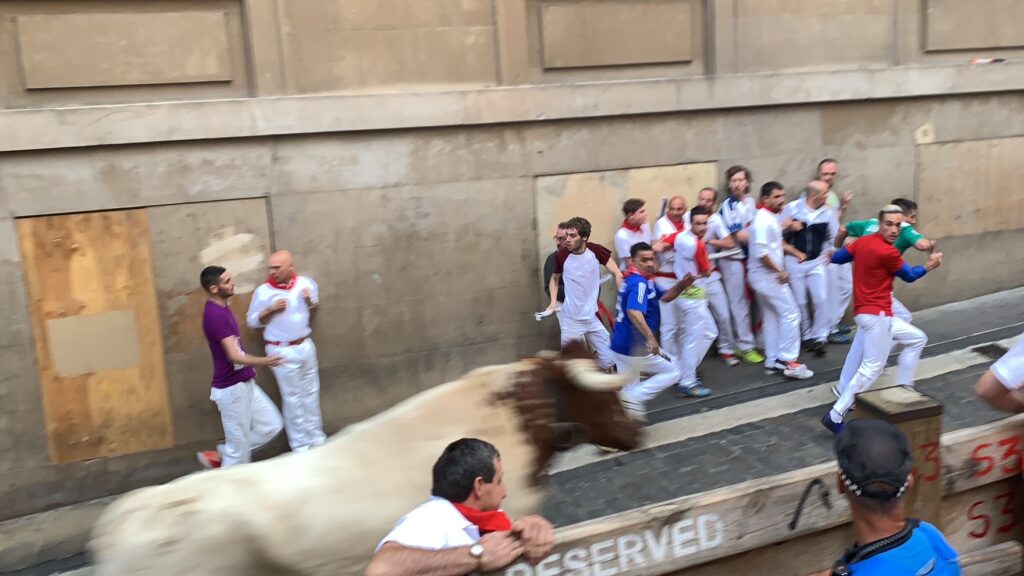

Every year, thousands of tourists and locals flock to the streets of Pamplona, Spain, to witness one of the most adrenaline-pumping and controversial events in the world—the Running of the Bulls, part of the larger San Fermín Festival. This centuries-old tradition has become synonymous with the city of Pamplona, attracting spectators and thrill-seekers from all corners of the globe. But what exactly is the Running of the Bulls, and how did it come to embody the spirit of Spanish culture and tradition?
This article provides a comprehensive exploration of the Running of the Bulls, its history, cultural significance, and the debates surrounding its ethics. From its origins to its global appeal, we’ll dive deep into what makes this event a must-see for many and an area of controversy for others. Whether you’re planning to witness the excitement firsthand or simply want to learn more, this guide will give you all the essential information about one of Spain’s most famous and thrilling festivals.
1. The History of the Running of the Bulls
1.1. Origins of the Tradition
The Running of the Bulls (or Encierro) is believed to have originated in the early 14th century as a means of transporting bulls from the finca (ranch) to the plaza de toros (bullring) for the evening’s bullfights. Historically, young men would run ahead of the bulls to guide them along the streets to the bullring, using this as both a practical and competitive task.
Over time, the practice evolved into a dangerous and exhilarating spectacle. Initially, it was a rite of passage for young men, testing their courage and agility in front of a crowd. By the early 19th century, the Running of the Bulls had become an integral part of the San Fermín Festival, which had been established in honor of Saint Fermín, the patron saint of Navarre.
1.2. The San Fermín Festival: A Religious and Cultural Event
The San Fermín Festival, or Fiesta de San Fermín, is held annually from July 6th to 14th in Pamplona, and it’s one of the most famous festivals in Spain. The festival honors Saint Fermín, the first bishop of Pamplona, who is said to have been martyred in the 3rd century. It combines both religious observances, including processions and masses, with secular activities like bullfights, music, and dancing.
The Running of the Bulls is the most iconic event of the San Fermín Festival, but it is only one part of a larger celebration. The festival also includes street parties, traditional Basque dances, and fireworks, all set against the backdrop of the historic city of Pamplona.
1.3. The Role of the Bulls in Spanish Tradition
Bulls have long been a symbol of Spanish culture, deeply embedded in the country’s history and traditions. The bullfight, known as corrida de toros, is a controversial yet integral part of Spanish identity. The Running of the Bulls, while not directly related to the bullfighting itself, is a natural extension of this cultural connection to bulls, particularly in the region of Navarre, where Pamplona is located.
2. The Running of the Bulls: Event Overview
2.1. The Event: What Happens During the Encierro
The Running of the Bulls takes place early in the morning on the streets of Pamplona. The bulls are released from their pens at the starting point, usually located near the Santo Domingo street. From there, participants—dressed in traditional white clothing with red scarves—run in front of the bulls as they make their way through the narrow streets towards the bullring.
The run lasts approximately 2-3 minutes, with the bulls charging down the streets at speeds of up to 25 miles per hour. The entire route is about 825 meters (half a mile) long, and the event typically involves several runs each day. It is important to note that the bulls are not the only dangers—there are often participants who fall, become injured, or are trampled, adding to the inherent risk of the event.
- The Bulls: The bulls used in the Encierro are typically fighting bulls, a breed known for its agility and aggression. The bulls’ speed and strength make them formidable adversaries, which contributes to the thrill of the event.
- The Runners: Participants in the Encierro come from all over the world, though many are experienced local runners who take part in the event annually. They must follow strict rules to ensure their safety and the safety of the bulls. Running ahead of the bulls is the primary goal, but some participants may also attempt to “touch” or “taunt” the bulls for additional excitement.
2.2. The Bullfight: The Culmination of the Running of the Bulls
After the bulls complete their run through the streets, they are led into the bullring for a bullfight. The bullfight, or corrida, is a traditional Spanish event where the bulls are pitted against matadors in a series of staged fights. The matador’s goal is to subdue and ultimately kill the bull in a choreographed performance that has been both revered and criticized for centuries.
While the Running of the Bulls and the bullfight are distinct events, they are intrinsically linked, and many festival-goers attend both. The bullfight takes place in the evening after the Encierro, completing the ritual of bull-related events for the day.
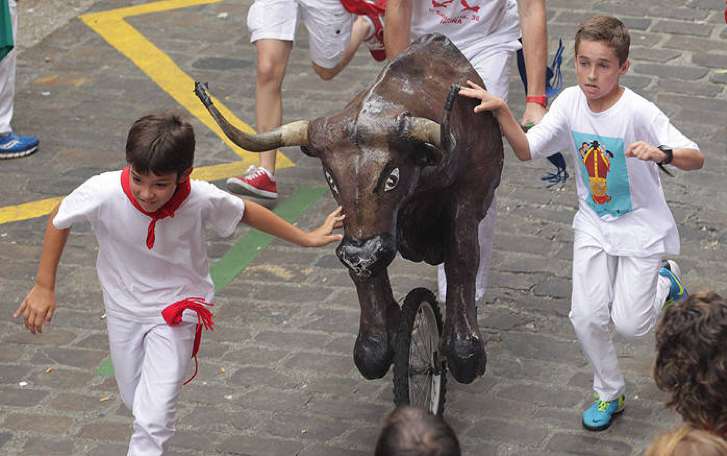
3. The Cultural Significance of the Running of the Bulls
3.1. Tradition and National Identity
The Running of the Bulls is not just a thrilling event; it is a cornerstone of Spanish cultural identity. For centuries, the spectacle has served as a symbol of Spanish bravery, machismo, and endurance. The event has also become a focal point for showcasing the unique traditions of Pamplona and the surrounding region of Navarre.
The San Fermín Festival, including the Running of the Bulls, is deeply woven into the social fabric of the region. It is a celebration of both local identity and Spanish heritage, bringing together people from all walks of life to partake in a shared experience of danger, excitement, and festivity.
3.2. International Appeal and Tourism
In recent decades, the Running of the Bulls has become a globally recognized event, attracting visitors from around the world. The excitement and spectacle of the event draw tourists to Pamplona each year, boosting the local economy and establishing the city as a premier destination for travelers seeking adventure.
While some may view the event as a dangerous or controversial tradition, many tourists are eager to take part in the Encierro or simply witness the spectacle from the safety of the sidelines. The festival is also an opportunity to experience other aspects of Spanish culture, from traditional Basque cuisine to folk dances and flamenco performances.
4. Ethical Considerations and Controversies
4.1. The Debate Over Animal Cruelty
Despite its popularity, the Running of the Bulls and the associated bullfighting events have long been the subject of intense ethical debates. Animal rights activists argue that these events are cruel and inhumane, as the bulls are often injured or killed during the corrida. The physical and emotional toll on the animals is a major point of contention, with critics calling for an end to the tradition altogether.
In recent years, there have been growing calls within Spain to either ban or significantly reform the practice of bullfighting and the Running of the Bulls. Several regions in Spain, including Catalonia, have already enacted bans on bullfighting, although the practice remains legal in Pamplona and other areas.
4.2. The Safety of Participants
The Running of the Bulls is an inherently dangerous event, and each year, there are reports of injuries, some of which are severe. While safety precautions have been put in place, such as barriers and medical staff stationed along the route, the risk of being gored or trampled remains high for participants. Many people have lost their lives or sustained life-changing injuries while running with the bulls.
For some, the risk is part of the thrill, and it is seen as a rite of passage. For others, the danger and the ethics of putting both humans and animals in harm’s way have led to calls for the event to be reexamined.
4.3. Efforts to Reform the Tradition
In response to mounting ethical concerns, there have been various efforts to modify the Running of the Bulls. Some advocates for the tradition argue that it should be preserved for cultural and historical reasons but that the event should evolve to reduce its environmental and ethical impact. This includes discussions about better treatment of the bulls, changes to the structure of the bullfight, and increased safety measures for participants.
5. The Global Influence of the Running of the Bulls
5.1. Media and Popular Culture
The Running of the Bulls has made its mark on popular culture, thanks in large part to Ernest Hemingway’s novel, “The Sun Also Rises”. Published in 1926, the novel brought international attention to the San Fermín Festival and immortalized the event in literature. The vivid depictions of the excitement, danger, and drama of the Running of the Bulls captivated readers and attracted tourists to Pamplona in droves.
Since then, the event has been featured in countless films, documentaries, and TV shows, further cementing its status as a global phenomenon.
5.2. Other Bull-Running Events Around the World
The influence of Spain’s Running of the Bulls has inspired similar events in other parts of the world. Some cities and towns, particularly in Latin America, have adopted their own versions of bull-running festivals. While these events often vary in their practices, they share a common goal: to recreate the excitement and spectacle of Pamplona’s famous Encierro.
Notable examples include:
- Cuéllar (Spain): The bull-running festival in this small town is similar to the Pamplona event but on a smaller scale.
- Tucumán (Argentina): Known for its own bull-running tradition, this event draws crowds from across the country.
6. Conclusion: The Future of the Running of the Bulls
The Running of the Bulls remains one of the most exhilarating and controversial cultural events in Spain. It is a celebration of bravery, tradition, and festivity, but also a focal point for debates on animal rights and participant safety. As Pamplona continues to welcome visitors from around the world each year, it remains to be seen how the tradition will evolve in response to growing ethical concerns.
For many, the San Fermín Festival and its famous Running of the Bulls are an unmissable experience that highlights the spirit of Spain. For others, the event represents a need for reflection on the balance between tradition and ethical considerations. Whether as a spectator or participant, the Running of the Bulls will continue to be a thrilling part of Spanish culture for years to come.