




Día de los Muertos, or The Day of the Dead, is one of the most iconic and cherished traditions in Mexican culture. While the concept of remembering the dead is universal, the way Mexicans celebrate it is unique, joyful, and deeply spiritual. Far from being a somber event, Día de los Muertos is a celebration of life, family, and remembrance. It is a time to honor the dearly departed, welcome their spirits back home, and celebrate their lives with love, festivity, and respect.
This vibrant holiday, celebrated primarily on November 1st and 2nd, is a blend of ancient indigenous beliefs and Catholic traditions. Over time, it has evolved into one of the most colorful, deeply emotional, and culturally significant festivals not just in Mexico, but across the world.
In this article, we will explore the rich history, symbolism, customs, and modern-day significance of Día de los Muertos, shedding light on why this celebration is so important to the Mexican people and what makes it so special to visitors from all over the globe.
1. The Origins of Día de los Muertos: A Fusion of Cultures
1.1. Pre-Columbian Origins: The Aztec and Indigenous Roots
The celebration of the dead in Mexico has deep pre-Columbian roots, particularly among the Aztecs, Maya, and other indigenous cultures. For these civilizations, death was not feared or mourned but understood as an integral part of life. In fact, death was seen as a continuation of existence, with souls believed to embark on a journey to the afterlife. The Aztecs in particular believed that souls traveled through Mictlán, the underworld, and that the dead could return to visit their families once a year.
The Aztec goddess Mictecacihuatl, also known as the Lady of the Dead, was believed to watch over the souls of the deceased, ensuring their safe passage to the afterlife. To honor her and to guide the spirits back, the Aztecs would offer food, flowers, and incense. This practice laid the groundwork for many of the rituals seen in Día de los Muertos today.
1.2. The Spanish Influence: Catholicism and the Blending of Traditions
When Spanish conquistadors arrived in Mexico in the 16th century, they brought with them Catholicism, which also had its own customs surrounding the dead, such as All Saints’ Day (November 1) and All Souls’ Day (November 2). These days were meant to honor the souls of the departed, and over time, these Catholic observances merged with indigenous practices.
The combination of Aztec reverence for the dead and Catholic traditions created the celebration of Día de los Muertos as it is known today. The festival became a synthesis of two worlds, preserving ancient customs while integrating new beliefs. Over the centuries, it grew in significance, becoming not only a religious observance but a celebration of family and community.
2. The Spiritual Meaning of Día de los Muertos
2.1. A Celebration of Life
Día de los Muertos is not a day of mourning; it is a day to celebrate the lives of those who have passed. The Mexican worldview sees death as a natural and inevitable part of life. Therefore, the festival’s purpose is not to focus on sorrow or loss but to honor the deceased by recalling the good memories, celebrating their legacy, and welcoming their spirits back for a brief visit.
This positive approach to death is what makes Día de los Muertos so unique. Instead of fearing death, Mexicans embrace it as part of the natural cycle. The spirits of the dead are believed to return to their homes for a time to visit their families. Altars, or ofrendas, are created to honor the deceased, with families offering food, drinks, and personal items that the departed enjoyed in life.
2.2. The Role of the Ofrenda (Altar)
At the heart of Día de los Muertos celebrations is the ofrenda, an altar dedicated to the deceased. These altars are carefully decorated with items that represent both the living and the dead, creating a bridge between the two realms. The ofrenda serves as a homecoming for the souls of the departed, and the items placed on it are meant to welcome and honor them.
Key elements of the ofrenda include:
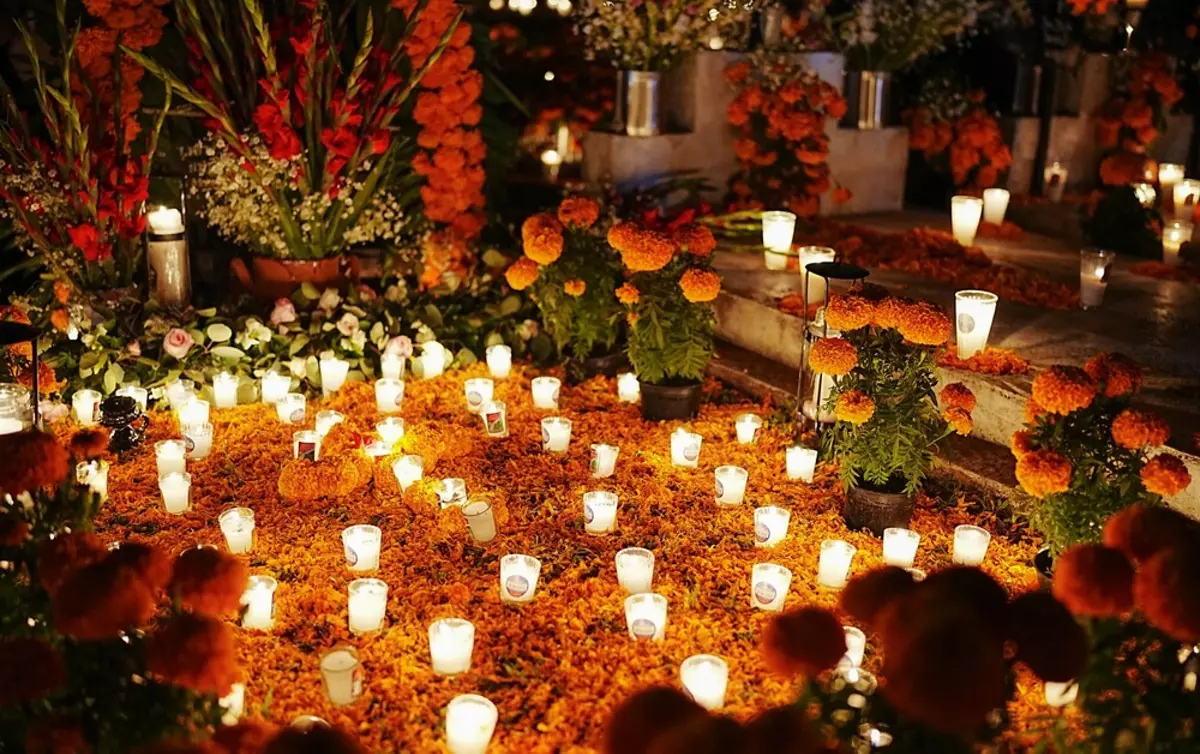
- Marigolds (Cempasúchil): Bright orange marigolds are used to decorate the altar and pathways leading to it. The vibrant color and scent of the flowers are believed to attract the spirits of the dead.
- Candles: Candles are lit to guide the souls of the deceased back to their families. The flame represents the light that guides them home.
- Food and Drinks: The deceased’s favorite food and drinks are placed on the altar as offerings. Common items include pan de muerto (bread of the dead), tamales, mole, and sugar skulls.
- Photos and Personal Items: Families place photos of their departed loved ones on the altar, along with personal items that remind them of the deceased.
- Paper Cutouts (Papel Picado): Colorful paper cuttings are often draped over the altar, symbolizing the fragility of life.
The ofrenda serves as both a sacred space and a joyous celebration of the deceased’s life, with each element having its own symbolism.
3. The Rituals and Traditions of Día de los Muertos
3.1. Día de los Muertos for Children (Día de los Angelitos)
The first day of the festival, November 1st, is dedicated to children who have passed away, known as Día de los Angelitos (Day of the Little Angels). This day is marked by a more peaceful and tender atmosphere, where families set up altars specifically for children. The altars are decorated with toys, candies, and favorite foods of the young departed.
The rituals surrounding Día de los Angelitos focus on gentle remembrance, and the spirits of children are thought to return to play with their families and enjoy their favorite treats.
3.2. Día de los Muertos for Adults
The second day of the festival, November 2nd, is dedicated to honoring the spirits of adults who have passed away. On this day, the celebrations become larger and more public, with grand processions and musical performances in many Mexican cities, especially in places like Oaxaca, Mexico City, and Puebla.
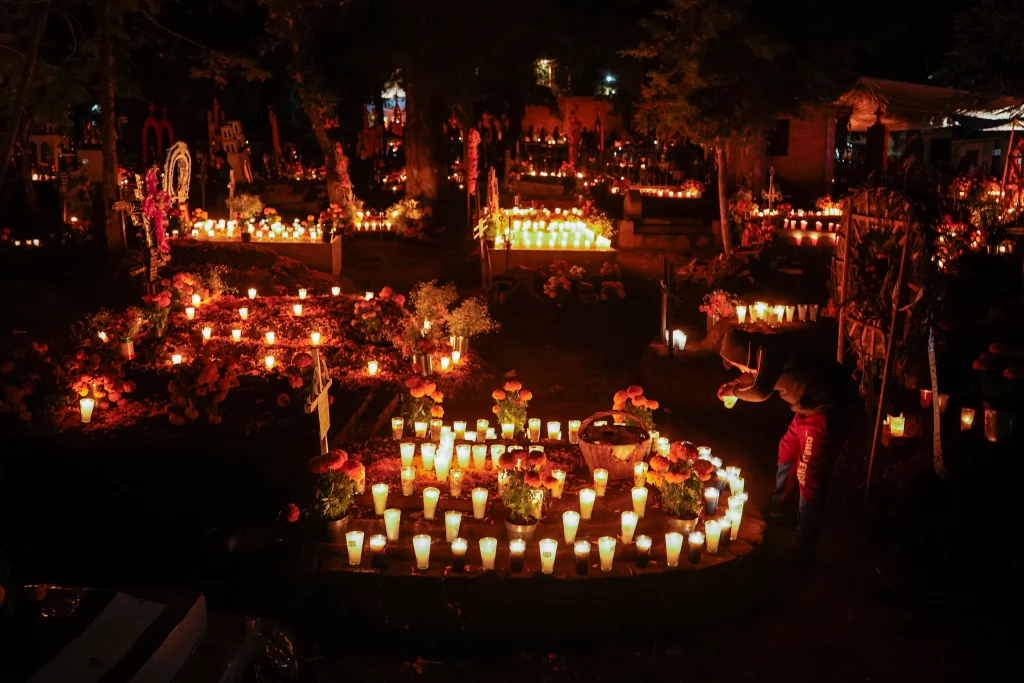
In the evening, families gather in the cemeteries, where they light candles at the gravesites of their loved ones. It’s a communal experience, with people often spending the night in the graveyard, talking to their loved ones, playing music, and sharing food.
3.3. The Role of Music, Dance, and Costumes
Music and dance are integral to Día de los Muertos celebrations. Traditional mariachi bands, ranchera music, and Mexican folk dances can be heard throughout the festival. Many communities also hold processions featuring colorful costumes and painted faces, often depicting skeletons or calaveras (skulls), which are symbolic of the dead.
The Catrina, a female skeleton figure wearing an elegant hat and colorful dress, is one of the most recognizable symbols of Día de los Muertos. Originally a political caricature created by Mexican artist José Guadalupe Posada, the Catrina has become a symbol of the festival, representing the idea that death is a leveler that touches everyone, regardless of social status.
4. The Global Influence and Modern-Day Celebrations
4.1. Día de los Muertos in Mexico’s Major Cities
While Día de los Muertos has traditionally been a celebration of the rural Mexican communities, it has spread to urban areas as well. In cities like Mexico City, Oaxaca, and Puebla, the festival has become a major public event, with large parades, art exhibitions, and festivals.
In Mexico City, for example, there is an annual Day of the Dead parade, featuring giant skeleton puppets, mariachi bands, and floats decorated in honor of the dead. The Zócalo (main square) becomes a hub for artistic installations and cultural performances.
4.2. Día de los Muertos Around the World
Día de los Muertos has also gained global recognition and is celebrated outside of Mexico in cities with large Mexican communities, such as Los Angeles, Chicago, San Francisco, and New York. In these cities, public festivals, art installations, and street parades take place, with an emphasis on the rich cultural history and the beauty of the tradition.
The rise of globalization and increasing interest in Mexican culture have brought Día de los Muertos into mainstream awareness, even inspiring events and art exhibitions across Europe, Asia, and beyond.
5. Conclusion: Día de los Muertos as a Celebration of Love and Remembrance
Día de los Muertos is far more than just a celebration of death. It is a celebration of life, family, love, and memory. This joyful occasion, rich with symbolism and tradition, allows Mexicans to honor their loved ones who have passed while embracing the inevitable cycle of life and death. The ofrendas, sugar skulls, marigolds, and candles come together in a vibrant tapestry of culture, history, and spirituality.
Through this celebration, we are reminded that the dead live on in our memories, and that their spirits remain a part of our lives. The unity between the living and the dead during Día de los Muertos fosters a deep sense of connection, reflection, and joy—one that transcends borders, bringing people together to honor those who came before them.
In embracing this beautiful tradition, we are not only honoring the past but celebrating the continued presence of our loved ones in our hearts. Día de los Muertos is a timeless reminder that life and death are intertwined, and that our connections to those we love never truly end.