






Hiking is one of the most rewarding outdoor activities, offering a unique blend of physical exercise, mental clarity, and connection to nature. Whether you’re a seasoned hiker or a beginner, one of the most important decisions you’ll make is selecting the right hiking trail. The best trail for you depends on various factors such as your fitness level, experience, interests, and the environment you want to explore. With so many options to choose from across the globe, selecting the ideal hiking route can seem overwhelming.
This article will provide a comprehensive guide on how to choose the right hiking trail for your next adventure. From understanding your own capabilities to evaluating the difficulty and safety of different routes, we’ll cover everything you need to know to ensure your hike is enjoyable, safe, and well-suited to your needs.
1. Understanding Your Hiking Goals and Abilities
1.1. Self-Assessment: Know Your Fitness Level and Experience
Before choosing a hiking trail, it’s essential to assess your fitness level and hiking experience. Trails vary significantly in terms of difficulty, terrain, and length, and it’s important to choose a route that aligns with your abilities to avoid unnecessary strain or injury.
- Beginner Hikers: If you’re new to hiking, you’ll want to start with easy or moderate trails. These typically have gentle slopes, well-maintained paths, and shorter distances. Look for trails that are family-friendly or scenic without extreme elevation changes.
- Intermediate Hikers: For those with some hiking experience, moderate trails with varying terrain, longer distances, and higher elevation gains will provide a satisfying challenge. Intermediate trails often include a mix of flat sections and uphill climbs, but they are still manageable for most people with average fitness.
- Advanced Hikers: Experienced hikers can consider challenging and strenuous routes that may involve rugged terrain, steep ascents, and longer distances. These trails often require specialized gear, such as trekking poles, sturdy footwear, and mountain climbing equipment.
- Special Considerations for People with Disabilities: If you or someone in your group has mobility issues, consider selecting wheelchair-accessible or easy terrain trails. Many national parks and conservation areas now offer accessible trails designed to accommodate all levels of mobility.
1.2. Understanding Trail Difficulty Levels
To make an informed decision, it’s important to understand the common classification of hiking trail difficulties:
- Easy Trails: These are typically short, well-maintained trails with minimal elevation changes. They are ideal for beginners or those looking for a light, relaxing hike. Examples include nature walks, botanical garden tours, or easy coastal paths.
- Moderate Trails: These trails may involve more significant elevation gain, longer distances, and uneven terrain. They are suitable for those who have some experience with hiking and are in good physical condition. The terrain may include rocky paths, streams, and forested areas.
- Strenuous Trails: These are for advanced hikers who are accustomed to long, challenging hikes. Strenuous trails often have steep ascents, difficult terrain, and can span multiple days. They may also require technical skills in mountaineering or backcountry navigation.
- Technical or Expert Trails: These routes are designed for experienced and specialized hikers, often requiring advanced skills in navigation, climbing, or wilderness survival. They may involve high-altitude trekking, rock scrambles, and extreme conditions.
2. Considering Trail Length and Time Constraints
2.1. Short Day Hikes vs. Multi-Day Treks
Another important factor when choosing a trail is the length of the hike. Consider how much time you can realistically dedicate to your hike.
- Day Hikes: Day hikes are great for those looking for a quick escape into nature. These hikes typically range from a few miles to around 10 miles and can be completed in a single day. Day hikes often involve circular routes or trailheads that loop back to the starting point, making them a convenient option.
- Overnight Hikes (Multi-Day Treks): If you’re looking for a more immersive hiking experience, multi-day treks may be more suitable. These hikes typically involve carrying camping gear, staying at backcountry campsites, and completing a longer route that takes more than one day. Ensure you have the proper backpacking equipment, such as a sleeping bag, tent, and portable stove for these types of trips.
2.2. Calculating Hiking Time
When choosing a trail, it’s important to estimate how long it will take to complete. Some trails list estimated hiking times, while others provide distance and elevation data to help you gauge how long the hike may take.
For example, an easy 3-mile trail with little elevation gain may take about 1-2 hours, while a 10-mile trail with a steep ascent could take 5-7 hours. Make sure to allow extra time for breaks, meals, and sightseeing.
If you’re planning a multi-day hike, factor in time for setting up camp, preparing meals, and rest days for recovery.
3. Researching and Selecting Trails Based on Environment
3.1. Trail Type and Terrain
Different trails offer different experiences, depending on the terrain and environment. Consider the type of landscape you want to explore:
- Mountain Trails: These trails offer dramatic views, alpine lakes, and varying elevations. Mountain hiking often involves steep ascents, rocky paths, and breathtaking panoramas. Some iconic mountain hikes include Mount Everest Base Camp in Nepal and The Inca Trail to Machu Picchu in Peru.
- Coastal Trails: Coastal hikes are perfect for those who enjoy ocean views, beach walking, and cliffside vistas. These trails often involve gentle elevation changes, with sandy beaches or rocky coastlines providing a scenic backdrop. Famous coastal hikes include the Pacific Crest Trail in California and Cape Cod National Seashore in Massachusetts.
- Desert Trails: Desert hikes are ideal for those who enjoy arid landscapes and wide-open spaces. Desert trails often feature sand dunes, rock formations, and cactus plants, but can be extremely hot and challenging during summer months. Notable desert hikes include Joshua Tree National Park in California and the Wadi Rum desert in Jordan.
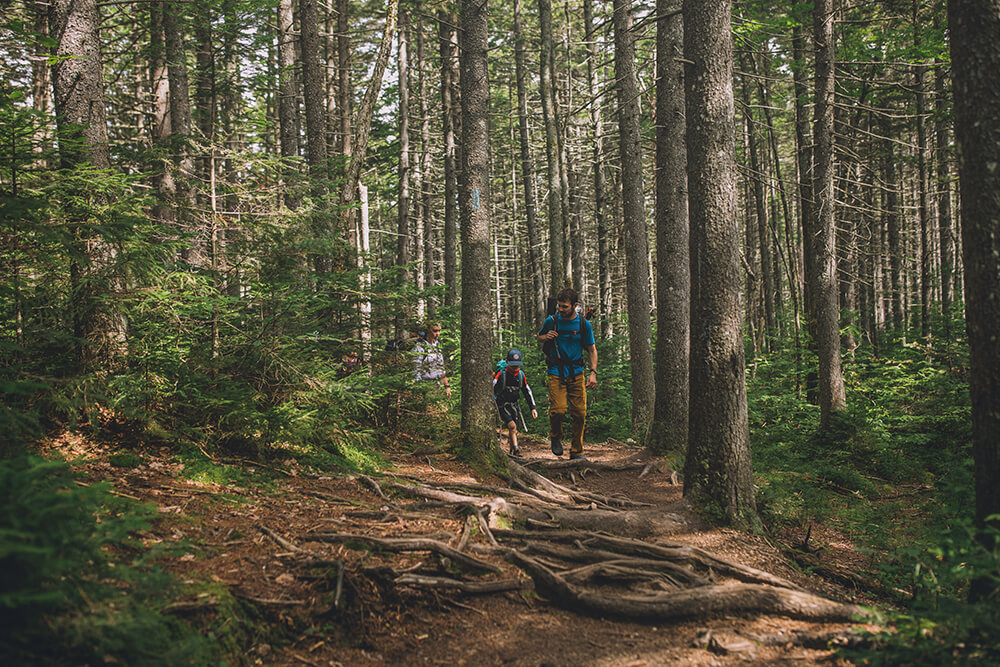
- Forest and Woodland Trails: These trails provide a peaceful, shaded environment and are ideal for those seeking quiet and relaxation. Woodlands and forests often feature lush greenery, stream crossings, and a rich diversity of flora and fauna. Shenandoah National Park in Virginia and Black Forest in Germany are prime examples.
- Waterfall and River Trails: If you’re drawn to the sound of running water, consider trails that lead to stunning waterfalls or rivers. These trails tend to be easier and shorter, perfect for day hikes. The Niagara Falls Trail in Canada and the Havasu Falls in Arizona are iconic examples.
3.2. Considering Seasonal Factors
The best time to hike depends on the location and the time of year. Before committing to a trail, consider seasonal conditions and the climate:
- Spring and Fall: These seasons offer moderate temperatures, clear skies, and often fewer crowds. Fall is a great time to explore trails with stunning foliage, such as those in New England or the Canadian Rockies.
- Summer: Summer is ideal for high-altitude or northern hikes, but be aware of high temperatures, particularly in desert regions. Always plan for hydration and sun protection.
- Winter: Winter offers opportunities for snowshoeing or cross-country skiing in colder regions. However, conditions can be challenging, and winter trails require specialized gear such as crampons and ice axes.
4. Safety Considerations and Trail Conditions
4.1. Researching Trail Safety
Before embarking on a hike, it’s important to research trail conditions, including any potential hazards, weather forecasts, and the current state of the trail (such as landslides or closures). Websites like AllTrails or TrailLink provide user reviews and up-to-date information on trail conditions.
Other safety considerations include:
- Wildlife: Research the wildlife in the area, such as bears, mountain lions, or snakes, and make sure you take appropriate precautions. Carrying bear spray or making noise while hiking in bear country can help avoid dangerous encounters.
- Trail Navigation: Make sure to have a map or GPS device and ensure you know how to read trail markers. In remote areas, carrying a compass and basic survival gear is highly recommended.
- Communication: Ensure you have a way to communicate in case of an emergency. Some areas have limited cell phone service, so consider bringing a satellite phone or personal locator beacon (PLB).
4.2. Trail Permits and Regulations
Certain trails, especially in national parks or protected areas, may require permits for hiking, camping, or overnight stays. Ensure you research these regulations ahead of time and apply for permits in advance if needed.
5. Conclusion: Making the Right Choice
Choosing the right hiking trail is a process that involves considering your physical abilities, interests, safety, and the environmental conditions of your chosen route. Whether you’re seeking a relaxing day hike or a challenging mountain trek, understanding the difficulty level, trail length, terrain, and safety measures will ensure a successful and enjoyable adventure.
By conducting thorough research, preparing adequately, and selecting a trail that suits your abilities and goals, you can ensure that your hike is a memorable experience that connects you to the beauty of the natural world.