




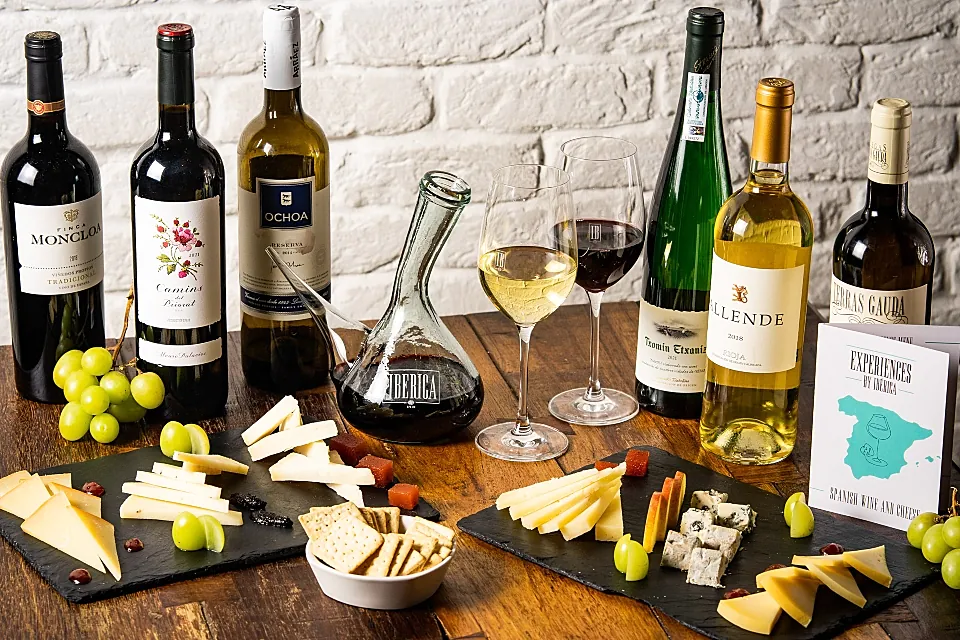

Introduction: Spain as a Global Pillar of Wine Civilization
Spain occupies a singular position in the global wine world. It is home to the largest vineyard area on Earth, one of the oldest uninterrupted winemaking traditions in Europe, and an extraordinary diversity of climates, soils, grape varieties, and regional identities. Spanish wine tasting, when understood professionally, is not merely about flavor appreciation—it is a structured cultural encounter that connects geography, history, agriculture, economics, and aesthetics.
Unlike more homogenized wine-producing nations, Spain resists simplification. A tasting journey through Spanish wines reveals sharp contrasts: austere high-altitude reds and sun-drenched Mediterranean whites; centuries-old oxidative styles and cutting-edge natural wines; deeply traditional classification systems and bold contemporary experimentation. This article offers a comprehensive, professionally oriented exploration of Spanish wine tasting, focusing on historical context, regional frameworks, grape varieties, stylistic categories, quality systems, and interpretive approaches—presented with clarity, depth, and refined structure.
1. Historical Foundations of Spanish Winemaking
1.1 Ancient Origins and Mediterranean Exchange
Viticulture in Spain predates the Roman Empire. Archaeological evidence suggests that the Phoenicians introduced cultivated vines to the Iberian Peninsula over 3,000 years ago. The Greeks expanded vineyard culture, but it was the Romans who systematized wine production, storage, and trade, establishing Spain as a major supplier of wine to the imperial world.
Roman amphorae bearing Iberian seals have been discovered across Europe, signaling early export networks. These foundations embedded wine deeply into Spanish rural life, religious ritual, and commerce.
1.2 Medieval Continuity and Monastic Influence
Following the fall of Rome, viticulture survived through monasteries and agrarian communities. Christian monasteries preserved vineyard knowledge, while Islamic rule—though religiously prohibitive of consumption—advanced agricultural science, irrigation, and land management. This paradoxical coexistence enriched Spain’s viticultural sophistication.
1.3 Modern Transformation and Global Recognition
The late 19th century brought crisis and renewal. The phylloxera epidemic devastated vineyards but also catalyzed modernization, particularly in regions like Rioja, where French winemaking techniques were adopted. In the late 20th and early 21st centuries, Spain re-emerged as a global leader, balancing heritage with innovation.
2. Spain’s Wine Geography: Diversity as Identity
Spain’s wine landscape is defined by dramatic geographic variation. Altitude, continental extremes, maritime influence, and soil heterogeneity create a mosaic unmatched in Europe.
2.1 Climate Zones
- Atlantic (Green Spain): Cool, humid regions producing fresh, aromatic wines
- Continental Interior: Hot summers, cold winters, structured reds
- Mediterranean Coast: Warm, dry conditions yielding ripe, expressive styles
2.2 Altitude and Soil
Many Spanish vineyards sit at elevations exceeding 700 meters. This altitude preserves acidity and aromatic complexity even in hot climates. Soils range from limestone and clay to slate (licorella) and sand, each shaping wine character profoundly.
3. The Spanish Quality System: Understanding Classification
3.1 Denominación de Origen (DO)
The backbone of Spanish wine regulation, DO status ensures geographic authenticity and minimum quality standards.
3.2 Denominación de Origen Calificada (DOCa)
Reserved for regions with consistent excellence and strict oversight. Currently:
- Rioja
- Priorat
3.3 Vino de la Tierra and Vino de España
These flexible categories allow experimentation beyond traditional rules, often associated with innovative producers.
3.4 Aging Classifications (for Many Regions)
- Joven: Minimal aging
- Crianza: Moderate aging
- Reserva: Extended aging
- Gran Reserva: Long aging with complexity emphasis
These terms reflect time and style, not necessarily quality hierarchy.
4. Major Spanish Wine Regions and Their Tasting Profiles
4.1 Rioja: Balance and Tradition
Rioja represents Spain’s most internationally recognized region. Known primarily for Tempranillo-based red wines, Rioja emphasizes balance, elegance, and aging potential.
Key characteristics:
- Red fruit, spice, leather, and earth
- Structured yet approachable profiles
- Strong oak integration traditions
Rioja also produces refined whites and rosés, increasingly valued for precision and freshness.
4.2 Ribera del Duero: Power and Altitude
Situated on the high plateau of Castile and León, Ribera del Duero is associated with intensity and structure.
Tasting identity:
- Dark fruit concentration
- Firm tannins
- Pronounced freshness due to altitude
Often compared to Rioja, Ribera wines express a more muscular, continental personality.
4.3 Priorat: Mineral Depth and Modern Prestige
Priorat, with its steep terraces and slate soils, produces some of Spain’s most distinctive wines.
Defining traits:
- Dense texture
- Mineral-driven profiles
- Low yields and high concentration
Priorat wines are often interpreted through a lens of terroir expression rather than tradition.
4.4 Rías Baixas: Atlantic Freshness
Located in Galicia, Rías Baixas is synonymous with Albariño, a white grape renowned for aromatic clarity.
Sensory profile:
- Citrus and stone fruit
- Saline, mineral notes
- Bright acidity
These wines reflect maritime influence and complement seafood-centered regional cuisine.
4.5 Sherry Triangle (Jerez): Oxidative Mastery
Southern Spain’s fortified wines represent one of the most complex wine traditions globally.
Key styles include:
- Fino and Manzanilla: Dry, biologically aged
- Amontillado: Transitional, nutty complexity
- Oloroso: Fully oxidative, rich and intense
Sherry tasting emphasizes structure, aging systems (solera), and historical continuity.
5. Indigenous Grape Varieties: Spain’s Genetic Wealth
Spain is a repository of indigenous grape varieties, many of which are now gaining international recognition.
5.1 Red Grapes
- Tempranillo: Structured, versatile, age-worthy
- Garnacha: Expressive, warm-climate adaptability
- Monastrell: Dense, Mediterranean intensity
- Mencía: Aromatic, fresh, Atlantic influence
5.2 White Grapes
- Albariño: Fresh, aromatic, saline
- Verdejo: Herbal, structured, versatile
- Godello: Textural, mineral-driven
- Xarel·lo: Backbone of quality Cava
These grapes are central to professional Spanish wine evaluation.
6. Interpreting Spanish Wine Styles
6.1 Traditional vs. Modern Expression
Traditional styles emphasize:
- Longer aging
- Subtle oxidation
- Savory complexity
Modern styles favor:
- Fruit purity
- Terroir transparency
- Precision and restraint
Professional tasting in Spain often involves understanding where a wine sits along this stylistic continuum.
6.2 Natural and Minimal-Intervention Wines
Spain has become an important center for low-intervention winemaking, particularly in Catalonia and central regions. These wines invite discussions around authenticity, variability, and sensory boundaries.
7. Spanish Wine and Food Culture: Contextual Meaning
Wine in Spain is culturally embedded rather than ceremonial. It accompanies daily meals, regional festivals, and communal gatherings. Tasting, in this context, is interpretive rather than performative—focused on harmony with food, season, and place.
This cultural framing shapes how wines are evaluated: balance and integration often matter more than sheer intensity.
8. Professional Perspectives on Spanish Wine Tasting
From an academic or industry standpoint, Spanish wine tasting involves:
- Comparative regional analysis
- Historical awareness
- Climate and soil interpretation
- Stylistic literacy
Rather than prescribing consumption behaviors, professional tasting emphasizes observation, comparison, and contextual understanding.
9. Spain in the Global Wine Conversation
Spain’s influence extends beyond exports. Its approaches to vineyard sustainability, indigenous varietal revival, and adaptive responses to climate change are shaping global discourse. Spanish wines increasingly feature in academic curricula, professional certifications, and comparative tastings worldwide.
10. The Future of Spanish Wine
10.1 Climate Adaptation
Higher-altitude vineyards, drought-resistant varieties, and revised harvest strategies are reshaping Spanish viticulture.
10.2 Rediscovery of Forgotten Regions
Areas such as Bierzo, Sierra de Gredos, and Canary Islands are gaining recognition for distinctive terroir expression.
10.3 Cultural Preservation Through Innovation
Spain’s future lies not in abandoning tradition, but in reinterpreting it intelligently for a changing world.
Conclusion: Tasting as Cultural Literacy
Spanish wine tasting, when approached professionally, is an act of cultural literacy rather than indulgence. It requires historical awareness, geographic sensitivity, and an appreciation for diversity over uniformity. Spain does not offer a single narrative of wine excellence—it offers many, often contradictory, stories told through land, grape, and time.
To study Spanish wine is to encounter resilience, adaptation, and creativity across centuries. Its wines are not only agricultural products but also intellectual artifacts—expressions of place that invite understanding, comparison, and respect.
In this sense, Spanish wine tasting stands as a model for how food and drink traditions can be analyzed, preserved, and appreciated as integral elements of human culture.