




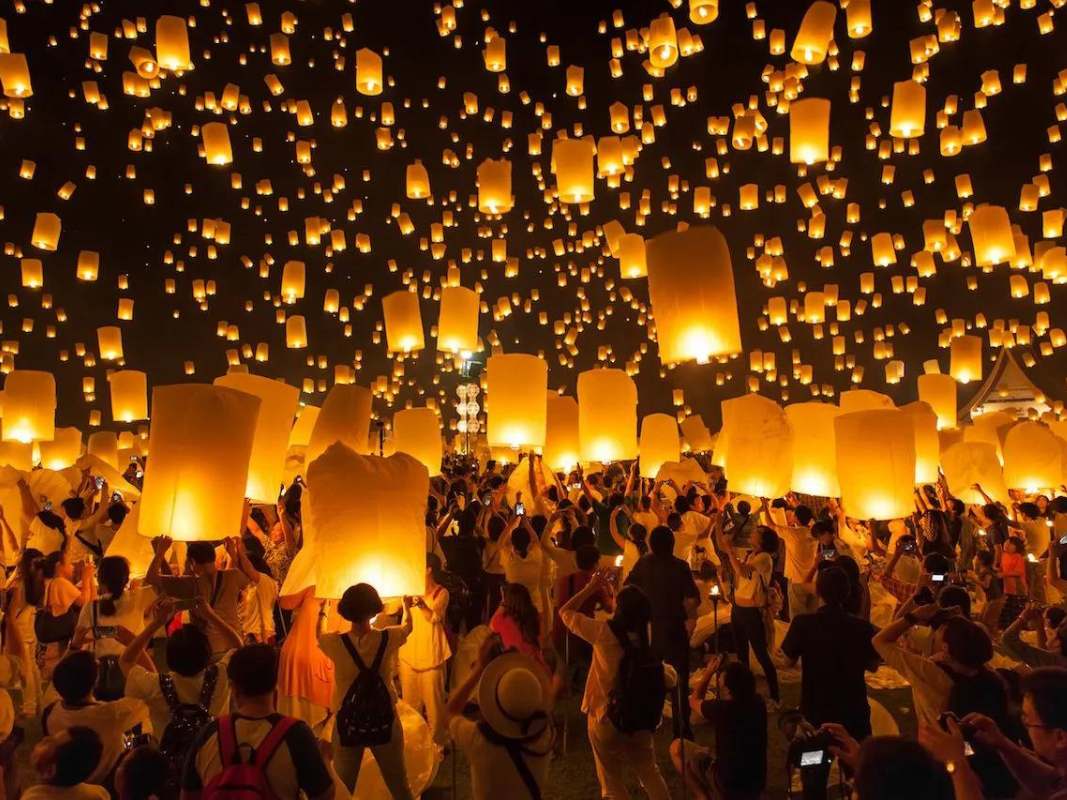

Introduction: Why Festivals Matter in Human Civilization
Across continents, languages, religions, and historical periods, festivals and celebrations have remained a constant feature of human societies. While their forms, symbols, and meanings vary widely, their presence is universal. From harvest rituals in agrarian communities to national holidays in modern states, from religious observances to secular cultural events, festivals serve as powerful expressions of collective identity and shared values.
Festivals are not merely occasions for entertainment or leisure. They are social institutions—structured moments in time when communities reaffirm beliefs, transmit traditions, negotiate change, and strengthen social bonds. Through music, food, dance, ritual, storytelling, and symbolism, festivals condense cultural meaning into lived experience.
In a rapidly globalizing and digitizing world, festivals continue to play a crucial role in preserving cultural continuity while also adapting to contemporary realities. This article provides a comprehensive, professionally grounded exploration of festivals and celebrations as essential components of culture. It examines their historical origins, social functions, symbolic structures, psychological impacts, economic and political dimensions, and evolving roles in modern societies.
1. Defining Festivals and Celebrations in Cultural Context
1.1 What Is a Festival?
A festival can be defined as a periodically recurring, socially sanctioned event that involves collective participation and symbolic activity. Unlike everyday routines, festivals are marked by a sense of exceptionality: special behaviors, clothing, foods, and spaces are activated for a limited time.
Key characteristics of festivals include:
- A defined time frame
- Communal participation
- Symbolic or ritual elements
- Cultural or social significance
Celebrations may be religious, seasonal, historical, political, or purely cultural, but all serve to distinguish certain moments as meaningful.
1.2 Festivals Versus Everyday Life
Anthropologists often describe festivals as moments of “ritual interruption”—temporary breaks from ordinary life that allow communities to reflect on who they are and what they value. During festivals, normal hierarchies may be relaxed, work routines suspended, and social roles temporarily reshaped.
This contrast between the ordinary and the extraordinary gives festivals their emotional power and cultural significance.
2. Historical Origins of Festivals
2.1 Seasonal and Agricultural Foundations
Many of the world’s earliest festivals were tied to natural cycles, particularly agriculture. Harvest festivals, planting rituals, and solstice celebrations emerged as ways to:
- Mark time
- Express gratitude
- Seek protection or abundance
These events reinforced humanity’s relationship with nature and acknowledged dependence on environmental forces.
2.2 Religious and Spiritual Roots
Religion has historically been a major driver of festival creation. Religious festivals commemorate:
- Mythological events
- Sacred figures
- Moral narratives
- Cycles of life, death, and renewal
Through ritual repetition, religious festivals transmit belief systems and ethical frameworks across generations.
2.3 Political and Social Commemoration
As societies became more complex, festivals also emerged to mark:
- National independence
- Historical victories or tragedies
- Foundational myths
Such celebrations help construct collective memory and legitimize social or political structures.
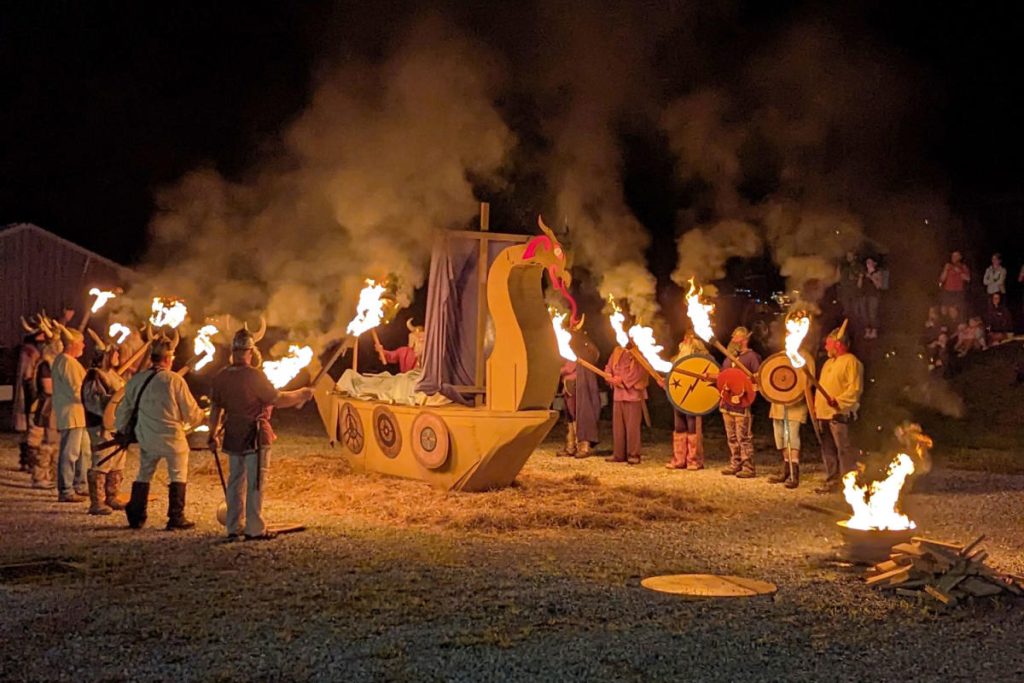
3. Festivals as Expressions of Cultural Identity
3.1 Collective Identity and Belonging
Festivals provide a powerful sense of belonging. Participation signals membership in a group, whether defined by nationality, ethnicity, religion, or locality. Shared songs, symbols, and rituals create emotional alignment among participants.
For individuals, festivals affirm:
- “Who we are”
- “Where we come from”
- “What we share”
This sense of collective identity is particularly important in times of social change or uncertainty.
3.2 Cultural Continuity and Transmission
Festivals function as living classrooms. Through repeated participation, children and newcomers learn:
- Cultural norms
- Historical narratives
- Artistic forms
- Social expectations
Unlike formal education, this learning is experiential, embodied, and emotionally engaging, making it highly effective for cultural transmission.
4. Symbolism and Ritual in Festivals
4.1 The Language of Symbols
Festivals are rich in symbolism. Colors, costumes, objects, foods, and gestures often carry layered meanings understood within the cultural context. These symbols communicate values and stories without relying solely on words.
For example:
- Light may symbolize renewal or hope
- Specific foods may represent prosperity or unity
- Circular dances may express continuity and balance
Understanding these symbols deepens appreciation of a festival’s cultural significance.
4.2 Ritual Structure and Meaning
Rituals provide structure to festivals. They often follow a sequence—preparation, performance, climax, and closure—mirroring cycles of transformation. Ritual repetition reinforces shared beliefs and creates a sense of stability and order.
At the same time, rituals are adaptable, allowing festivals to evolve while maintaining continuity.
5. Social Functions of Festivals
5.1 Strengthening Social Bonds
Festivals bring people together across age, gender, and social status. Shared preparation and participation foster cooperation and trust. In many cultures, festivals are among the few occasions when extended families and dispersed communities reunite.
This social cohesion is essential for maintaining healthy, resilient communities.
5.2 Social Integration and Inclusion
Festivals can serve as points of integration for newcomers, migrants, or marginalized groups. By participating, individuals gain visibility and acceptance within the community. Inclusive festivals help negotiate diversity and reinforce shared values.
However, exclusionary practices can also occur, highlighting the importance of equitable access and representation.
6. Psychological and Emotional Dimensions
6.1 Emotional Release and Joy
Celebrations provide space for emotional expression that may be constrained in daily life. Music, dance, laughter, and collective excitement offer catharsis and relief from stress.
This emotional release contributes to:
- Improved well-being
- Reduced social tension
- Renewed motivation
6.2 Meaning-Making and Life Transitions
Many festivals are linked to life stages or transitions, such as coming-of-age ceremonies or commemorations of the deceased. These events help individuals process change within a supportive social framework.
Festivals thus play a key role in helping people make sense of time, loss, and transformation.
7. Festivals and the Arts
7.1 Performance and Creativity
Festivals are major platforms for artistic expression. Music, dance, theater, and visual arts often reach their most vibrant forms during celebrations. These performances:
- Preserve traditional art forms
- Encourage innovation and reinterpretation
- Provide opportunities for intergenerational exchange
7.2 Craft, Costume, and Material Culture
Costumes, masks, and decorative objects are integral to many festivals. Their creation requires specialized knowledge and skills, supporting craft traditions and local economies.
Through material culture, festivals connect aesthetics with identity and memory.
8. Economic Dimensions of Festivals
8.1 Festivals as Economic Drivers
Festivals can significantly impact local economies by generating:
- Employment
- Tourism revenue
- Market opportunities for artisans and vendors
For many communities, festivals are vital sources of income and visibility.
8.2 Balancing Economy and Authenticity
Commercialization, however, poses challenges. When economic incentives dominate, festivals risk losing cultural meaning or becoming performative spectacles. Sustainable festival management requires balancing economic benefits with cultural integrity.
9. Festivals in the Context of Globalization
9.1 Cultural Exchange and Global Audiences
Globalization has expanded the reach of festivals beyond local communities. International festivals attract diverse audiences and foster cross-cultural exchange. This visibility can promote understanding and appreciation across cultures.
9.2 Risks of Homogenization
At the same time, global exposure can lead to standardization, where festivals are adapted to meet external expectations rather than local values. Protecting cultural specificity is an ongoing challenge in a globalized world.
10. Festivals and Cultural Heritage
10.1 Tangible and Intangible Heritage
Many festivals are recognized as intangible cultural heritage, encompassing practices, expressions, and knowledge transmitted over generations. Safeguarding such heritage involves supporting the communities that sustain it.
10.2 Intergenerational Responsibility
The survival of festivals depends on active participation by younger generations. Education, mentorship, and community involvement are essential for ensuring continuity without stagnation.
11. Modern Adaptations and Innovation
11.1 Festivals in Urban and Digital Spaces
Urbanization has transformed festival spaces, adapting rural traditions to city environments. Digital platforms now play roles in:
- Promotion
- Documentation
- Hybrid or virtual participation
While technology expands access, it also reshapes how festivals are experienced.
11.2 Responding to Social Change
Festivals often reflect contemporary issues, incorporating themes such as environmental awareness, social justice, or public health. This adaptability allows festivals to remain relevant and meaningful.
12. Ethical Considerations and Cultural Respect
12.1 Participation Versus Observation
Respectful engagement with festivals requires understanding boundaries. Not all rituals are meant for external participation. Cultural sensitivity involves listening, observing respectfully, and following local guidance.
12.2 Representation and Power Dynamics
Who controls festival narratives and benefits from them matters. Ethical festival practices emphasize community leadership, fair representation, and shared decision-making.
13. Festivals as Living Culture, Not Static Tradition
Festivals are often mistakenly viewed as frozen remnants of the past. In reality, they are living cultural processes, shaped by negotiation, creativity, and adaptation. Change does not necessarily dilute tradition; it can strengthen relevance and resilience.
Understanding festivals as dynamic rather than static allows for more nuanced appreciation and responsible preservation.
Conclusion: Celebrations as the Heartbeat of Culture
Festivals and celebrations are far more than moments of festivity. They are the heartbeat of culture, marking time, expressing values, and weaving individuals into collective narratives. Through ritual, symbolism, and shared emotion, festivals connect past, present, and future.
In a world facing rapid change and fragmentation, festivals offer continuity, meaning, and connection. They remind societies of shared roots while providing space to imagine new possibilities. Whether small and local or large and global, every festival carries within it the essence of a culture’s worldview.
To understand a culture deeply, one must understand its celebrations—not only as events, but as expressions of how a community sees the world, relates to one another, and finds meaning in time itself.