




Introduction: A Dream Built on Water
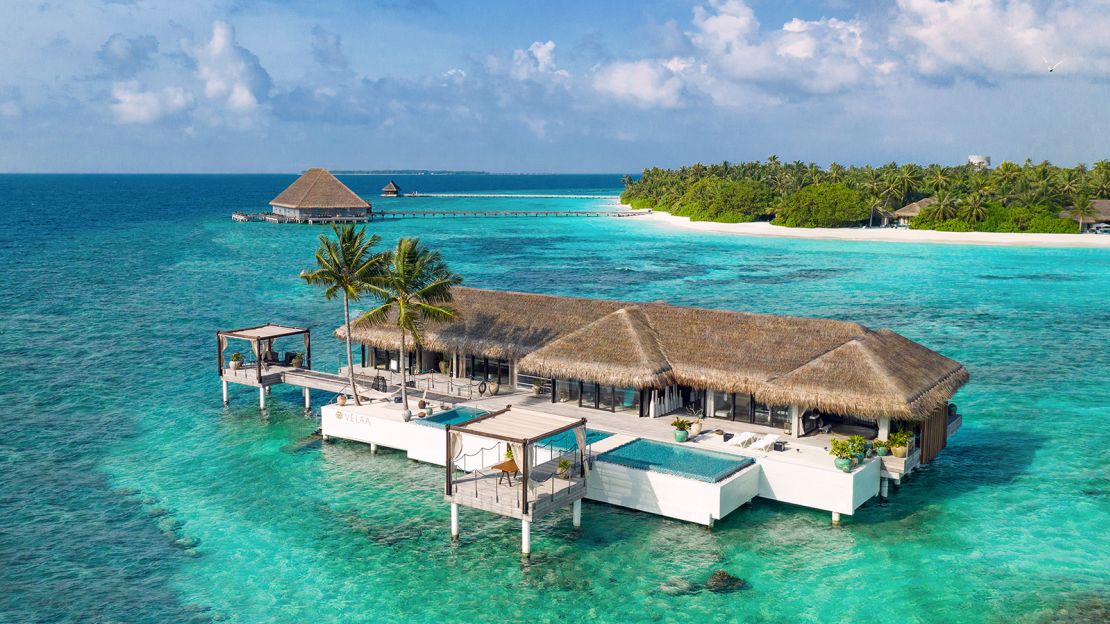
Few images in modern travel imagination are as instantly recognizable as the overwater villas of the Maldives. Elevated on stilts above luminous lagoons, these villas seem to float between sky and sea, offering travelers the rare sensation of waking up directly above the ocean. As morning light filters through glass floors and waves lap gently beneath wooden decks, guests encounter a form of luxury defined not only by comfort, but by proximity to nature.
The Maldivian overwater villa is more than an architectural novelty. It represents a sophisticated convergence of geography, marine ecology, hospitality design, and experiential travel philosophy. For many visitors, staying in a water villa is not simply accommodation—it is the core experience of the journey itself, a continuous dialogue with the ocean’s colors, rhythms, and life.
This article offers an in-depth, professional exploration of Maldives overwater villas, examining their origins, architectural principles, environmental context, sensory experience, relationship with marine ecosystems, sustainability challenges, and future development. Through a comprehensive lens, we uncover why these structures have become global symbols of aspirational travel and how they continue to redefine luxury through immersion rather than separation from nature.
1. The Maldives: A Geographic and Oceanic Context
1.1 An Archipelago Defined by Water
The Maldives is a nation of approximately 1,200 coral islands scattered across the Indian Ocean, organized into 26 natural atolls. Unlike mountainous or continental destinations, the Maldives is fundamentally horizontal—with land barely rising above sea level. Water is not a surrounding feature; it is the dominant environment.
This geography shapes every aspect of life and tourism. Lagoons, reefs, currents, and tides define movement, construction, and perception. Overwater villas emerge naturally from this setting, appearing less as impositions and more as extensions of the maritime landscape.
1.2 The Lagoon as Living Space
The shallow lagoons surrounding Maldivian islands are protected by coral reefs, creating calm, clear waters ideal for marine life and human interaction. These lagoons function as:
- Ecological nurseries for fish and invertebrates
- Natural swimming pools with high visibility
- Foundations for overwater architecture
Understanding the lagoon is essential to understanding the appeal of overwater villas.
2. Origins of the Overwater Villa Concept
2.1 From the South Pacific to the Indian Ocean
The concept of overwater accommodation did not originate in the Maldives. Early versions appeared in the South Pacific, particularly in French Polynesia. However, the Maldives refined and expanded the concept, transforming it into a signature travel experience.
By integrating local materials, advanced engineering, and high-end hospitality services, Maldivian resorts elevated overwater villas from novelty lodgings into architectural icons.
2.2 Evolution Toward Experiential Luxury
Early water villas emphasized location. Modern designs emphasize experience. Over time, villas evolved to include:
- Direct lagoon access
- Panoramic decks and infinity pools
- Glass floors and underwater visibility
- Seamless indoor–outdoor transitions
The evolution reflects a shift in luxury travel toward immersion, privacy, and sensory engagement.
3. Architectural Design: Living Above the Ocean
3.1 Structural Engineering and Environmental Adaptation
Constructing villas above water requires precise engineering. Structures must withstand:
- Saltwater corrosion
- Tidal changes
- Tropical storms
- Long-term environmental exposure
Pylons are carefully positioned to minimize reef damage, while materials are selected for durability and reduced ecological impact.
3.2 Design Philosophy: Transparency and Flow
The defining aesthetic of Maldivian overwater villas is openness. Architectural features often include:
- Floor-to-ceiling windows
- Glass panels embedded in floors
- Open-plan layouts
- Expansive decks extending over water
These elements blur boundaries between interior and exterior, encouraging constant visual and auditory connection with the sea.
3.3 Privacy Without Isolation
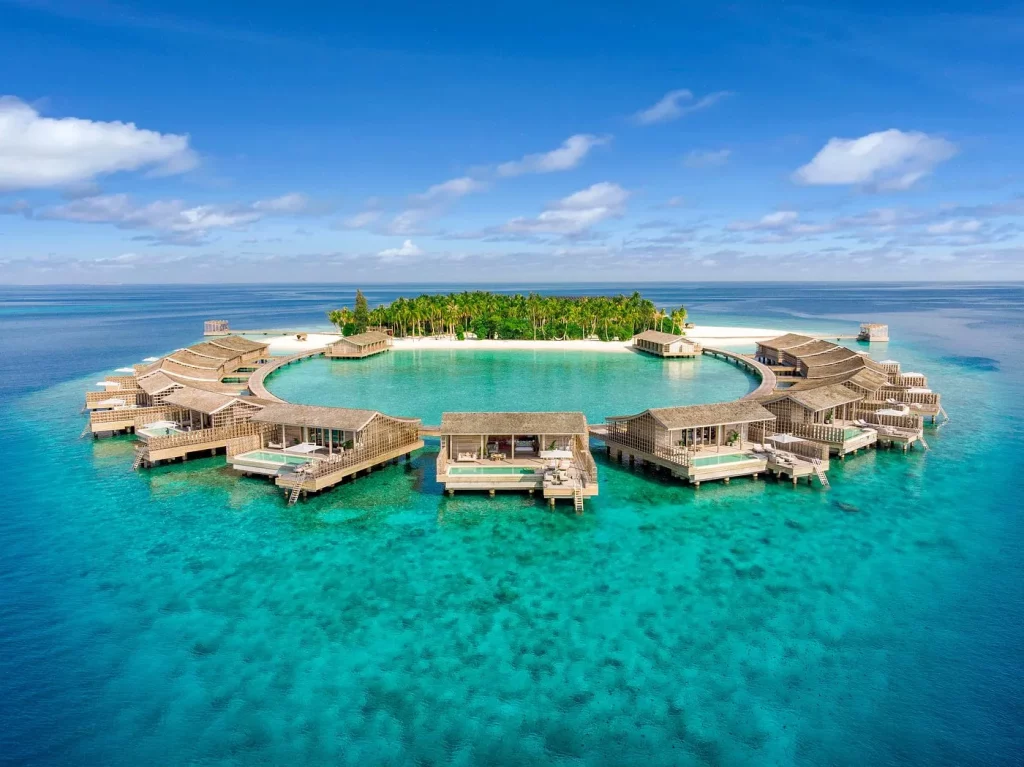
Despite their exposure, water villas offer remarkable privacy. Strategic spacing, orientation, and landscaping ensure that guests feel secluded while remaining visually connected to the horizon. This balance between openness and intimacy is central to their appeal.
4. Waking Up on Water: A Sensory Experience
4.1 The Morning Ritual
Waking in an overwater villa is a multi-sensory experience. The day often begins with:
- Soft sunlight reflecting off the lagoon
- Gentle wave sounds beneath the deck
- Shifting shades of blue visible from bed
Unlike traditional hotels, where nature is framed by windows, here it becomes the immediate environment.
4.2 Light, Color, and Time
The ocean acts as a dynamic canvas. Throughout the day, water color changes with:
- Sun angle
- Cloud movement
- Tidal depth
This constant transformation creates a heightened awareness of time and atmosphere, reinforcing a sense of presence and calm.
5. Transparent Waters and Marine Visibility
5.1 Why the Water Is So Clear
The Maldives is renowned for exceptional water clarity due to:
- Low sediment runoff
- Minimal river systems
- Healthy coral reef structures
This clarity allows guests to observe marine life directly from their villas, often without entering the water.
5.2 Glass Floors and Underwater Viewing
Many villas incorporate glass panels that provide direct views into the lagoon. These features:
- Enhance educational appreciation of marine ecosystems
- Create moments of quiet observation
- Reinforce awareness of environmental interdependence
Such design choices turn accommodation into a platform for marine discovery.
6. Rich Marine Life Beneath the Villas
6.1 Coral Reefs as Living Foundations
The coral reefs surrounding Maldivian islands support extraordinary biodiversity. These reefs host:
- Reef fish in vibrant colors
- Crustaceans and mollusks
- Eels, rays, and reef sharks
Overwater villas are often located near reef edges, offering easy access to these ecosystems.
6.2 Snorkeling From the Doorstep
One of the most distinctive features of Maldivian water villas is direct ocean access. Guests can descend into the lagoon from private steps, entering a living aquarium. This immediacy fosters:
- Curiosity and respect for marine life
- Daily, unstructured encounters with nature
- A sense of coexistence rather than observation
6.3 Marine Life as a Daily Presence
Fish schools passing beneath decks, rays gliding through shallow waters, and nocturnal creatures emerging after sunset create a rhythm of life that accompanies guests throughout their stay. Marine life is not an attraction—it is a neighbor.
7. Overwater Villas and the Psychology of Escape
7.1 Separation From the Terrestrial World
Overwater villas create a physical and psychological separation from land. This distance reduces exposure to:
- Urban noise
- Visual clutter
- Daily routines
The result is a heightened sense of escape, often described as floating between worlds.
7.2 Water as a Calming Medium
Scientific studies have shown that proximity to water—often referred to as “blue space”—can reduce stress and improve mental well-being. The constant presence of water beneath and around the villa reinforces relaxation and mental clarity.
8. Hospitality and Service Above the Sea
8.1 Personalized Luxury
Service in Maldivian water villas emphasizes discretion and personalization. Common features include:
- Dedicated hosts or butlers
- In-villa dining
- Tailored experiences such as sunrise breakfasts or private snorkeling excursions
Luxury here is measured by attentiveness and privacy rather than opulence alone.
8.2 Seamless Integration of Technology
Modern villas integrate technology subtly:
- Climate control adapted to ocean humidity
- Lighting systems that complement natural cycles
- Quiet electric transport connecting villas to island facilities
Technology supports comfort without overshadowing the natural setting.
9. Sustainability and Environmental Responsibility
9.1 Environmental Challenges
Overwater villas exist in delicate ecosystems. Potential environmental impacts include:
- Coral disturbance
- Waste and water management challenges
- Energy consumption
Recognizing these risks is essential to responsible development.
9.2 Sustainable Design and Practices
Leading resorts implement sustainability measures such as:
- Elevated construction to reduce reef contact
- Solar energy integration
- Desalination and water recycling systems
- Coral regeneration and marine conservation programs
Sustainability is increasingly central to the credibility and future of overwater tourism.
10. Cultural Context and Local Perspectives
10.1 Tourism and Maldivian Society
Tourism is a major economic driver in the Maldives, providing employment and infrastructure development. Overwater villas represent a high-value segment that supports:
- Skilled hospitality roles
- Marine conservation initiatives
- Community investment through responsible policies
10.2 Respecting Cultural Boundaries
While resorts often operate as self-contained environments, cultural awareness remains important. Ethical tourism practices encourage:
- Local employment and training
- Respect for cultural norms
- Transparent environmental stewardship
Overwater villas must coexist responsibly within national and cultural frameworks.
11. Variations in Overwater Villa Experiences
11.1 Lagoon Villas vs. Reef Villas
Not all water villas are the same. Lagoon villas emphasize calm swimming and light-filled waters, while reef villas prioritize snorkeling access and biodiversity. Each offers distinct experiential qualities.
11.2 Design Diversity
Villas vary in size, style, and orientation:
- Minimalist modern designs
- Traditional-inspired aesthetics
- Multi-bedroom villas for groups
This diversity allows travelers to choose experiences aligned with personal preferences.
12. The Role of Time and Stillness
12.1 Slow Rhythms of Island Life
Overwater villa stays encourage a slower pace. Without urban distractions, time is shaped by:
- Sunrises and sunsets
- Tides and weather
- Personal energy levels
This rhythm fosters mindfulness and deeper engagement with surroundings.
12.2 Reflection and Presence
Many guests report that their most meaningful moments occur during quiet observation—watching water movement, marine life, or changing skies. Overwater villas create conditions for contemplation rarely found in conventional travel.
13. Future Trends in Overwater Accommodation
13.1 Innovation in Sustainability
Future developments are likely to emphasize:
- Net-zero energy systems
- Floating structures with minimal seabed impact
- Advanced coral monitoring technologies
Innovation will increasingly focus on coexistence rather than expansion.
13.2 Redefining Luxury
As travel values evolve, luxury is shifting toward:
- Environmental responsibility
- Authentic connection with nature
- Emotional and intellectual enrichment
Overwater villas are poised to remain relevant by aligning with these priorities.
Conclusion: Living With the Ocean, Not Above It
The overwater villas of the Maldives represent one of the most refined expressions of experiential travel in the modern world. By allowing guests to wake above the sea, surrounded by transparent waters and abundant marine life, they redefine the relationship between accommodation and environment.
These villas are not simply places to stay; they are interfaces between human comfort and natural complexity. At their best, they foster appreciation, respect, and awareness of the fragile ecosystems that make such beauty possible.
As the future of travel increasingly emphasizes sustainability, mindfulness, and meaningful experience, the Maldivian overwater villa stands as both an aspiration and a responsibility—a reminder that true luxury lies not in escaping nature, but in learning to live gently within it.