






In recent years, the hospitality industry has witnessed a significant shift toward sustainability, driven by environmental concerns, consumer awareness, and global initiatives to combat climate change. Green hotels and eco-friendly resorts represent a forward-thinking segment of the tourism industry, combining luxury and comfort with environmental stewardship. These establishments are designed to minimize their ecological footprint, promote responsible resource use, and create a positive impact on the local community while offering guests a unique, immersive, and sustainable travel experience.
This article explores the concept of green hotels and resorts, the strategies they employ, the benefits of eco-friendly practices, certifications and standards, case studies of successful sustainable establishments, and practical guidance for travelers seeking responsible accommodation.
1. Understanding Green Hotels and Resorts
Green hotels, also known as eco-friendly or sustainable hotels, integrate environmental responsibility into their operations. Unlike traditional hotels, which often prioritize short-term comfort over ecological impact, green hotels focus on energy efficiency, water conservation, waste reduction, and sustainable sourcing of food and materials.
1.1 Key Principles of Sustainable Hospitality
Green hotels adhere to several core principles:
- Resource Efficiency: Utilizing renewable energy sources, low-energy lighting, and energy-efficient appliances to minimize electricity consumption.
- Water Conservation: Implementing low-flow showerheads, faucets, and toilets, as well as greywater recycling systems and rainwater harvesting.
- Waste Reduction: Encouraging recycling, composting, and minimizing single-use plastics throughout the property.
- Local Sourcing: Prioritizing locally produced food, furniture, and amenities to reduce carbon emissions and support local economies.
- Environmental Education: Providing guests with information on sustainable practices and opportunities to engage in eco-friendly activities.
1.2 Evolution of Sustainable Hospitality
The concept of green hotels emerged in the late 20th century as awareness of environmental degradation and climate change grew. Early adopters focused primarily on energy efficiency and recycling programs. Today, sustainability in hospitality has expanded to include comprehensive practices addressing social responsibility, community engagement, and global environmental impact.
2. Environmental Strategies in Green Hotels
Green hotels implement a wide range of strategies to reduce environmental impact while maintaining guest comfort.
2.1 Energy Management
Energy consumption is one of the largest contributors to a hotel’s environmental footprint. Modern green hotels adopt:
- Solar and Wind Energy: Harnessing renewable sources to power lighting, heating, and appliances.
- Energy-Efficient Systems: Smart thermostats, LED lighting, and energy-efficient HVAC systems reduce electricity usage.
- Building Design: Utilizing passive solar design, natural ventilation, and insulation to minimize energy needs.
2.2 Water Management
Water is a critical resource in hospitality, particularly in regions facing water scarcity. Sustainable hotels employ:
- Low-Flow Fixtures: Showerheads, taps, and toilets designed to conserve water without compromising guest comfort.
- Greywater Recycling: Reusing water from sinks and showers for irrigation and flushing.
- Rainwater Harvesting: Collecting rainwater for landscaping and non-potable uses.
2.3 Waste Reduction and Recycling
Hotels generate significant amounts of waste, including food, packaging, and amenities. Green practices include:
- Composting: Transforming organic waste into fertilizer for gardens and landscaping.
- Recycling Programs: Encouraging guests and staff to separate waste for recycling.
- Bulk Amenities: Replacing single-use toiletries with refillable dispensers to reduce plastic waste.
2.4 Sustainable Food Practices
Culinary operations are a major contributor to a hotel’s environmental footprint. Eco-friendly strategies involve:
- Farm-to-Table Dining: Sourcing ingredients from local farmers to reduce transportation emissions.
- Seasonal Menus: Using ingredients available in season to minimize environmental impact.
- Reducing Food Waste: Implementing portion control, donation programs, and composting leftover food.
3. Certifications and Standards
To ensure credibility, green hotels often seek certifications from recognized organizations. These certifications help travelers identify genuinely sustainable accommodations.
3.1 LEED Certification
The Leadership in Energy and Environmental Design (LEED) program evaluates buildings based on energy use, water efficiency, and environmental impact. Hotels with LEED certification demonstrate high standards of sustainable construction and operation.
3.2 Green Globe
Green Globe certification focuses specifically on tourism and hospitality, assessing environmental management, social responsibility, and economic sustainability.
3.3 EarthCheck
EarthCheck provides science-based certification, emphasizing continuous improvement in environmental and social performance for hotels and resorts.
3.4 ISO 14001
ISO 14001 is an international standard for environmental management systems, helping hotels systematically manage their environmental responsibilities.
4. Case Studies of Green Hotels and Resorts
Several hotels and resorts worldwide exemplify the principles of sustainable hospitality:
4.1 Six Senses Resorts (Global)
Six Senses combines luxury with sustainability, integrating solar energy, water conservation, and community-based tourism. Each resort emphasizes local culture and environmental education for guests.
4.2 The Brando (French Polynesia)
The Brando is powered entirely by renewable energy, including solar panels and biofuel generators. It features natural lagoon water circulation systems, organic gardens, and a zero-waste approach to operations.
4.3 Proximity Hotel (USA)
Located in North Carolina, the Proximity Hotel was the first LEED Platinum-certified hotel in the United States. It uses solar panels, elevators that regenerate energy, and recycled construction materials.
4.4 Whitepod Eco-Luxury Resort (Switzerland)
Whitepod combines glamping with eco-luxury, offering geodesic pods powered by renewable energy. The resort emphasizes low-impact architecture, energy efficiency, and environmental education.
5. Economic and Social Benefits
Green hotels contribute positively to both local communities and the broader economy.
- Cost Efficiency: Energy and water conservation reduce operational costs over time.
- Market Differentiation: Sustainable practices attract environmentally conscious travelers.
- Community Engagement: Hotels that source locally and support local artisans stimulate regional economic development.
- Cultural Preservation: By highlighting local traditions and heritage, eco-resorts foster cultural continuity and appreciation.
6. Traveler Considerations for Choosing Green Hotels
Travelers seeking sustainable accommodations should consider the following:
- Certification: Look for credible eco-certifications such as LEED, Green Globe, or EarthCheck.
- Operational Practices: Evaluate energy management, water conservation, waste reduction, and food sourcing.
- Community Engagement: Prioritize hotels that invest in local employment, education, and cultural programs.
- Guest Participation: Opt for properties that encourage guests to participate in sustainability efforts, such as recycling or eco-activities.
7. Integrating Technology for Sustainability
Modern green hotels leverage technology to enhance sustainability:
- Smart Room Controls: Guests can regulate temperature, lighting, and water usage through digital interfaces.
- Energy Monitoring Systems: Real-time tracking allows hotels to optimize energy consumption.
- Mobile Check-In/Out: Reducing paper use while streamlining guest experiences.
- Online Sustainability Reports: Transparency in operations encourages accountability and informed guest choices.
8. Challenges and Opportunities
Despite progress, green hotels face challenges:
- Initial Investment: Sustainable infrastructure and technology require significant upfront costs.
- Balancing Luxury and Sustainability: Ensuring comfort while minimizing environmental impact requires innovative design and operational strategies.
- Staff Training: Effective implementation depends on staff understanding and commitment to sustainability principles.
Opportunities lie in the growing global awareness of climate change, demand for responsible tourism, and the potential for innovation in sustainable hospitality.
9. Future Trends in Green Hospitality
The future of sustainable hotels is dynamic, with trends including:
- Zero-Waste Hotels: Properties aiming for complete elimination of landfill contributions.
- Carbon-Neutral Operations: Achieving net-zero emissions through renewable energy, offsets, and efficiency improvements.
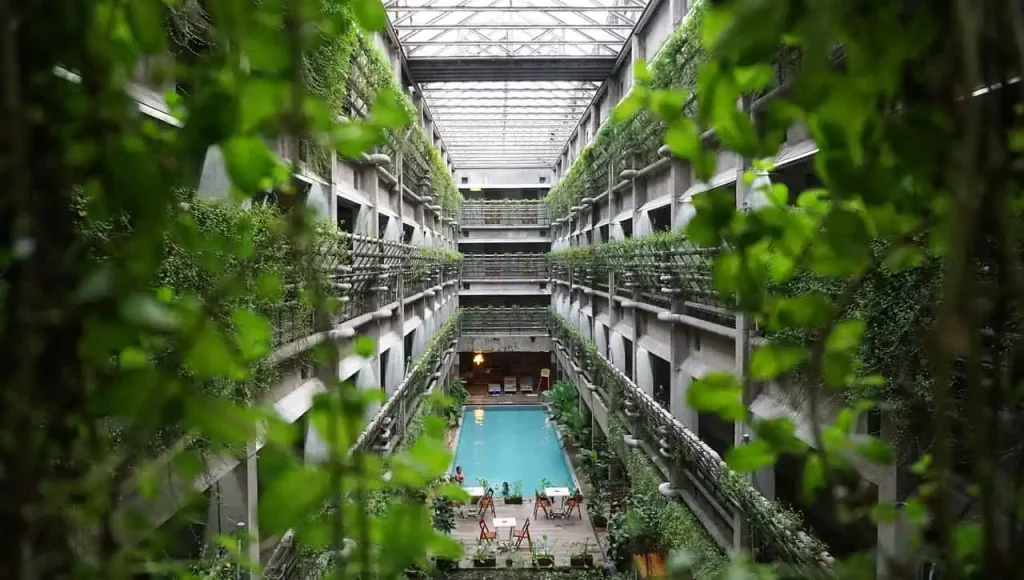
- Biophilic Design: Integrating natural elements into architecture to enhance guest well-being and environmental connection.
- Community-Based Tourism: Strengthening ties between hotels and local communities to create mutually beneficial experiences.
10. Conclusion
Green hotels and resorts represent the intersection of luxury, sustainability, and social responsibility. By adopting innovative energy solutions, conserving natural resources, supporting local communities, and educating guests, these establishments redefine the hospitality industry. Travelers choosing eco-friendly accommodations contribute to environmental preservation, cultural continuity, and global sustainability efforts.
The rise of green hotels demonstrates that tourism and environmental stewardship are not mutually exclusive; rather, they complement one another. In an era where travelers increasingly value purpose and impact, eco-friendly hotels and resorts offer a compelling vision of responsible, enjoyable, and transformative travel.
By supporting sustainable hospitality, both guests and operators play an essential role in shaping a future where tourism thrives in harmony with the planet.