




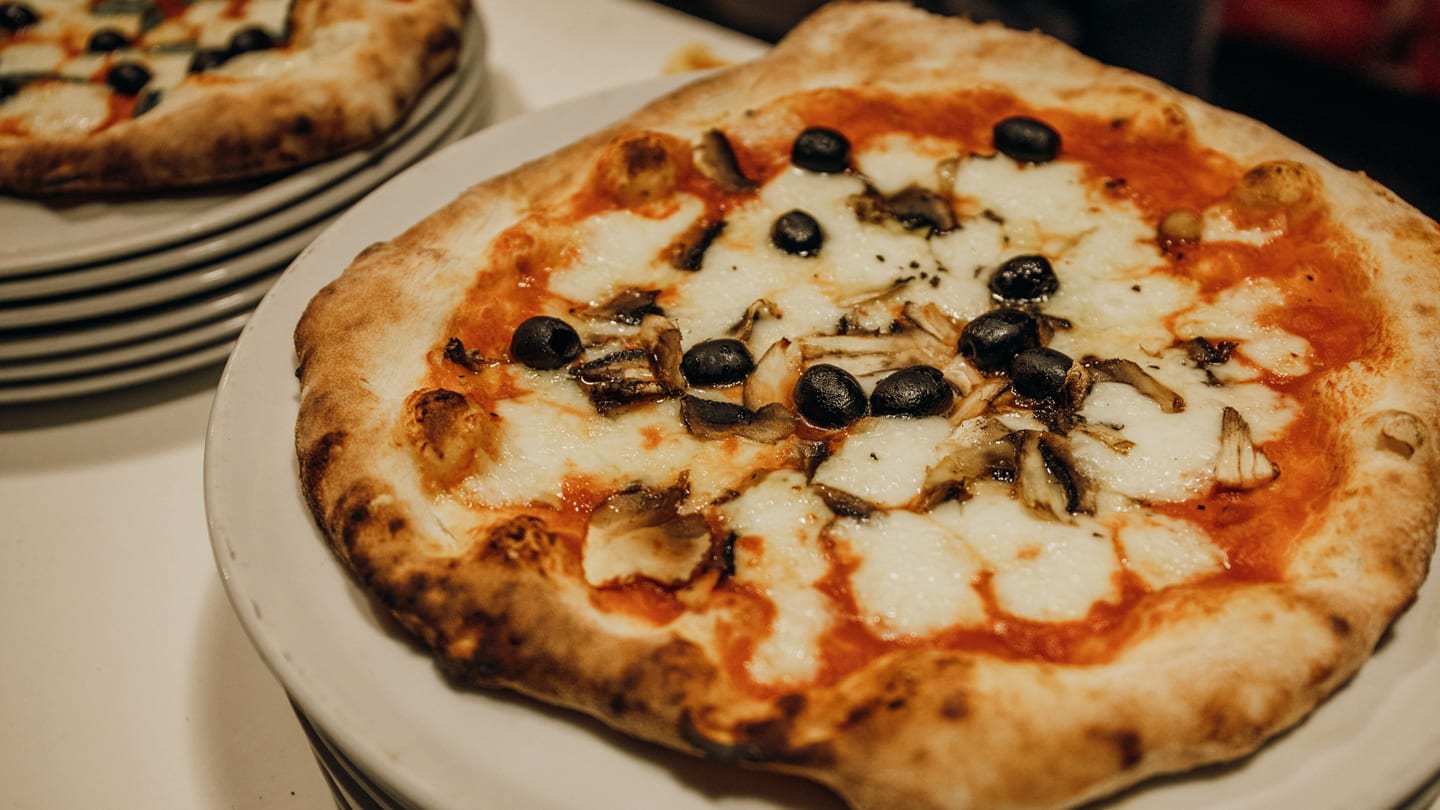

Italy is synonymous with pizza, a dish that has transcended its humble origins to become a global culinary icon. Yet, at its heart, the essence of pizza lies in craftsmanship, tradition, and regional flavors. From the wood-fired ovens of Naples to artisanal pizzerias across the country, Italian handmade pizza represents centuries of culinary evolution, blending fresh ingredients, precise techniques, and cultural heritage.
This article delves into the world of Italian handmade pizza, exploring its history, regional variations, preparation techniques, cultural significance, modern innovations, and the global influence of Italy’s pizza-making traditions.
1. Historical Origins of Italian Pizza
1.1 Early Beginnings
- Pizza traces its roots to ancient flatbreads topped with herbs and olive oil, consumed by Mediterranean civilizations such as the Greeks and Romans.
- The term “pizza” first appeared in 10th-century Southern Italy, particularly in Naples.
1.2 The Birth of Modern Pizza
- In the 18th and 19th centuries, Naples saw the emergence of tomato-topped flatbreads, sold by street vendors and considered food for the working class.
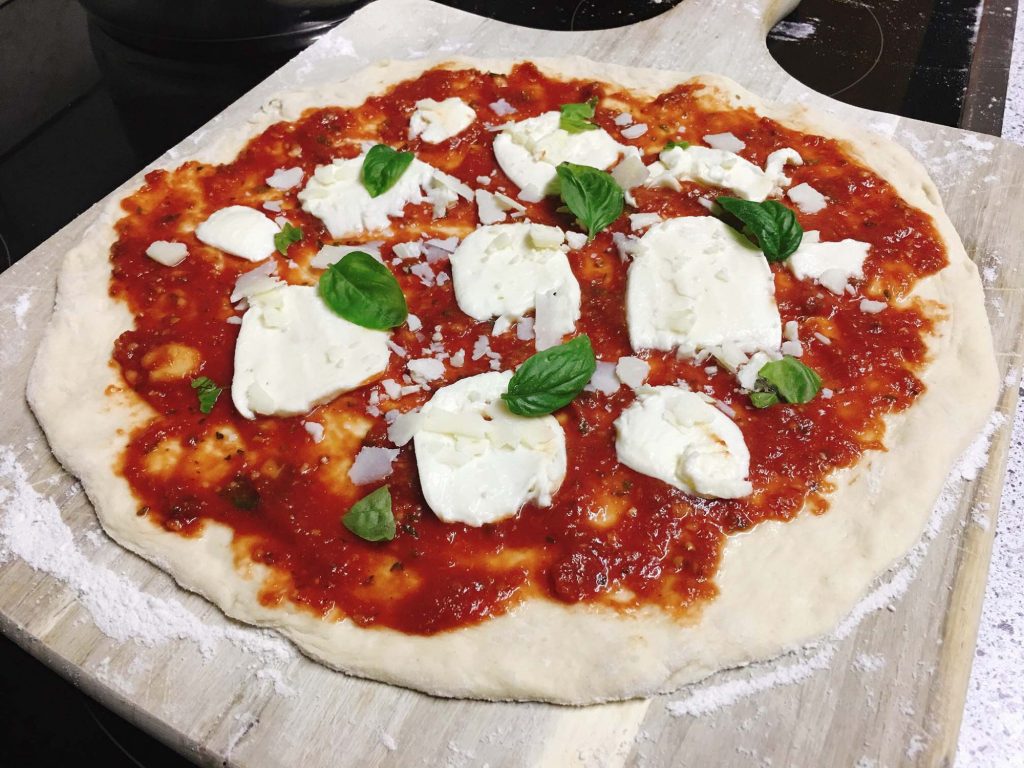
- The creation of Pizza Margherita in 1889 celebrated Italian unification, featuring tomatoes (red), mozzarella (white), and basil (green), symbolizing the national flag.
1.3 Cultural and Culinary Significance
- Pizza became a symbol of Italian identity and communal dining.
- Its popularity spread internationally, particularly through Italian immigrants in the United States, influencing global cuisine.
2. Key Ingredients in Handmade Pizza
Italian handmade pizza emphasizes quality and simplicity, using fresh, locally sourced ingredients.
2.1 Dough
- Made from flour, water, salt, and yeast, dough is kneaded and allowed to rise naturally.
- Traditional recipes often use “00” flour, resulting in a soft, elastic texture.
- Slow fermentation enhances flavor and digestibility.
2.2 Sauce
- Tomato sauce is typically made from San Marzano tomatoes, prized for their sweetness and low acidity.
- Simple seasoning includes olive oil, garlic, oregano, and basil.
2.3 Cheese
- Mozzarella di Bufala (buffalo milk) or Fior di Latte (cow milk) provides creamy, melting texture.
- Cheese is applied sparingly to maintain balance with other ingredients.
2.4 Toppings
- Regional variations showcase fresh vegetables, cured meats, seafood, and herbs.
- Quality over quantity ensures that the flavors remain harmonious.
2.5 Olive Oil and Seasonings
- Extra virgin olive oil is drizzled for aromatic richness and flavor depth.
- Optional additions include chili flakes, rosemary, or anchovies, depending on local tradition.
3. Regional Variations
Italy’s pizza culture is diverse, reflecting regional ingredients and culinary preferences.
3.1 Neapolitan Pizza (Napoli)
- Characteristics: Soft, thin crust with puffed edges (cornicione), cooked in a wood-fired oven at 485°C for 60–90 seconds.
- Famous Types: Margherita, Marinara
- Recognition: UNESCO Intangible Cultural Heritage of Humanity (2017)
3.2 Roman Pizza (Rome)
- Characteristics: Thin, crispy crust, often rectangular (pizza al taglio) for street food.
- Popular Varieties: Pizza bianca (with olive oil, rosemary, and salt), Margherita, Capricciosa
3.3 Sicilian Pizza (Sicilia)
- Characteristics: Thick, soft, and spongy crust, often baked in rectangular pans.
- Typical Toppings: Tomato sauce, onions, anchovies, olives, and caciocavallo cheese
3.4 Other Regional Styles
- Liguria: Focaccia-style pizza, infused with herbs and olive oil.
- Puglia: Use of orecchiette pasta-inspired toppings, local cheeses, and fresh vegetables.
4. The Art of Pizza Dough
4.1 Kneading and Fermentation
- Proper kneading develops gluten networks, giving elasticity.
- Long, slow fermentation improves flavor, texture, and digestibility.
4.2 Shaping the Dough
- Skilled pizzaiolos shape the dough by hand, avoiding rolling pins to maintain air pockets and texture.
- The cornicione (raised edge) is essential for authentic Neapolitan pizza.
4.3 Baking Techniques
- Wood-fired ovens impart smoky aroma, even heat, and crisp crust.
- Baking times vary: Neapolitan pizza cooks in under 2 minutes; Roman styles may bake 5–10 minutes.
- Modern electric or gas ovens replicate traditional effects, maintaining quality for urban pizzerias.
5. Traditional Pizzerias and Culinary Culture
5.1 Role of the Pizzaiolo
- The pizzaiolo is a master craftsman, trained in kneading, topping, and baking techniques.
- Apprenticeships and certifications preserve authentic methods and traditions.
5.2 Famous Italian Pizzerias
- Antica Pizzeria da Michele (Naples): Established 1870, renowned for Margherita and Marinara.
- Pizzeria Sorbillo (Naples): Celebrated for innovation and regional ingredients.
- La Montecarlo (Rome): Popular for Roman-style thin-crust pizzas and street-side dining.
5.3 Dining Culture
- Pizza is a social experience, shared with family and friends.
- Meal pacing allows conversation and enjoyment of paired wines or craft beers.
6. Pairing Pizza with Italian Beverages
6.1 Wine
- Regional wines complement pizza flavors:
- Neapolitan Margherita: Light, fruity red wine (e.g., Aglianico)
- Seafood toppings: Crisp white wines (e.g., Vermentino)
6.2 Beer
- Craft beers or light lagers enhance cheese and savory toppings.
6.3 Non-Alcoholic Options
- Sparkling water or natural juices balance flavors and refresh the palate.
7. Modern Innovations in Italian Pizza
7.1 Contemporary Toppings
- Fusion toppings include truffle, smoked salmon, prosciutto with arugula, and seasonal vegetables.
- Artisanal approaches respect tradition while embracing creativity.
7.2 Gluten-Free and Vegan Options
- Accommodating dietary needs with rice flour, chickpea flour, or plant-based cheeses.
- Maintaining texture and flavor remains a challenge but is increasingly successful in modern pizzerias.
7.3 Culinary Tourism
- Pizza-making classes, tasting tours, and pizzeria visits offer hands-on cultural experiences.
- Tourists learn dough preparation, ingredient selection, and wood-fired baking techniques.
8. Pizza in Italian Society
8.1 Social and Cultural Symbol
- Pizza represents community, celebration, and daily life.
- It is integral to festivals, family gatherings, and casual dining.
8.2 Economic Significance
- Italy hosts thousands of pizzerias, contributing to tourism revenue and local economies.
- Exports of ingredients such as San Marzano tomatoes and mozzarella di Bufala support regional agricultural sectors.
8.3 Global Influence
- Italian pizza techniques influence chefs worldwide.
- Authentic Italian pizzerias abroad maintain heritage while adapting to local tastes.
9. Challenges Facing Handmade Pizza in Italy
9.1 Maintaining Authenticity
- Commercialization and mass production threaten traditional methods.
- Pizzaiolos and associations promote certifications to preserve authenticity.
9.2 Ingredient Sourcing
- High-quality ingredients may be seasonal or expensive.
- Regional protection ensures ingredient authenticity (e.g., DOP certification for mozzarella).
9.3 Competition and Innovation
- Balancing creativity with tradition is crucial for pizzeria sustainability.
- Maintaining artisanal skills requires ongoing training and mentorship.
10. Practical Tips for Experiencing Handmade Pizza
- Visit Traditional Pizzerias: Seek establishments with wood-fired ovens and certified pizzaiolos.
- Try Regional Variations: Explore Naples, Rome, Sicily, and Liguria for diverse styles.
- Learn from Local Experts: Participate in pizza-making workshops for authentic techniques.
- Pair Thoughtfully: Match wines, beers, or juices with toppings for an enhanced culinary experience.
- Respect Cultural Norms: Pizza is a shared social experience, often enjoyed slowly with conversation.
11. Conclusion
Italian handmade pizza represents more than food—it is a cultural institution, a culinary art, and a living tradition. By prioritizing quality ingredients, skilled craftsmanship, and respect for regional heritage, Italian pizzerias continue to produce pizzas that are both authentic and innovative.
Travelers and food enthusiasts gain a deep appreciation for Italy’s culinary culture by exploring its handmade pizza—from wood-fired Neapolitan classics to modern artisanal creations. Every slice tells a story of history, tradition, and passion, embodying the essence of Italian gastronomy.
For anyone seeking a culinary journey through Italy, handmade pizza provides a flavorful gateway into heritage, craftsmanship, and the art of sharing meals. It remains an enduring testament to the balance of simplicity, skill, and cultural pride, celebrated in kitchens and pizzerias worldwide.