




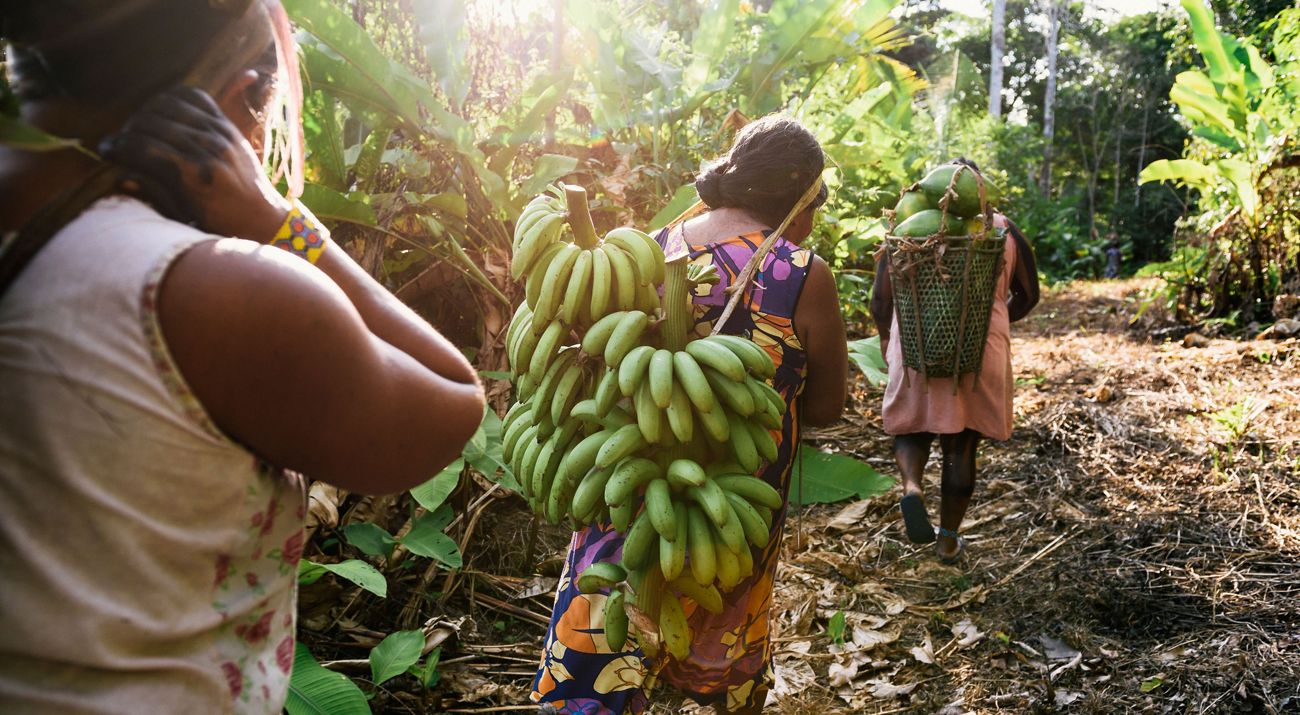

The Amazon rainforest, often referred to as the “lungs of the Earth,” is not only a biodiversity hotspot but also home to hundreds of indigenous tribes who have inhabited this region for millennia. These communities possess unique cultural practices, deep ecological knowledge, and traditional ways of life that are closely intertwined with the rainforest. Understanding the Amazon’s indigenous tribes requires an exploration of their history, social structures, spiritual beliefs, daily life, and modern challenges.
This article provides a comprehensive guide to Amazonian indigenous tribes, covering cultural heritage, ecological practices, social dynamics, health and education, and the impact of modernization and external pressures.
1. Historical Background of Amazonian Tribes
1.1 Origins and Settlement Patterns
- Indigenous groups have inhabited the Amazon for over 10,000 years, adapting to diverse ecosystems.
- Settlements vary from riverine villages along waterways to forested inland communities, reflecting the geography and resource availability.
1.2 Early Interactions and European Contact
- Initial European contact during the 16th and 17th centuries introduced trade, conflict, and disease.
- Some tribes maintained relative isolation, preserving cultural practices and language diversity.
1.3 Modern Distribution
- Tribes are spread across countries including Brazil, Peru, Colombia, Ecuador, Bolivia, and Venezuela.
- Estimates suggest over 400 distinct indigenous groups in the Amazon basin, speaking hundreds of languages and dialects.
2. Social Structures and Community Life
2.1 Family and Kinship
- Most tribes are organized around extended family units or clans.
- Kinship determines marriage, inheritance, and social responsibilities.
2.2 Leadership and Decision-Making
- Leadership is often community-based, with elders or councils guiding decisions.
- Roles may include spiritual leaders (shamans), hunters, and artisans, reflecting specialization and respect for knowledge.
2.3 Gender Roles and Responsibilities
- Men typically engage in hunting, fishing, and forest exploration.
- Women focus on gardening, food preparation, crafting, and childcare, while also contributing to rituals and cultural preservation.
2.4 Community Cooperation
- Resource sharing, collective labor, and cooperative rituals are core to survival and social cohesion.
- Seasonal activities, such as harvests and fishing expeditions, rely on teamwork and knowledge transmission.
3. Language and Oral Tradition
3.1 Linguistic Diversity
- Languages reflect cultural identity, ecological knowledge, and social relationships.
- Some tribes maintain unique languages unrelated to neighboring groups, while others share linguistic families.
3.2 Oral History and Storytelling
- Myths, legends, and songs preserve history, cosmology, and survival knowledge.
- Stories often explain natural phenomena, moral lessons, and hunting practices.
3.3 Transmission of Knowledge
- Elders and shamans teach hunting techniques, medicinal plant uses, and ritual practices to younger generations.
- Storytelling reinforces cultural continuity and ecological literacy.
4. Spirituality and Belief Systems
4.1 Shamanism and Healing Practices
- Shamans act as spiritual guides, healers, and mediators between the human and natural worlds.
- Rituals often involve chanting, plant medicine, and trance states to address physical and spiritual ailments.
4.2 Animism and Nature Worship
- Many tribes practice animism, believing that rivers, trees, and animals possess spirits.
- This worldview promotes respect for natural resources and sustainable use.
4.3 Ceremonial Practices
- Ceremonies mark life stages, seasonal changes, and communal agreements.
- Music, dance, body painting, and ceremonial attire are integral to these rituals.
5. Daily Life and Survival
5.1 Food and Hunting
- Diets consist of fish, game, fruits, nuts, and cultivated crops like manioc, maize, and plantains.
- Hunting techniques include bows, blowguns, traps, and fishing nets, passed down through generations.
5.2 Housing and Village Layout
- Houses are typically constructed from palm leaves, wood, and other local materials.
- Villages are organized with communal spaces, ceremonial areas, and forest access.
5.3 Clothing and Adornment
- Traditional attire varies from body paint and feathered decorations to woven fabrics.
- Adornments often indicate social status, age, or participation in rituals.
5.4 Craftsmanship and Tools
- Tribes produce woven baskets, pottery, fishing tools, and hunting equipment.
- Craftsmanship reflects both functionality and artistic expression.
6. Ecological Knowledge and Sustainable Practices
6.1 Forest Stewardship
- Tribes possess deep knowledge of plant species, soil management, and seasonal cycles.
- Practices such as swidden agriculture (slash-and-burn), rotational hunting, and fishery management ensure resource sustainability.
6.2 Medicinal Plant Use
- Traditional medicine includes herbal remedies, poultices, and plant-based antidotes.
- Knowledge is often oral and experiential, passed from shamans to apprentices.
6.3 Fire and Land Management
- Controlled burns and habitat manipulation promote biodiversity, soil fertility, and pest control.
- Techniques are adapted to local ecology and long-term sustainability.
7. Modern Challenges and Threats
7.1 Deforestation and Environmental Degradation
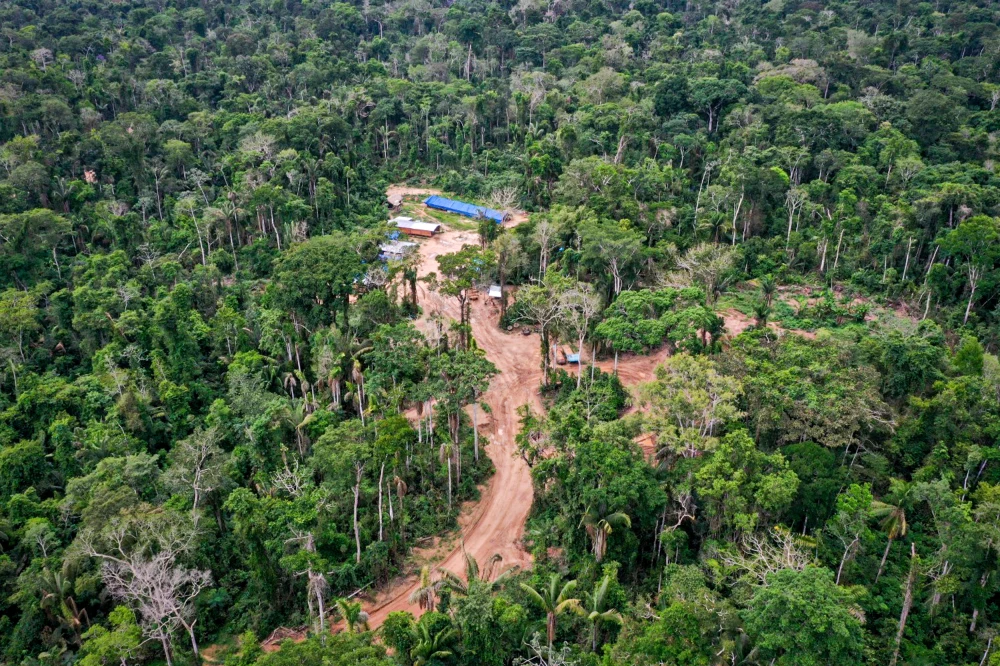
- Logging, mining, and agricultural expansion threaten habitat, food security, and cultural survival.
- Indigenous territories are increasingly encroached upon by commercial interests.
7.2 Health and Disease
- Limited access to modern healthcare exposes communities to infectious diseases and malnutrition.
- Traditional medicine remains critical but cannot always address new health threats.
7.3 Cultural Assimilation
- Globalization and education policies may erode languages, rituals, and traditional knowledge.
- Some tribes resist assimilation while others adapt selectively to modern society.
7.4 Legal and Political Struggles
- Recognition of indigenous land rights varies across countries.
- Political advocacy and international support play roles in protecting territories and autonomy.
8. Education and Knowledge Transmission
8.1 Traditional Education
- Elders teach survival skills, hunting, agriculture, and spiritual practices through observation and participation.
8.2 Formal Education Integration
- Some tribes engage with schools and literacy programs to balance cultural preservation with modern opportunities.
8.3 Language Preservation
- Efforts include documentation, bilingual programs, and cultural workshops to sustain indigenous languages.
8.4 Youth Involvement
- Programs encourage active participation in rituals, forest stewardship, and leadership development.
- Intergenerational learning strengthens identity, resilience, and ecological literacy.
9. Cultural Tourism and Community Engagement
9.1 Ethical Tourism Practices
- Visiting tribes can promote economic support and cultural exchange if conducted respectfully.
- Guidelines include permission, cultural sensitivity, and support for local initiatives.
9.2 Community-Led Tourism
- Tribes manage eco-lodges, guided tours, and workshops showcasing crafts and traditions.
- Revenue often supports education, healthcare, and conservation efforts.
9.3 Cross-Cultural Understanding
- Interaction fosters mutual respect, knowledge sharing, and awareness of indigenous perspectives.
- Tourists gain insight into sustainable living, traditional knowledge, and cultural resilience.
10. Strategies for Preservation and Sustainability
10.1 Legal Protections
- Establishing indigenous reserves, protected areas, and land rights is crucial.
10.2 Environmental Conservation
- Collaborations between tribes, governments, and NGOs help combat deforestation and biodiversity loss.
10.3 Cultural Documentation
- Recording languages, rituals, and oral histories ensures cultural continuity.
10.4 Education and Advocacy
- Promoting awareness among local and international communities strengthens preservation efforts.
11. Case Studies of Prominent Amazon Tribes
11.1 Kayapo (Brazil)
- Known for elaborate body paint, social organization, and environmental activism.
11.2 Yanomami (Brazil and Venezuela)
- Practice semi-nomadic horticulture, with rich rituals and shamanistic traditions.
11.3 Asháninka (Peru and Brazil)
- Recognized for forest management techniques, weaving, and resistance to external encroachment.
11.4 Huitoto (Colombia)
- Maintain traditional medicinal knowledge and intricate ceremonial practices.
12. Conclusion
The indigenous tribes of the Amazon represent a living connection between humanity and nature, showcasing resilience, wisdom, and cultural richness. Their practices provide insight into sustainable living, community organization, and spiritual harmony, offering lessons relevant to global ecological and social challenges.
Preserving these communities requires legal protection, ethical engagement, and cultural respect, ensuring that their languages, rituals, and ecological knowledge endure for future generations. By understanding and supporting Amazonian tribes, we not only honor human diversity and cultural heritage but also safeguard the Amazon rainforest itself, a critical ecosystem for the planet’s survival.
For anyone interested in anthropology, ecology, or cultural immersion, studying Amazonian indigenous tribes offers an unparalleled window into traditional knowledge, environmental stewardship, and the enduring spirit of human adaptation.