




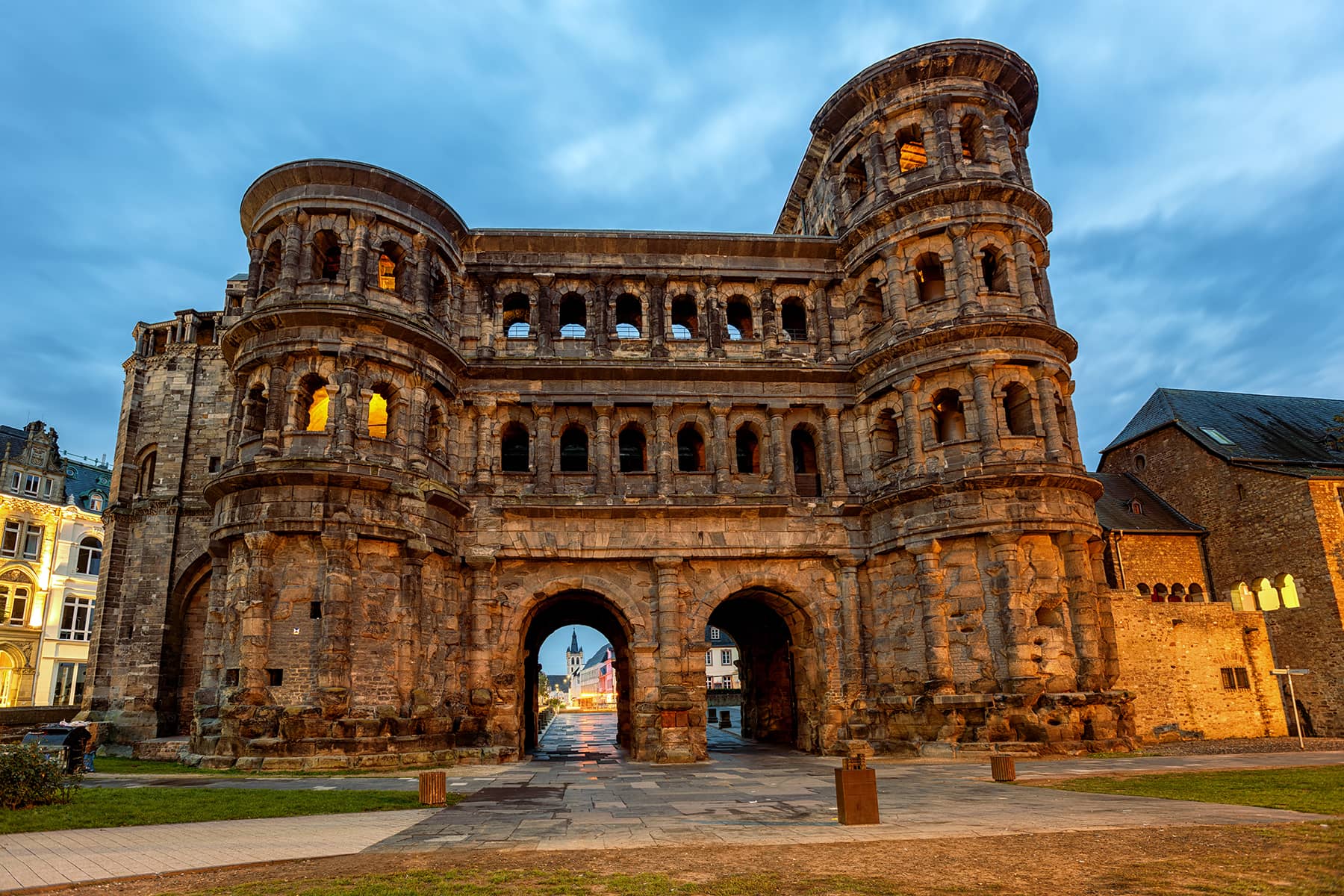

As global tourism continues to expand, the preservation of cultural and natural heritage has become a critical priority for governments, local communities, and international organizations. While tourism brings economic benefits, cultural exchange, and global awareness, it also introduces pressures that can endanger heritage sites, ecosystems, and traditional communities.
This article offers a comprehensive examination of heritage protection in the context of tourism, covering strategies for conservation, challenges posed by increasing visitor numbers, sustainable tourism practices, and global case studies. It also provides practical guidance for travelers and stakeholders seeking to balance tourism development with heritage preservation.
1. Understanding Heritage in Tourism
1.1 Definition of Cultural and Natural Heritage
- Cultural heritage: Includes monuments, historic buildings, archaeological sites, traditional art, music, rituals, and languages.
- Natural heritage: Encompasses landscapes, ecosystems, biodiversity, and geologically significant sites.
- UNESCO identifies heritage as sites of outstanding universal value, requiring protection for current and future generations.
1.2 The Role of Tourism in Heritage Conservation
- Tourism generates funding for restoration, maintenance, and infrastructure improvements.
- Encourages community engagement, awareness, and pride in cultural traditions.
- Can foster environmental stewardship and sustainable resource management.
2. Challenges to Heritage Preservation
2.1 Environmental Impact
- Foot traffic, pollution, and resource consumption threaten natural and urban heritage sites.
- Fragile ecosystems, including coral reefs, wetlands, and mountain habitats, are particularly vulnerable.
2.2 Overcrowding and Urban Pressure
- High tourist volumes in historic city centers can accelerate wear and tear on monuments, streets, and public spaces.
- Tourism-driven urban development may compromise the authenticity of heritage areas.
2.3 Commercialization and Cultural Erosion
- Over-commercialization may dilute cultural expressions, transforming traditions into commodities for tourists.
- Local communities may face loss of cultural identity, traditional practices, and social cohesion.
2.4 Climate Change and Natural Hazards
- Rising sea levels, floods, droughts, and storms threaten coastal heritage sites and natural landmarks.
- Increased temperatures and extreme weather accelerate decay of historical buildings and fragile ecosystems.

3. Strategies for Cultural Heritage Preservation
3.1 Legal Protection and Policy Frameworks
- National and international laws protect heritage sites:
- UNESCO World Heritage Convention
- National heritage protection acts
- Local zoning and urban planning regulations
- Policies focus on limiting harmful activities, managing visitor numbers, and conserving architectural integrity.
3.2 Restoration and Maintenance
- Use authentic materials and historically accurate techniques for restoration.
- Employ preventive conservation to reduce damage from natural elements and human activity.
- Integrate modern technology for monitoring structural integrity and environmental conditions.
3.3 Community Engagement and Education
- Involve local communities in decision-making and heritage management.
- Educational programs promote awareness of cultural significance and environmental responsibility.
- Community-driven tourism ensures that benefits directly support local residents and cultural continuity.
4. Strategies for Natural Heritage Preservation
4.1 Protected Areas and Sustainable Management
- National parks, wildlife reserves, and marine protected areas safeguard ecosystems while allowing controlled tourism.
- Implement visitor quotas, guided tours, and zoning to minimize environmental impact.
4.2 Conservation Programs
- Programs may focus on species protection, habitat restoration, and invasive species management.
- Collaboration with NGOs and international bodies strengthens capacity for sustainable management.
4.3 Environmental Awareness and Ecotourism
- Travelers educated in sustainable practices reduce littering, resource depletion, and ecosystem damage.
- Ecotourism fosters respect for biodiversity, traditional land-use practices, and natural heritage appreciation.
5. Sustainable Tourism Practices
5.1 Carrying Capacity and Visitor Management
- Establish maximum visitor numbers for sensitive sites.
- Implement ticketing systems, time slots, and guided tours to prevent overcrowding.
5.2 Eco-Friendly Infrastructure
- Promote low-impact transport, renewable energy, and waste reduction at heritage sites.
- Encourage accommodations that minimize ecological footprints while supporting local culture.
5.3 Cultural Sensitivity and Ethical Tourism
- Respect local traditions, rituals, and social norms.
- Avoid behaviors that distort or trivialize cultural practices.
5.4 Monitoring and Evaluation
- Regularly assess environmental, social, and economic impacts of tourism.
- Adjust management strategies based on data-driven insights and sustainability goals.
6. Global Case Studies
6.1 Machu Picchu, Peru
- Challenges: over-tourism, landslides, and erosion
- Solutions: visitor quotas, designated pathways, and community engagement programs
- Achievements: site preservation while providing economic opportunities for local communities
6.2 Venice, Italy
- Challenges: flooding, cruise ship traffic, and urban strain
- Solutions: MOSE flood barrier system, limited cruise ship access, and heritage-focused policies
- Emphasis on balancing urban life, tourism, and preservation
6.3 Great Barrier Reef, Australia
- Challenges: coral bleaching, pollution, and overfishing
- Solutions: marine protected zones, sustainable tourism certification, and coral restoration projects
- Ecotourism educates visitors on reef conservation and climate change
6.4 Angkor Wat, Cambodia
- Challenges: rapid visitor growth, structural degradation, and local displacement
- Solutions: UNESCO collaboration, restoration programs, and controlled visitor paths
- Highlights the importance of international support and capacity-building
6.5 Petra, Jordan
- Challenges: erosion, weathering, and mass tourism
- Solutions: site monitoring, guided trail systems, and community-led tourism initiatives
- Maintains cultural heritage while sustaining local economies
7. Role of Technology in Heritage Protection
7.1 Digital Documentation and 3D Modeling
- Use 3D scanning to record architectural details, artifact conditions, and archaeological sites.
- Enables virtual tourism and research without physical site impact.
7.2 Monitoring and Risk Management
- Sensors track structural stability, visitor flow, and environmental conditions.
- Early warning systems reduce damage from natural hazards and human activity.
7.3 Virtual Reality and Remote Engagement
- VR allows interactive exploration of heritage sites for students, researchers, and tourists.
- Reduces pressure on physical sites while expanding accessibility.
8. Integrating Heritage Preservation into Tourism Planning
8.1 Holistic Destination Management
- Incorporate heritage conservation, community development, and economic sustainability into tourism strategies.
- Balance visitor experience, cultural integrity, and ecological protection.
8.2 Multi-Stakeholder Collaboration
- Engage governments, local communities, NGOs, and private sectors.
- Shared responsibility ensures long-term protection and tourism sustainability.
8.3 Education and Advocacy
- Promote awareness campaigns for tourists on responsible travel and heritage stewardship.
- Encourage schools, universities, and tourism organizations to integrate heritage conservation in curricula and professional training.
9. Practical Guidelines for Travelers
- Research before visiting: Understand historical, cultural, and environmental significance.
- Respect local customs: Follow guidelines for behavior, dress, and photography.
- Limit environmental impact: Carry reusable items, reduce waste, and choose eco-friendly transport.
- Support local communities: Purchase locally-made products and book community-led tours.
- Follow site regulations: Stick to marked trails and avoid restricted areas.
- Engage in educational experiences: Attend workshops, talks, or cultural events.
10. Future Directions in Heritage Conservation
10.1 Climate-Resilient Heritage Management
- Incorporate climate adaptation strategies in preservation planning.
- Protect coastal, desert, and mountainous heritage sites against changing weather patterns.
10.2 Sustainable Tourism Certification
- Encourage hotels, tour operators, and attractions to obtain sustainability certifications.
- Incentivizes environmentally and culturally responsible practices.
10.3 Community-Led Preservation
- Empower local residents to lead heritage management, tourism services, and cultural programming.
- Ensures economic benefits and cultural continuity.
10.4 Global Policy and Collaboration
- International collaboration through UNESCO, ICOMOS, and WWF ensures knowledge sharing, best practices, and funding support.
- Promotes a coordinated approach to heritage protection amid global tourism growth.
11. Conclusion
The rapid growth of global tourism brings both opportunities and challenges for the preservation of cultural and natural heritage. Responsible tourism practices, community engagement, technological innovation, and sustainable policies are essential to protect these invaluable assets for future generations.
By embracing awareness, respect, and stewardship, travelers and stakeholders can ensure that heritage sites continue to provide cultural, educational, and economic value, while maintaining their authenticity and ecological integrity.
Sustainable tourism is not merely a strategy—it is a global responsibility, balancing human curiosity with the protection of our shared history and natural treasures.